13 Dog Bowl Stand Dimensions You Must Know Before You Buy (Free Height Chart Inside)
Okay, let’s be real for a second. You’ve probably seen those adorable raised dog feeders on Pinterest and thought, “My pup needs that.” But then you get to the store, and you’re staring at a wall of options, completely lost. Do you need the small one? The tall one? Why does it even matter?
I’ve been there, and honestly, the difference between a good dog bowl stand and a bad one isn’t just about looks. It’s about your dog’s posture, digestion, and even their joint health. If the bowl is too low, they’re hunching over like a little old man. If it’s too high, they’re stretching their neck like a giraffe. Neither is good.
So, I did the deep dive for you. I measured, I researched, and I pulled together the 13 most important dog bowl stand dimensions you absolutely need to know before you spend a single dollar. This is your cheat sheet to finding that perfect, ergonomic fit for your furry best friend.
1. The Golden Rule: Measuring Your Dog’s Floor-to-Shoulder Height
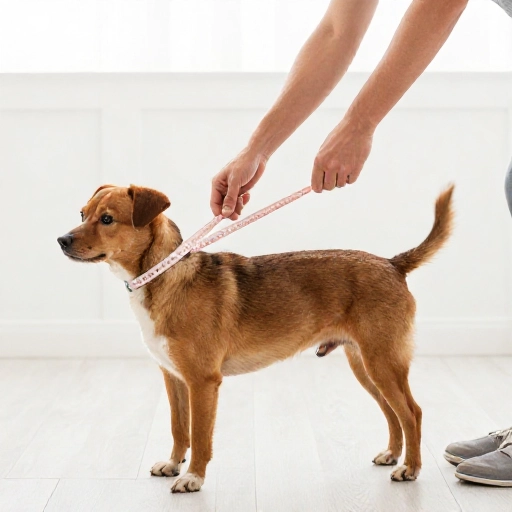
This is the absolute starting point, and it’s non-negotiable. The perfect feeder height isn’t based on your dog’s weight or breed alone; it’s based on their specific body structure. You need a tape measure and a calm dog.
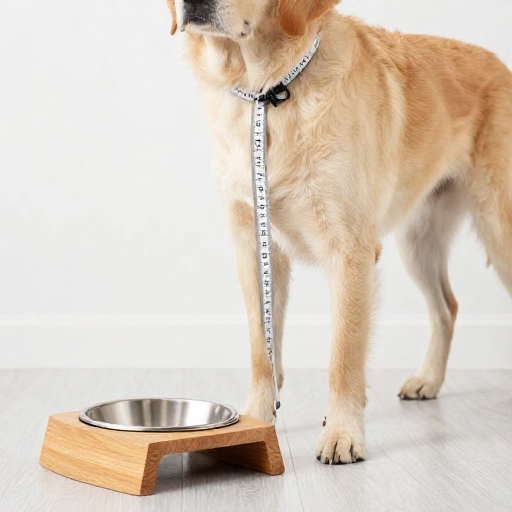
Here’s how to do it: Have your dog stand up nice and straight on a flat surface. Measure from the floor to the top of their shoulder blade (the withers). That number is your magic number.
- This measurement tells you where the bottom of the bowl should sit.
- It’s more accurate than guessing based on breed standards.
Once you have that number, you’re ready to shop. Subtract about 5-6 inches from that height if you’re looking at a stand that the bowl sits *in*, or match it exactly if the bowl sits *on top* of the stand.
2. The “Withers Minus 6 Inches” Formula
This is the most reliable formula I’ve found in all my research, and it comes straight from veterinary recommendations. It simply states that the bowl’s rim should be about 6 inches below your dog’s shoulder height.
Why six inches? Because that allows your dog to lower their head just slightly to eat, which is the most natural and comfortable position for their esophagus and neck muscles. It prevents them from having to tilt their head up or down too much.
So, if your dog’s shoulder height is 24 inches, you’re looking for a stand where the eating surface is around 18 inches high. Simple math, massive difference in comfort for your pet.
3. Small Breed Stands (Chihuahua, Yorkie, Dachshund): 4 to 8 Inches
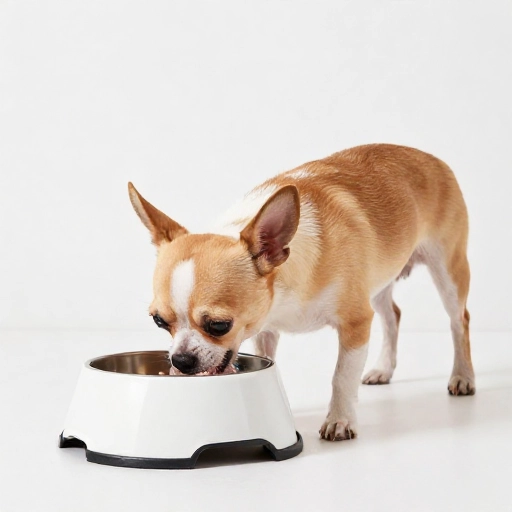
For the tiny guys, we’re talking about serious height adjustments. A standard bowl on the floor might be fine for some, but for long-backed breeds like Dachshunds, a little lift can do wonders for their spine.
You’re generally looking for stands that are between 4 and 8 inches tall. This gets the bowl up off the cold floor and reduces the strain on their short little legs.
- Look for stands with a smaller footprint to fit in tight spaces.
- Make sure the bowl openings are not too deep, so they can reach the bottom easily.
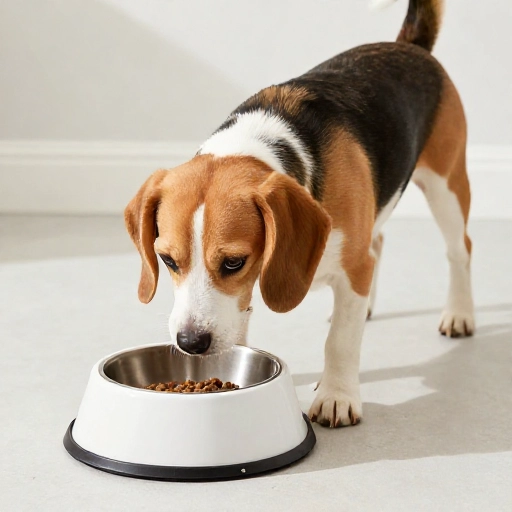
4. Medium Breed Stands (Beagle, Corgi, French Bulldog): 8 to 12 Inches
This is the most common size range, and it’s a sweet spot for many popular family dogs. If your pup falls into the 15-20 inch shoulder height range, this is likely your target zone.
This height keeps the bowl at a comfortable chest level, preventing them from having to sprawl out to eat. It’s also great for brachycephalic breeds (like Frenchies) because it helps them breathe easier while they eat.
Don’t just buy the first one you see. Measure your dog first, then check the product specs. A 10-inch stand is very different from a 6-inch one.
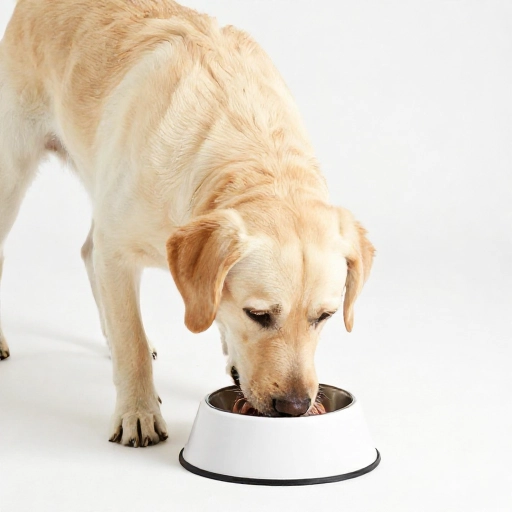
5. Large Breed Stands (Labrador, German Shepherd, Golden Retriever): 12 to 18 Inches
For the big guys, we need serious support. A large dog eating from the floor is putting unnecessary stress on their neck and front joints, which can be detrimental for breeds prone to hip dysplasia or arthritis.
Stands in the 12 to 18 inch range are perfect. They bring the food up to them, promoting a straighter posture and better digestion. It honestly looks so much more dignified for them, too.
- Always check the weight capacity of the stand.
- Look for wider bases to prevent tipping over when they get excited.
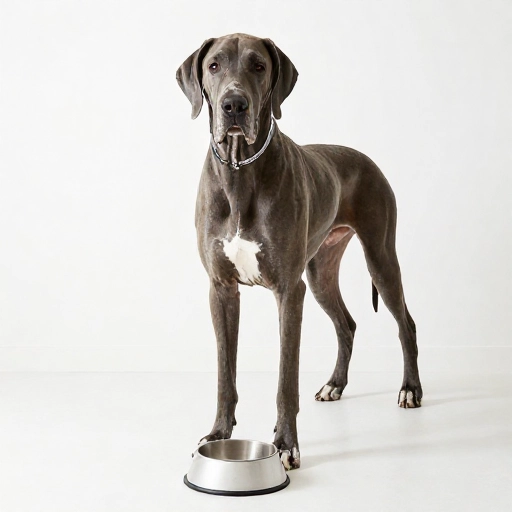
6. Giant Breed Stands (Great Dane, Mastiff, Irish Wolfhound): 18 to 26 Inches
Here’s where things get really tall. For our gentle giants, a standard “large” stand just won’t cut it. They need something that looks almost like a small table.
You might even consider a “bistro table” style feeder for these breeds. The goal is to have the bowl at a height where they barely have to lower their head at all. This is crucial for preventing bloat (GDV), which is a life-threatening condition in deep-chested breeds.
Don’t skimp on quality here. The stand needs to be incredibly sturdy to handle the force of a giant dog eating.
7. The Bowl Depth and Diameter Matter Just as Much
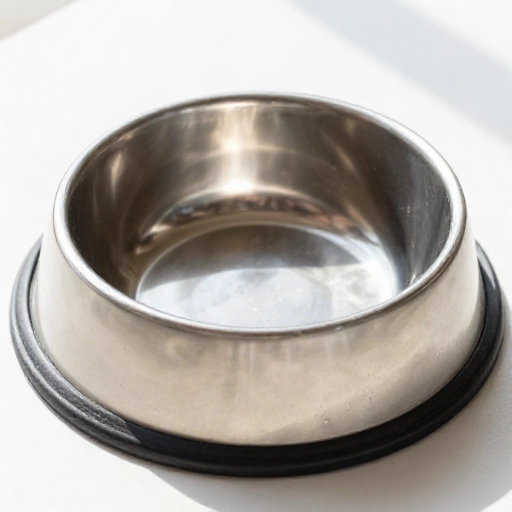
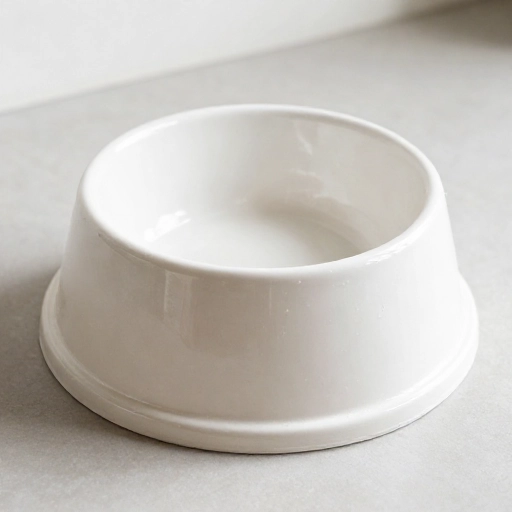
Height isn’t the only dimension you need to obsess over. The diameter and depth of the bowl itself are critical. If the bowl is too deep, your dog’s face is buried in it. If it’s too shallow, they’ll make a mess.
As a rule of thumb, the bowl should be roughly the width of your dog’s head. This prevents their whiskers from constantly rubbing against the sides, which can actually stress them out.
Depth is also key. The food should be easily accessible without them having to crane their neck down into a deep pit. Shallow and wide is usually the winner.
8. Stand Width: The Stability Factor
You might think a skinny, sleek stand looks modern, but if it’s not wider than your dog’s chest, it’s a tipping hazard. Picture a Great Dane trying to eat from a stand that looks like a skinny side table. Disaster waiting to happen.
Look for a stand that is at least as wide as your dog’s chest, ideally a few inches wider. This gives them a stable platform and prevents the bowl from sliding around the floor while they eat.
- A wider stance also means less wobble.
- It protects your floors from scratches and spills.
9. Adjustable Stands: The “Grow-With-Me” Option
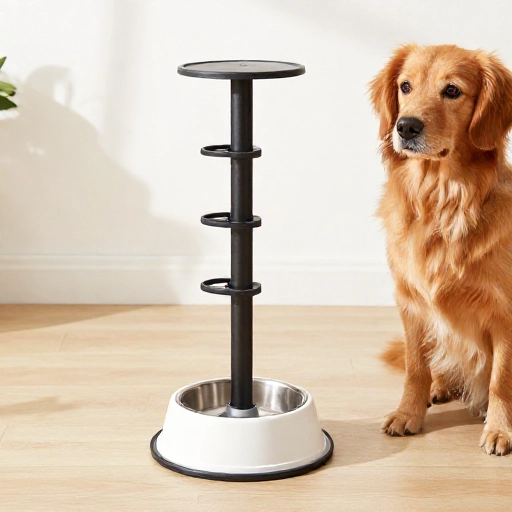
If you have a puppy, buying a fixed-height stand is a mistake. They grow so fast that you’ll be buying a new one every few months. Instead, invest in an adjustable dog bowl stand.
These typically have a telescoping or multi-slot leg system. You can start with the bowls low to the ground and raise them as your puppy grows. It’s a money-saver and a space-saver.
10. The “No-Neck-Strain” Angle: Elevated vs. Flat
Some stands come with a tilt or a slant to the bowl. Others are perfectly flat. Which is better? For most dogs, a flat surface is perfectly fine, as long as the height is correct.
However, for senior dogs or those with megaesophagus, a slightly tilted bowl can be a game-changer. It uses gravity to help move food down the esophagus, making swallowing easier.
If your dog is a senior, consider a stand with a 10-15 degree tilt. For young, healthy dogs, a flat stand is usually ideal and much easier to clean.

11. The Two-Bowl Combo: Width and Length Requirements
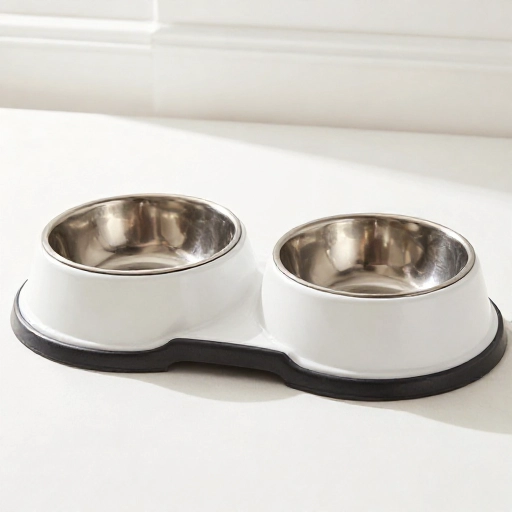
If you’re looking at a stand that holds both food and water, you need to pay attention to the overall length and width of the entire unit. It needs to fit in your designated feeding area without being in the way.
Measure the space in your kitchen or laundry room first. A combo stand can be quite long, especially for large breeds, so you need to ensure it fits comfortably against the wall.
- Check the distance between the two bowls; it should be wide enough for their snout.
- Ensure the water bowl is deep enough so they don’t splash everything out.
12. The Material and Base Dimensions (Wood vs. Metal)
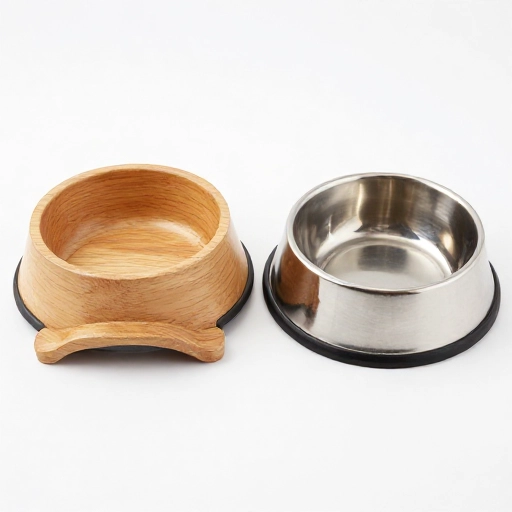
The material of the stand affects the dimensions you can choose from. Metal wire stands are often lighter and have a smaller visual footprint, but they can be less stable.
Wooden stands are typically bulkier and heavier, offering more stability, but they take up more floor space. Bamboo stands are a popular, eco-friendly middle ground.
If you have a messy eater, a metal stand might be easier to wipe down. If you have a big dog, you’ll want the weight of a wooden stand to keep things grounded.
13. Why the “One-Size-Fits-All” Rule is a Lie
I need you to ignore any product listing that says “Fits all dogs.” It’s simply not true. A 5-pound Yorkie and a 150-pound Mastiff have vastly different ergonomic needs.
These generic stands are usually designed for medium-sized dogs, which means they are too low for large breeds and too high for small breeds. You’ll end up with a dog that’s uncomfortable, or worse, a stand that tips over.
Always, always measure your dog. It takes 30 seconds and can save you hours of frustration and a potential vet bill for neck or joint pain.
Final Thoughts: Get the Tape Measure Out
Finding the perfect dog bowl stand isn’t about picking the prettiest one on the shelf. It’s about understanding your dog’s body and matching it to the correct dimensions. Trust me, your dog will thank you for it. They’ll eat more comfortably, stand taller, and you’ll have peace of mind knowing you’re protecting their long-term health.
Take the guesswork out of it. Grab that tape measure, use the “withers minus 6” rule, and find the stand that fits like a glove. Your furry friend deserves that level of care.
Frequently Asked Questions
Q1: Is it bad for my dog to eat from the floor?
For healthy, young, small-to-medium dogs, it’s usually fine. However, for large breeds, seniors, or dogs with specific health issues, it can strain the neck and joints. Elevated feeders promote better posture.
Q2: Can an elevated dog bowl prevent bloat?
This is a debated topic. Some studies suggest it might actually increase the risk in certain deep-chested breeds, while others say it helps. Always consult your vet for advice specific to your dog’s breed and risk factors.
Q3: How do I know if the stand is too tall?
If your dog’s front legs are straight but they have to reach *up* to get the food, or if they are stretching their neck upward, the stand is too high. They should be able to eat with their head slightly lowered.
Q4: Do I need a stand for a puppy?
Yes, but get an adjustable one. Starting them early with good eating posture is great, but you must adjust the height as they grow to prevent discomfort.
Q5: What is the best material for a dog bowl stand?
For durability and easy cleaning, stainless steel or powder-coated metal is great. For stability and aesthetics, solid wood or bamboo is a beautiful choice. Just make sure it has a waterproof finish.