12 Side Yard Dog Run Designs That Actually Work (And Look Good Too)
If you have a skinny strip of grass running alongside your house, you know the struggle. It’s that awkward space that’s too narrow for a patio, too shady for a garden, and honestly, it usually just turns into a muddy path. But here’s the thing—that overlooked side yard might just be the perfect spot for a dog run.
I’ve spent way too many hours staring at my own side yard, trying to figure out how to give my high-energy pup a safe place to zoom without sacrificing the entire backyard. Over the years, and after a lot of trial and error (and a few chewed-up fence boards), I’ve learned what works and what doesn’t. Whether you have a tiny 4-foot gap or a longer stretch, these 12 designs will turn that useless strip into your dog’s favorite place on the planet.
1. The Classic Gravel Run with a Drainage Boost
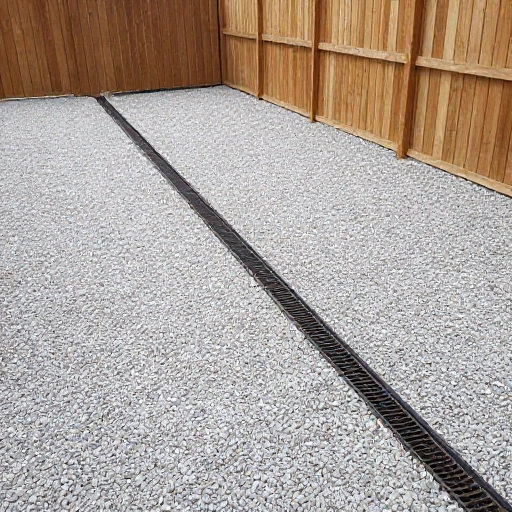
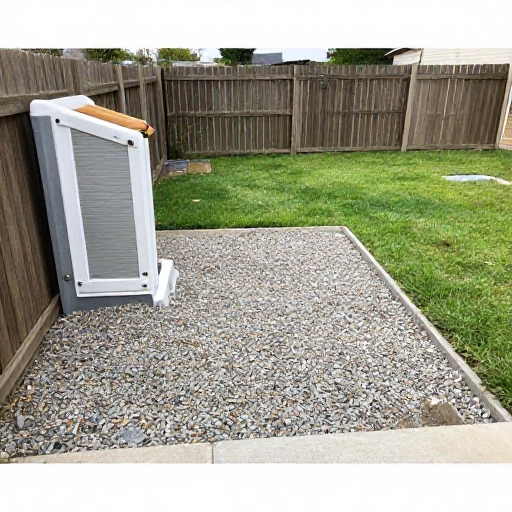
Let’s start with the most practical option. Gravel is your best friend in a side yard because it handles rain like a champ. Dogs won’t turn it into a mud pit, and it’s super easy to spray down when things get messy.
I recommend using pea gravel or crushed stone, but here’s the trick: lay down a sturdy weed barrier underneath. Otherwise, you’ll be fighting weeds all summer. It’s a simple setup that takes an afternoon and saves you from the dreaded “muddy paws on white carpet” situation.
Just make sure the gravel is deep enough—about 2 to 3 inches—so it doesn’t shift too much when your dog does those crazy zoomies.
2. The Artificial Turf Run for a Lush Look
If you want the look of a green lawn but hate the upkeep, artificial turf is the way to go. Side yards are usually too shady for real grass to thrive anyway, so this solves that problem instantly.
Modern turf is surprisingly soft and drains well, so you won’t have puddles. I’ve seen dogs roll around on it like they’re on a cloud. It’s also great if you have a digger—no more holes to refill!
Just remember to rinse it regularly with a hose to keep it fresh and odor-free. A little baking soda sprinkled on top works wonders for neutralizing smells.
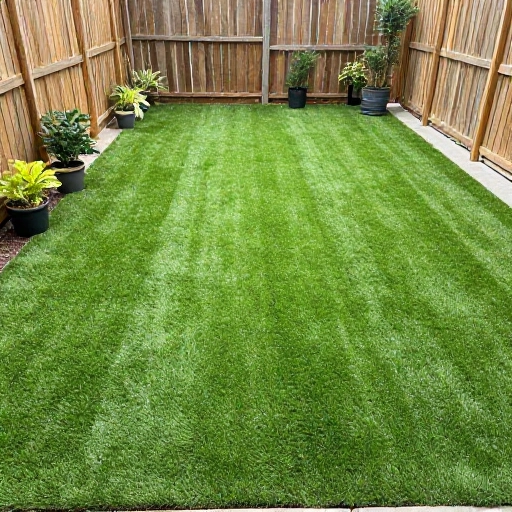
3. The “Runner” Lane for Fetch Addicts
If your dog’s favorite game is fetch, this design is for you. Instead of a wide area, create a long, straight lane. The narrow width actually works in your favor here because it keeps the ball rolling in a predictable line.
I made this mistake once with a wide yard—my dog spent more time chasing the ball into corners than actually running. A straight lane lets them build up speed and really stretch their legs.
You can use simple metal edging to keep the path defined, and fill it with either gravel or turf. This design is perfect for those extra-long side yards that seem to go on forever.
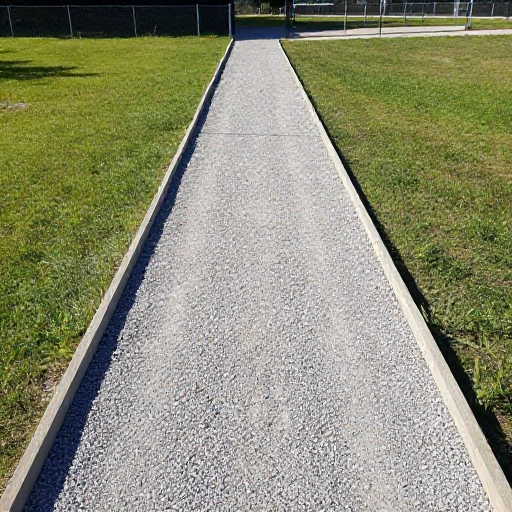
4. The Paver & Stone Oasis
For a more upscale look, consider using large pavers or flagstone. This isn’t just a dog run; it’s an extension of your home’s walkway. The gaps between the stones can be filled with sand or small ground cover like creeping thyme.
Dogs love the cool feeling of stone on their paws during hot summer days. Plus, it’s virtually indestructible. I’ve seen heavy chewers and big diggers, and none of them can damage a solid paver.
This option might cost a bit more, but it adds serious curb appeal and is a permanent solution to the side-yard problem.
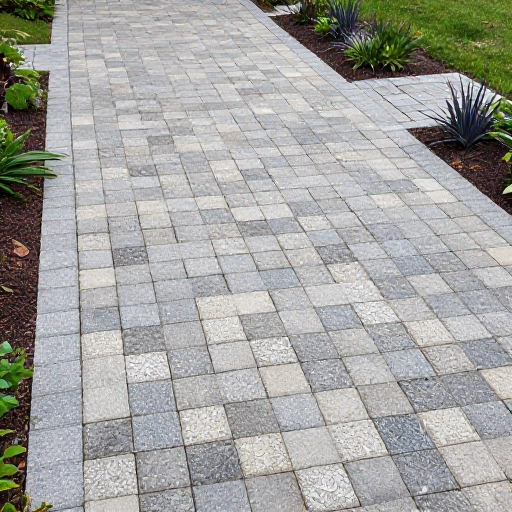
5. The Shade-Savvy Canopy Run
Side yards are often shaded by the house or fence, which is great, but sometimes they get that intense afternoon sun. If your pup loves to sunbathe but also needs a cool spot, add a shade sail or a simple canopy.
I’ve learned that dogs are terrible at regulating their own temperature when they’re playing hard. A shaded section of the run gives them a place to catch their breath without having to go all the way back inside.
You can buy a cheap sail canopy online and attach it to the house and fence. It’s an easy DIY that makes a huge difference in the summer months.
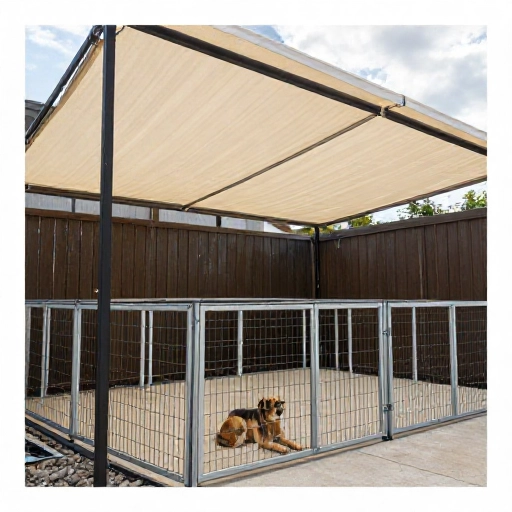
6. The Digging Pit Pitfall
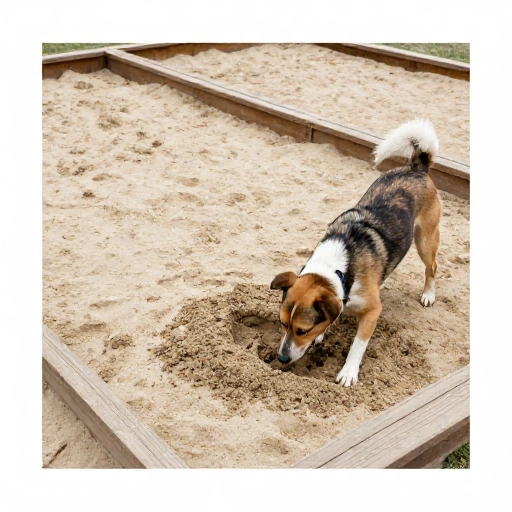
Let’s be real—some dogs are just natural-born excavators. Instead of fighting the instinct, give them a designated digging zone. I built a small sandbox at the end of my side yard run, and it’s a game-changer.
Bury some toys or treats in the sand, and your dog will happily dig there all day instead of tearing up the rest of the yard. It’s like giving them a puzzle to solve.
Use play sand (not construction sand) because it’s cleaner and softer. And don’t forget to cover it when it rains, or you’ll have a muddy mess on your hands.
7. The Multi-Dog Split-Level Design
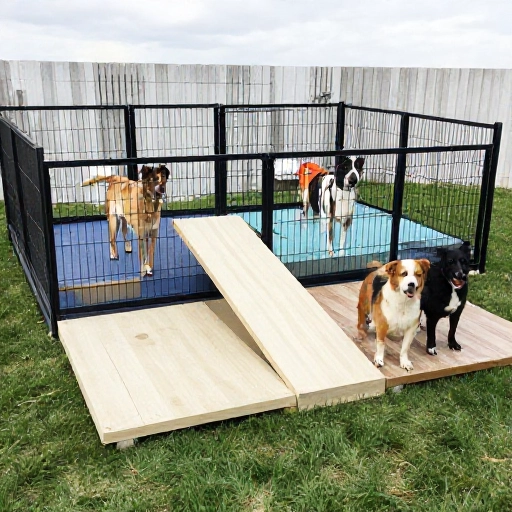
If you have two dogs that sometimes need a timeout from each other, consider splitting the run with a center divider. This gives you the flexibility to separate them during feeding time or if one is getting too rowdy.
I used a simple removable gate in the middle of my run. It’s not a permanent wall, just a panel I can slide in when needed. It gives me peace of mind knowing I can separate them instantly.
This design also works if you have a puppy and a senior dog—the puppy can bounce around while the old guy naps peacefully on the other side.
8. The Sensory Garden Run
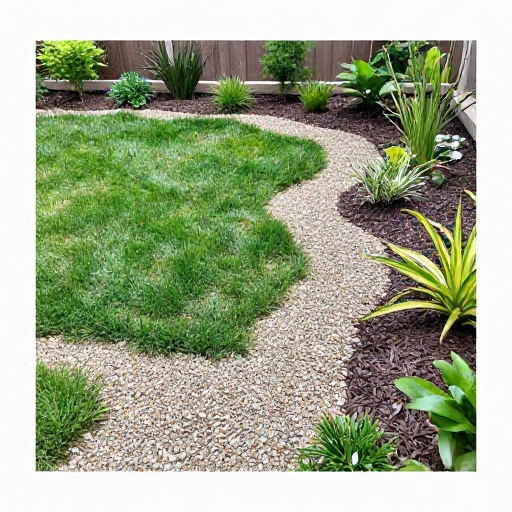
Who says a dog run has to be boring? I planted a few dog-safe herbs and plants along the edges of mine. Lavender, rosemary, and mint are all safe for dogs and smell amazing.
Dogs experience the world through their noses, so giving them interesting scents to sniff turns a boring potty break into a mental workout. It’s like a spa day for their brain.
Just make sure you check every plant before planting—some common garden plants like lilies and azaleas are toxic to dogs. Stick to the safe list, and you’ll have a fragrant, beautiful run.
9. The Elevated Deck Run
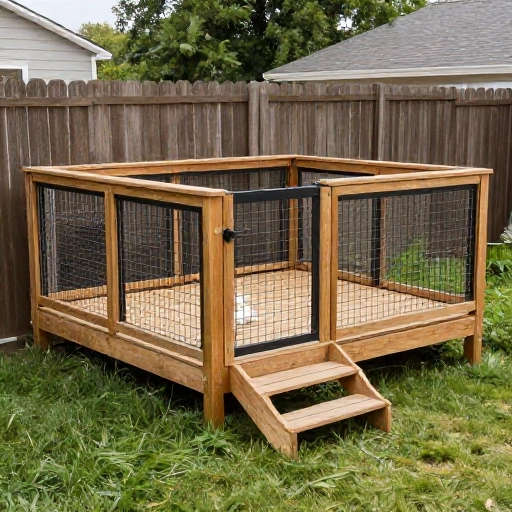
If your side yard has a slope or drainage issues, consider building a raised wooden deck. This keeps your dog off the muddy ground and gives them a dry place to run even after a heavy rain.
I built a low platform about 12 inches off the ground, and it solved all my flooding problems. You’ll need to use non-slip paint or tape on the wood so your dog doesn’t slip when they’re turning corners.
This is a bit more of a construction project, but the payoff is huge. It looks polished, and you’ll never have to worry about the run turning into a swamp.
10. The Concrete & Cool Pad
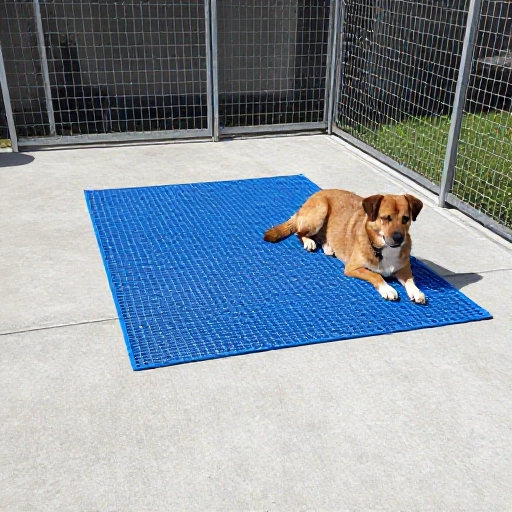
For the ultimate low-maintenance option, pour a simple concrete slab. It’s durable, easy to clean, and doesn’t hold onto smells. During the summer, you can even wet it down to create a cool lounging spot.
I know concrete sounds harsh, but you can add a few outdoor rugs or dog beds to make it comfy. Your dog will probably love the hard surface for lying on during hot days.
Make sure to score the concrete with a broom finish to give it some texture. Slippery concrete is a recipe for a pulled muscle.
11. The Pet-Friendly Deck Tiles
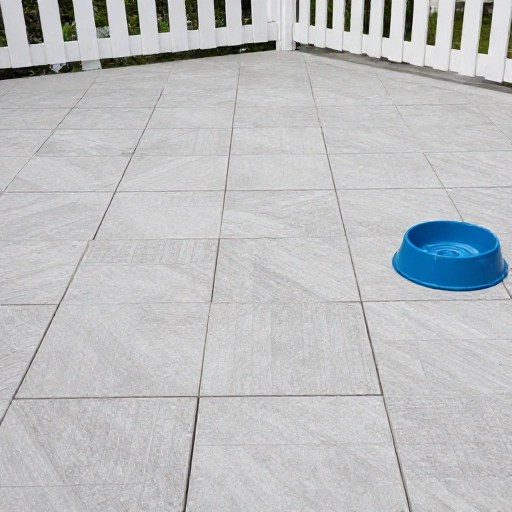
If you rent or want a temporary solution, interlocking deck tiles are amazing. They come in plastic, wood, or composite materials, and they literally snap together in minutes.
I used these in my first apartment’s side yard, and I took them with me when I moved. They’re lightweight, portable, and surprisingly tough. Best of all, they allow rainwater to drain through the gaps.
They sit on top of grass or dirt, so you don’t have to rip anything up. It’s the perfect “try before you commit” option.
12. The Combination Run & Potty Station
Let’s face it, most of the time your dog is in the side yard, they’re doing their business. So, why not design a space that’s specifically for that? I added a small section with real grass (or turf) that’s strictly for potty time, and the rest is for playing.
This separation makes cleanup a breeze. You just focus on one small area instead of scanning the whole yard for surprises. You can even train your dog to go only on the designated patch.
I used a low border to define the potty zone, and it’s made my life so much easier. No more guessing games!
Final Thoughts: Making It Work for You
Designing a side yard dog run isn’t about perfection—it’s about practicality. The best design is the one that fits your dog’s personality, your climate, and your skill level. Start small, observe how your dog uses the space, and tweak as you go.
Whether you go with a simple gravel patch or a fancy turf runway, your dog will just be happy to have a dedicated space to call their own. Trust me, the look of pure joy on their face when they sprint down that lane is worth every bit of effort.
Frequently Asked Questions
1. What is the best surface for a dog run?
It depends on your needs. Gravel is the best for drainage and low cost. Artificial turf is great for looks and comfort but needs occasional cleaning. Concrete is the most durable and easiest to clean but can get hot in the sun.
2. How wide should a side yard dog run be?
For most dogs, a width of 4 to 6 feet is comfortable. If you have a larger breed, aim for 6 to 8 feet so they can turn around easily without feeling cramped.
3. How do I keep my dog from escaping the run?
The fence needs to be tall enough—at least 5 to 6 feet for jumpers. Check the bottom for gaps and reinforce it with wire or concrete if your dog likes to dig.
4. How do I stop the dog run from smelling?
Regularly pick up solid waste and rinse the area with a hose. For gravel or dirt, you can use a pet-safe enzyme cleaner to break down odors. Baking soda works well on turf.
5. Can I put a dog run on a slope?
Yes, but you’ll need to level the ground or build a raised platform. A sloped run can cause water pooling at the bottom and make it hard for dogs to run safely. Terraced levels are a good compromise.