10 Soft Cat Food for Senior Cats That Will Make Them Purr Again
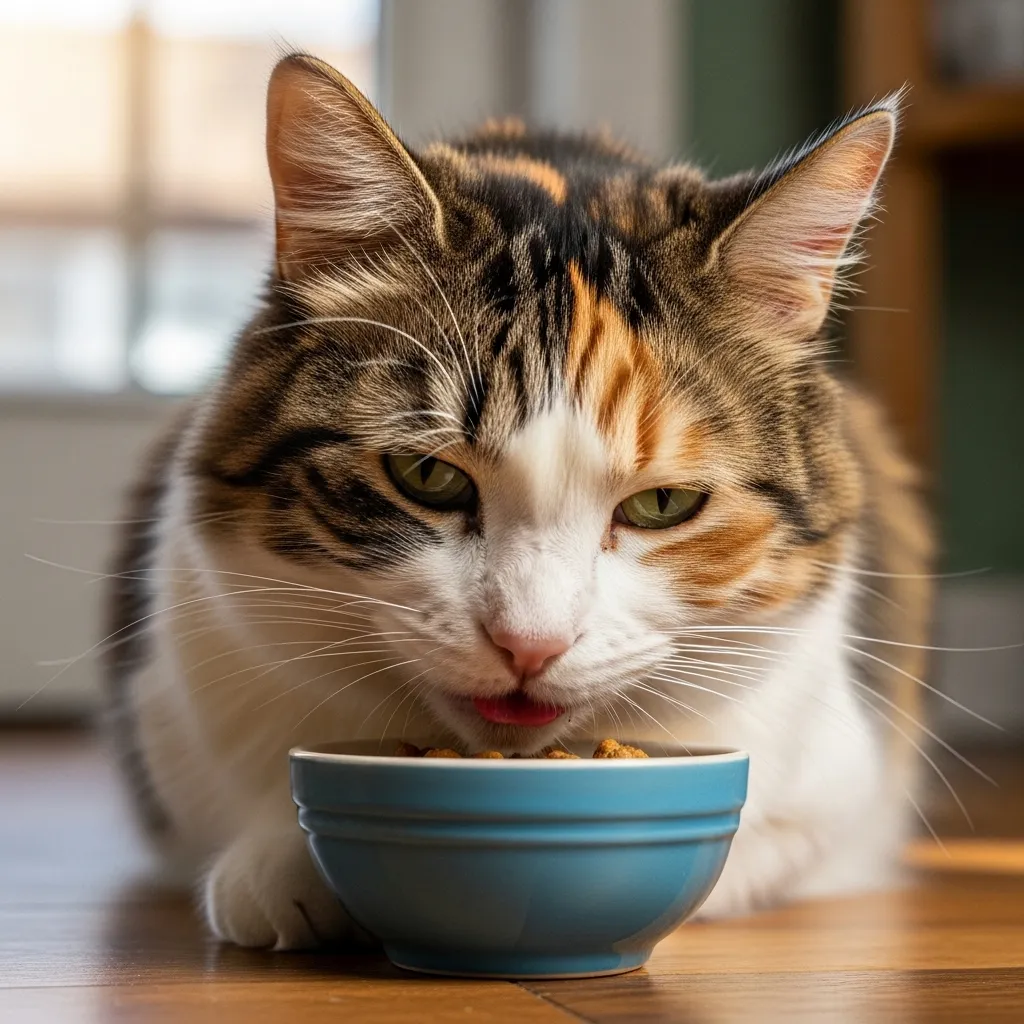
I remember the day my old tabby, Mochi, started turning her nose up at dinner. She’d sniff her kibble, look at me with those tired eyes, and just walk away. It broke my heart. When our cats get older, their bodies change, and so do their needs. Their teeth might hurt, their gums might be sore, and chewing hard food becomes a chore instead of a joy.
That is why I started my deep dive into the world of soft cat food. I wanted something that was easy to eat, gentle on her tummy, and actually tasty. After testing and learning, I found ten fantastic options. If your senior cat is struggling with mealtime, here is the list you need.
1. Homemade Poached Chicken and Broth
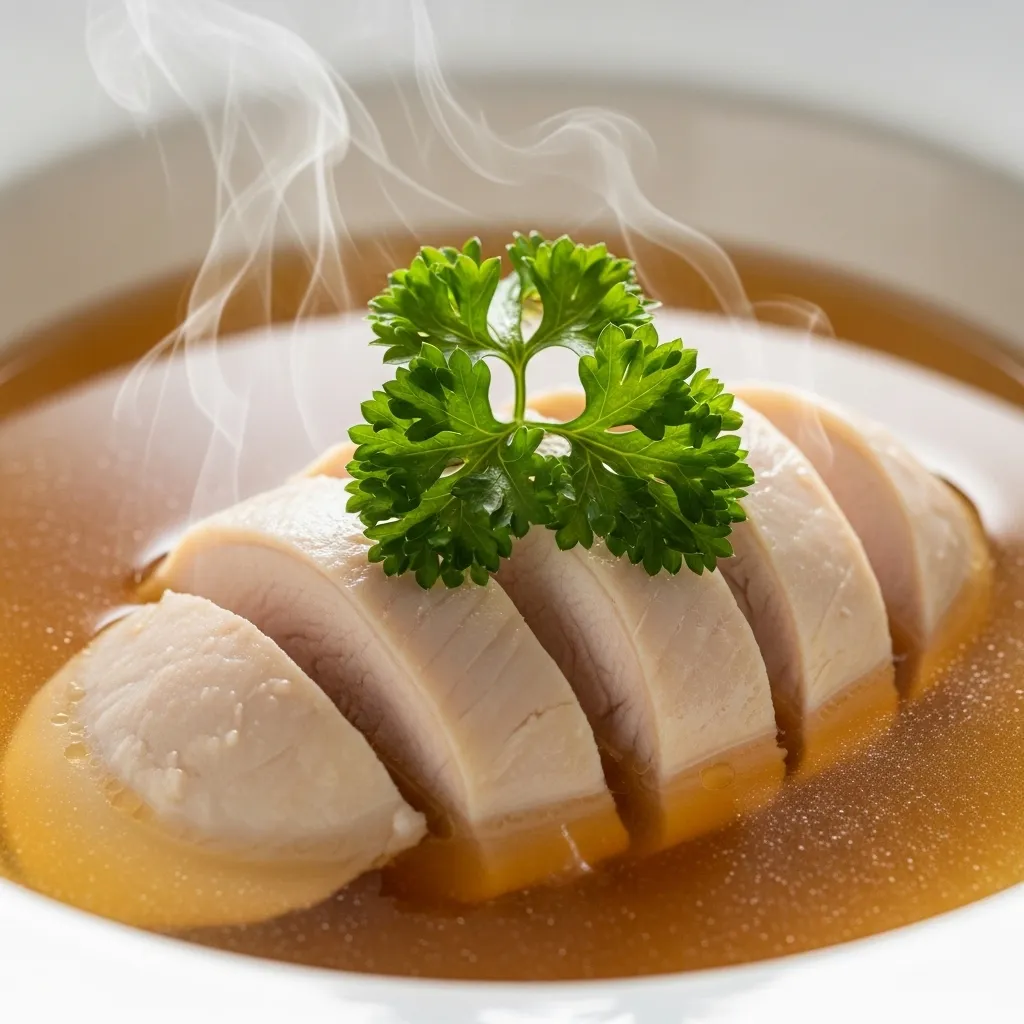
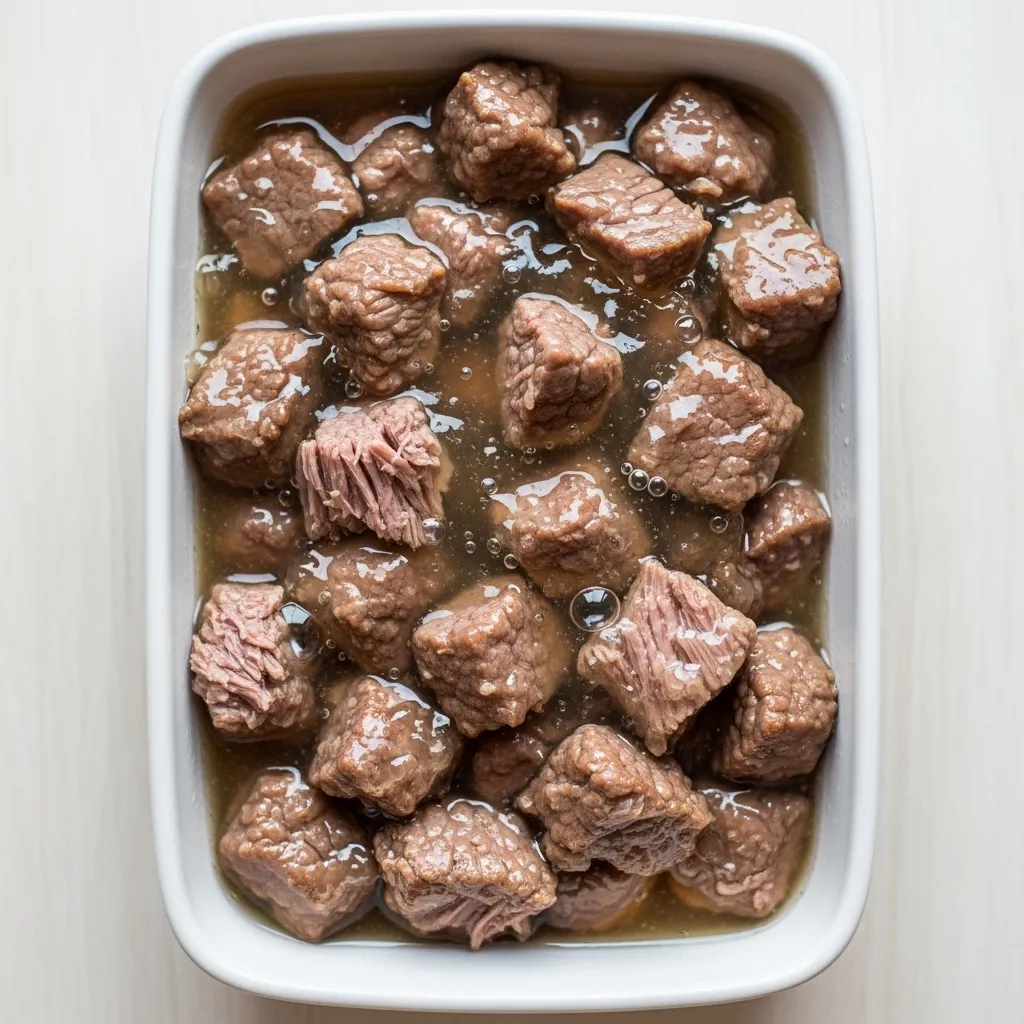
This is the simplest and most gentle option you can make yourself. I boil a boneless, skinless chicken breast until it is fully cooked. Then, I shred it into tiny, soft pieces with two forks.
The best part is the leftover broth. I let it cool completely and skim off any fat. Pour a little warm broth over the shredded chicken, and it becomes a soft, hydrating meal. It is very easy on sore teeth and smells amazing to picky eaters.
2. Pâté Style Wet Food
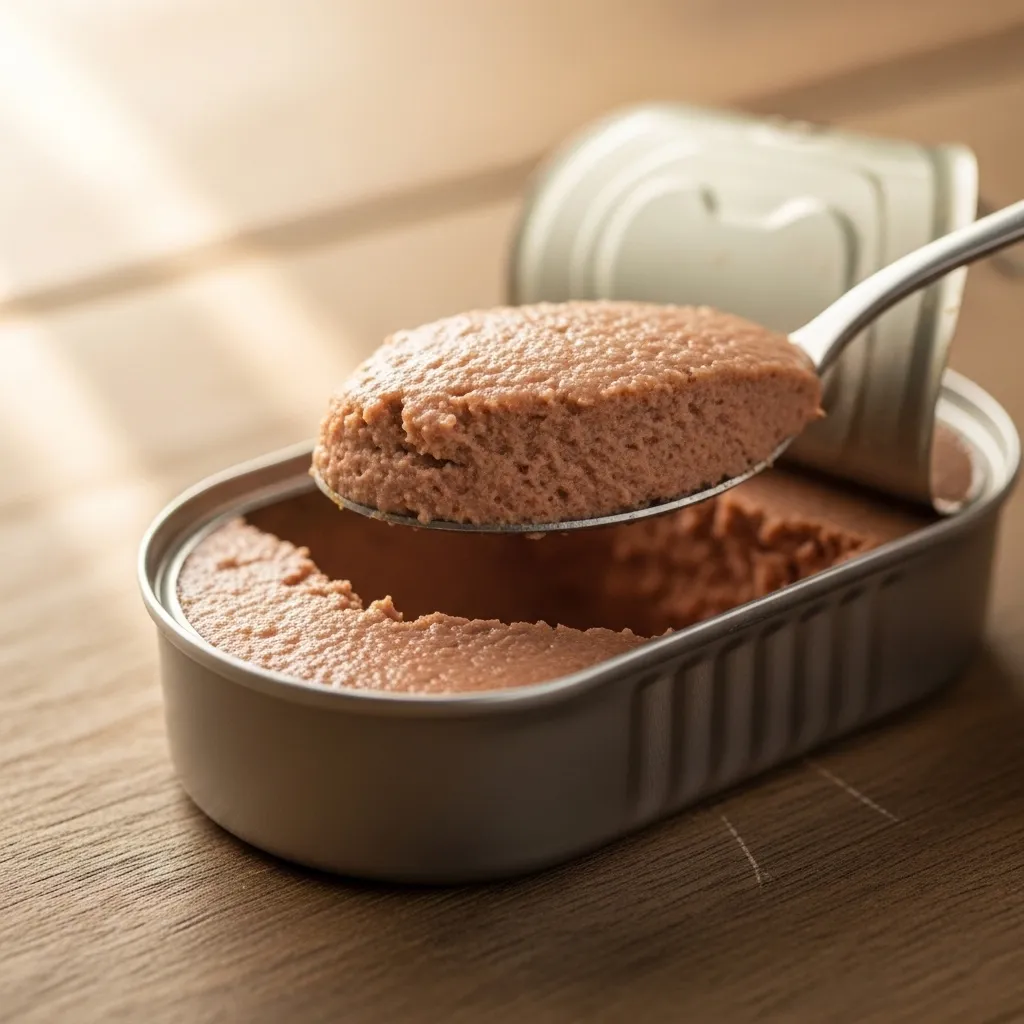
Pâté is a classic for a reason. It has a smooth, mousse-like texture that requires almost no chewing. My cat can just lick it right off the plate. Look for brands that list a single protein source, like chicken or turkey, as the first ingredient.
I like to mix a tablespoon of warm water into the pâté. This makes it even smoother and helps increase your cat’s water intake. It is a tiny trick that makes a big difference for their kidneys and digestion.
3. Shredded in Gravy
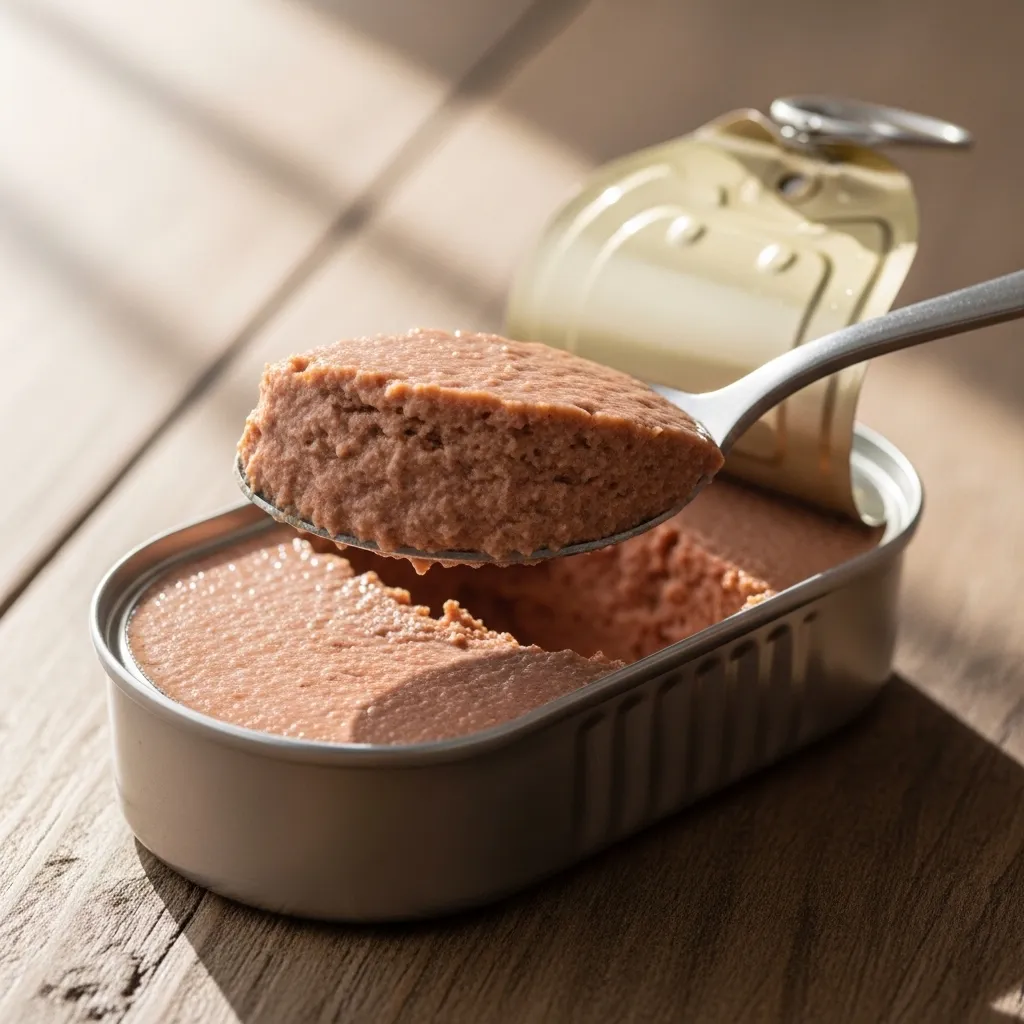
Some senior cats prefer a little texture but not hard chunks. Shredded food in gravy is perfect. The meat is cooked until it is very tender and falls apart easily. The gravy adds moisture and makes it irresistible.
I always check the gravy ingredients. You want a simple gravy, not one loaded with thickeners or artificial flavors. The shreds should be small enough that your cat can eat them with just a gentle press of the tongue.
4. Flaked Tuna or Salmon in Water
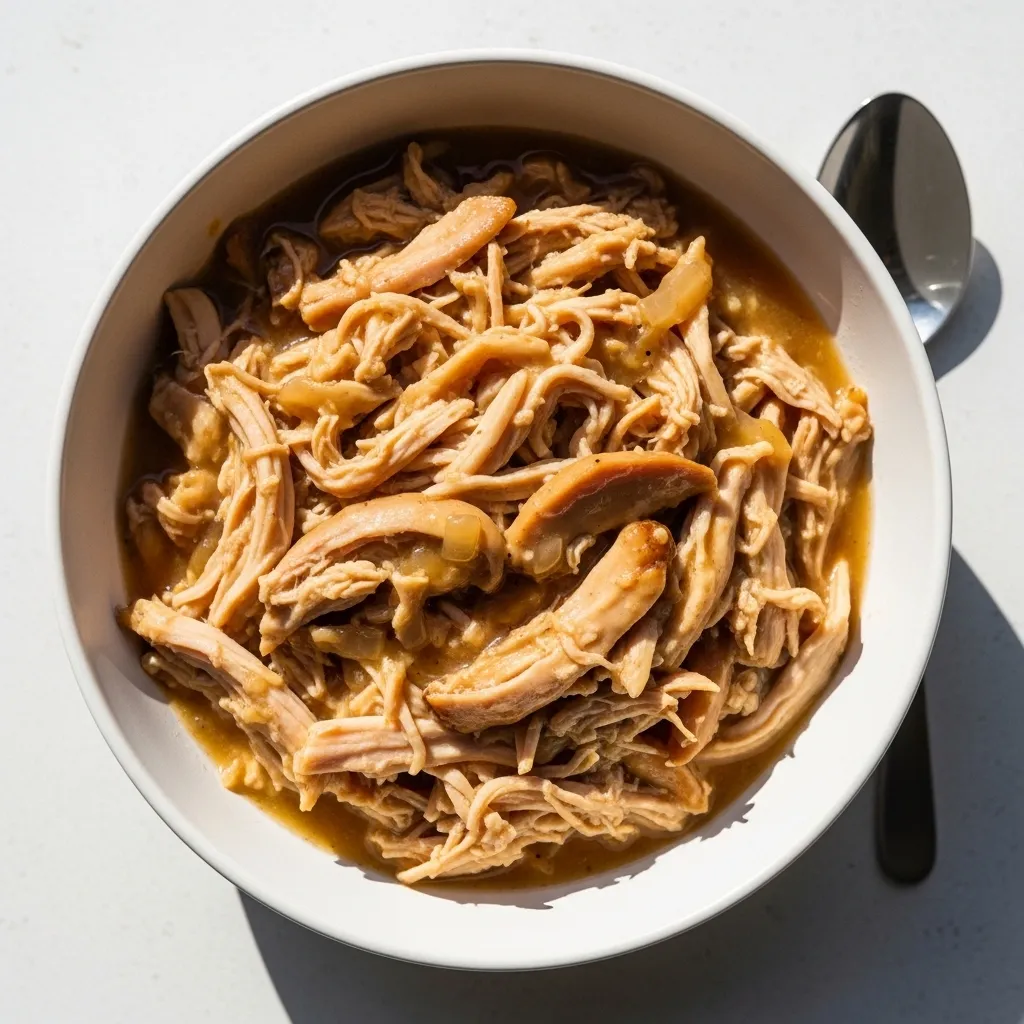
This is a great treat or topper for picky days. Canned tuna or salmon packed in water (not oil or brine) is very soft. I flake it up with a fork to make sure there are no large pieces. The smell is super strong, which is perfect for cats with a reduced sense of smell.
A little warning: this should not be a full daily meal. It can be high in certain minerals. I use it as a special topper on their regular soft food to encourage them to eat the whole bowl.
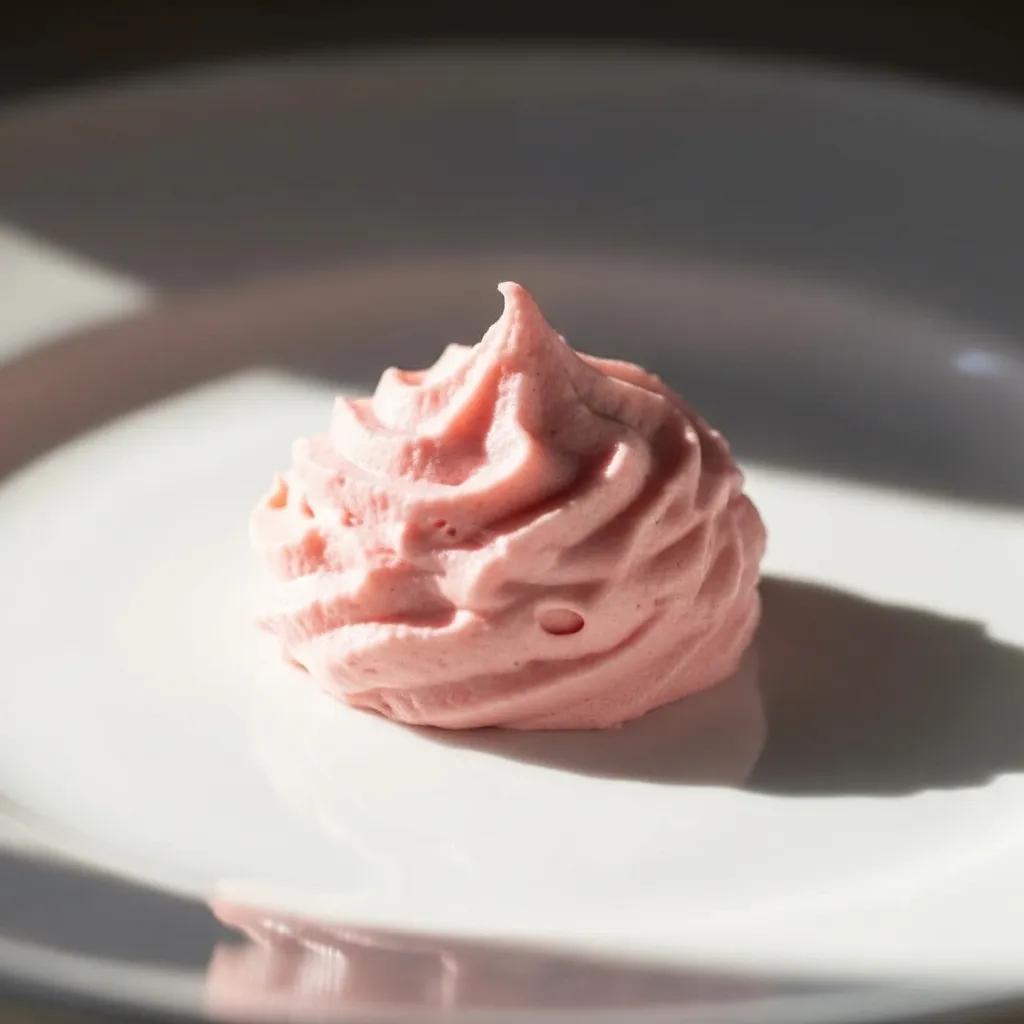
5. Soft Cat Food Mousse
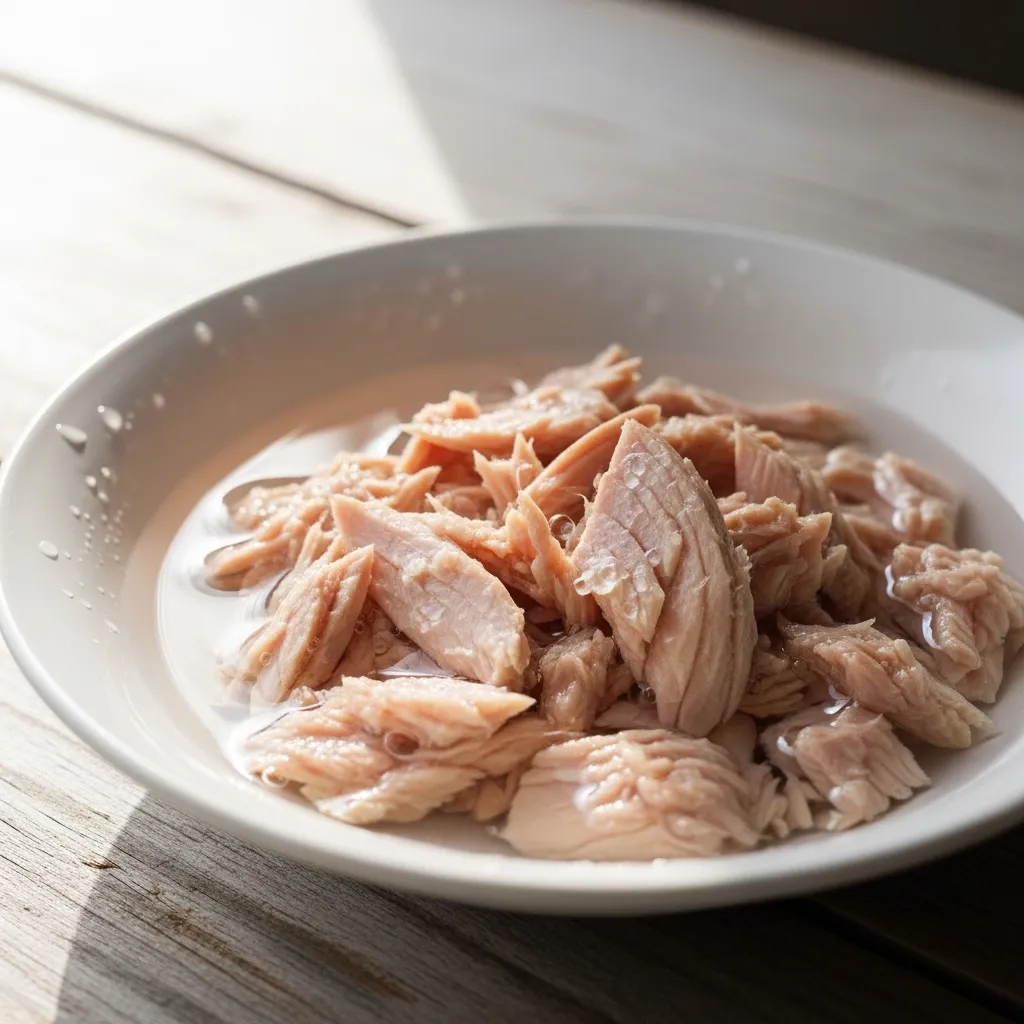
Mousse is even lighter and fluffier than pâté. It is like a meaty cloud. I found this to be the best option for cats who have missing teeth or very sensitive gums. They can literally drink it if you add just a bit of warm water.
Many mousse recipes are high in protein and low in carbohydrates, which is great for maintaining muscle mass in older cats. I love how easy it is to portion out and store in the fridge.
6. Dehydrated Raw Food (Rehydrated)
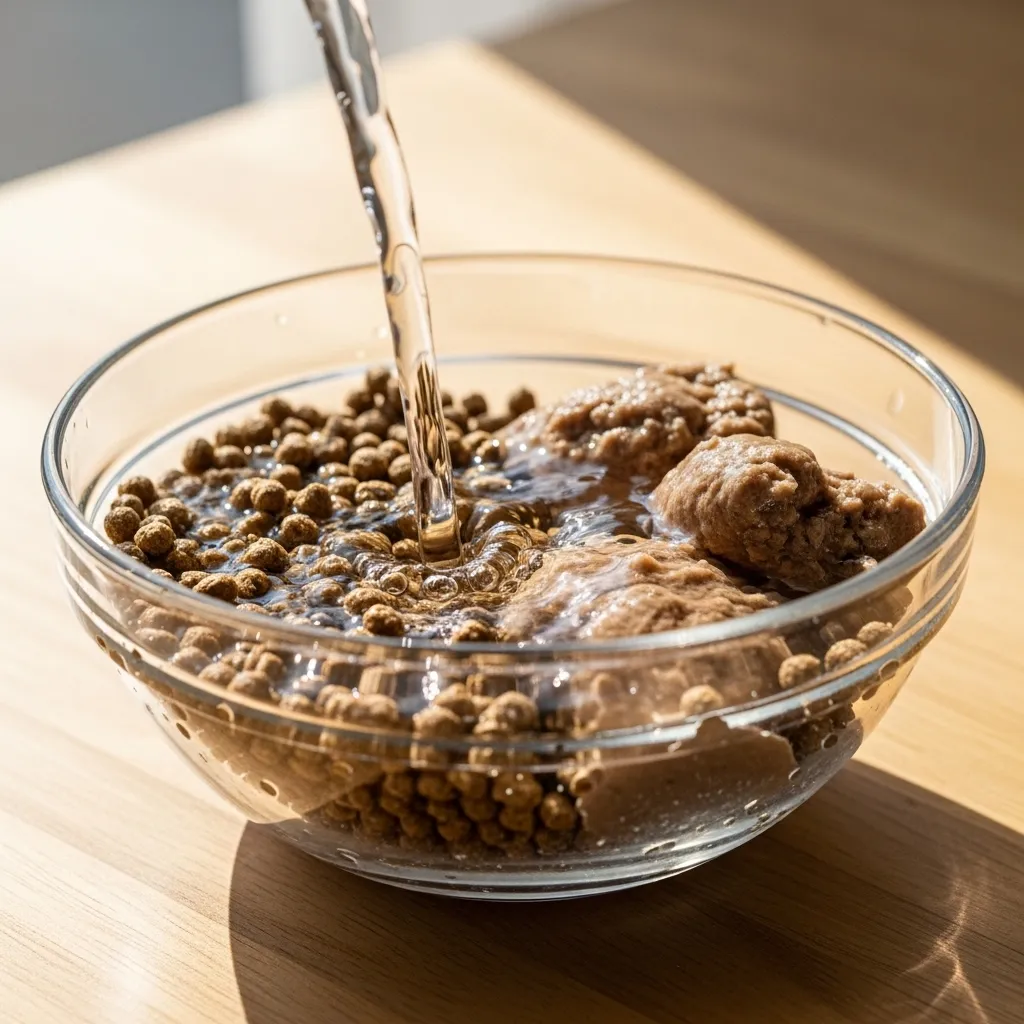
This might sound fancy, but it is very practical. Dehydrated raw food comes as dry pellets or powder. The trick is to add warm water and let it sit for a few minutes. It becomes a soft, mushy, highly nutritious meal.
The texture is completely customizable. If your cat needs it very soft, just add more water. I like that I can control the moisture level perfectly. It feels like a real, fresh meal without the prep work of raw meat.
7. Broth-Based Stews
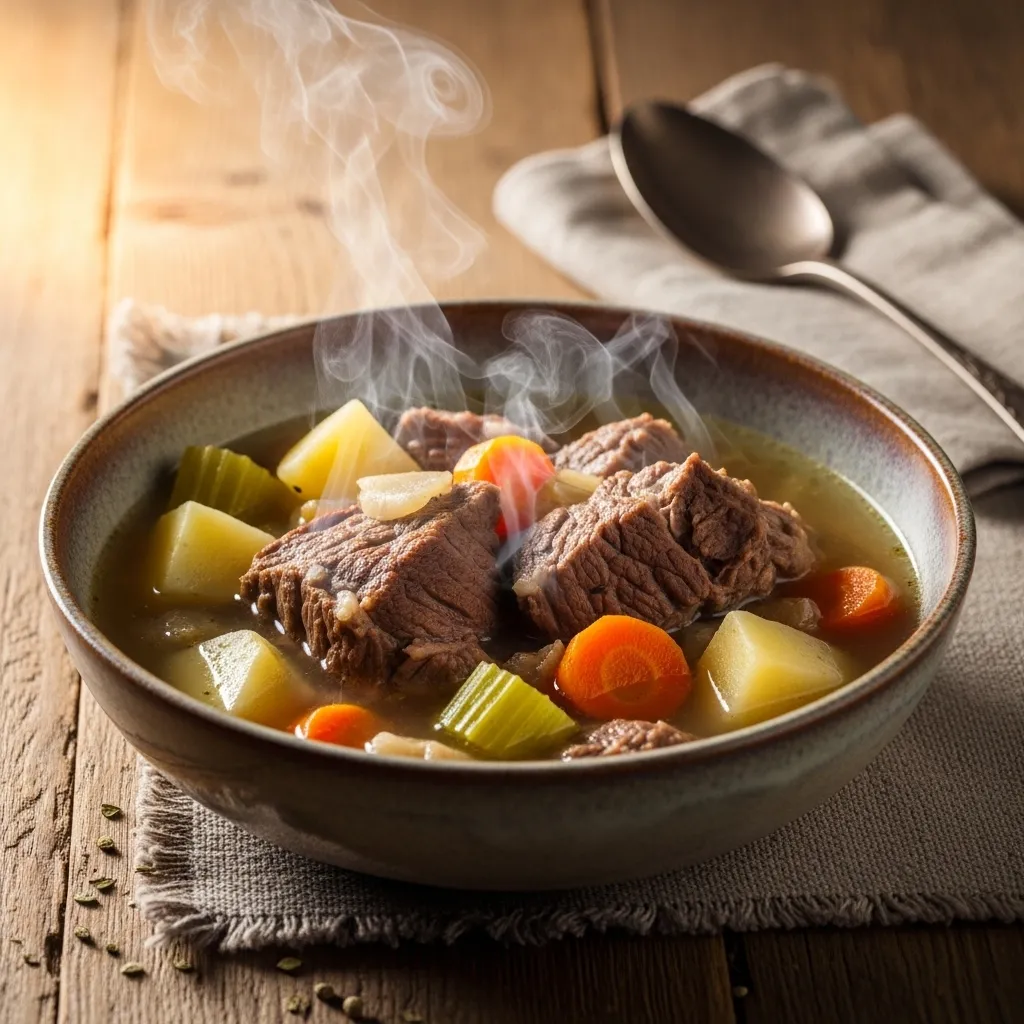
These are like a warm soup for your cat. They contain small, soft pieces of meat or fish floating in a thick, savory broth. The broth is the star here. It encourages drinking and is very soothing for a sore throat or mouth.
I look for stews that have simple, clean ingredients. No onion or garlic powder. Just broth and meat. I sometimes warm it up for ten seconds in the microwave (stirring well) to make it extra cozy.
8. Baby Food (Meat Only)
This is my secret weapon for sick days. Plain, stage 1 or stage 2 meat baby food (like chicken or turkey) is incredibly smooth. It has no added spices or salt. It is basically pureed meat. It is super easy to eat.
Always check the label. It must be only meat and water or broth. No onion powder, no garlic, no starch. I use this as a temporary meal or a topper, not a long-term solution, because it may not be fully balanced for daily feeding.
9. Chunks in Jelly or Gravy
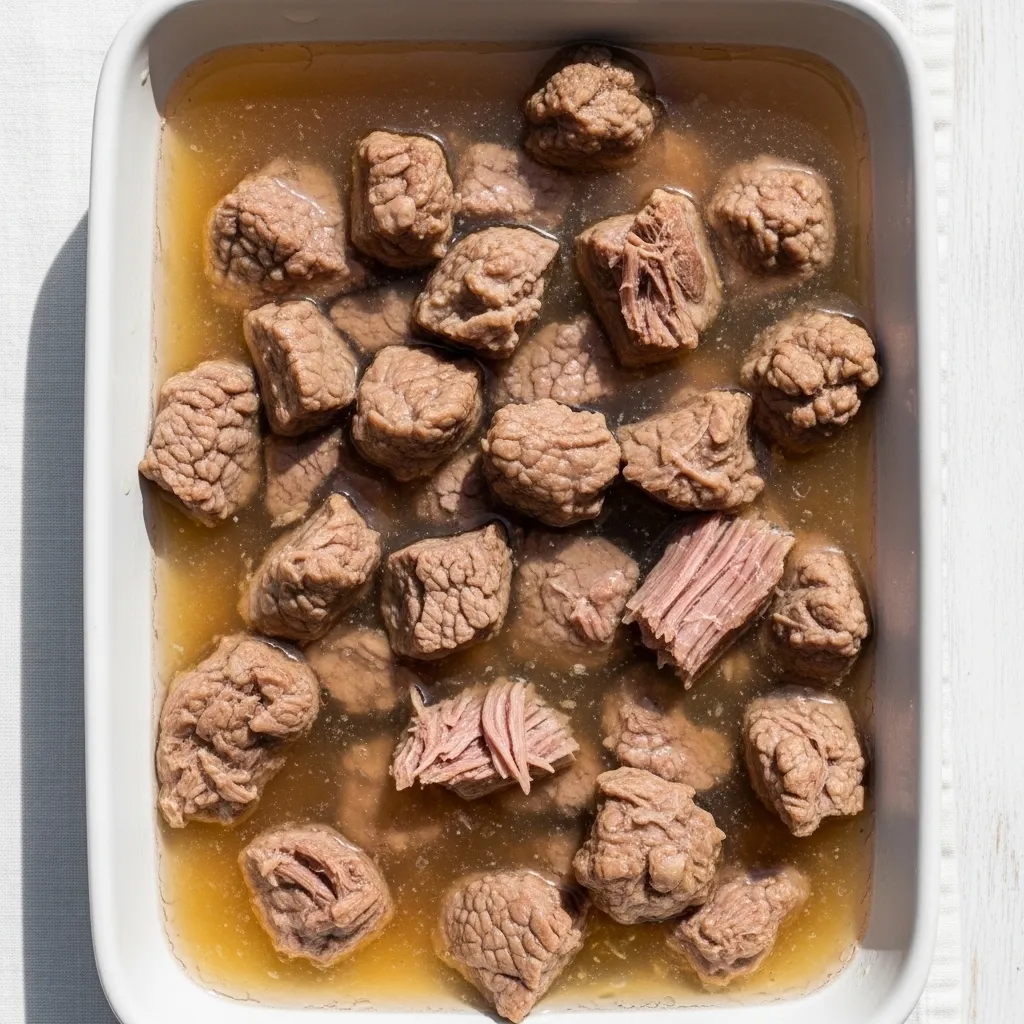
Some cats like a bit of chew. Chunks in jelly or gravy offer soft, small pieces that hold their shape but are very tender. The jelly or gravy adds moisture and flavor. I find these are great for cats who are still active but have some dental issues.
I break the chunks up slightly with a fork before serving. This ensures there are no big pieces that could be hard to manage. It is a nice middle ground between pâté and shredded food.
10. Prescription Soft Diets
Sometimes, your vet will recommend a specific soft diet. These are formulated for cats with kidney disease, hyperthyroidism, or other age-related conditions. They are usually very soft and palatable. My vet helped me pick the right one for Mochi’s kidney health.
These diets are often available as pâtés or soft chunks in gravy. They are designed to be easy to eat while supporting specific health needs. It is always worth asking your vet if a prescription soft food is right for your senior friend.
Conclusion: A Happy Meal for a Happy Senior
Finding the right food for an old cat is an act of love. It takes a little patience and a lot of trial and error. I have seen Mochi go from barely touching her food to licking her bowl clean. The soft texture made all the difference.
Listen to your cat. Watch their body language. If they walk away from hard food, do not force it. Try one of these soft options. A happy meal means a happy, healthy senior cat. You both deserve that peace of mind at dinnertime.
Frequently Asked Questions
1. Can I just blend my cat’s regular dry food?
Yes, you can. Add warm water or low-sodium chicken broth to dry kibble and let it soak until it becomes mushy. Then blend or mash it. This is a quick fix, but it is not as nutrient-dense as a wet food diet.
2. How can I tell if my senior cat’s mouth hurts?
Look for signs like dropping food, pawing at the mouth, bad breath, or eating only on one side of the mouth. If you see these, a trip to the vet and a switch to soft food is a good idea.
3. Is soft food bad for my cat’s teeth?
Not really. For senior cats, the benefits of eating easily outweigh the lack of crunch. You can still offer dental treats or a vet-approved dental water additive to help with oral hygiene.
4. How often should I feed my senior cat soft food?
Most senior cats do well with 2 to 3 small meals a day. Soft food spoils faster than dry kibble, so do not leave it out for more than an hour. Follow the feeding guide on the can for your cat’s weight.
5. My cat is losing weight. Is soft food enough?
Soft food can be very calorie-dense, but if your cat is losing weight, talk to your vet. They might recommend a high-calorie soft food or a specific supplement. The texture is important, but the nutrition is just as vital.