13 Dog First Aid Basics Every Owner Should Learn (Before You Ever Need Them)
I’ll never forget the night my dog ate something he shouldn’t have. My heart raced, my hands shook, and I realized I had no clue what to do first. That panic taught me something important: dog first aid isn’t just for vet techs or super-prepared pet parents. It’s for all of us who love a dog.
Most emergencies happen at home, on a walk, or in the backyard. The good news? You don’t need a medical degree. You just need a few simple skills and the confidence to act. These 13 basics have helped me feel calmer and more capable—and they can do the same for you.
So grab a notebook, save this pin, and take five minutes to learn. Your future self (and your dog) will thank you.
1. Build a Dog First Aid Kit Before You Need It
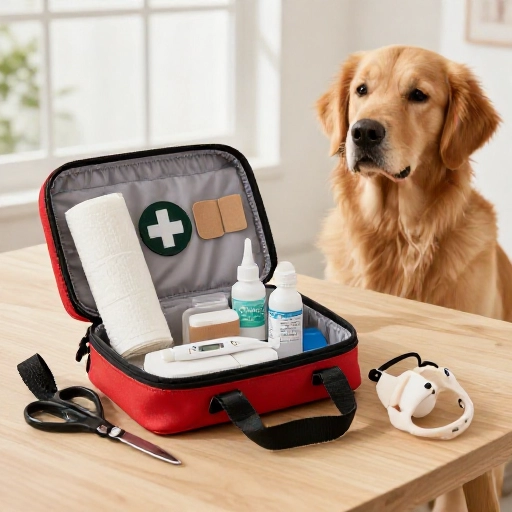
I keep two kits—one at home, one in my car. A small plastic bin works fine. Stock it with gauze, self-adhesive wrap, medical tape, antiseptic wipes, tweezers, nail clippers, a digital thermometer, and a muzzle (even gentle dogs may snap when hurt).
Add a copy of your vet’s number and a pet first aid book. Check expiration dates every few months. It takes five minutes, but it saves precious time when you’re stressed.
Don’t forget a spare leash and a blanket. They help with restraint and warmth.
2. Learn How to Check Your Dog’s Vital Signs
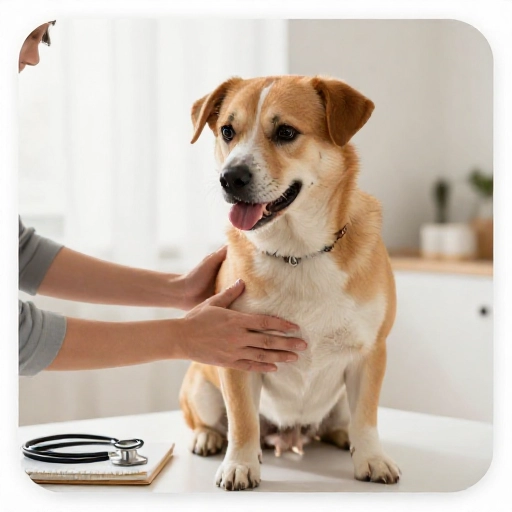
Know what’s normal for your dog. Heart rate is usually 60–140 beats per minute—smaller dogs tend to be faster. Breathing is 10–30 breaths per minute. Temperature runs 101–102.5°F.
Practice when your dog is calm. Feel the pulse on the inside of the thigh. Check gum color: pink and moist is good. Pale, blue, or white is an emergency.
Press a gum gently and see how fast color returns. One to two seconds is normal. Longer means trouble.
3. Master the ABCs: Airway, Breathing, Circulation
This is your quick check. Is the airway clear? Is the dog breathing? Is there a pulse? If not, start CPR. For dogs, chest compressions go 100–120 per minute. Press about one-third to one-half the depth of the chest.
If you’re alone, give 2 rescue breaths every 30 compressions. Only do CPR if you’re sure the dog isn’t breathing and has no pulse.
Take a pet CPR class if you can. Hands-on practice beats reading every time.
4. Control Bleeding Without Making It Worse
Direct pressure is your best friend. Use a clean cloth or gauze. Press firmly for at least 3 minutes. Don’t peek. If blood soaks through, add more layers—don’t remove the first ones.
For leg wounds, elevate if possible. Tourniquets only for severe, life-threatening bleeding on limbs and only if you’ve been trained. Then get to the vet.
Stay calm. Your dog picks up on your energy.
5. Handle Choking Calmly and Quickly
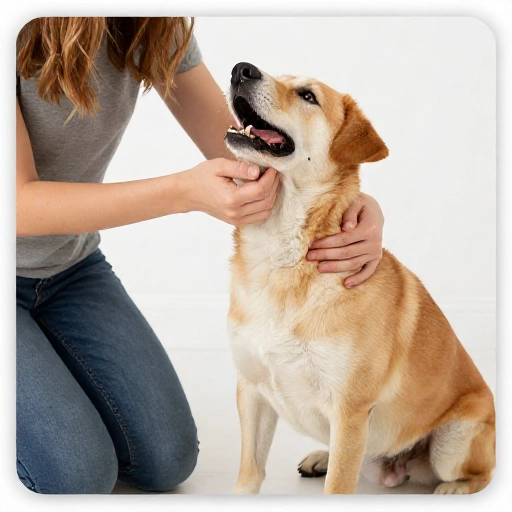
Signs include pawing at the mouth, gagging, blue gums, and collapse. If your dog can cough, let them. Coughing means air is moving. If they can’t, open the mouth and look.
Only sweep with a finger if you see the object. Blind sweeps can push it deeper. For small dogs, hold them upside down and give 5 back blows between the shoulder blades. For large dogs, use a Heimlich-style thrust just behind the rib cage.
Then get to the vet, even if the object comes out. Internal damage can happen.

6. Treat Minor Cuts and Scrapes at Home
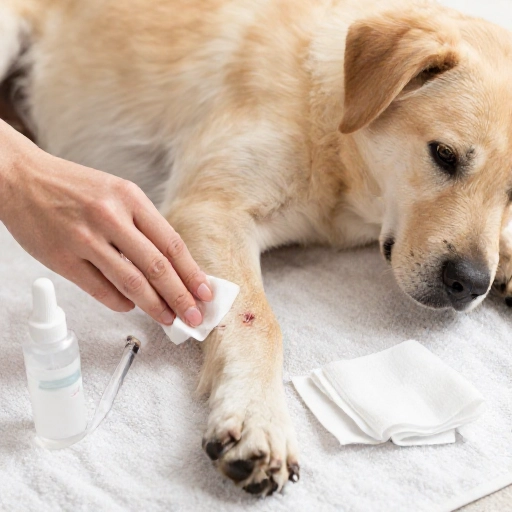
First, muzzle if needed. Clean with warm water or saline. Use a pet-safe antiseptic—not hydrogen peroxide or alcohol, which damage tissue. Apply a thin layer of antibiotic ointment made for pets.
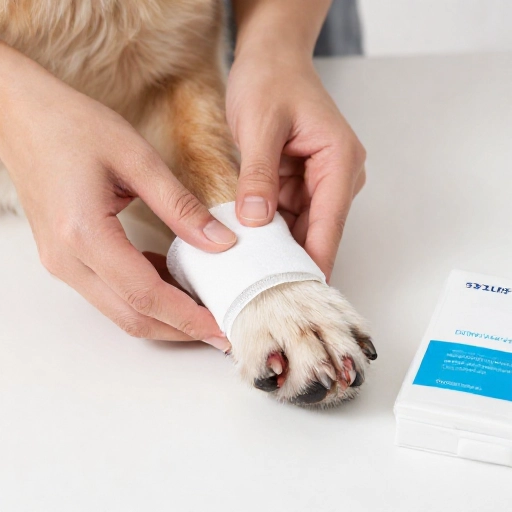
Cover with a non-stick pad and self-adhesive wrap. Change daily. If the cut is deep, won’t stop bleeding, or looks infected (red, swollen, pus), call the vet.
Keep your dog from licking. A cone or a light bandage helps.
7. Recognize and Respond to Shock
Shock is a drop in blood flow. Signs: pale gums, rapid weak pulse, cold limbs, confusion, collapse. Keep your dog warm with a blanket. Lay them flat, head slightly lower than the body if there’s no spinal injury.
Don’t give food or water. Get to the vet immediately. Shock can kill fast, so don’t wait.
Even if your dog seems to perk up, still go. Shock can be sneaky.

8. Deal With Burns and Hot Spots
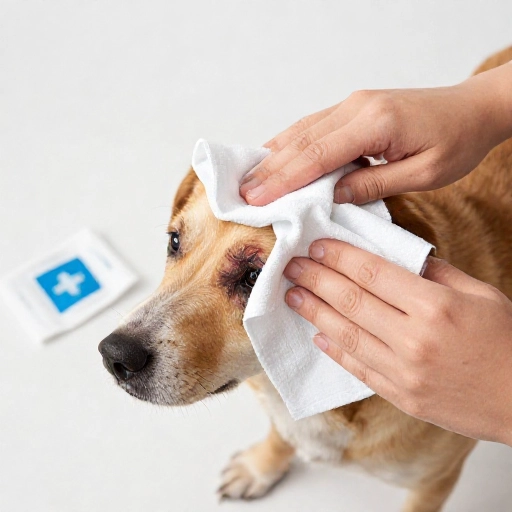
For burns, cool with room-temperature water for 10–15 minutes. Don’t use ice. Don’t pop blisters. Cover with a clean, damp cloth.
Hot spots are moist, red, itchy patches. Clip hair around them, clean with a gentle pet-safe cleanser, and prevent licking with a cone.
See the vet if they spread or smell bad. They can get worse fast.
9. Know Common Toxins and What to Do
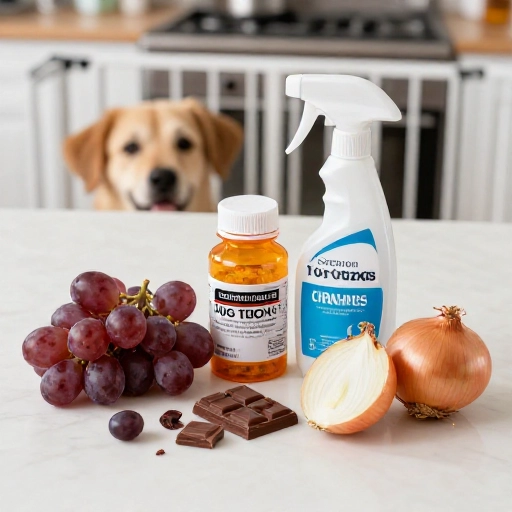
Chocolate, grapes, raisins, xylitol, onions, garlic, and some houseplants are dangerous. Also watch for human meds like ibuprofen and acetaminophen.
If you suspect poisoning, call your vet or a pet poison hotline right away. Don’t induce vomiting unless told to. Some toxins cause more damage coming up.
Bring the packaging or a sample if you can. It helps the vet act faster.
10. Handle Broken Bones and Sprains
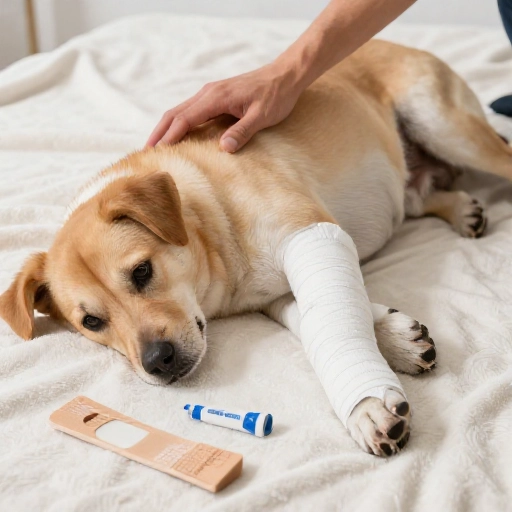
Don’t try to splint unless you know how. Keep your dog still. Use a makeshift stretcher—a board or a blanket. Muzzle them, because pain can make even sweet dogs bite.
Support the injured limb with a towel or rolled magazine. Don’t let them walk on it. Get to the vet.
If you’re unsure, treat it like a break. Better safe than sorry.
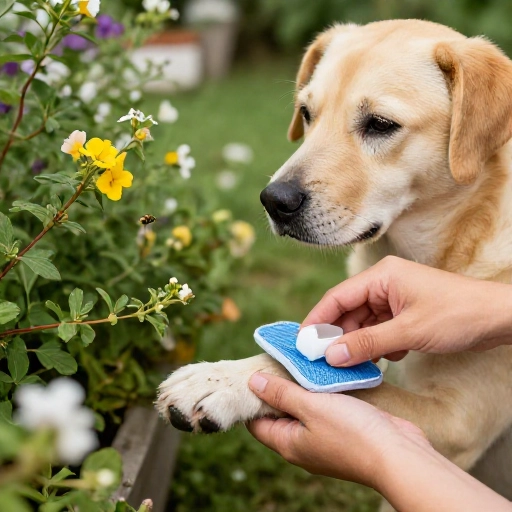
11. Treat Insect Stings and Allergic Reactions
Stings cause swelling, pain, and sometimes hives. Remove the stinger by scraping with a credit card—don’t squeeze. Apply a cold pack.
For mild reactions, Benadryl (diphenhydramine) can help, but ask your vet for the right dose. For facial swelling, trouble breathing, or collapse, it’s an emergency. Go now.
Keep an eye out for bees and wasps on walks. I always carry a small antihistamine in my kit.
12. Manage Heatstroke and Cold Exposure
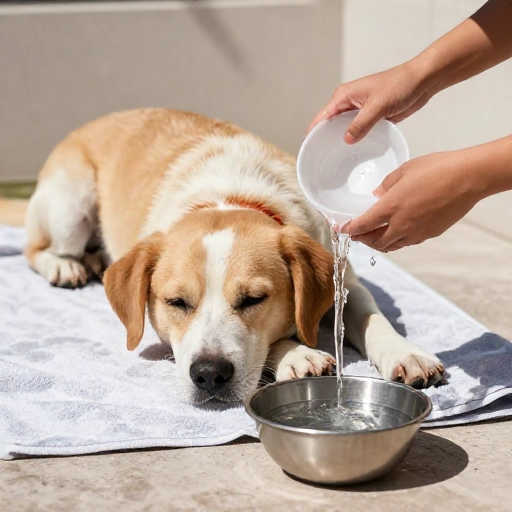
Heatstroke signs: heavy panting, drooling, bright red gums, wobbling. Move to shade, pour cool water on belly and paws, and use a fan. Don’t use ice-cold water. Get to the vet.
Cold exposure signs: shivering, lethargy, stiffness. Warm gradually with blankets and body heat. No direct heat like a hair dryer.
Prevention is easiest. Avoid hot pavement and long walks in extreme weather.
13. Know When to Call the Vet and How to Transport Safely
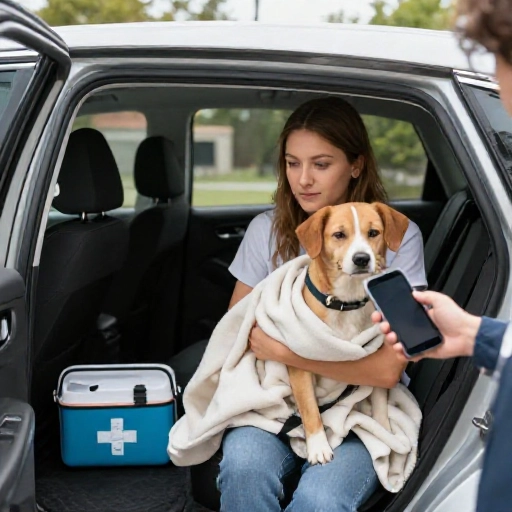
Always call ahead. Describe the symptoms. They can prepare for your arrival. For transport, use a crate or a flat board. Secure your dog. Keep them warm.
Don’t let them jump out of the car. Don’t offer food or water unless told. If you’re unsure, call. It’s never a waste of time.
Program your vet’s number and an emergency clinic into your phone right now. You’ll be glad you did.
Final Thoughts
You don’t need to memorize everything today. Learn a few basics, keep a kit handy, and save your vet’s number. Practice when your dog is calm.
The more prepared you are, the less scary emergencies feel. And that calm energy helps your dog too. You’ve got this.
Frequently Asked Questions
Q: What should I put in a dog first aid kit?
A: Gauze, self-adhesive wrap, medical tape, antiseptic wipes, tweezers, nail clippers, a digital thermometer, a muzzle, and your vet’s number. Add a pet first aid book and a spare leash.
Q: Can I give my dog human pain meds?
A: No. Many human pain meds like ibuprofen and acetaminophen are toxic to dogs. Always ask your vet first.
Q: How do I know if my dog is in shock?
A: Look for pale gums, cold limbs, a rapid weak pulse, confusion, or collapse. Keep them warm and get to the vet immediately.
Q: Should I induce vomiting if my dog ate something toxic?
A: Only if a vet tells you to. Some toxins cause more damage coming up. Call your vet or a pet poison hotline first.
Q: How often should I check my dog’s vital signs?
A: Once a month when your dog is calm. That way you know what’s normal and can spot changes faster.