Which Big Dog Breed Matches Your Lifestyle? (Take This Fun Quiz)
Thinking about adding a giant, fluffy, or muscular best friend to your life? I get it. Big dogs have a special kind of charm. They’re loyal, often surprisingly gentle, and they make the best cuddle buddies on the couch. But let’s be real—owning a large breed is a big commitment. They eat a lot, they need space, and their exercise needs can be intense.
Before you fall in love with a pair of soulful eyes at the shelter, you need to ask yourself the hard questions. Do you live in an apartment or a house with a yard? Are you a marathon runner or a Netflix marathoner? Do you have kids, other pets, or a full-time job that keeps you out of the house?
I’ve broken down the most popular big dog breeds by lifestyle. Find the one that fits your world, not the other way around. Let’s find your perfect match.
1. The Couch Potato: The English Mastiff
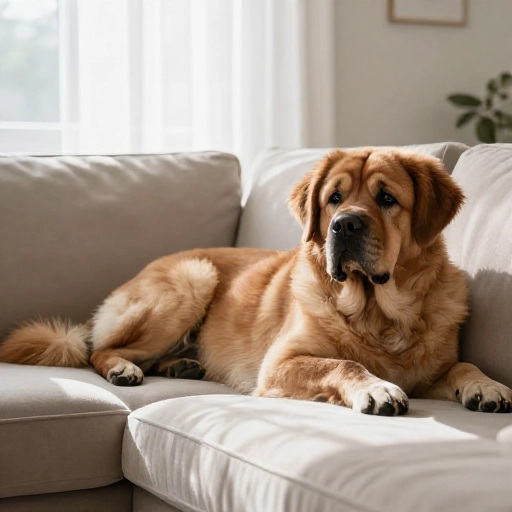
If your ideal weekend involves pajamas, snacks, and not moving from the sofa, meet the English Mastiff. These gentle giants are famously low-energy for their size. They are calm, dignified, and perfectly happy to snooze at your feet while you binge your favorite show.
Don’t let their size scare you. Mastiffs are incredibly affectionate with their families. They need a short daily walk, but they are not built for marathons. They are built for guarding the house and the snack bowl.
Best for: Apartment dwellers (yes, really, as long as you have an elevator) and laid-back families. Just be ready for drool and a food bill that might shock you.
2. The Adventure Buddy: The Siberian Husky
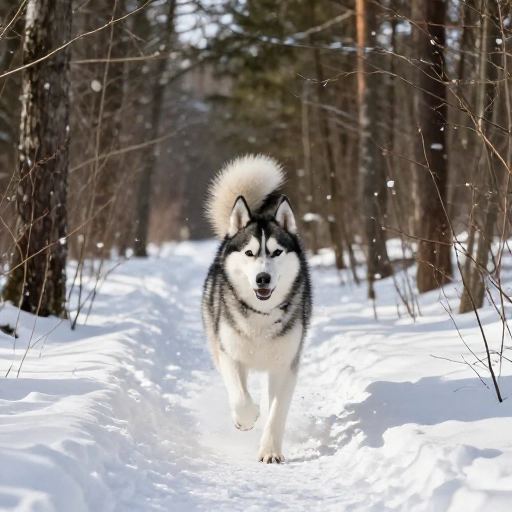
Do you dream of hiking trails, running trails, and exploring the great outdoors? The Siberian Husky is your partner in crime. These dogs were bred to pull sleds across frozen tundras. They have endless stamina and a thirst for adventure.
Huskies are escape artists. They will dig under fences, jump over them, and open doors. They also have a very loud, talkative personality. They do not bark; they howl and “talk” back to you. They are not for the faint of heart.
Best for: Active singles or couples with a fenced yard. Do not get a Husky if you hate vacuuming (they shed like crazy) or if you want a quiet, obedient dog.
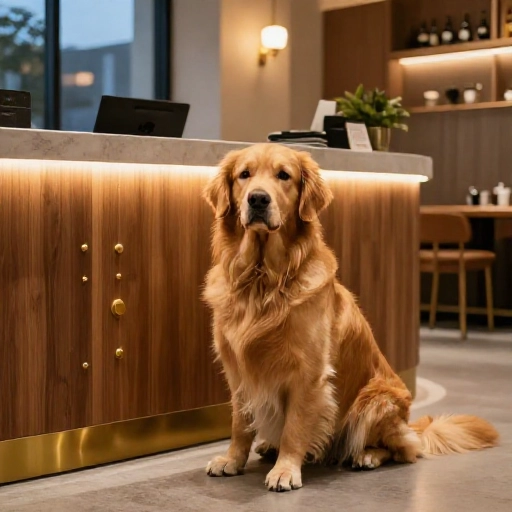
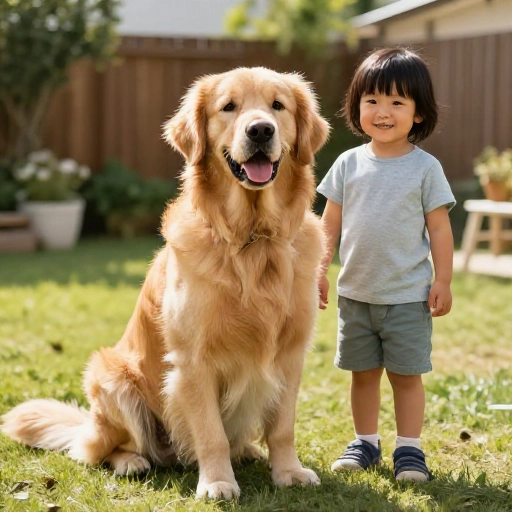
3. The Family Protector: The Golden Retriever
This is the classic all-American family dog for a reason. Golden Retrievers are patient, gentle, and incredibly good with kids. They are eager to please, which makes training them a breeze. They are also famously goofy and love to play fetch until your arm falls off.
Goldens need daily exercise and mental stimulation, but they are not hyperactive. They thrive on human companionship and do not do well left alone for long hours. They are also prone to chewing if bored.
Best for: Active families with children. They are perfect for first-time big dog owners. Just be ready for the shedding—it’s a constant battle.
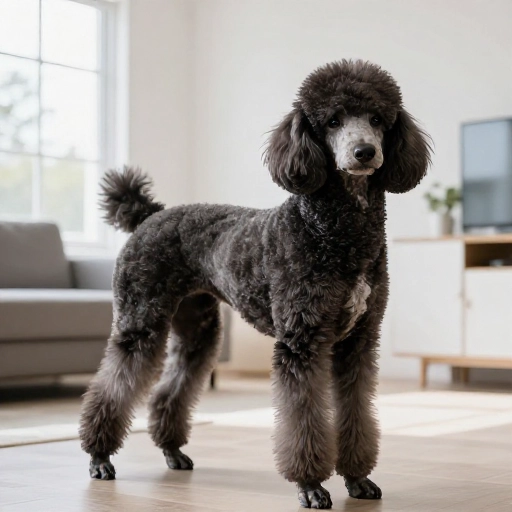
4. The Low-Shedding Choice: The Standard Poodle
Think Poodles are just fancy show dogs? Think again. Standard Poodles are incredibly smart, athletic, and playful. They are also one of the few large breeds that are hypoallergenic and shed very little. This makes them a top pick for people with allergies.
These dogs need a job to do. They excel at agility, obedience, and even hunting. They are sensitive and bond deeply with their owners. The grooming is high maintenance, though. You will need to brush them regularly and get professional haircuts every 6-8 weeks.
Best for: Active people who want a smart, clean dog. Great for families with older kids who can handle a bouncy young Poodle.
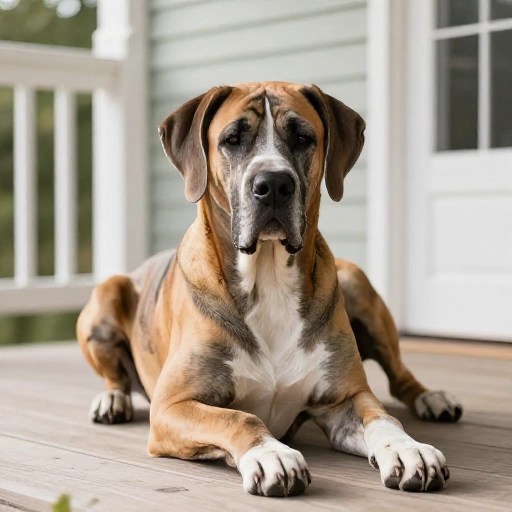
5. The Quiet Guardian: The Great Dane
Great Danes are known as “gentle giants.” They are tall, elegant, and surprisingly low-energy indoors. They make excellent watchdogs because they look intimidating, but they are usually very friendly with strangers. They are calm and affectionate with their family.
The biggest challenge with a Dane is their size. They need a large car, a big bed, and a lot of food. They also have a shorter lifespan (7-10 years) and can be prone to bloat, a serious stomach condition.
Best for: People with space and a calm lifestyle. They are great for apartment living if you have the square footage, but they need a soft spot to lie down.
6. The Work-from-Home Buddy: The Bernese Mountain Dog
If you work from home and want a calm, loyal companion by your side all day, look at the Bernese Mountain Dog. These fluffy giants are incredibly affectionate and thrive on being near their people. They are patient and gentle, making them great for households with kids and other pets.
Berner’s are not high-energy. They enjoy a good walk and some playtime, but they are just as happy to nap under your desk. They do shed heavily, especially during shedding season. They also have a shorter lifespan, often around 6-8 years.
Best for: Families or individuals who are home often and want a loving, low-key giant. They do best in cooler climates because of their thick coat.

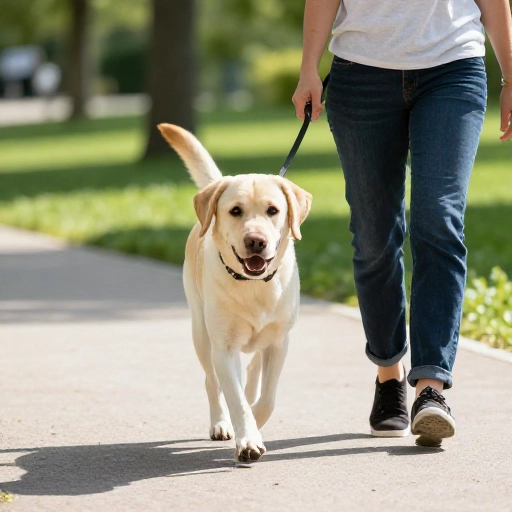
7. The Jogging Partner: The Labrador Retriever
The Labrador Retriever is the most popular dog breed in the US for a reason. They are energetic, friendly, and endlessly enthusiastic. If you are a runner or a hiker, a Lab will keep up with you. They love water, fetch, and any activity that involves movement.
Labs are food-motivated, which makes training easy, but it also means they can get overweight quickly. They need a consistent exercise routine. They are also very mouthy and love to carry things around, so invest in sturdy toys.
Best for: Active individuals or families who love the outdoors. They are great with kids and other dogs. Be ready for a high-energy puppy phase that lasts about two years.
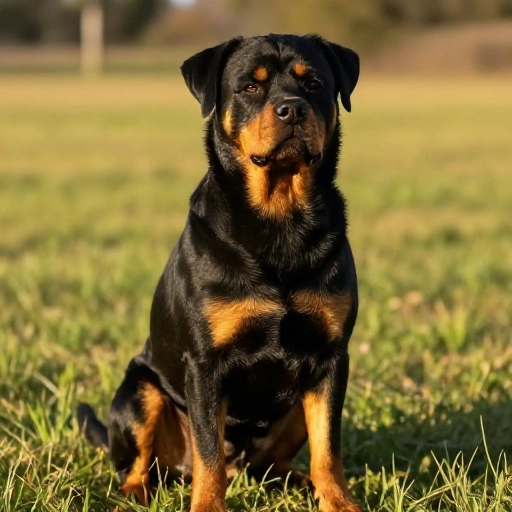
8. The Independent Thinker: The Rottweiler
Rottweilers are confident, loyal, and protective. They are not the dog for everyone. They are highly intelligent and can be stubborn if you do not establish clear leadership. With proper training and socialization, they are incredibly devoted family dogs.
Rottweilers are not overly energetic, but they need daily exercise and mental challenges. They are natural guard dogs and will be wary of strangers. They bond very closely with their family and can be very affectionate, often leaning on you for cuddles.
Best for: Experienced dog owners who can provide firm, consistent training. They are great for people who want a loyal protector and have time to invest in training.
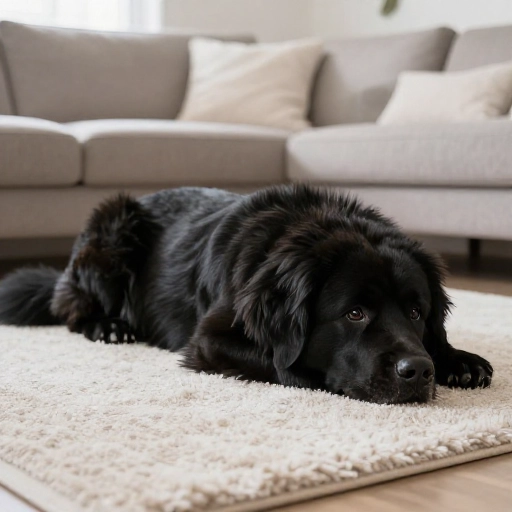
9. The Easygoing Lap Dog: The Newfoundland
Newfoundlands are giant, fluffy, and incredibly sweet-natured. They are often called “nature’s babysitters” because they are so gentle with children. They are also excellent swimmers and were bred to rescue people from the water. They are calm and patient.
These dogs are not high-energy. They love a good swim and a walk, but they are generally laid-back. The biggest issue is the drool and the shedding. They are massive, so they take up a lot of space and cost a lot to feed.
Best for: Families with kids who want a calm, protective giant. They are perfect for people with a house near water and a love for fluffy, slobbery dogs.
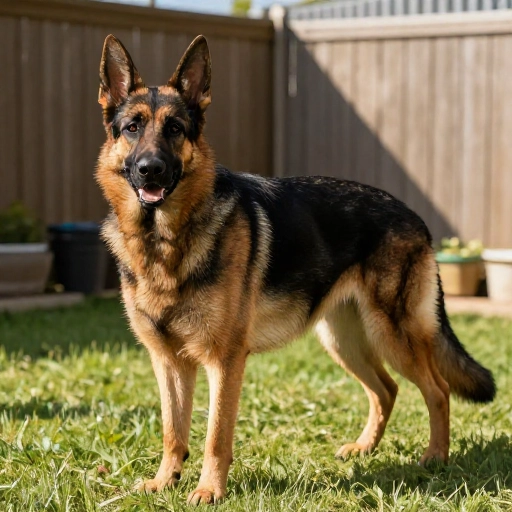
10. The Watchful Protector: The German Shepherd
German Shepherds are one of the most intelligent and versatile breeds. They are used as police dogs, service dogs, and family protectors. They are incredibly loyal and form a deep bond with their owner. They are always alert and ready to protect their home.
This breed needs a job. If you do not keep them mentally and physically stimulated, they can become destructive or anxious. They need daily training, long walks, and interactive games. They shed a lot and are not great with strangers unless socialized early.
Best for: Active individuals or families who want a loyal, trainable protector. They are best for owners who have experience with large, working breeds.
Conclusion: Your Perfect Big Dog is Out There
Choosing a big dog is a big decision, but it’s also one of the most rewarding things you can do. The key is honesty. Be honest about your energy level, your living space, and your time commitment.
Whether you want a lazy Mastiff or an adventurous Husky, there is a giant breed out there that will fit your life perfectly. Take your time, do your research, and when you find the right one, you will have a loyal friend for life.
Frequently Asked Questions About Big Dog Breeds
Q: Are big dogs good for apartment living?
Yes, some big dogs are great for apartments! Breeds like the English Mastiff and Great Dane are actually low-energy indoors. The key is making sure they get enough daily exercise outside, not just space inside.
Q: Which big dog breed is best for first-time owners?
The Golden Retriever and Labrador Retriever are excellent choices for first-time owners. They are eager to please, easy to train, and have a forgiving temperament. Just be ready for the shedding and the energy.
Q: Do big dogs cost more to own?
Yes, significantly more. You need to budget for larger food portions, bigger beds, larger crates, and higher medical costs. Vet bills for surgeries or medications are often based on weight, so they can be much higher.
Q: What is the most low-maintenance big dog breed?
The English Mastiff is often considered the most low-maintenance. They need minimal exercise, are calm indoors, and do not require a lot of grooming. The trade-off is the drool and the food bill.
Q: Which big dog breed lives the longest?
Generally, smaller dogs live longer, but some big breeds have decent lifespans. Standard Poodles often live 12-15 years. Labrador Retrievers and Golden Retrievers typically live 10-12 years. Giant breeds like Danes and Bernese Mountain Dogs have shorter lifespans, often 6-10 years.