10 Things to Know Before You Start Making Cat Food at Home
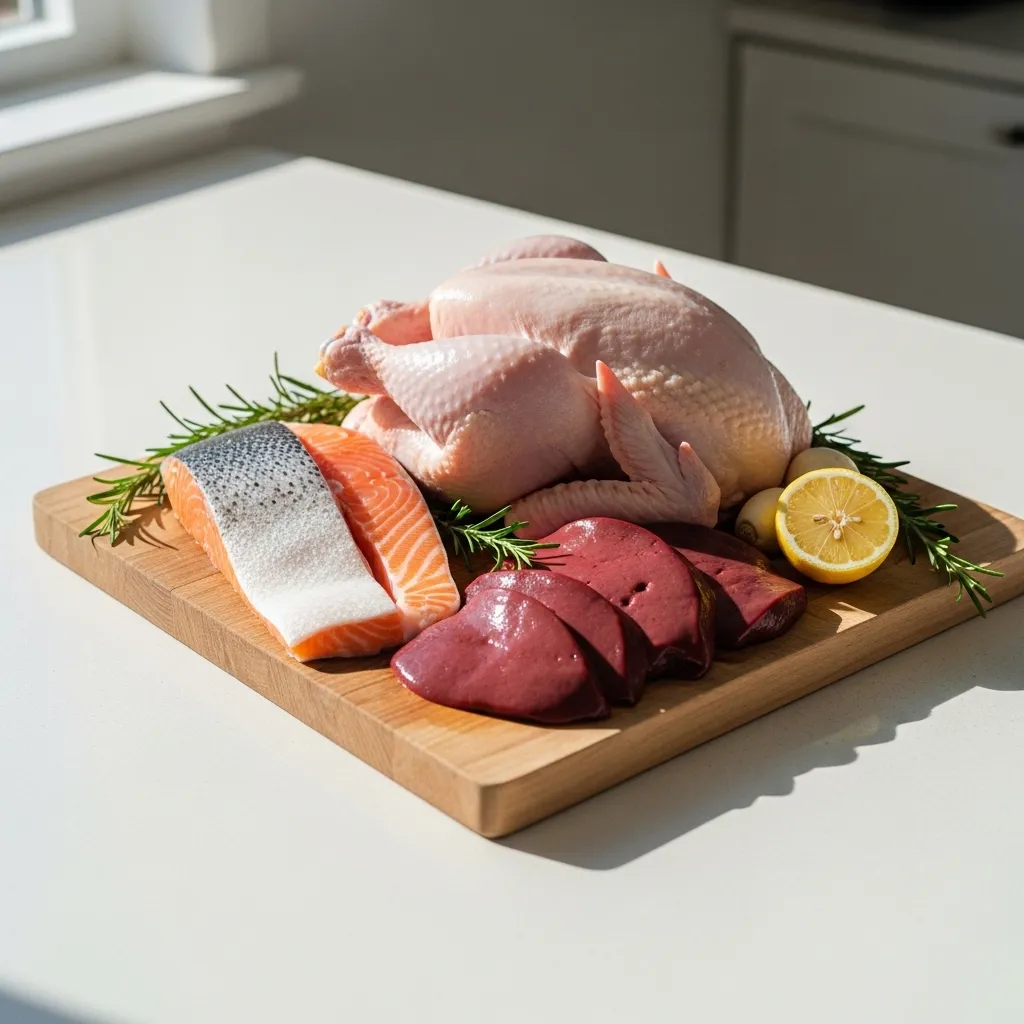
I started making my cat’s food about two years ago after a scary recall on a popular brand. Honestly, I was terrified at first. I worried about missing nutrients or accidentally hurting my picky little guy. But once I learned the basics, I felt so much more in control of what goes into his bowl.
If you’re thinking about switching to homemade cat food, you’re in the right place. It’s not as complicated as it sounds. You just need to know a few important rules first. Let me walk you through the top ten things I wish someone had told me on day one.
1. Cats Are Obligate Carnivores
This is the most important rule. Your cat’s body is designed to get nutrients from meat and animal tissues, not plants. Unlike dogs, cats need specific things like taurine, arachidonic acid, and vitamin A from animal sources.
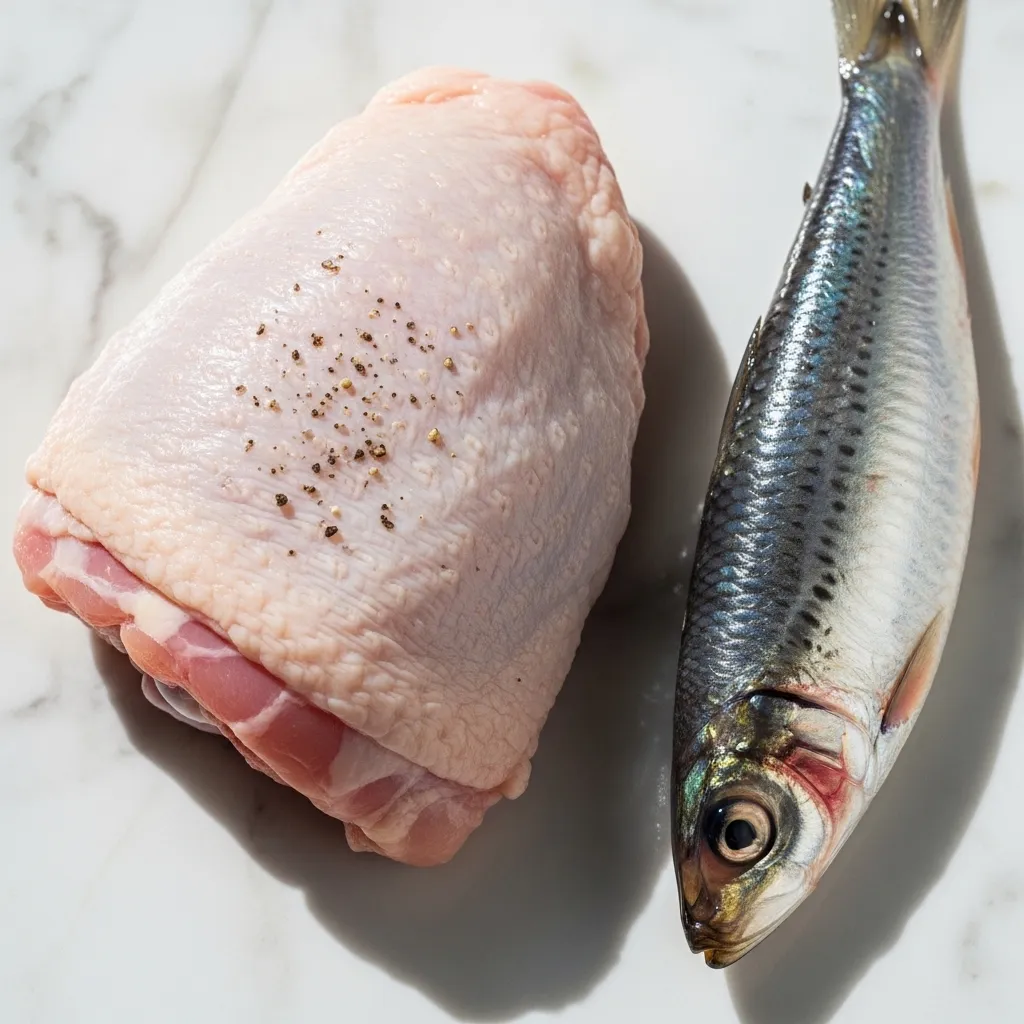
You can’t just throw some chicken breast in a bowl and call it a day. Their diet needs to be built around muscle meat, organs, and bones (or supplements). Always remember: cats are not small dogs. Their nutritional needs are totally different.
2. You Must Add Taurine Every Single Time
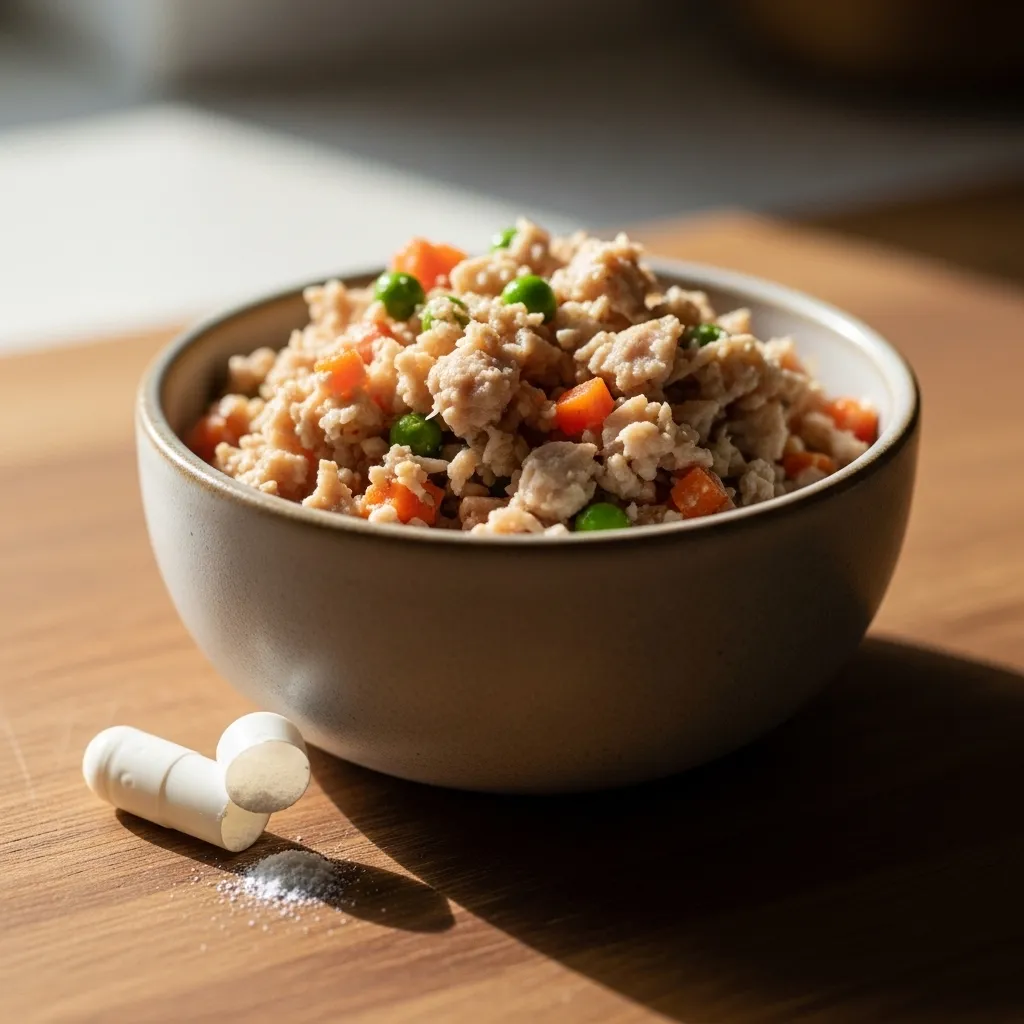
Taurine is an amino acid that cats cannot produce on their own. Without enough of it, they can develop serious heart problems and vision loss over time. Commercial cat food has it added, but when you cook meat at home, a lot of the natural taurine gets destroyed by heat.
I always keep a bottle of taurine powder in my kitchen. A tiny pinch per meal makes a huge difference. Don’t skip it, and don’t assume your cat is getting enough from treats or other sources.
3. Balance Over Time, Not Per Meal
When I first started, I stressed about every single bowl being perfectly balanced. That’s not how it works. Cats can handle some variation as long as the overall diet is complete over a few days or a week.
So if one meal is mostly chicken thigh and another is heavy on liver, that’s okay. Just make sure you’re rotating proteins and including the right organs regularly. Your cat’s body is smarter than you think.
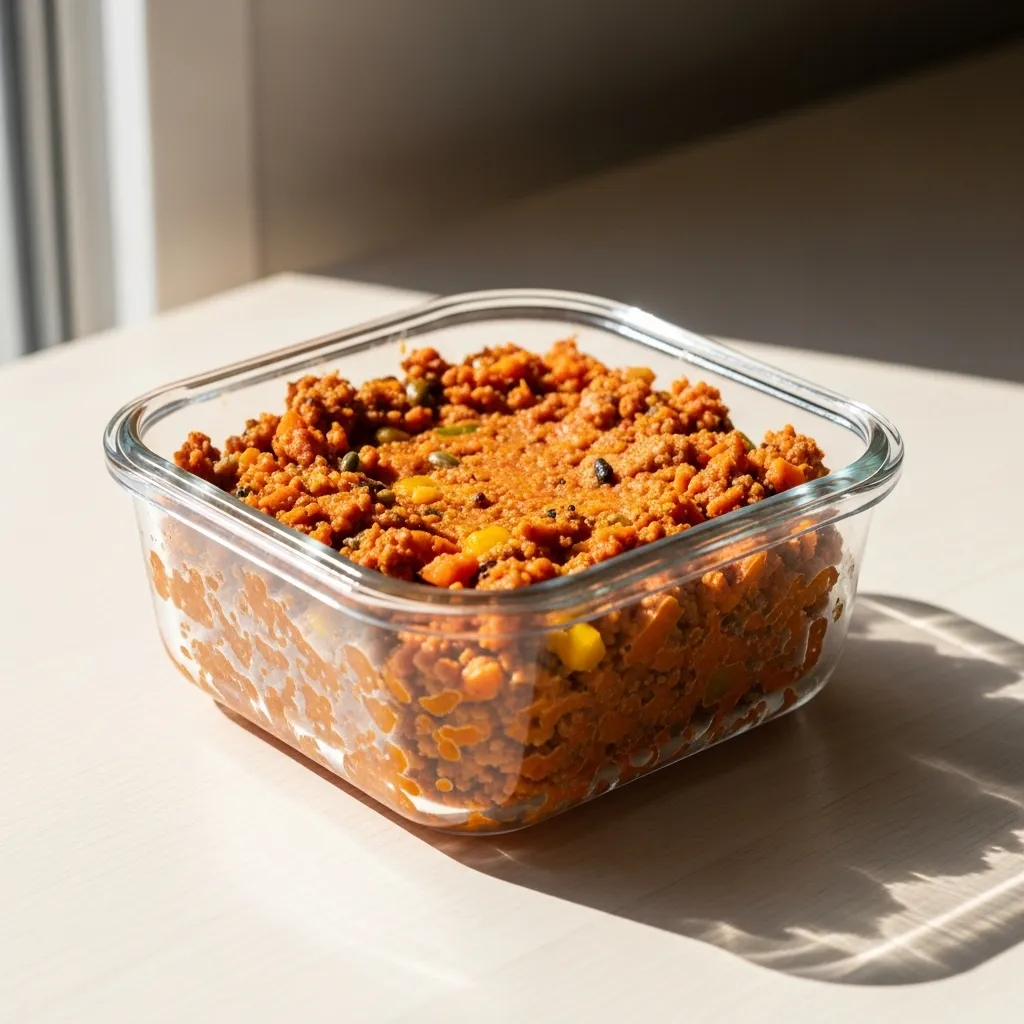
4. Organs Are Non-Negotiable
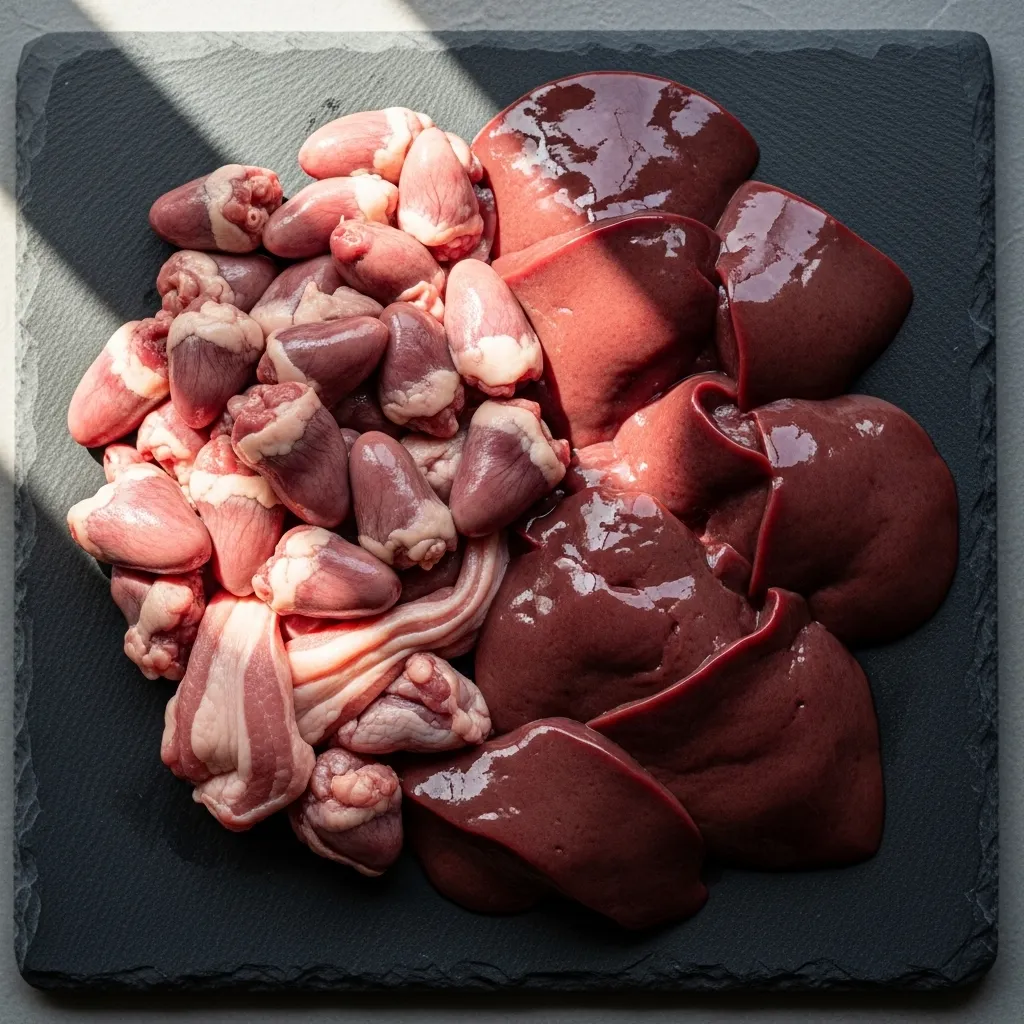
Liver, kidney, and heart are packed with nutrients your cat can’t get from muscle meat alone. Liver gives you vitamin A and copper. Heart is a great natural source of taurine. Kidney adds selenium and B vitamins.
I aim for about 5% liver and another 5% other secreting organs in the total recipe. Too much liver can cause vitamin A toxicity, so don’t go overboard. A little goes a long way.
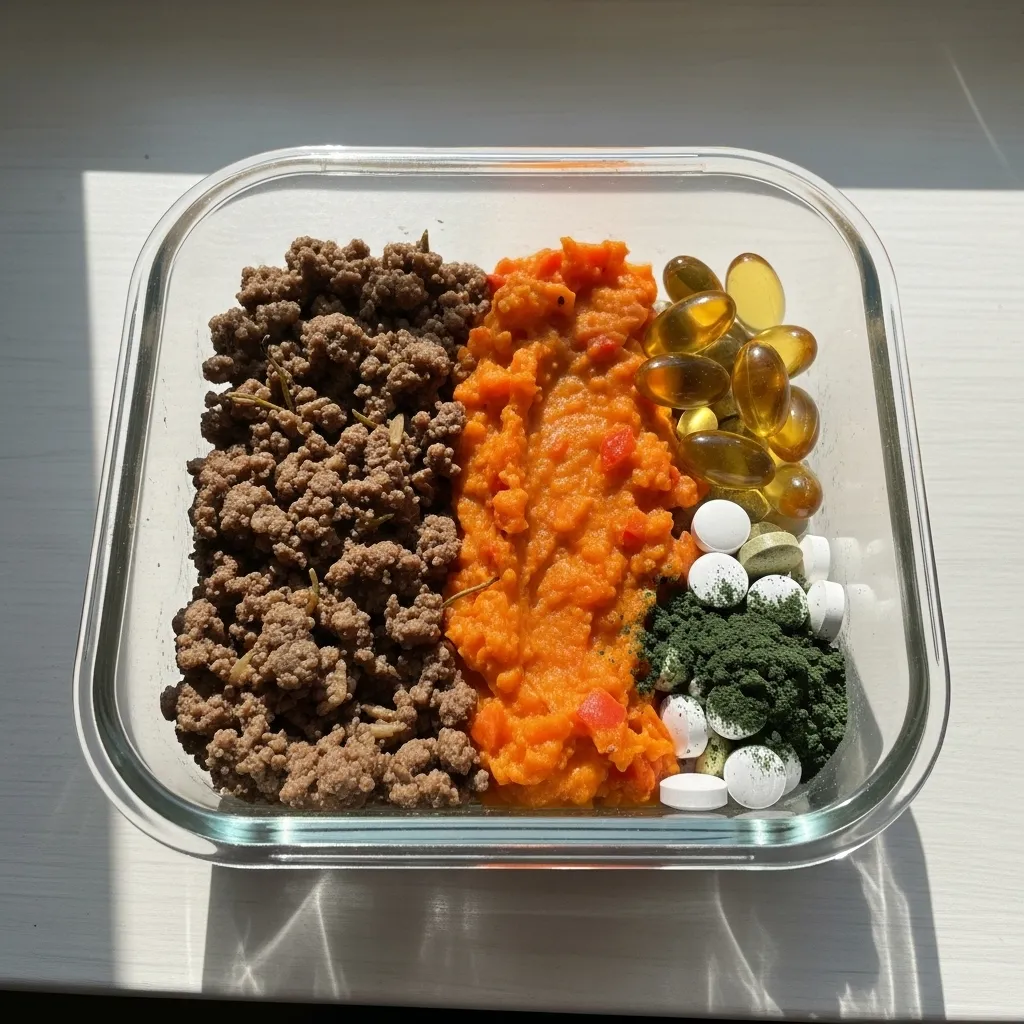
5. Bones Keep Things Safe (or Supplements Do)
Whole prey eaters get calcium from bones. In homemade food, you have two safe options: finely ground bone or a calcium supplement. Never use cooked bones—they can splinter and cause internal damage.
I use a powdered eggshell calcium supplement because it’s easy to measure and mix. If you want to use raw meaty bones, make sure they are ground or very small. Always supervise your cat if you offer a raw bone.
6. Cooking Changes the Game
Raw feeding is popular, but cooking is safer for many households, especially if you have young kids or immunocompromised family members. Gentle cooking (poaching or light steaming) kills bacteria while keeping most nutrients intact.
Just remember that heat destroys some vitamins, so you’ll need to add them back with a supplement. I lightly cook my cat’s meat and then add a commercial completer powder. It takes the guesswork out of balancing.
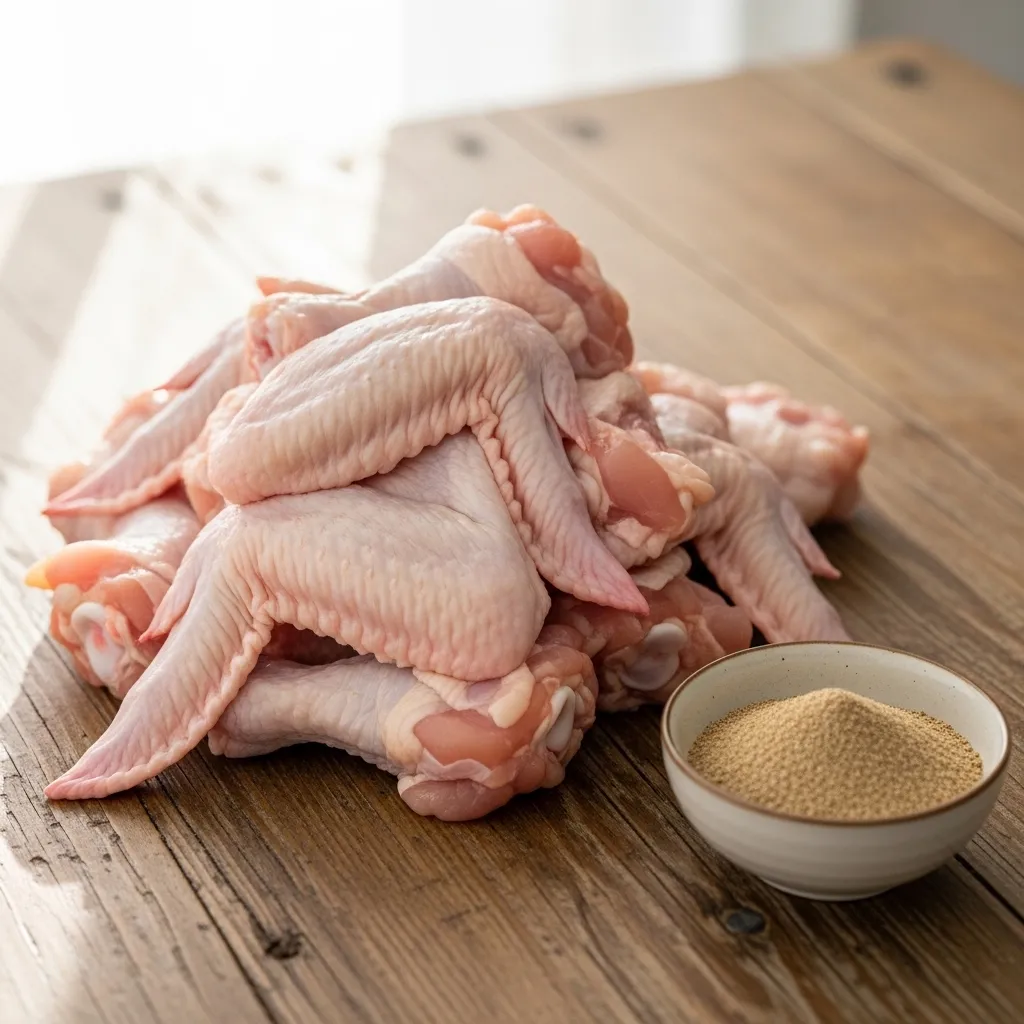
7. Start with a Complete Recipe
Don’t wing it. Use a recipe that has been tested and formulated by a veterinary nutritionist. There are plenty of free resources online, but make sure they come from a reliable source. A bad recipe can cause nutrient deficiencies over time.
I started with a simple chicken and liver recipe from a board-certified nutritionist. It had exact measurements for meat, organs, and supplements. That recipe gave me confidence to experiment later.

8. Watch for Picky Eaters and Transitions
My cat looked at his first homemade meal like I was trying to poison him. Cats can be suspicious of new textures and smells. Go slow. Mix a small amount of homemade food with their current food and gradually increase over a week or two.
If your cat refuses to eat, don’t panic. Try a different protein, warm the food slightly, or add a tiny bit of fish oil for smell. Most cats come around once they realize how good it tastes.
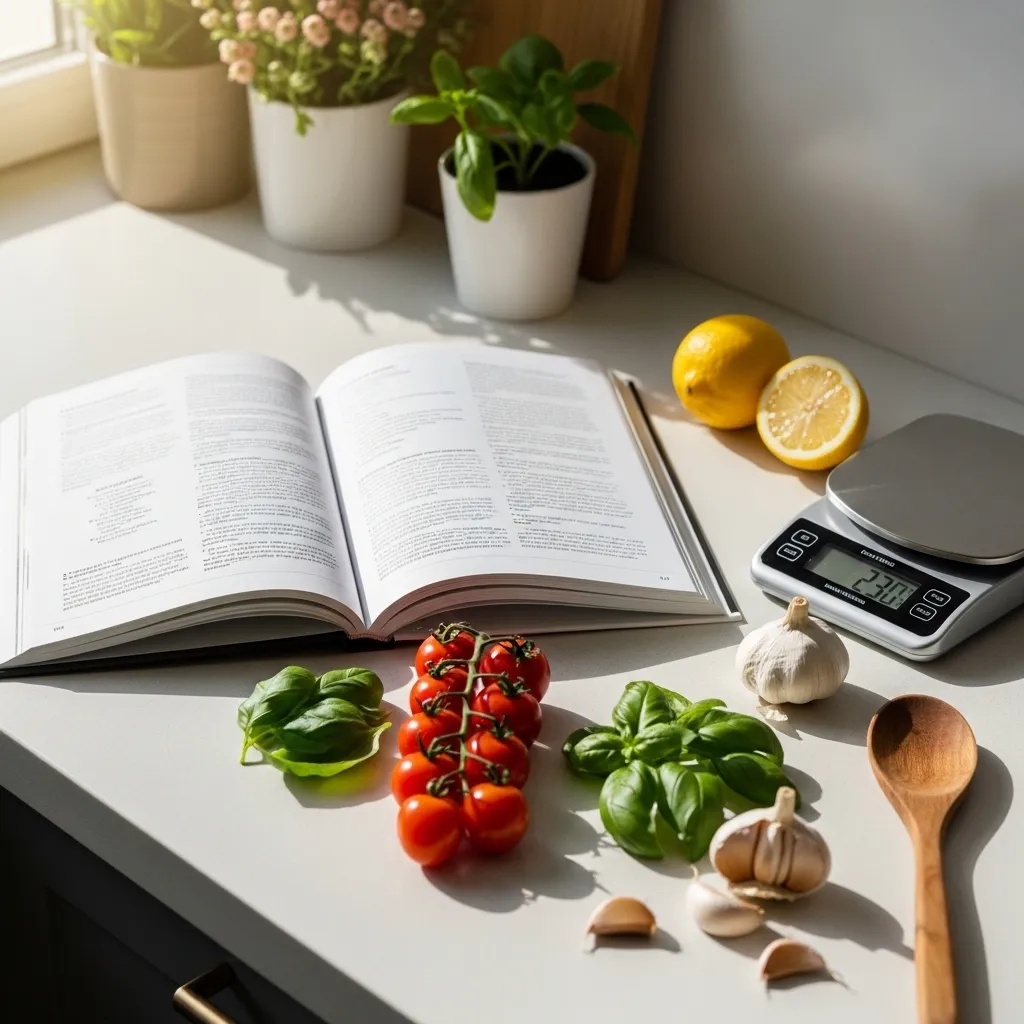
9. Storage and Hygiene Matter Big Time
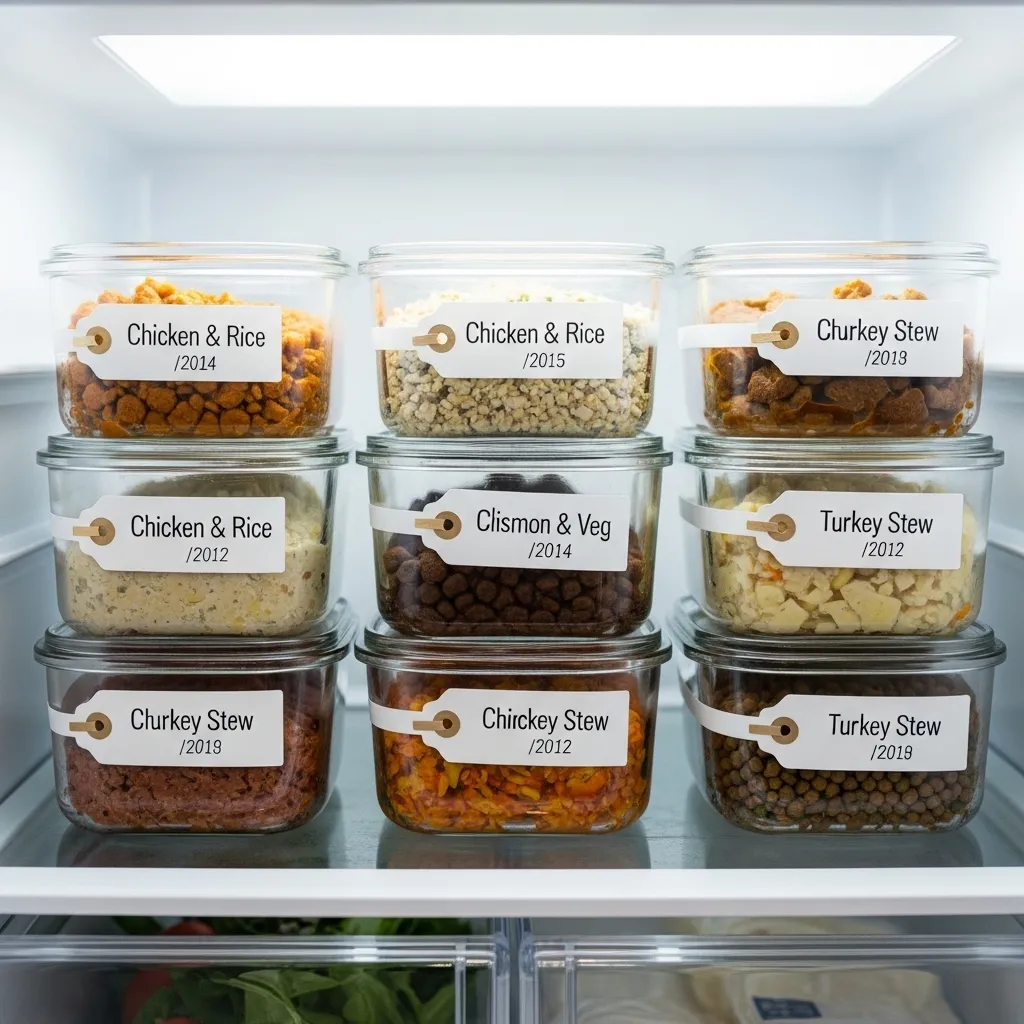
Homemade cat food spoils faster than kibble. I portion mine into small glass containers and freeze what I won’t use in three days. Thaw in the fridge, not on the counter. Wash your hands, cutting boards, and bowls with hot soapy water after every prep session.
Bacteria like salmonella can make both you and your cat sick. I keep a dedicated set of utensils just for cat food prep. It sounds extra, but it’s worth it for peace of mind.
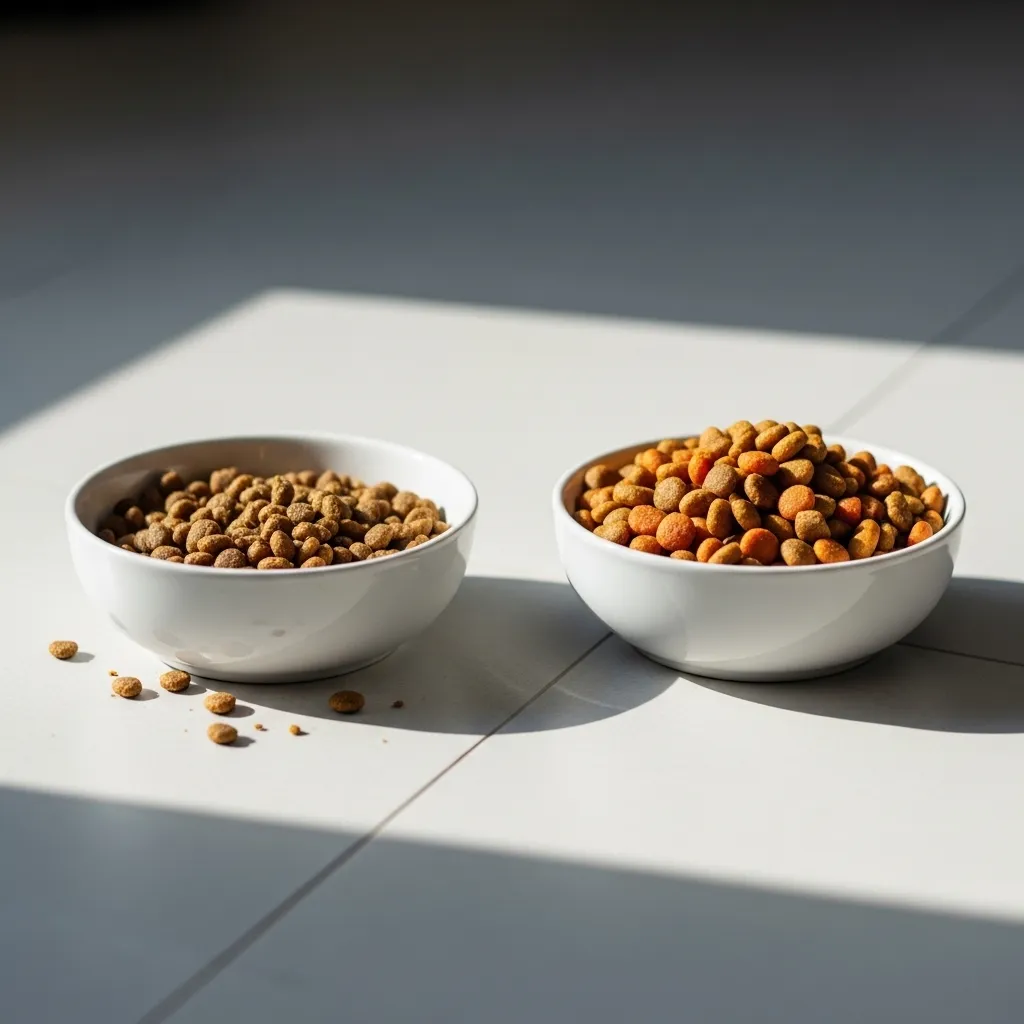
10. Your Vet Should Be Your Partner
Before you switch, talk to your veterinarian. They can check your cat’s health and might even run a blood test to make sure everything is okay. Some vets are not trained in nutrition, so ask for a referral to a veterinary nutritionist if needed.
I bring a sample of my cat’s food log to every checkup. It helps my vet see exactly what he’s eating. A good vet will support your decision to make food at home, as long as it’s done safely.
Conclusion
Making cat food at home is one of the most loving things you can do for your furry friend. It takes a little planning, some basic supplies, and a willingness to learn. But once you see your cat’s shiny coat, bright eyes, and happy energy, you’ll know it’s worth it.
Start simple, follow the rules, and give yourself grace. You don’t have to be perfect. Just be consistent and informed. Your cat will thank you with purrs and head bumps.
[[IMG:IMG12]]
Frequently Asked Questions
Is homemade cat food cheaper than commercial food?
It can be, especially if you buy meat in bulk or on sale. But supplements and organs add cost. For me, it’s about the same price as high-quality canned food, but I feel better about the ingredients.
Can I feed my cat only homemade food?
Yes, as long as the diet is complete and balanced. You’ll need to follow a tested recipe and use supplements. Many cats thrive on a fully homemade diet with proper planning.
How do I know if my cat is getting enough nutrients?
Watch for signs like a healthy coat, good energy, regular litter box habits, and a normal weight. Annual vet checkups and blood work are the best way to confirm nutritional health.
What if my cat has a medical condition?
Always consult your vet before changing the diet. Conditions like kidney disease, diabetes, or urinary issues require special formulations. A veterinary nutritionist can design a safe recipe for your cat’s needs.
Can I use a slow cooker for cat food?
Yes, but be careful. Slow cookers get very hot and can destroy more nutrients than gentle poaching. If you use one, cook on low and add supplements after cooking. Never use bones in a slow cooker.