10 Quick Dog Potty Training Tips Every Owner Should Know
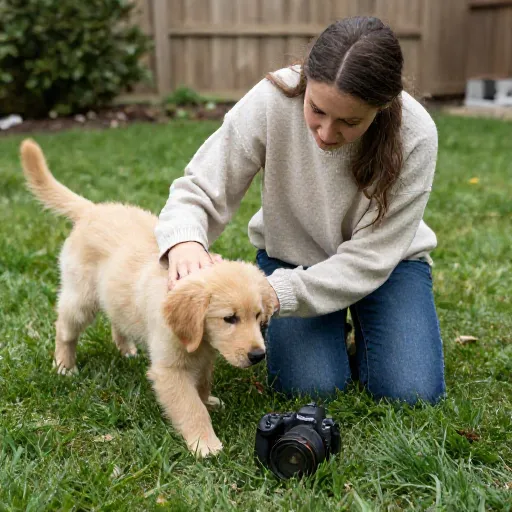
Bringing a new puppy home is pure joy—until that first little puddle appears on your rug. I remember standing there, staring at my sweet pup, wondering if I’d ever get the hang of this potty training thing. The good news? It’s totally doable, and it doesn’t have to take forever.
Whether you’ve got a brand new puppy or an older rescue who’s still figuring things out, these ten quick tips will save your floors and your sanity. Grab a treat bag, put on your patient pants, and let’s get started!
1. Set a Strict Potty Schedule
Dogs are creatures of habit. The more consistent you are with potty times, the faster your pup will learn. Take them out first thing in the morning, after every meal, after naps, and right before bedtime.
Start with every two hours during the day. Yes, it feels like a lot, but it’s way better than cleaning up accidents. Set a timer if you need to—your future self will thank you.
Remember, puppies have tiny bladders. They literally cannot hold it as long as you think they can.
2. Pick a Designated Potty Spot
Choose one specific area outside that you always take your dog to. The smell will help them understand what this spot is for, and it creates a solid routine.
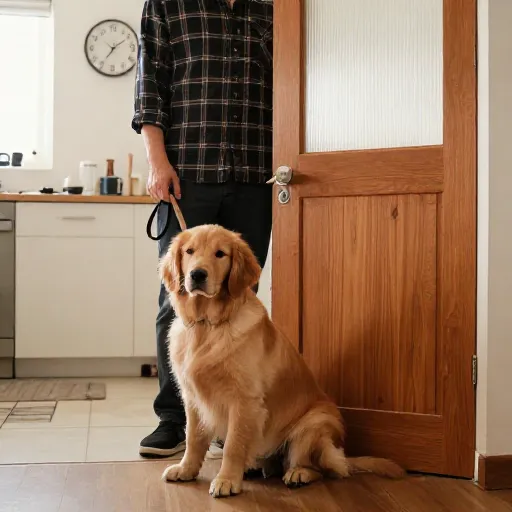
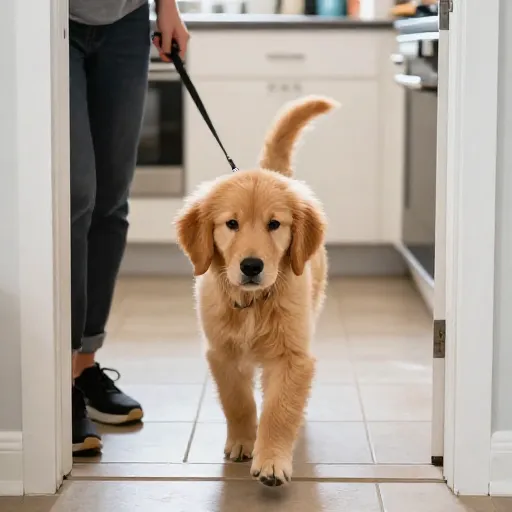
Walk them on a leash to that exact spot every single time. No playing, no wandering—just business. Once they go, throw a little party.
Using the same door and same path every time also helps reinforce the habit. Before you know it, your dog will trot right to their spot the second you open the door.
3. Use a Cue Word
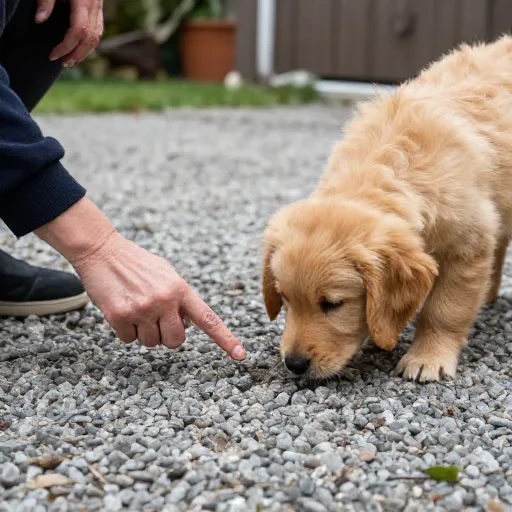
Pick a simple word like “potty” or “go pee” and say it every time your dog starts to go. They’ll start connecting the word with the action.
Say it in a calm, encouraging voice right as they’re squatting or lifting a leg. Don’t shout it—you want them relaxed, not startled.
Eventually, you can say the cue word when you take them out, and they’ll know exactly what’s expected. It’s like magic, but with more pee.
4. Reward the Moment, Not After
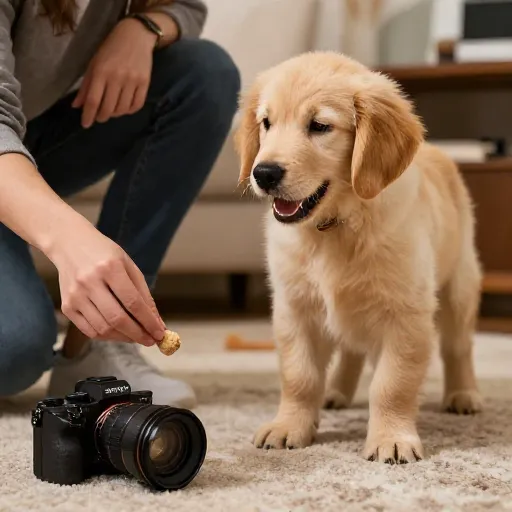
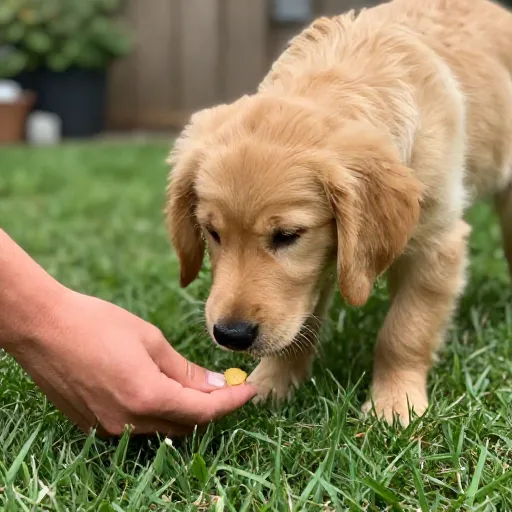
Timing is everything. The second your dog finishes pottying, give them a treat and tons of praise. Not when you get back inside—right there, on the spot.
This helps them understand that going potty outside equals good things. Use a high-value treat they only get during potty training, like tiny pieces of chicken or cheese.
Don’t forget to sound genuinely excited. Your dog wants to please you, and your happy voice is a reward all on its own.
5. Watch for the Telltale Signs
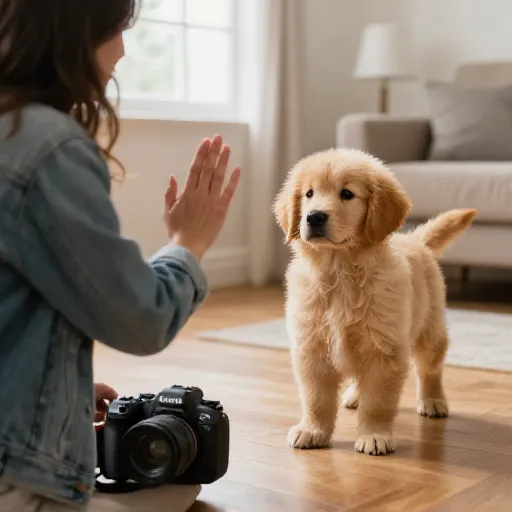
Every dog has their “I need to go” signals. Common ones include circling, sniffing the floor, whining, or suddenly heading toward the door.
The moment you see these signs, drop what you’re doing and head outside. Don’t wait, don’t finish your coffee—just go.
If you catch them mid-accident, clap loudly to interrupt, then rush them outside. They’ll learn that inside is never the right place, and outside is always celebrated.
6. Crate Training Is Your Best Friend
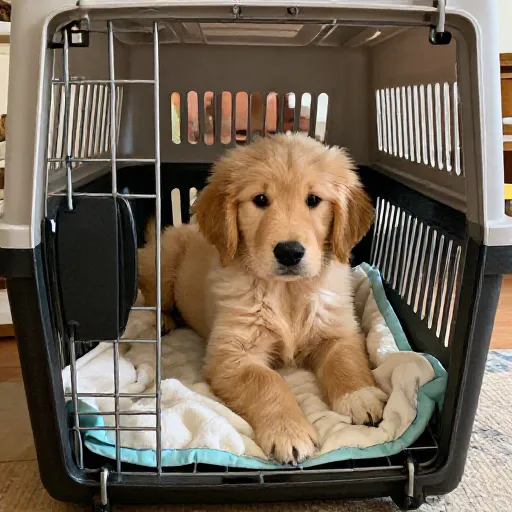
Dogs naturally avoid soiling where they sleep, so a properly sized crate is a powerful potty training tool. Make it cozy with a bed and a toy, but not too big—you don’t want a corner they can pee in.
Start with short crate sessions while you’re home. Let them out immediately when you open the door, and take them straight to their potty spot.
Never use the crate as punishment. It should feel like their safe little den, not a time-out box.
7. Clean Accidents Thoroughly
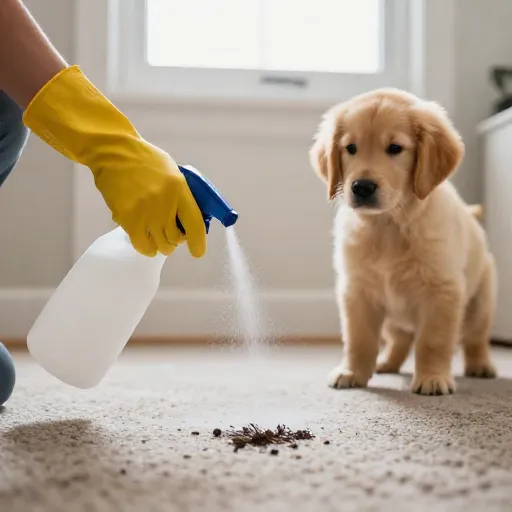
If your dog has an accident inside, clean it up like a detective. Use an enzyme-based cleaner that completely breaks down the smell. Regular soap might make it look clean, but your dog’s nose knows better.
If they can still smell their old pee spot, they’ll keep going back to it. That’s just how their brains work.
Skip the ammonia-based cleaners—they smell like urine to dogs and can actually attract them back to that spot. Gross, right?
8. Limit Freedom Until They’re Reliable
This one hurt me to learn, but it works. Until your dog is consistently potty trained, don’t give them free rein of the whole house. Keep them in the room you’re in, or use baby gates.
Think of it this way: every accident they have inside is practice for going inside. You want to prevent that from ever happening.
As they get more reliable, gradually give them more space. Rushing this step leads to setbacks—I’ve been there, and the rug paid the price.
9. Never Punish Accidents
I know it’s frustrating when you come home to a mess, but yelling or rubbing their nose in it will only make things worse. Your dog won’t understand why you’re angry, and it can make them afraid to potty in front of you at all.
Instead, clean up calmly and move on. Dogs live in the moment—if you didn’t catch them in the act, they have no idea what you’re upset about.
Focus on prevention and positive reinforcement. A confident dog learns faster than a scared one, every single time.
10. Be Patient and Consistent
Potty training takes time. Some dogs get it in a week, others take a couple of months. That’s totally normal, and it doesn’t mean you’re failing.
Stick to your routine even on weekends and rainy days. Yes, even at 2 a.m. when you’re exhausted—consistency is what makes it click.
Celebrate every small win. Every dry night, every successful trip outside, every time they head to the door on their own—that’s progress. You’ve got this.
Final Thoughts
Potty training is a journey, not a race. Some days will feel like two steps forward and one step back, and that’s completely okay. Your dog isn’t doing this to frustrate you—they genuinely want to get it right.
Remember to celebrate the wins, laugh off the messes, and keep your routine rock solid. Before you know it, accidents will be a distant memory, and you’ll have a fully house-trained best friend by your side.
You’re doing a great job, and your pup is lucky to have you. Now go stock up on treats and enjoy the process!
Frequently Asked Questions
How long does it take to potty train a puppy?
Most puppies get the basics down within 4 to 6 months, but it really depends on the dog and how consistent you are. Small breeds and younger puppies often take longer because their bladders are tiny. Stick with it—it’s totally worth the effort.
What if my dog keeps having accidents in the house?
Step back and look at your routine. Are you taking them out often enough? Are you using an enzyme cleaner? Are you watching for their signals? Sometimes you need to tighten up the schedule or go back to crate training basics. If accidents persist, it’s worth a quick vet check to rule out medical issues.
Should I use potty pads or go straight to outside?
Going straight to outside is usually faster and less confusing for your dog. Potty pads can work for apartment living or emergencies, but they teach your dog that it’s okay to potty inside. If you do use them, try to transition to outside as soon as possible.
What’s the best way to handle nighttime potty training?
Limit water about two hours before bedtime, and take your puppy out right before you put them in their crate. Set an alarm for the middle of the night for young puppies—they genuinely can’t hold it that long. As they grow, they’ll sleep longer and longer without needing a break.
Is it ever too late to potty train an older dog?
Not at all! Older dogs can absolutely learn new habits. They might have some stubbornness or past trauma to work through, but with patience, consistency, and lots of positive reinforcement, they can become fully house-trained. It’s never too late to teach an old dog new tricks.