How Big Do Havanese Dogs Get? A Complete Size Guide

If you’re dreaming of bringing a Havanese into your life, one of the first questions you probably have is about their size. These little dogs are famous for their silky coats and cheerful personalities, but how big do they actually get? I remember when I first started looking into the breed, I kept picturing a toy-sized pup that would fit in my handbag forever. The truth is a little different—and honestly, much better.
Havanese are small dogs with sturdy little bodies. They’re not fragile like some other tiny breeds. They have a solid, square build that makes them feel substantial when you pick them up. Most Havanese reach their full adult size around 6 to 8 months old, though they might fill out a bit more until they’re about a year old. Let’s break down exactly what to expect in terms of height, weight, and growth.
Knowing their size helps you plan everything from crate shopping to how much space they’ll need on the couch. Spoiler alert: they think they’re lap-sized no matter what. But understanding the numbers gives you a realistic picture of life with this fluffy little friend.
Typical Havanese Height Range
When people ask how big Havanese dogs get, height is usually the first thing that comes to mind. Adult Havanese typically stand between 8.5 and 11.5 inches tall at the shoulder. That’s measured from the ground to the highest point of their shoulder blades.
Females tend to be on the shorter side, often around 8.5 to 10 inches. Males are usually a bit taller, landing closer to 10 to 11.5 inches. But there’s always some natural variation, even within the same litter.
They’re short enough to fit under most coffee tables but tall enough to hop up on the sofa with a little effort. That in-between size is part of what makes them so adaptable to apartments and houses alike.

Average Havanese Weight Range
Weight is another big piece of the puzzle. A healthy adult Havanese usually weighs between 7 and 13 pounds. Some very petite females might be on the lighter end, while larger males can hit 14 or 15 pounds without being overweight.
I’ve noticed that a lot of people assume Havanese are lighter than they actually are. They’re not as tiny as a Chihuahua or a Yorkie. Their bone structure is more substantial, so they feel solid when you hold them. That’s a good thing—it means they can handle gentle play with kids and don’t break easily.
Here’s a quick breakdown of what to expect:
- Petite females: 7–9 pounds
- Average females: 9–11 pounds
- Average males: 10–13 pounds
- Larger males: 13–15 pounds
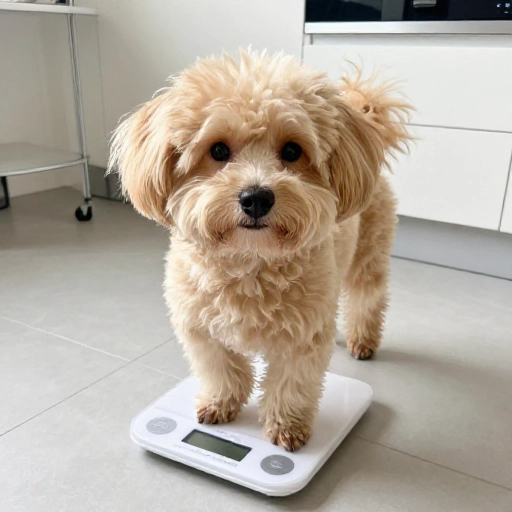
How Big Do Havanese Puppies Get at Each Stage?
Watching a Havanese puppy grow is such a fun process. They start out tiny, usually around 4 to 6 ounces at birth. By the time they’re 8 weeks old and ready to go home, most weigh between 2 and 4 pounds.
Between 3 and 6 months, they hit a growth spurt. You’ll see them gain about 1 to 2 pounds per month. At 6 months, many Havanese are close to their adult height but still filling out in weight.
By their first birthday, most have reached their full size. Some may continue to add a tiny bit of muscle or fat until they’re 18 months old, but the big changes happen early. That’s why it’s so important to feed them a high-quality puppy food during those first months.

Do Male and Female Havanese Grow Differently?
Yes, there’s a small difference between males and females. Males are usually a bit taller and heavier, but it’s not a huge gap. A typical male might be 11 inches tall and weigh 12 pounds, while a female might be 9.5 inches and weigh 9 pounds.
That said, I’ve met plenty of females that were bigger than some males. Genetics play a huge role. If you’re looking at a specific puppy, ask the breeder about the parents’ sizes. That’s usually the best predictor.
Neither gender is drastically bigger, so your choice can come down to personality rather than size. Both are equally cuddly.

How Does Coat Make Them Look Bigger?
Here’s a fun fact: Havanese dogs look way bigger than they actually are because of their coat. That fluffy, double-layer fur can add inches to their appearance. A well-groomed Havanese with a full coat might look like a 15-pound dog when they’re really only 10 pounds.
When they get wet or get a short haircut, you’ll see their true size. It’s always a little shocking. I’ve had friends ask if my Havanese lost weight after a groomer visit. Nope—just less fluff.
So if you’re worried about size, remember that grooming makes a big difference. A puppy cut or a short trim will make them look smaller and more athletic.

What Affects How Big Your Havanese Gets?
Genetics is the number one factor. If both parents are on the smaller side, your puppy will likely be small too. If one parent is larger, you might get a bigger dog. Responsible breeders can give you a good estimate based on the parents and past litters.
Nutrition also matters. A Havanese that’s overfed as a puppy might grow faster and end up heavier than they should be. On the flip side, underfeeding can stunt growth. Stick to a balanced diet recommended by your vet.
Spaying or neutering too early can sometimes affect growth plates, too. Most vets recommend waiting until your dog is fully grown, which for Havanese is around 12 to 18 months. Talk to your vet about the best timing.

How Big Is a Havanese Compared to Other Small Breeds?
Putting Havanese size in perspective helps a lot. They’re smaller than a Cavalier King Charles Spaniel, which usually weighs 13 to 18 pounds. They’re bigger than a Maltese, which is often under 7 pounds.
Compared to a Shih Tzu, Havanese are similar in height but tend to be a bit lighter. Shih Tzus often weigh 9 to 16 pounds, while Havanese stay on the lighter side. They’re also more athletic and less stocky.
If you’re thinking about a Bichon Frise, Havanese are slightly smaller. Bichons usually weigh 12 to 18 pounds. So Havanese fit right in the middle of the small-dog world—compact but sturdy.
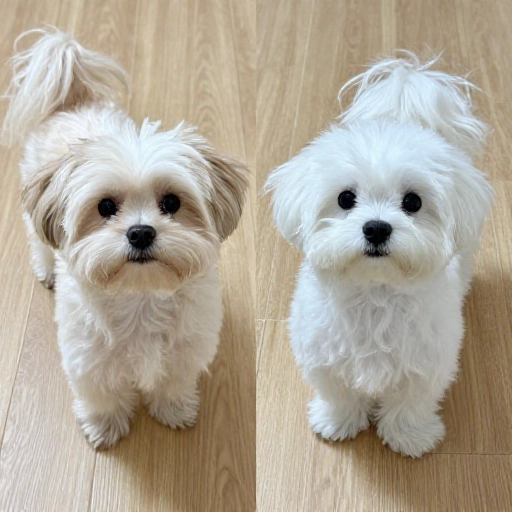
Can a Havanese Be Too Small or Too Big?
Yes, but “too small” or “too big” usually means outside the breed standard. A Havanese under 7 pounds as an adult might be considered too tiny. That can come with health risks like fragile bones or low blood sugar.
On the other end, a Havanese over 15 pounds might be overweight or have larger genetics from a mixed background. It’s always good to check with your vet if your dog seems significantly off the typical range.
The key is body condition, not just the number on the scale. You should be able to feel your dog’s ribs without pressing hard. If you can’t, they might need to drop a pound or two.

Do Havanese Stop Growing at the Same Time?
Most Havanese reach their full height by 8 to 10 months. Weight gain slows down after that, but they might fill out a little until they’re a year old. Some keep adding a tiny bit of muscle until 18 months.
It’s rare for a Havanese to grow much after their first birthday. If your dog seems to be getting bigger after 12 months, it’s probably weight gain from overeating, not actual growth. Keep an eye on their food portions and exercise.
Regular vet checkups will help you track their progress. Your vet can tell you if your puppy is on track for a healthy adult size.

How to Estimate Your Havanese Puppy’s Adult Size
There’s no perfect formula, but you can get a rough idea. One common method is to double your puppy’s weight at 4 months. For example, if your Havanese weighs 5 pounds at 4 months, they might end up around 10 pounds as an adult.
Another trick is to look at their paws. Puppies with big paws relative to their body often grow into larger adults. It’s not foolproof, but it’s a fun guessing game.
The most reliable way is to ask your breeder. They’ve seen the parents and past litters, so they can give you a pretty accurate range. Just remember that every dog is an individual, and a little variation is normal.

Conclusion
Havanese are the perfect medium-small dog for so many lifestyles. They usually land between 8.5 and 11.5 inches tall and weigh 7 to 13 pounds. That size makes them portable enough to take on trips but sturdy enough to be a real companion. Their fluffy coat might make them look bigger, but underneath all that silk is a compact, sturdy little body. Whether you live in a tiny apartment or a big house with a yard, a Havanese fits right in. Just be ready for a lap dog that thinks they’re the perfect size—because they are.
[[IMG:IMG12]]
Frequently Asked Questions
Are Havanese considered toy breeds?
Yes, the American Kennel Club classifies Havanese as a toy breed. They’re small enough to be carried but not so tiny that they’re fragile. They fit the toy group perfectly because of their size and companion-dog nature.
How big do Havanese get in pounds?
Most adult Havanese weigh between 7 and 13 pounds. Some can reach 14 or 15 pounds if they’re larger-boned or slightly over their ideal weight. A healthy weight depends on their frame and body condition.
Do Havanese grow after 1 year?
They usually reach their full height by 8 to 10 months and their full weight by 12 months. Some may fill out a little more until 18 months, but significant growth after one year is rare.
How big is a full-grown Havanese in inches?
Full-grown Havanese stand between 8.5 and 11.5 inches tall at the shoulder. Males tend to be on the taller end, while females are often shorter. Their height is measured from the ground to the top of the shoulder blades.
Can a Havanese be 15 pounds?
Yes, some Havanese can reach 15 pounds, especially larger males or dogs with bigger bone structure. It’s important to check if that weight is healthy. If your dog is 15 pounds but has a visible waist and you can feel their ribs, it might be fine. If they look round, they might need to slim down.