15 Easy DIY Neuter Recovery Suit Hacks
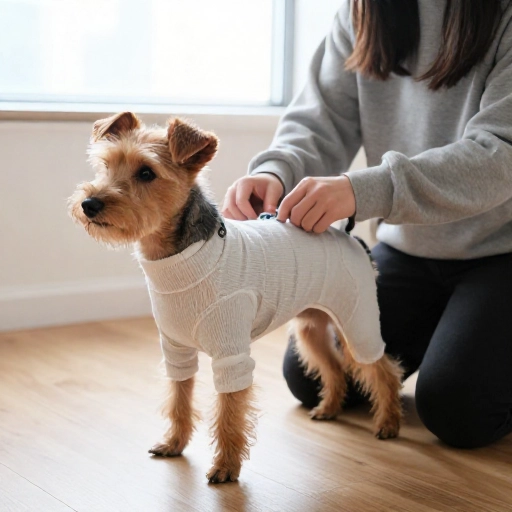
When my dog got neutered, the vet handed me a plastic cone and a bill. The cone lasted about ten minutes before he crashed into every doorway in the house. I knew there had to be a better way.
That’s when I started making DIY neuter recovery suits. They’re soft, they stay put, and they keep my dog from licking the incision without the sad cone face. Plus, you probably already have most of the supplies at home.
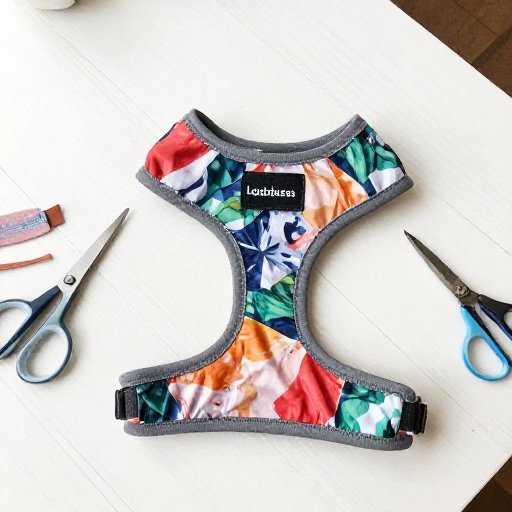
Here are 15 hacks I’ve tested (and tweaked) so you can make your own recovery suit fast. No fancy sewing machine required.
1. Start With a Baby Onesie (The Ultimate Shortcut)
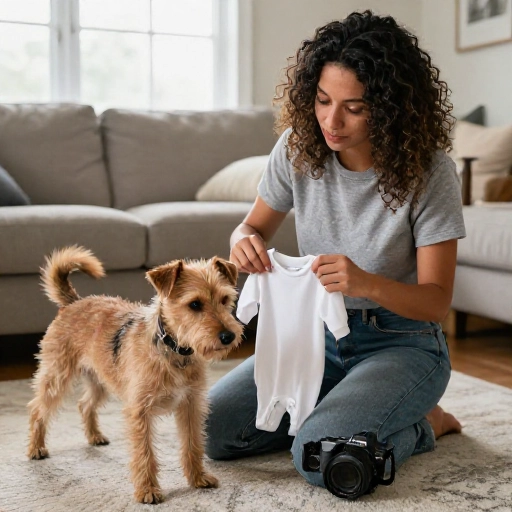
This is my number one hack because it’s almost too easy. Grab a cotton baby onesie in a size that fits your dog’s chest and length. You want it snug but not tight.
Cut a small hole for the tail, and leave the bottom snaps open for potty breaks. The snaps are a game changer—no need to take the whole suit off every time.
I like the ones with long sleeves because they cover the front legs, but short sleeves work fine for most dogs. Just make sure the fabric is soft and breathable.
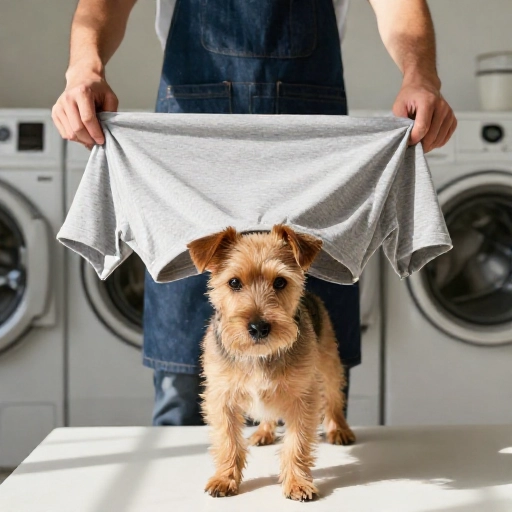
2. Turn a Stretchy T-Shirt Into a Slip-On Suit
An old t-shirt is the easiest no-sew option. Put it on your dog like a regular shirt, then pull the back part under the belly and tie the sleeves or excess fabric in a loose knot on top.
Cut off the collar if it’s too tight. For a boy dog, you’ll need to cut a small opening for the tail and make sure the belly area is covered but not bunched up.
I use a light cotton tee because it breathes well. Avoid thick hoodies unless it’s cold outside.
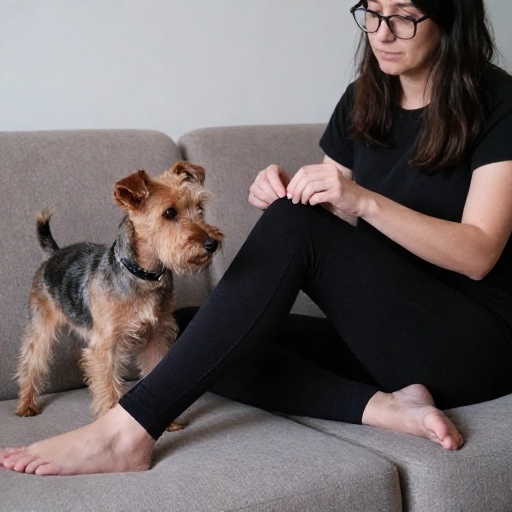
3. Use Soft Leggings for a Custom Fit
Leggings are stretchy, cheap, and come in tons of sizes. Cut the legs off at the knees, then slip the waistband over your dog’s head and front legs.
The waistband becomes the neck opening, and the leg holes become arm holes. Cut a tail hole at the crotch. The stretch makes it hug your dog’s body without being restrictive.
I find that high-waisted leggings work best because they cover more of the belly. Just check for any tight elastic bands that might rub.
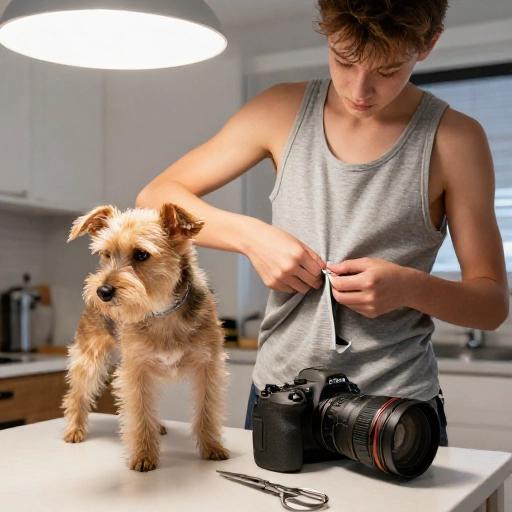
4. Cut Up an Old Tank Top for a Breathable Option
Tank tops are perfect for summer recoveries. The thin fabric keeps your dog cool while still blocking licking. Cut the straps and use them as ties around the neck and chest.
I fold the bottom hem up to create a little pouch for the belly, then secure it with a few stitches or safety pins. The open sides let air flow through.
This is my go-to when the weather is warm and I don’t want my dog overheating.
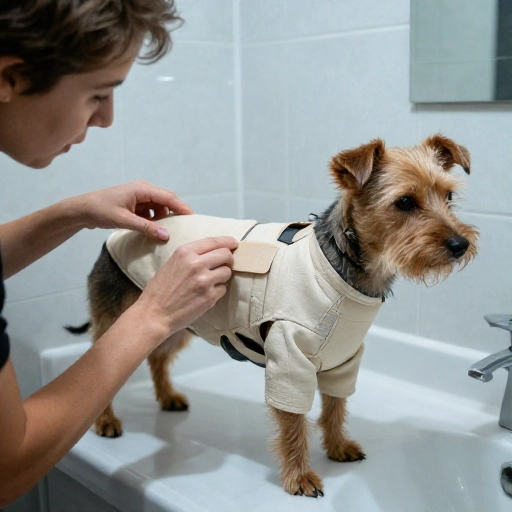
5. Add Snaps or Velcro for Easy Potty Breaks
One of the biggest complaints about recovery suits is having to take them off for every bathroom trip. Fix that by adding snaps or Velcro to the back or belly area.
I buy a pack of sew-on snaps or adhesive Velcro dots. Position them so you can open the suit from the tail end without removing the whole thing.
This saves so much time and stress. Your dog will thank you when they don’t have to stand still for a full costume change every hour.
6. Reinforce the Belly Area With an Extra Layer
The incision is on the belly, so that’s where you want extra protection. I sew or iron on a small patch of fleece or flannel inside the suit.
This adds a soft cushion and prevents urine from soaking through. It also stops the fabric from rubbing against the stitches.
Just make sure the extra layer doesn’t make the suit too tight. A little padding goes a long way.
7. Make a Tail Opening That Stays Put
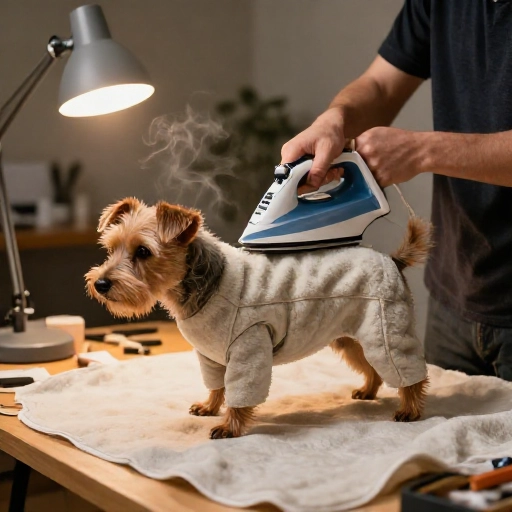
A tail hole that stretches out or shifts is annoying. I use a buttonhole stitch around the opening to keep it from fraying and growing.
If you don’t sew, try iron-on hem tape or a small piece of fusible interfacing. Cut a clean circle or oval, then reinforce the edges.
I also check the tail hole every day to make sure it’s not too tight or causing any irritation.
8. Use a Dog Diaper or Belly Band as Your Base
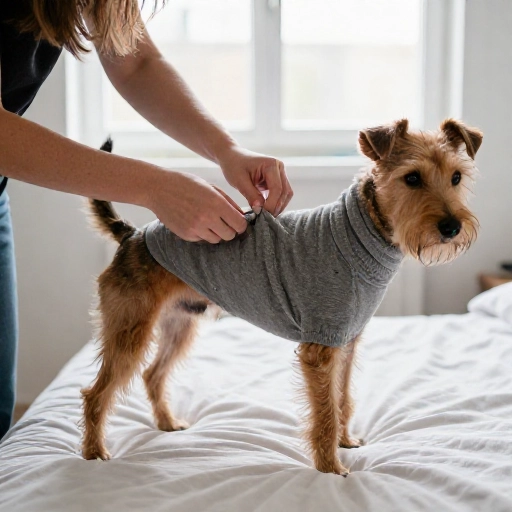
If your dog is a heavy licker or has a lot of drainage, start with a disposable dog diaper or a reusable belly band. Then put the recovery suit over it.
The diaper catches any leaks, and the suit keeps everything in place. This double layer is a lifesaver for the first few days after surgery.
Just remember to change the diaper often so the skin stays dry and clean.
9. Create Adjustable Straps With Hair Ties
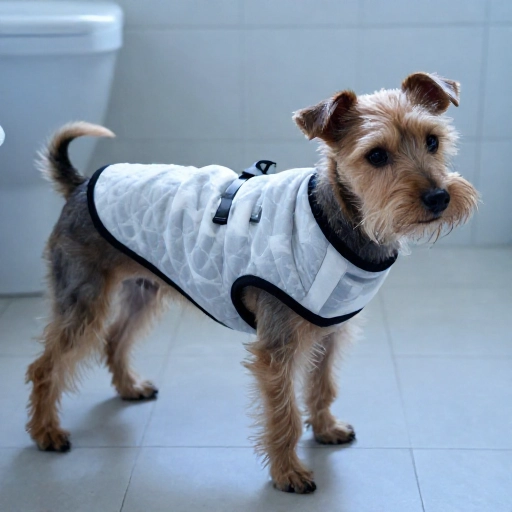
Sometimes a suit fits perfectly in one spot but is too loose in another. Hair ties are my secret weapon for quick adjustments.
Loop a hair tie around a loose section of fabric and twist it to create a makeshift cinch. You can also use them to connect straps that are too short.
They’re gentle, cheap, and you can find them everywhere. Just don’t leave them on too tight or for too long without checking.
10. Try a Baby Bodysuit With Snaps for Quick Changes
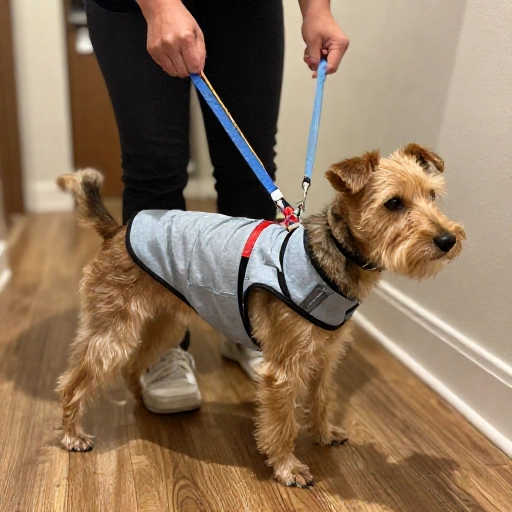
A baby bodysuit (the kind with snaps at the crotch) is basically a ready-made recovery suit. The snaps make potty breaks a breeze.
I cut the feet off if it has them, then cut a tail hole. The short sleeves cover the front legs, and the snaps let me open the back without removing the whole thing.
Look for organic cotton or bamboo fabric—it’s softer on sensitive skin.
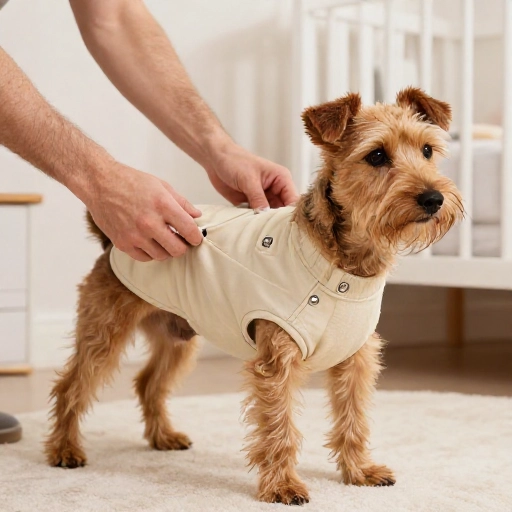
11. Turn a Lightweight Raincoat Into a Waterproof Suit
If it’s rainy or snowy, a cheap dog raincoat can double as a recovery suit. The waterproof material keeps the incision dry and clean.
I remove the hood and any extra straps, then cut a tail hole. The belly is usually covered, which is exactly what you want.
Just make sure it’s not too heavy or hot. A lightweight shell is best.
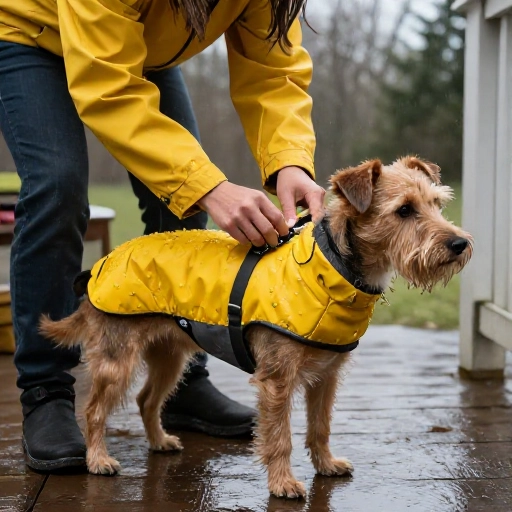
12. Add a Pee Pad or Nursing Pad for Leak Protection
For extra insurance, I place a small pee pad or nursing pad inside the suit, right over the incision area. It absorbs any spotting or dribbles.
You can tape it in place with medical tape or just tuck it into a pocket you’ve sewn. Change it every few hours to keep things fresh.
This is especially helpful at night when you’re not watching every move.
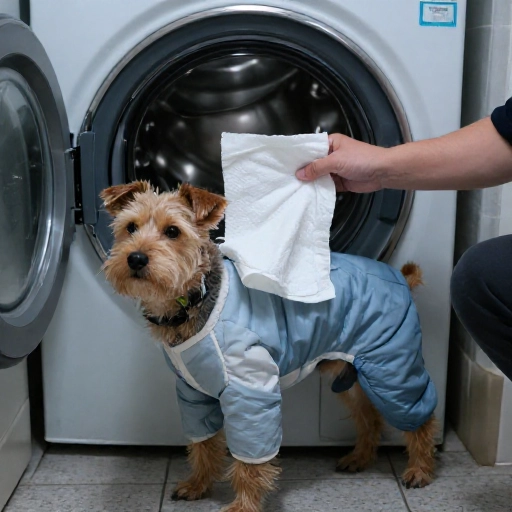
13. Make a No-Sew Version With Safety Pins (Carefully)
No sewing machine? No problem. Safety pins can hold a t-shirt or leggings together in a pinch. Just be careful not to poke your dog.
I pin the fabric at the back and sides, always pointing the sharp end away from the skin. Check the pins every time you put the suit on.
This is a temporary fix, but it works great for a day or two while you figure out a better option.
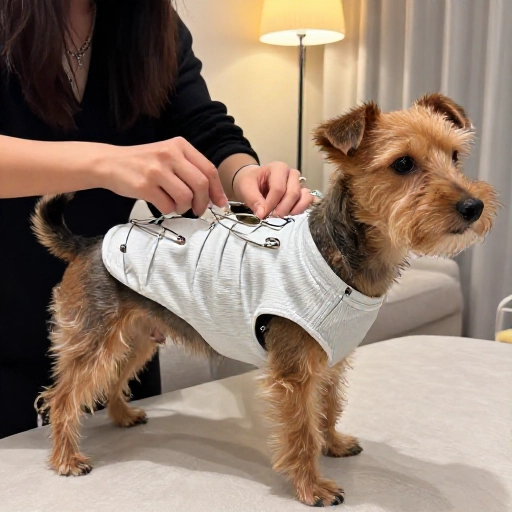
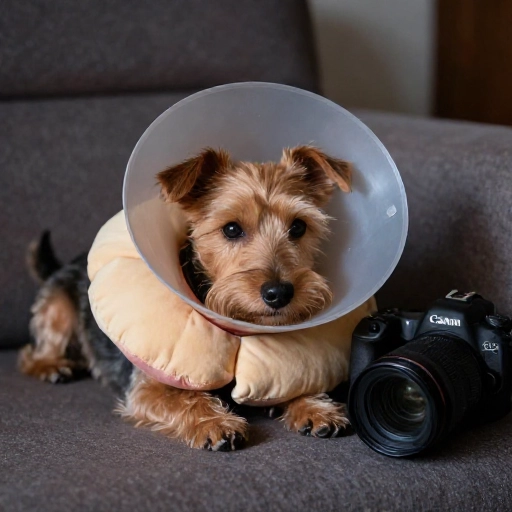
14. Use a Soft Neck Pillow to Replace the Cone
A recovery suit covers the body, but some dogs still try to lick their front paws or the air. A soft neck pillow (like a travel pillow) can replace the cone.
I slip it around my dog’s neck and secure it with a strip of fabric. It stops them from turning their head far enough to reach the incision.
It’s way more comfortable than plastic and doubles as a pillow for naps.
15. Personalize the Fit With Calming Compression
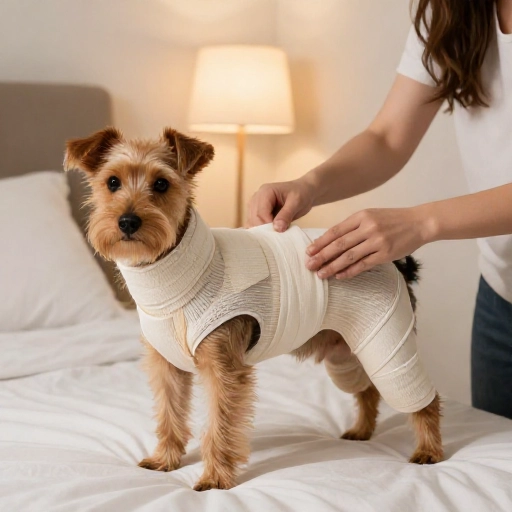
Some dogs get anxious after surgery. A snug, gentle compression suit can have a calming effect, similar to a ThunderShirt.
I use a stretchy fabric and make sure the suit hugs the body without restricting movement or breathing. The key is even pressure, not tightness.
Watch your dog’s body language. If they seem relaxed and sleepy, you’ve got the fit right. If they’re panting or trying to wiggle out, loosen it up.
Conclusion
DIY neuter recovery suits don’t have to be complicated or expensive. With a few old clothes, some basic cutting, and a little patience, you can make something your dog actually tolerates.
My favorite is still the baby onesie hack because it takes five minutes and costs almost nothing. But every dog is different, so try a few and see what works.
Always check with your vet if you’re unsure about the fit or if your dog seems uncomfortable. A good recovery suit should keep them safe, dry, and cone-free.
FAQ
How long does my dog need to wear a recovery suit after neutering?
Most vets recommend 7 to 14 days, or until the incision is fully healed. I always ask my vet for a specific timeline because every dog heals differently.
Can I make a recovery suit from a regular dog shirt?
Yes, but you’ll need to cover the belly. A regular shirt leaves the incision exposed, so you’ll have to add a belly panel or use a onesie instead.
What if my dog chews or licks the suit?
Try a bitter apple spray on the fabric, or switch to a thicker material. If they’re determined, a soft cone or neck pillow combined with the suit is a good backup.
How do I wash a DIY recovery suit?
Most cotton and fleece fabrics are machine washable. I use a gentle cycle with pet-safe detergent and let it air dry. Always have a backup suit ready.
Is it safe to use safety pins for a no-sew suit?
Only as a temporary fix. Safety pins can pop open or poke your dog. Check them constantly and switch to snaps or Velcro as soon as you can.