How to Safely Change Your Pet’s Diet
Changing your pet’s diet is a big decision — one that can impact their health, happiness, and overall wellbeing. Whether you’re switching foods due to allergies, digestive issues, weight concerns, or simply wanting a better-quality recipe, making the transition the right way is essential. Pets thrive on routine, and sudden changes can leave their stomachs upset or cause stress.
The good news? With a slow, thoughtful approach, you can help your dog or cat adjust to their new food without discomfort. Here’s how to safely change your pet’s diet while keeping them comfortable, confident, and cared for.

1. Understand Why You’re Making the Change
Before switching your pet’s diet, take a moment to understand the reason behind it. Are you addressing allergies, poor digestion, itchy skin, weight issues, or simply wanting cleaner ingredients? Knowing the “why” helps guide the “how.”
If your pet has been showing symptoms like vomiting, diarrhea, hair loss, or persistent scratching, it’s wise to consult your veterinarian before you make any dietary changes. Medical guidance ensures you’re choosing food that truly meets your pet’s needs.
2. Transition Slowly Over 7–14 Days
One of the most important rules for changing your pet’s diet safely is to go slow. Mixing the new food with the old food allows your pet’s digestive system to adjust gradually, helping prevent upset stomachs or refusal to eat. Here’s a simple guide:
- Days 1–3: 75% old food, 25% new food
- Days 4–6: 50% old food, 50% new food
- Days 7–9: 25% old food, 75% new food
- Days 10–14: 100% new food
Some pets may need more time. If your dog or cat shows signs of discomfort, slow down the transition and continue at a pace they’re comfortable with.
3. Pay Attention to Your Pet’s Stool
Your pet’s stool is one of the quickest indicators of how well the transition is going. During a diet change, watch for:
- Loose stool
- Constipation
- Mucus-like coating
- Changes in frequency
Mild adjustments are normal, but persistent issues may mean the new food isn’t the right fit or the transition is moving too fast.
4. Add Probiotics for Extra Digestive Support
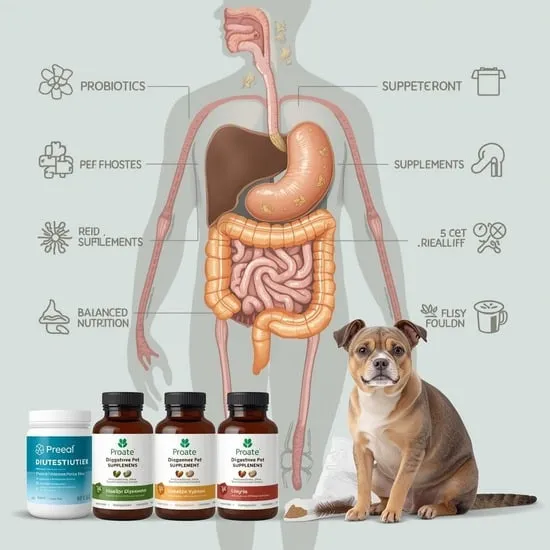
Probiotics can help maintain healthy gut bacteria during the transition, especially for pets with sensitive stomachs. Many high-quality pet foods already include probiotics, but you can also find supplements made specifically for dogs and cats.
Always choose vet-approved products, and follow dosage instructions carefully to avoid over-supplementation.
5. Monitor Behavior and Energy Levels
Diet impacts your pet beyond digestion. As you shift to new food, keep an eye on their behavior. Are they more playful? More sluggish? More anxious? Positive changes mean the new diet is supporting their needs. Negative changes may mean it’s time to try a different formula.
Pets often “tell” us how they’re feeling with their body language — trust what you observe.
6. Avoid Mixing Too Many Foods at Once
It can be tempting to try many new foods, but mixing multiple diets or changing brands too quickly can overwhelm your pet’s system. Stick to one new food at a time so you can clearly track how your pet responds.
This also helps identify any sensitivities or ingredients that may trigger reactions.
7. Consult Your Veterinarian for Special Diets
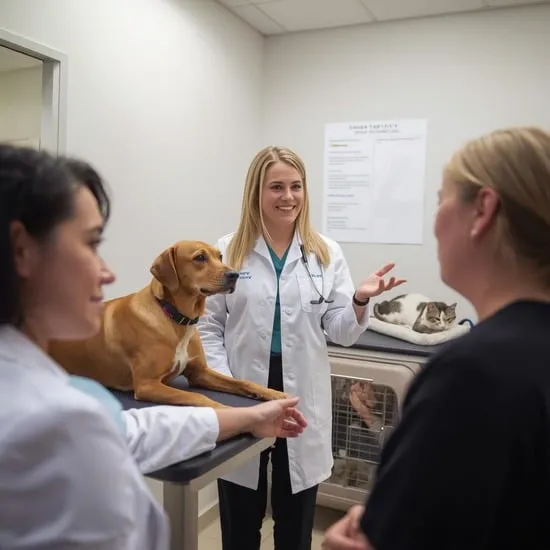
If your pet has kidney disease, diabetes, severe allergies, or digestive disorders, always involve your vet in the decision. Prescription diets and medically supervised transitions are often necessary to support long-term health.
Your veterinarian can help you choose the right food and create a slow transition plan tailored to your pet’s unique needs.
Final Thoughts
Changing your pet’s diet doesn’t have to be stressful — for you or your furry companion. With patience, observation, and a gentle approach, you can ensure their transition is smooth, safe, and beneficial.
The goal is simple: a healthier, happier pet who feels loved and supported every step of the way. By taking your time and trusting your instincts, you’re giving your pet the gift of better nutrition and a thriving future.