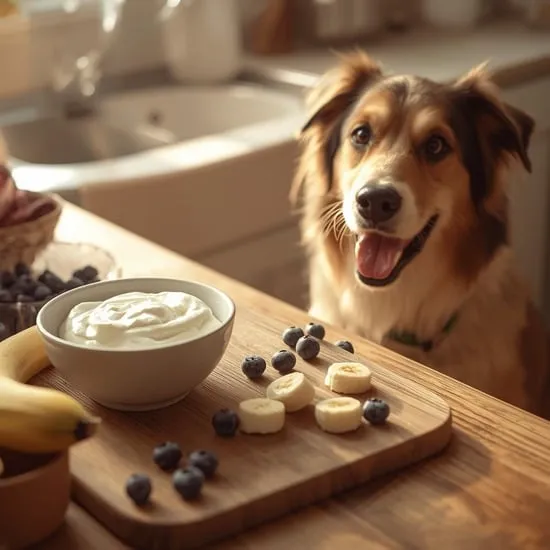
10 Safe Human Foods Every Dog Owner Should Know (Plus Easy Recipes Your Pup Will Love)
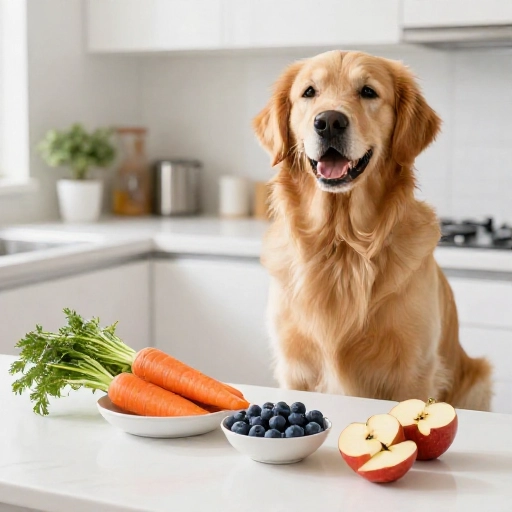
Let’s be real—those puppy eyes at the dinner table are impossible to resist. But before you sneak a bite under the table, you need to know exactly what’s safe and what’s a hard no. I’ve spent years testing dog-friendly versions of my favorite snacks, and I’m here to share the ultimate list of safe foods that are actually good for your furry best friend.
From crunchy, vitamin-packed veggies to protein-rich fruits, these ten foods are not only safe but also packed with nutrients that support a shiny coat, healthy digestion, and tons of energy. And because I know you love spoiling your pup, I’ve turned these safe foods into simple, no-fuss recipes you can whip up in minutes. Let’s dive into the bowl of goodness!
Why These Safe Foods Matter for Your Dog’s Health
Feeding your dog the right human foods is about more than just avoiding a trip to the vet. It’s about adding variety and vital nutrients to their daily kibble. Many commercial treats are loaded with fillers and preservatives, but whole foods like blueberries and sweet potatoes are natural powerhouses of antioxidants and vitamins.
When I started incorporating these safe foods into my dog’s diet, I noticed a huge difference in his energy levels and coat softness. It’s a simple way to show love while actively boosting their immune system and supporting their heart health. Plus, making treats at home means you know exactly what’s in every single bite.
Remember, every dog is different, so introducing new foods slowly is key. Always start with small amounts to see how their tummy reacts. These recipes are designed to be gentle, tasty, and totally safe for the average healthy dog.
Essential Kitchen Equipment & Tools You’ll Need
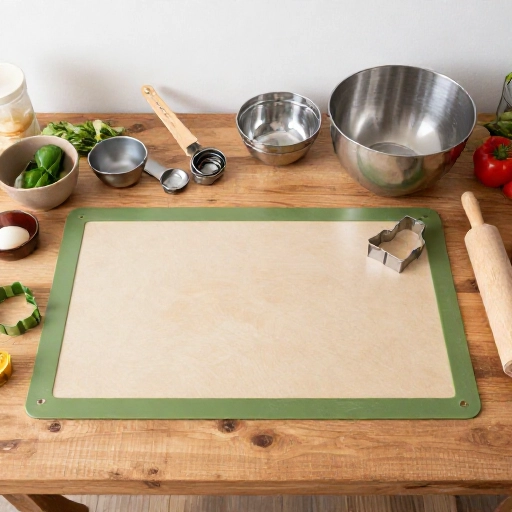
You don’t need a fancy doggy bakery to make these treats. Most of these recipes rely on basic kitchen tools you already own. I’m a big fan of keeping things simple and mess-free, so here’s my go-to list for making safe dog food at home.
- A good blender or food processor: Perfect for pureeing pumpkin or grinding oats into flour.
- Baking sheet: For anything you want to bake into crunchy bites or dehydrate.
- Parchment paper: This is a lifesaver for preventing sticking without using extra oil.
- Mixing bowls: A couple of different sizes for combining ingredients.
- Silicone molds or ice cube trays: These are fantastic for making frozen yogurt treats or portion-controlled snacks.
- Sharp knife and cutting board: Essential for slicing apples, carrots, and sweet potatoes into bite-sized pieces.
- Measuring cups and spoons: Accuracy matters when you’re making food for a smaller creature.
That’s honestly it! If you have these basics, you’re ready to become a gourmet chef for your canine companion. No need to buy single-purpose gadgets that just take up cabinet space.
Ingredients List: The Top 10 Safe Foods & Easy Substitutions
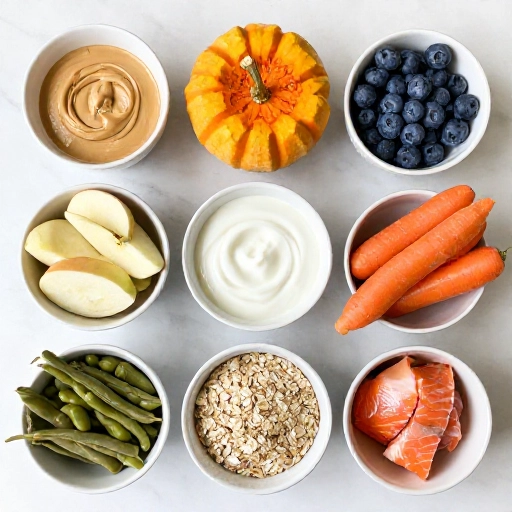
Here is the star lineup! These are the ten safe foods that make up the base of all my recipes. I’ve also included some quick substitution ideas just in case you’re missing an ingredient or your pup has a specific preference.
- Plain Pumpkin (not pie filling): Great for digestion. Sub with mashed sweet potato.
- Blueberries: Packed with antioxidants. Sub with chopped strawberries.
- Carrots: Great for teeth. Sub with green beans (cooked).
- Plain Greek Yogurt (no sweeteners): Probiotics for gut health. Sub with unsweetened kefir.
- Peanut Butter (xylitol-free): A favorite protein source. Sub with unsweetened applesauce.
- Cooked Sweet Potato: Full of fiber and vitamin A. Sub with cooked butternut squash.
- Apples (no seeds): A sweet, crunchy treat. Sub with ripe pears.
- Green Beans: Low-calorie crunch. Sub with steamed broccoli florets.
- Cooked Oatmeal: A soothing grain. Sub with cooked quinoa.
- Plain Cooked Chicken (no skin/bones): Lean protein. Sub with boiled turkey or lean beef.
Always double-check that your peanut butter does not contain xylitol—it’s highly toxic to dogs. When using yogurt, ensure it has no artificial sweeteners or fruit syrups. Keep it plain and simple!
How to Prepare: Step-by-Step Guide to Doggy Delights
Now for the fun part! I’m going to walk you through a few super simple ways to combine these safe foods. We’ll make a batch of frozen yoghurt bites, some crunchy sweet potato chews, and a simple chicken and veggie mix that works great as a meal topper.
Frozen Blueberry Yogurt Bites: In a bowl, mix 1 cup of plain Greek yogurt with 1/2 cup of mashed blueberries. Spoon the mixture into silicone molds or an ice cube tray. Freeze for 4 hours or until solid. These are perfect for hot summer days.
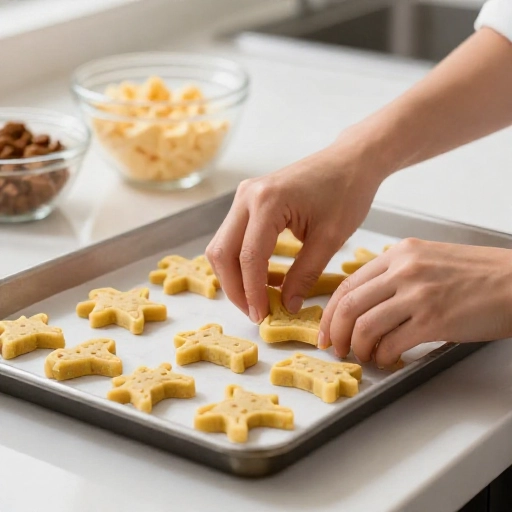
Sweet Potato Chews: Preheat your oven to 250°F (120°C). Wash and thinly slice a sweet potato into 1/4-inch rounds. Place them on a baking sheet lined with parchment paper. Bake for 2.5 to 3 hours, flipping halfway, until they are chewy and slightly crispy. They’ll shrink and become dense, chewy strips that dogs go crazy for.
Chicken & Veggie Topper: Boil one boneless, skinless chicken breast until fully cooked. Shred it with two forks. Steam a handful of carrots and green beans until tender. Mix the shredded chicken with the veggies and a spoonful of pumpkin. Store in an airtight container in the fridge for up to 4 days. Add a spoonful to their dinner for a nutritional boost.
The recipes are endlessly flexible. Once you know the safe foods, you can mix and match them to create new textures and flavors. Just keep the portions small and simple.
Storage & Serving: Feeding Guidelines and Tips
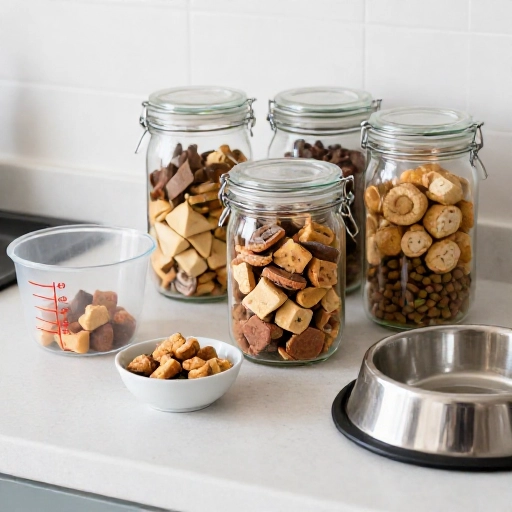
Knowing how to store these homemade treats is crucial for keeping them fresh and safe. Because these recipes don’t contain preservatives, they won’t last as long as store-bought treats, but they’ll still stay tasty for a good while.
Frozen treats (like the yogurt bites) can be stored in a zip-lock bag in the freezer for up to 3 months. Just make sure to label the bag with the date so you don’t forget. Baked goods (like sweet potato chews) should be kept in an airtight container in the refrigerator and will last for about a week. You can also freeze them for up to 3 months and thaw them as needed.
Fresh mixes (like the chicken topper) will stay fresh in the fridge for 3 to 4 days. Always smell it before serving to ensure it hasn’t spoiled. When it comes to portion sizes, treats should only make up about 10% of your dog’s daily calorie intake. A small dog might only need a couple of bites, while a large breed can enjoy a bigger helping. When in doubt, start small.
Always monitor your dog when giving them a new treat to make sure they chew properly and don’t choke on larger pieces. Cut everything into size-appropriate chunks for your specific pup.
Final Verdict & Summary: Is It Worth the Hype?
Absolutely, yes! Switching to these safe, whole-food treats has been a game-changer in my house. It’s so rewarding to see my dog get excited about healthy snacks that I know are doing him good. The best part is that these ingredients are usually already in my kitchen, so I never have to make a special trip to the pet store.
These ten foods are safe, affordable, and incredibly versatile. They bridge the gap between feeding your pet and treating them like family. The recipes are so quick that they fit into even the busiest schedules, and they’re a great way to use up leftover veggies or fruit before they go bad.
I encourage you to start with one simple recipe—maybe the frozen yogurt bites or the sweet potato chews—and see how much your dog loves them. Once you see that happy tail wag, you’ll never go back to processed treats again. Your pup will be healthier, happier, and totally obsessed with you.
Frequently Asked Questions
Can I give my dog these safe foods every day?
Yes, but moderation is key. You can give small amounts of safe foods like carrots or blueberries daily as part of a balanced diet. However, treats (even healthy ones) should not exceed 10% of their daily caloric intake to prevent weight gain.
What is the most toxic food for dogs?
Xylitol (an artificial sweetener) is the most dangerous, followed by grapes and raisins, onions, garlic, and chocolate. Always keep these far away from your pup. Xylitol is often found in sugar-free peanut butter, so always check labels.
How do I know if my dog has a food allergy?
Common signs include itchy skin, excessive scratching, ear infections, or digestive upset like vomiting or diarrhea. When introducing a new food, wait 3-5 days before adding another one. This makes it easier to pinpoint the culprit if a reaction occurs.
Are raw vegetables safe, or should they be cooked?
It depends on the veggie. Carrots and cucumber are great raw. However, vegetables like sweet potatoes and green beans are easier to digest when cooked. Cooking breaks down the tough cell walls, making nutrients more accessible and preventing choking hazards.
Can puppies eat these same safe foods?
Yes, but you need to be extra careful with portion sizes and texture. Puppies have sensitive tummies, so introduce foods one at a time in very small, mushy pieces. Always consult your vet before introducing a wide variety of human foods to a puppy under six months old.