11 Cheap DIY Outdoor Dog Area Ideas That Look Expensive (But Cost Pennies)
Let’s be honest—our dogs deserve the best backyard spot, but the price tags on fancy dog runs and outdoor kennels are enough to make anyone cringe. I’ve spent way too many weekends scrolling through Pinterest, dreaming about a Pinterest-worthy dog zone, only to close my laptop because the budget just wasn’t there.
That’s when I got creative. I started building my own dog area using stuff I already had, a few thrift store finds, and some serious bargain hunting. The result? A backyard space my pup absolutely adores—and it cost me less than a single pizza night. Here are 11 ridiculously cheap DIY outdoor dog area ideas that you can tackle this weekend, even if you’re not a carpenter.
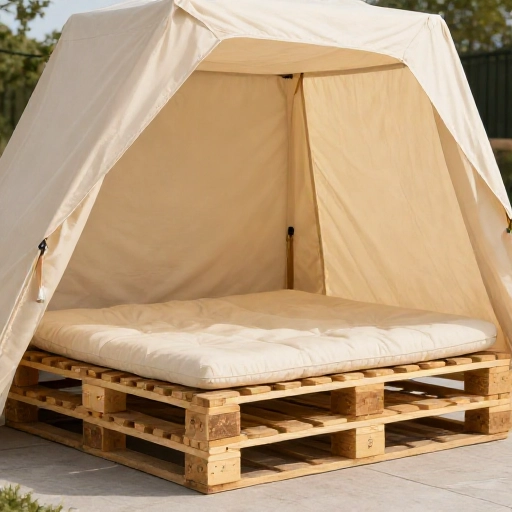
1. Pallet Dog Lounge with Free Shade
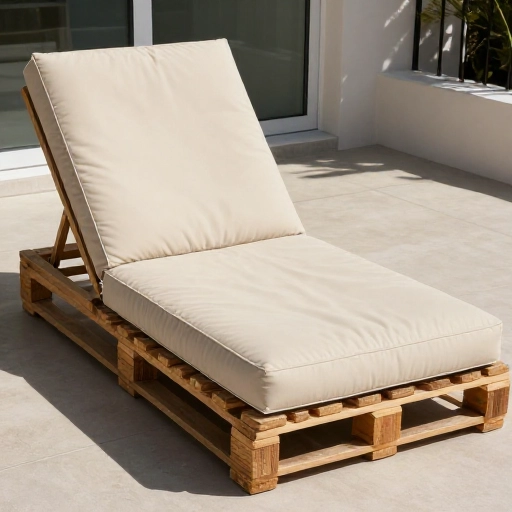
Wood pallets are the holy grail of cheap DIY projects. I found mine for free behind a local hardware store. Sand them down to prevent splinters, stack two or three high, and you’ve got an instant elevated lounging platform that keeps your dog cool during hot summer days.
The best part? You can add an old bedsheet or a cheap tarp over a few PVC pipes to create a shaded canopy. My dog thinks he’s royalty up there. Add a thrifted outdoor cushion (wash it first!) and you’re done.
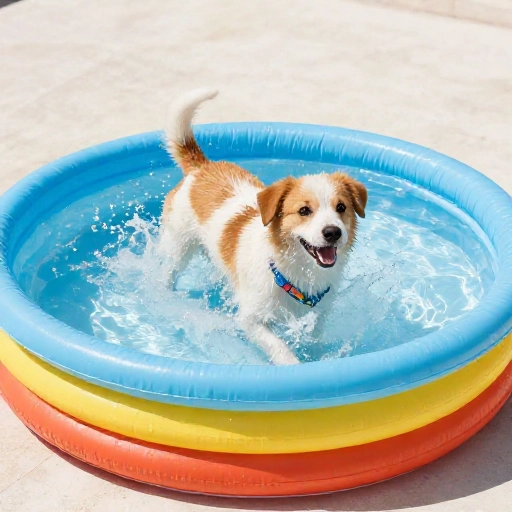
2. Kiddie Pool Turned Splash Zone
Grab one of those hard plastic kiddie pools from a garage sale—I paid $3 for mine. But don’t just fill it with water. That gets boring fast. Instead, bury the pool slightly into the ground so it sits flush with the grass, then fill it with play sand or pea gravel.
Dogs love digging, and this gives them a designated dig pit that doesn’t destroy your flower beds. To make it even better, bury a few of their favorite toys underneath the sand. It’s cheap, it’s interactive, and it keeps them busy for hours.
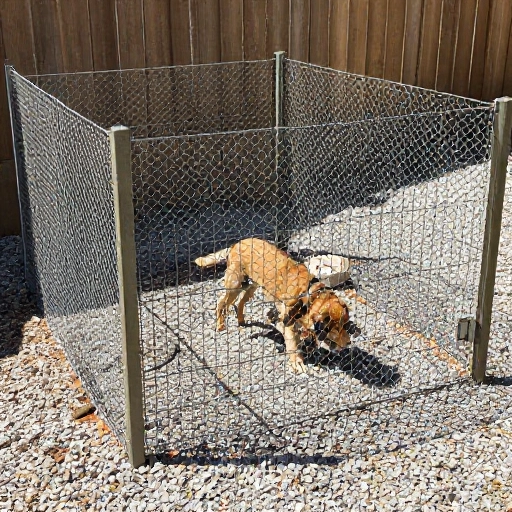
3. Chicken Wire Fence for a Dedicated Potty Zone
If you’re tired of your dog roaming the whole yard for bathroom breaks, create a small designated potty area. You don’t need expensive fencing. A roll of chicken wire and a few wooden stakes (or even sturdy branches) will do the trick.
Mark out a small rectangle, lay down some pea gravel or artificial turf (check clearance sections for scraps), and secure the wire around it. The visual barrier tells your dog “this is the spot.” It saves your grass and makes cleanup a breeze.
4. Repurposed Tires for a Tough Chew Zone
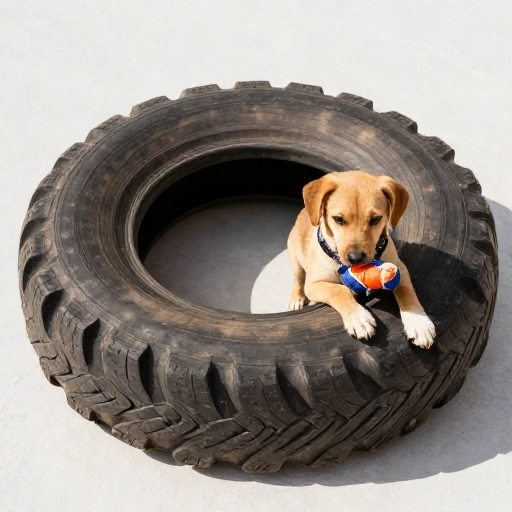
Old tires might seem like junk, but to a dog, they’re pure gold. Clean them thoroughly with soap and water, then arrange them in a circle or a rough shape on the ground. Fill the center with dirt or sand and plant some hardy grass.
I also hung one from a sturdy tree branch with a heavy-duty rope for a tug toy that costs nothing. Just make sure to check the tire for any metal wires sticking out. This gives your pup a durable play area that won’t fall apart after one session.
5. Gravel Path for a Defined Runway
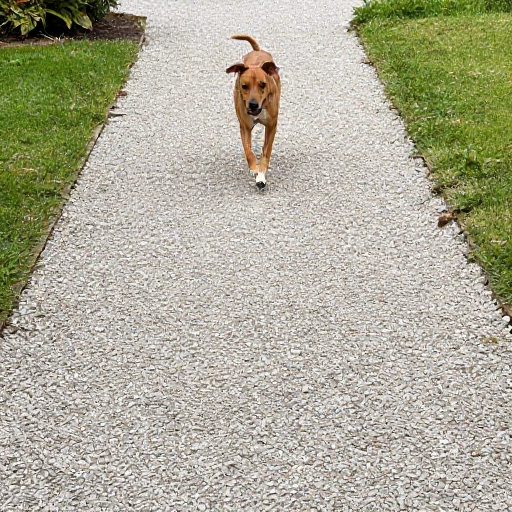
Dogs love having a designated path to run along. I dug a shallow trench around the perimeter of my yard and filled it with cheap landscaping gravel (clearance bags are your friend). It creates a defined running track that also helps with drainage.
You don’t need a lot to make a difference. Just a 12-inch wide strip along the fence line gives your dog a clear “road” to zoom down. It also keeps mud from tracking into the house because the gravel helps scrape off dirty paws.
6. Tire-Step Agility Course
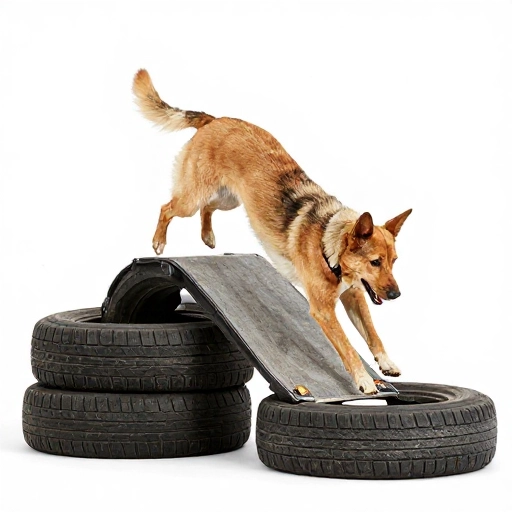
Line up a few old tires flat on the ground and you’ve got a stepping-stone agility course. Space them about a foot apart so your dog has to hop from one to the next. This is fantastic for mental stimulation and doesn’t require any real construction.
For an extra challenge, stack two tires on one side to create a small jump. I used leftover spray paint to make them look intentional and cute. It’s an activity zone that makes your dog think, and it costs zero dollars if you scavenge tires.
7. Shade Sail from an Old Sheet
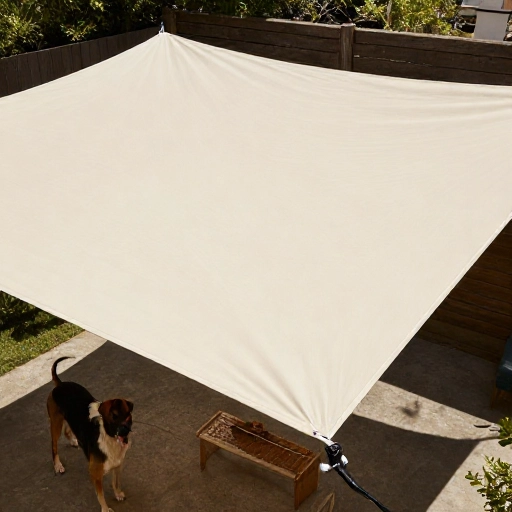
Sun protection is a must, but pergolas are expensive. I bought a cheap canvas tarp from a discount store and attached it to the fence and a tree with some heavy-duty zip ties and carabiners. It creates a beautiful, angled shade sail that looks custom.
You can also use an old bedsheet if you double it up, but a tarp lasts longer. Position it over your dog’s favorite lounging spot and you’ll notice they spend way more time outside. This is a game-changer for summer afternoons.
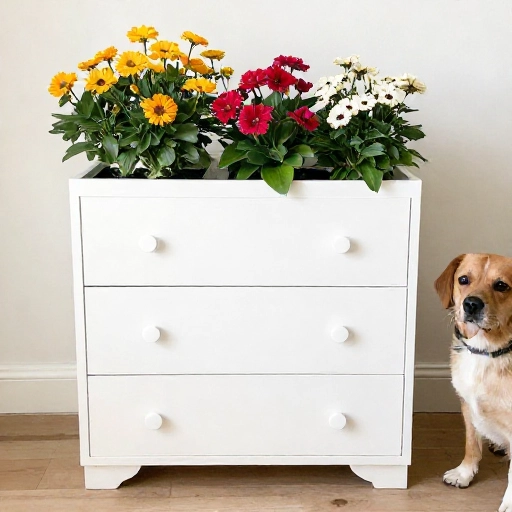
8. Upcycled Dresser Drawer Planter Box
Found an old dresser on the curb? Pull out a couple of drawers, sand them, and drill a few drainage holes in the bottom. Now you have rustic planter boxes. Fill them with dog-safe herbs like rosemary and mint, or even just some tough grass.
These planters define the edges of your dog area and add a cozy, homey feel. Plus, the raised sides give a small dog a nice little perch to survey the yard. It’s a charming, cheap way to add structure without buying new furniture.
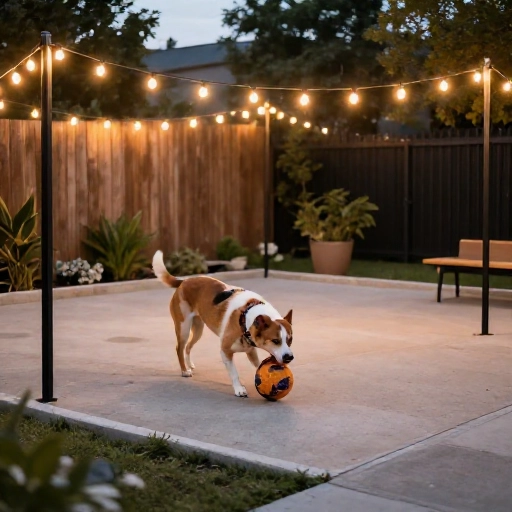
9. String Light Ambiance for Evening Play
You don’t need expensive outdoor lighting to make your dog area feel magical. Grab a few strands of cheap solar string lights from a dollar store or seasonal clearance rack. Weave them through the fence or along the top of the pallet lounge.
This isn’t just for looks—it helps you see your pup during those late evening potty breaks. The soft glow also makes the space feel welcoming. I spent $5 on a strand and it completely transformed the vibe of the yard.
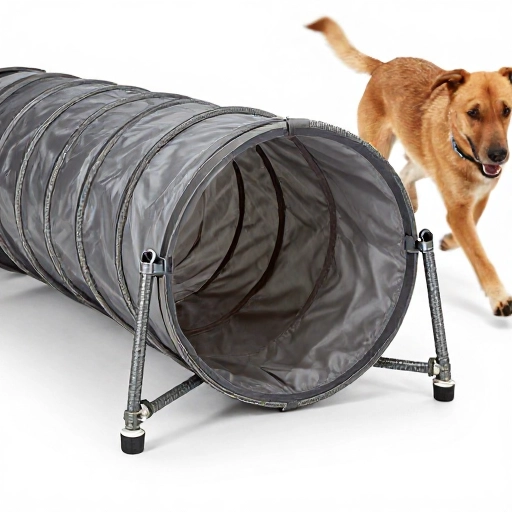
10. Rebar and PVC Pipe Agility Tunnel
This one’s a bit more involved but still cheap. Get a few pieces of flexible PVC pipe and some rebar stakes. Bend the PVC into a low arch and secure it into the ground with the stakes. Then, drape an old shower curtain or drop cloth over it to make a tunnel.
Dogs love going through tunnels. It gives them a sense of adventure right in your backyard. Just make sure the opening is big enough for your dog’s size and that there are no sharp edges. Mine loves to hide in there with a toy.
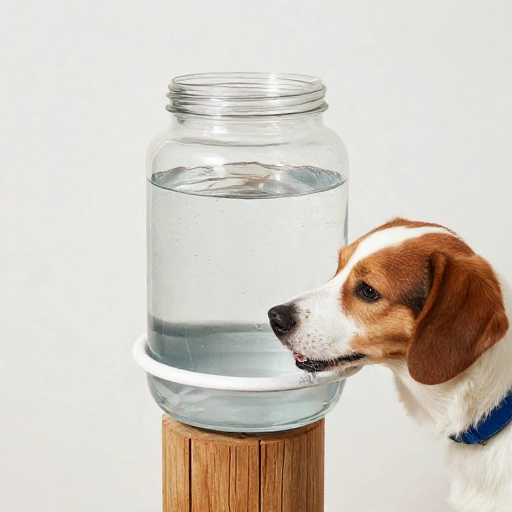
11. Mason Jar Water Station
Okay, this isn’t a whole “area” but it’s the finishing touch. Instead of buying a fancy pet fountain, I took a large mason jar and a cheap ceramic bowl. I set the jar upside down in the bowl, and it acts as a self-refilling water source.
You can also use a terracotta pot saucer and a big bottle. It’s the simplest hack on this list, but it keeps your dog hydrated and makes the area look polished. Just make sure to clean it daily so the water stays fresh.
Wrapping It Up
Building a dedicated outdoor dog area doesn’t have to break the bank. With a little creativity and some scavenging, you can create a space that’s functional, fun, and beautiful. My dog now has his own corner of the yard, and honestly, I’m a little jealous of it.
Start with one or two of these ideas and build from there. You’ll be amazed at how much joy a simple, cheap setup can bring to your furry friend. Happy DIY-ing, and remember—the best projects are the ones you build with love (and a little bit of duct tape).
Frequently Asked Questions
Q: What is the cheapest ground cover for a dog area?
Pea gravel is probably the most affordable and durable option. It drains well, doesn’t get muddy, and is easy to clean. You can often find it cheap at landscaping supply stores.
Q: How do I keep my dog’s DIY area from smelling bad?
Baking soda is your best friend. Sprinkle it over the area, let it sit for 15 minutes, and then sweep or rake it up. For gravel or sand, you can also mix in a little bit of activated charcoal.
Q: Are pallets safe for dogs?
Yes, but only if you sand them down thoroughly to remove splinters and check for any chemical treatments. Look for pallets marked with “HT” (heat-treated) which are safer than those treated with chemicals.
Q: Can I use regular string lights outside?
You should always use outdoor-rated or solar string lights to avoid electrical hazards. Solar lights are the best option because they don’t require any wiring and are completely safe.
Q: How do I keep bugs away from the dog area?
Plant dog-safe herbs like rosemary, lavender, and mint around the perimeter. They naturally repel mosquitoes and fleas. You can also sprinkle food-grade diatomaceous earth on the ground to keep pests at bay.