7 Steps to Raise a Calm and Relaxed Dog

I remember bringing my first puppy home, a whirlwind of sharp teeth and boundless energy. I dreamed of a calm companion, but reality was more like a tiny, furry tornado. I quickly learned that a relaxed dog isn’t born—it’s raised. It’s about building confidence and security from the ground up.
Through trial, error, and a lot of patience, I discovered a calm dog is a happy dog, and a happy dog makes for a peaceful home. It’s not about suppressing their spirit, but about guiding their energy and teaching them how to navigate our busy world. These seven steps became my roadmap, transforming my anxious pup into the grounded friend I always wanted.
1. Master the Art of Predictable Routines
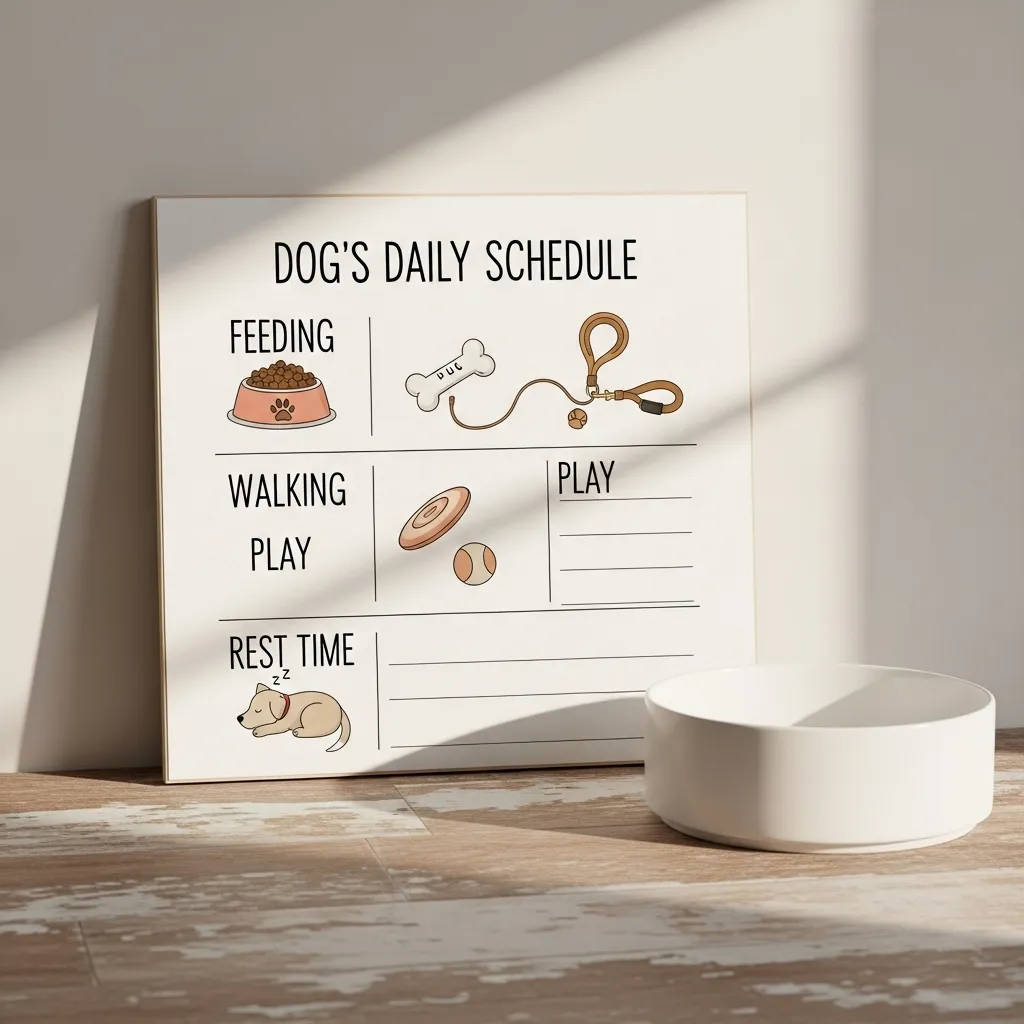
Dogs thrive on knowing what comes next. A predictable schedule for meals, walks, potty breaks, and quiet time reduces their anxiety. When their world feels secure, they don’t need to be on high alert.
I started by setting consistent times for the big three: morning walk, breakfast, and evening meal. This structure told my dog, “I’ve got you, your needs will be met.” The frantic energy began to melt away because she wasn’t constantly wondering when her next adventure or snack would be.
Think of routine as the steady rhythm that allows your dog to relax into the melody of your day together.
2. Make Exercise a Daily Non-Negotiable
A tired dog is a good dog—it’s a cliché because it’s true. Physical activity burns off the nervous energy that often turns into chewing, barking, or pacing. But it’s more than just a physical outlet.
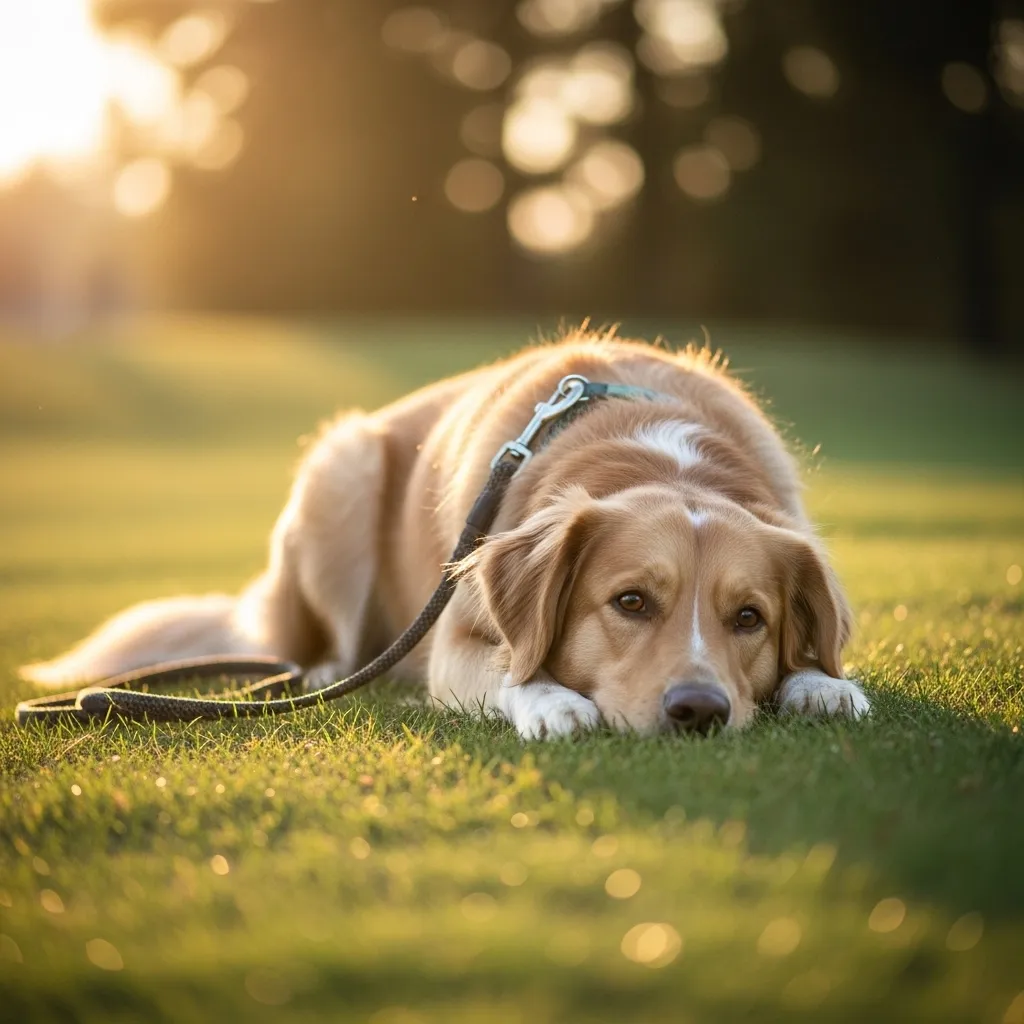
I learned that a long sniffy walk is often better than a frantic run. Letting my dog explore smells is like letting her read the neighborhood newspaper; it’s mentally exhausting in the best way. We mix it up with fetch, short training games, or a puzzle toy to engage both body and brain.
Consistent, adequate exercise is the cornerstone of calm behavior.
3. Teach an “Off-Switch” with Calmness Cues
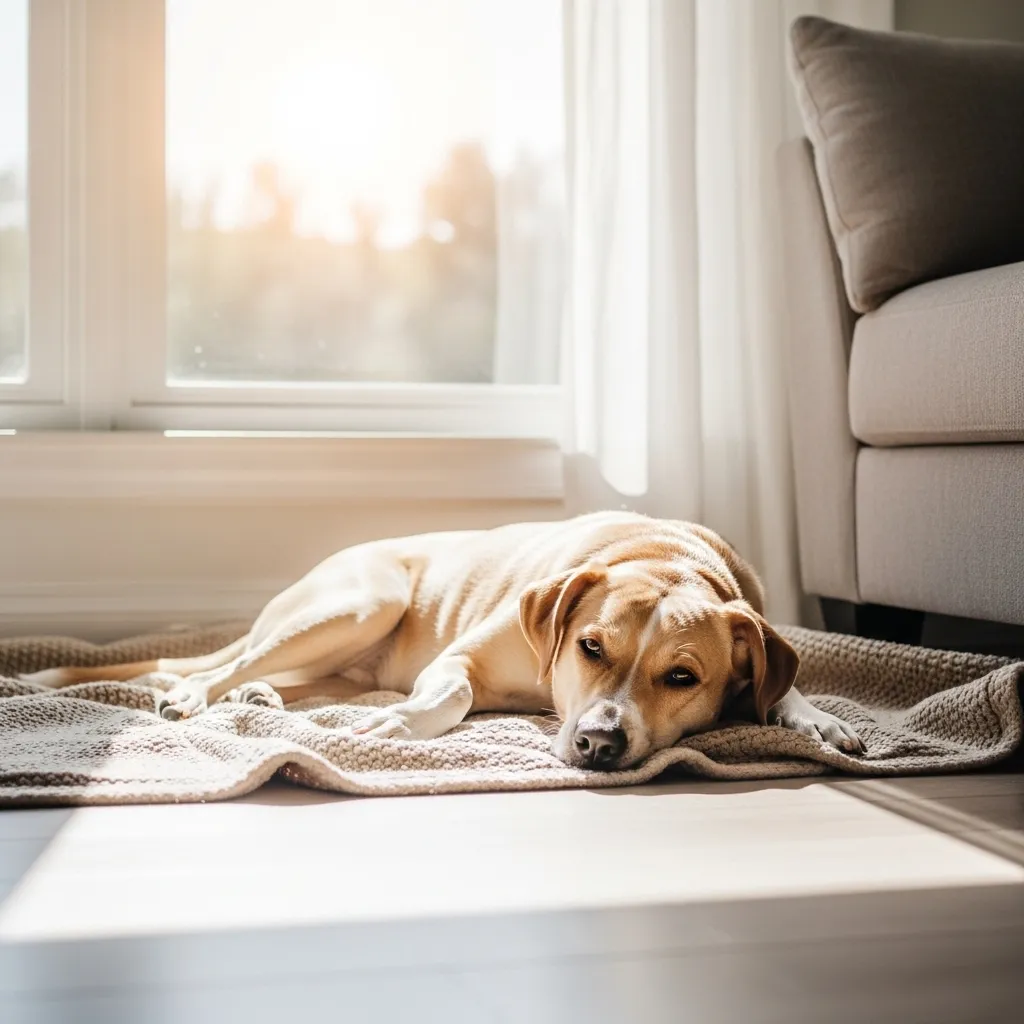
We’re great at teaching “sit” and “stay,” but we often forget to teach “chill.” I started capturing and rewarding calm moments. When my dog settled on her bed voluntarily, I’d quietly drop a treat between her paws.
I also introduced a specific “settle” cue, like “go to your mat.” This became her job—to relax. Start with short durations and build up. This teaches them that doing nothing is not only okay, it’s rewarding. It gives them a clear behavior to default to when the house is busy or they feel unsure.
This skill is a gift—it gives your dog a way to self-soothe.
4. Build Confidence Through Positive Training
Fear is the enemy of calm. Using force or intimidation might create a subdued dog, but never a truly relaxed one. Positive reinforcement builds trust and confidence.
I focus on rewarding the behaviors I want (like sitting politely) instead of punishing what I don’t. This makes learning fun and builds our bond. A dog who trusts you to be a kind, predictable leader is a dog who can relax in your presence.
Every “yes!” and treat for a good choice makes your dog feel more capable and secure in their world.
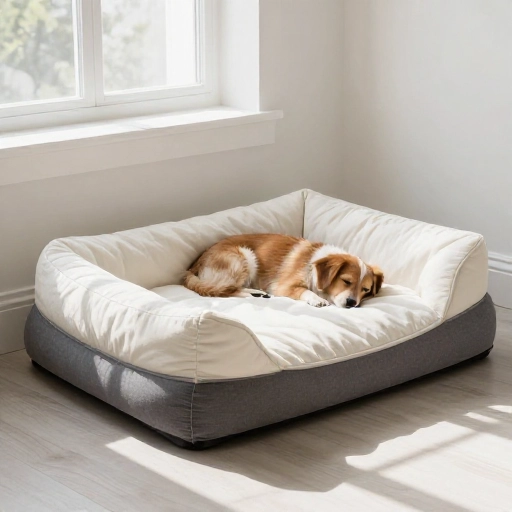
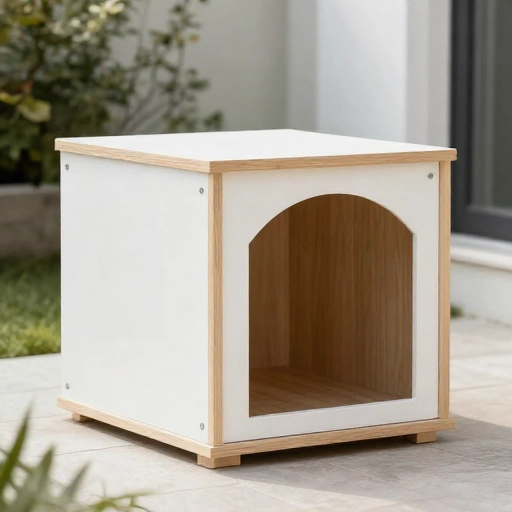
5. Create a Dedicated Safe Haven
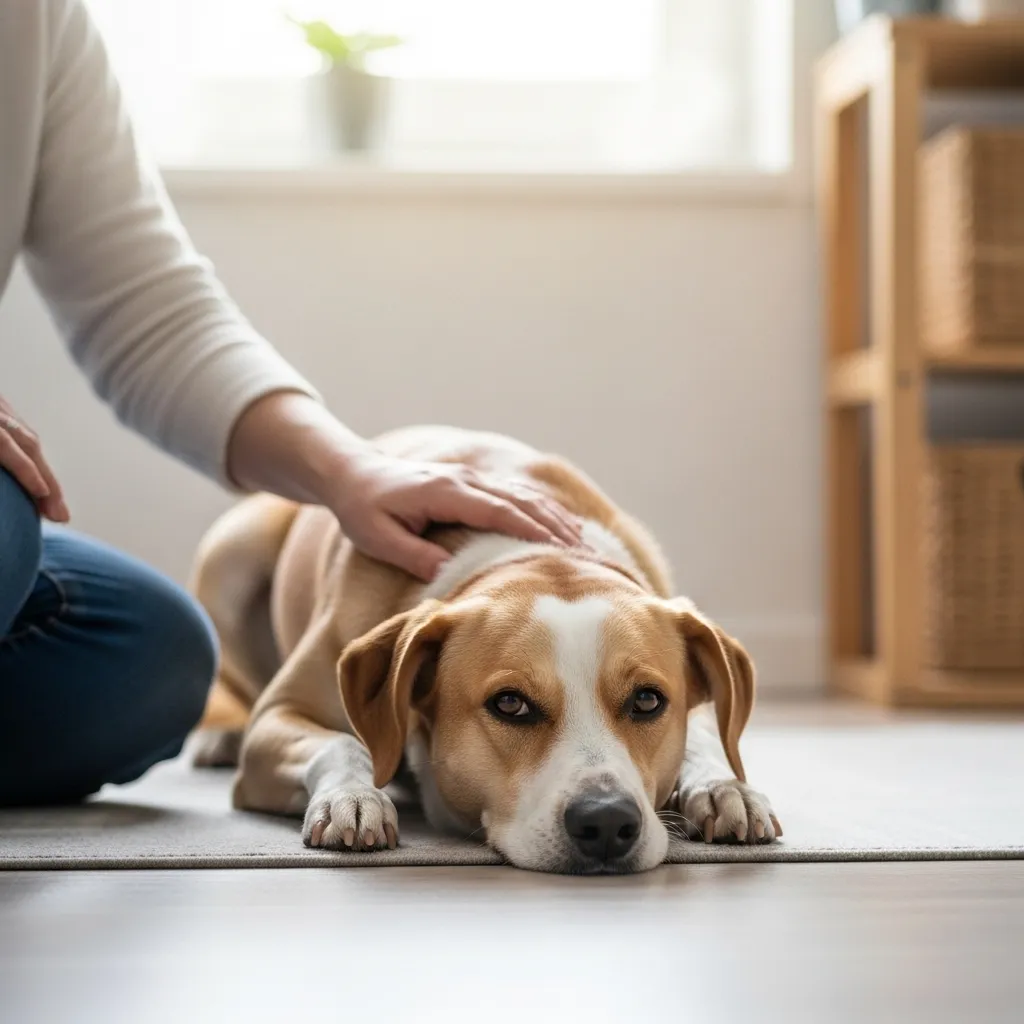
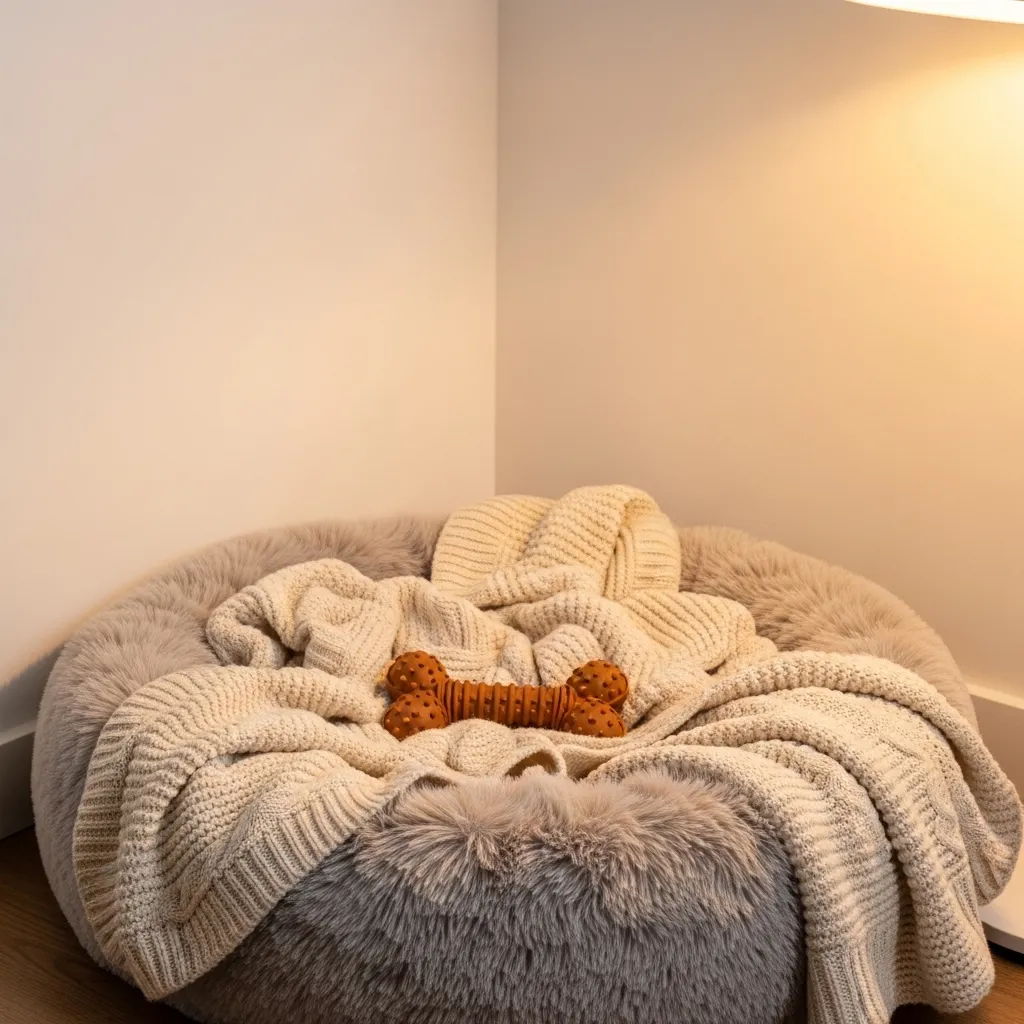
Every dog needs a retreat, a place that’s entirely theirs where they are never bothered. For my dog, it’s a cozy crate with a soft blanket in a quiet corner.
This is her sanctuary. Kids, guests, and even I leave her alone when she’s there. It’s her signal for “I need a break.” Teaching her to love this space gave her control over her environment. When noises or chaos became too much, she’d put herself to bed, knowing she was safe.
A safe haven is essential for decompression.
6. Practice Mindful Socialization
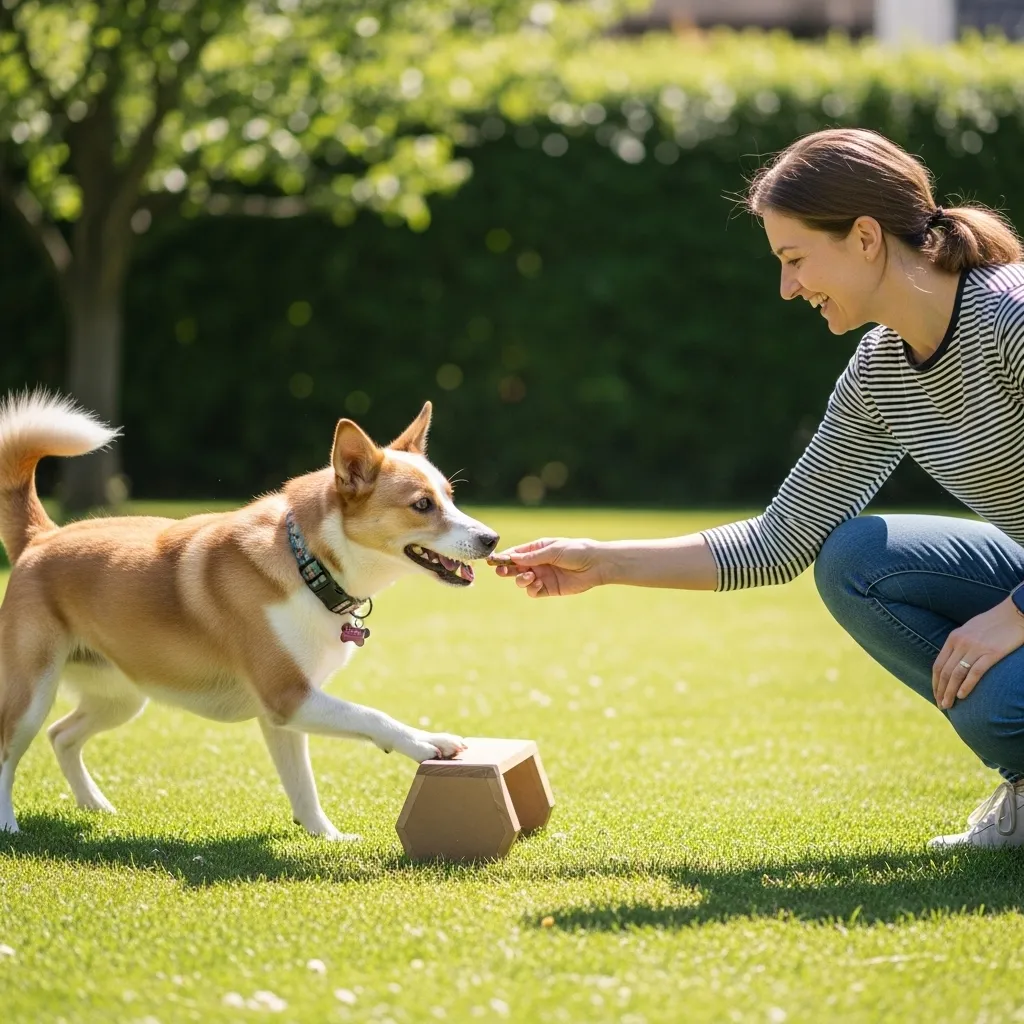
Socialization isn’t about meeting every person and dog. It’s about having positive, neutral experiences. Forcing interactions can create fear. I learned to watch my dog’s body language closely.
We’d often just sit on a park bench and watch the world go by. I’d give treats for calm behavior, building the association that busy environments are no big deal. Quality over quantity was key. A well-socialized dog is not overly excited or fearful; they are calmly observant.
This builds a dog who is neutral and comfortable in various settings.
7. Manage Your Own Energy
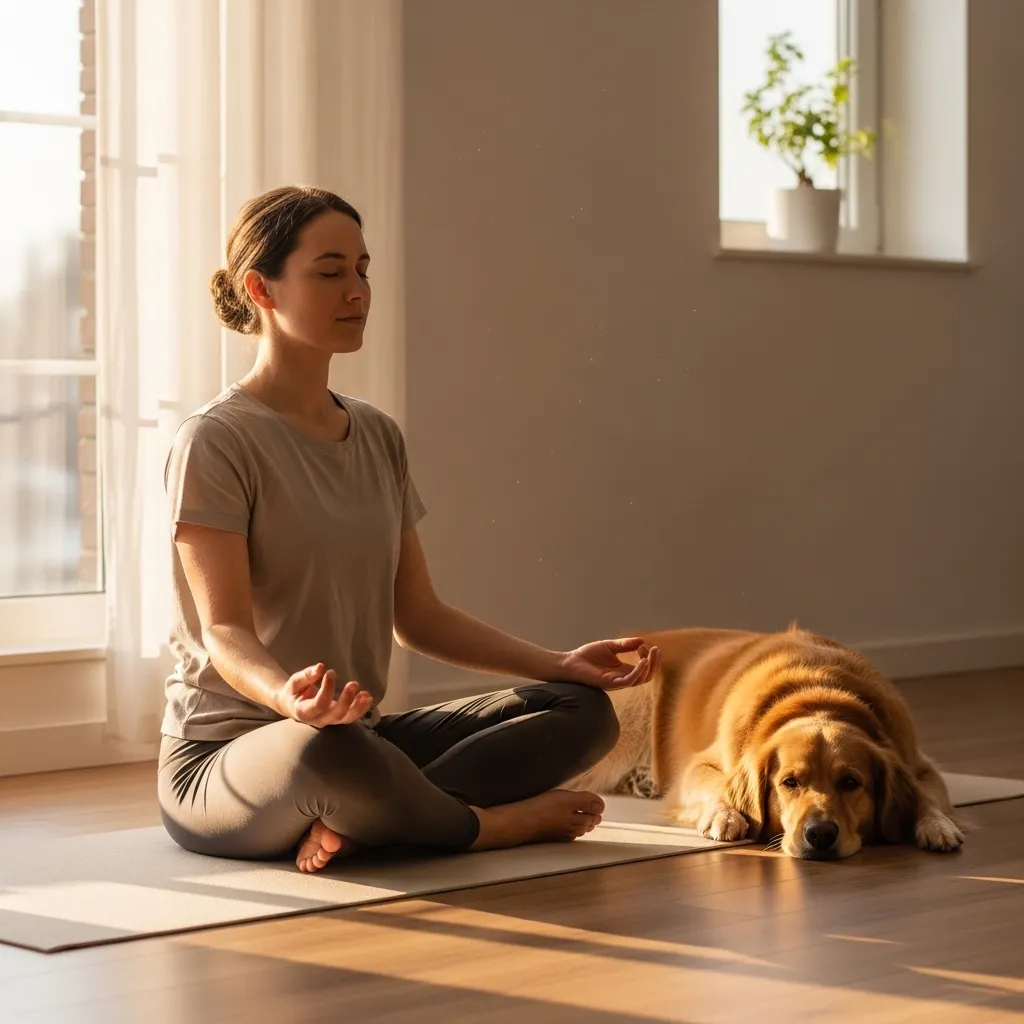
Dogs are emotional sponges. If I’m stressed, rushed, or anxious, my dog mirrors that energy instantly. Cultivating my own calm has been one of the most powerful steps.
I take a deep breath before clipping the leash. I use a calm, steady voice. I move deliberately. When I manage my own state, I give my dog permission to relax. They look to us for cues on how to react to the world. A relaxed owner is a powerful signal of safety.
Your calm is contagious—make it a practice.
A Final Thought on Your Calm Companion
Raising a calm dog is a journey, not a destination. Some days will be better than others, and that’s perfectly okay. What matters is the consistent, gentle guidance you provide. By weaving these steps into your life, you’re not just training behaviors; you’re nurturing a confident, secure spirit.
Start with one step that feels doable today. Celebrate the small victories—the first time they settle on cue, the peaceful walk, the quiet evening at your feet. That dream of a relaxed furry best friend is absolutely within reach.
Your Calm Dog FAQ
Q: My dog is already an adult. Is it too late to start?
A: Never! Adult dogs can absolutely learn new, calm habits. It may take a bit more patience, but the principles are the same. Start with routine and confidence-building.
Q: How long does it take to see results?
A> You might see small changes in a few weeks, but building lasting calm is a months-long process. Consistency is your most important tool.
Q: My dog sleeps all day but is crazy at night. Help!
A> This is often a schedule issue. Adjust exercise and mental stimulation to be later in the afternoon/evening. A calming routine before bed (like a chew toy) can also help.
Q: What if my dog is fearful, not just energetic?
A> These steps are a great foundation. For significant fear, go extra slow and consult a force-free professional trainer. Never force a fearful dog into a scary situation.
Q: Is a “calm” dog a boring dog?
A> Not at all! A calm dog is a confident dog. They can still play, explore, and be joyful. The difference is they have an “off switch” and don’t live in a state of constant over-arousal.