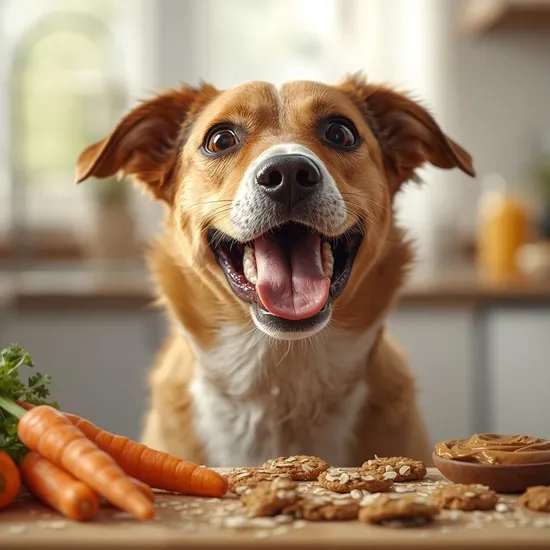
10 Animal Kennels Features Every Dog Owner Needs
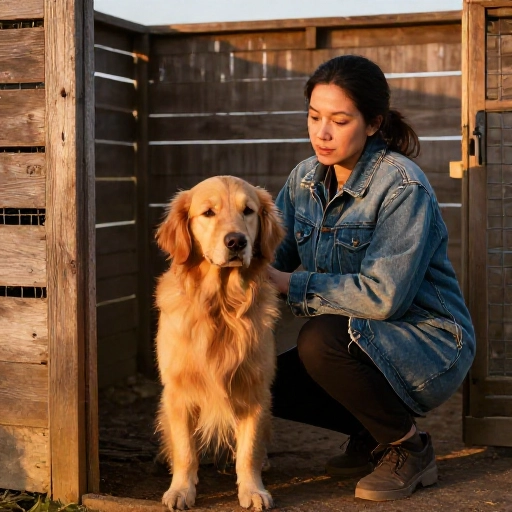
When I first started looking at animal kennels, I thought a sturdy frame and a good lock were enough. Then I watched my dog pace, pant, and struggle to get comfortable, and I realized the little details matter just as much as the size.
Whether you’re setting up a backyard kennel, a boarding area, or a safe daytime retreat, the right features can mean less stress, less odor, and a much happier dog.
Here are the 10 animal kennel features I now consider non-negotiable. They’re practical, easy to spot when you shop, and worth planning for if you build your own.
1. A Size That Lets Your Dog Stand, Turn, and Stretch
Size is the first feature I check. A kennel should be big enough for your dog to stand up without ducking, turn around, and lie down fully stretched out.
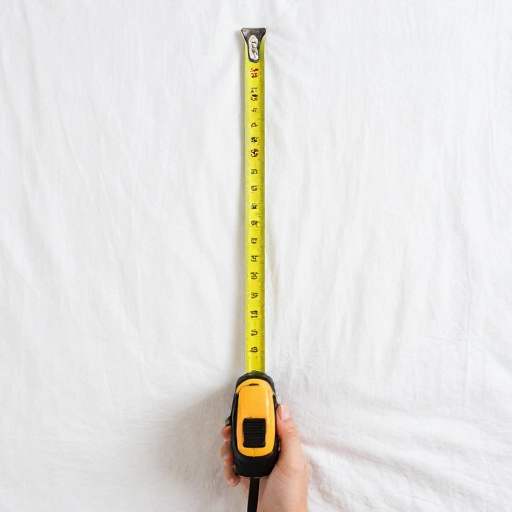
Measure your dog from nose to tail and from floor to the top of the head. Add a few inches for comfort, especially if your dog is still growing.
For animal kennels, bigger isn’t always better. Too much open space can feel scary for some dogs. A cozy size with a clear resting zone often works best.
2. Easy-Clean Floors With Good Drainage
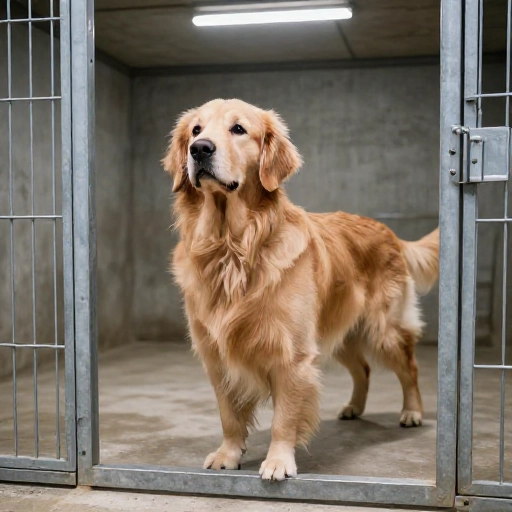
I’ve cleaned enough muddy paws to know that floors make or break a kennel. Smooth, non-porous surfaces are much easier to hose down and disinfect.
Look for sealed concrete, epoxy, or removable trays. A slight slope toward a drain keeps urine and water from pooling where your dog stands.
Good drainage also cuts down on smell. If water sits, bacteria grow fast, and that’s a battle no dog owner wants.
3. Strong Ventilation and Fresh Airflow
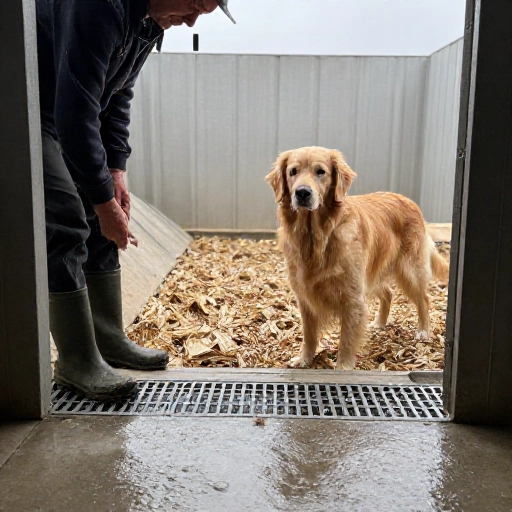
Fresh air is a quiet hero in any kennel. Without it, ammonia from urine and damp bedding can irritate your dog’s eyes, nose, and lungs.
I look for mesh panels, vents, or windows that can be adjusted. Cross-ventilation is ideal because it moves stale air out instead of just stirring it around.
Just avoid direct drafts on your dog’s resting spot. You want air movement, not a cold wind tunnel.
4. Temperature Control for Every Season
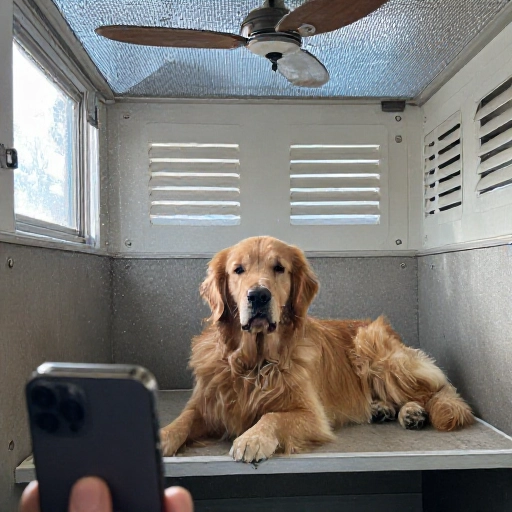
Weather changes fast, and a kennel that bakes in summer or freezes in winter is unsafe. Insulation, shade, and raised bedding all help.
In hot months, I add fans and shade cloth. In cold months, I use thick bedding and block drafts. If you live in an extreme climate, a heated or cooled kennel area is worth the investment.
Your dog can’t tell you when they’re too hot or too cold, so this feature needs to work before the season hits.
5. Escape-Proof Latches and Secure Doors
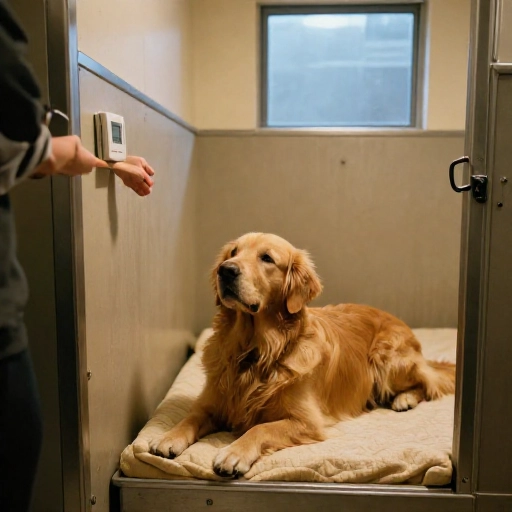
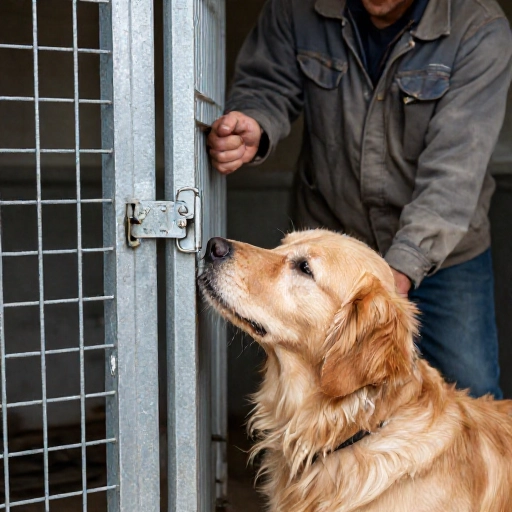
A determined dog can nudge, paw, and push a weak latch open. I want double latches, spring-loaded bolts, and hinges that are tight and covered.
Check the door from your dog’s height, not just yours. If they can reach a latch with a nose or paw, it’s not secure enough.
For outdoor animal kennels, also check the floor and edges. A dig-proof base or buried wire can stop a dog from tunneling out.
6. Comfortable Bedding and a Calm Resting Corner
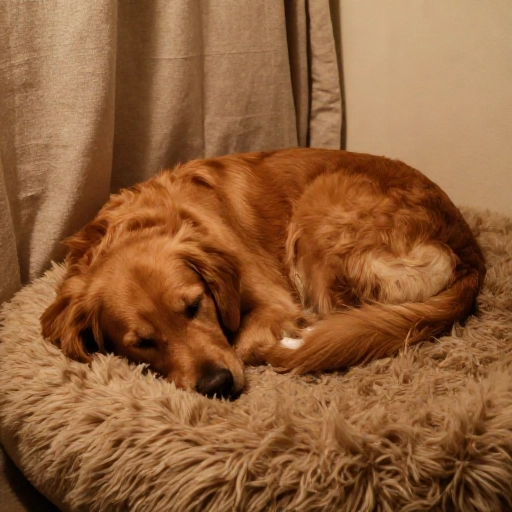
Dogs need a place to switch off. A raised cot, washable bed, or thick blanket gives them a soft landing and keeps them off cold or hot floors.
I like bedding that can be tossed in the wash. It keeps the kennel fresh and makes clean-up quick when accidents happen.
A privacy panel or corner setup can also help anxious dogs feel safe. It gives them a den-like spot while still letting air move.
7. Fresh Water and a Clean Feeding Station
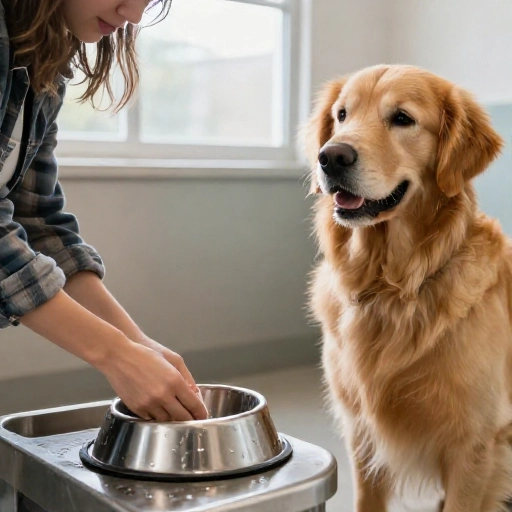
Water should be available at all times, not just at meals. I prefer a mounted bowl or spill-proof bucket that won’t tip over.
Keep food and water bowls slightly apart. It stops kibble from turning soggy and makes the area easier to clean.
Sanitize bowls every few days. In warm weather, I check water more often because bacteria can build up fast.
8. Safe, Non-Toxic Materials and Smooth Edges
Dogs chew, lean, and rub against kennel walls. I avoid sharp wire ends, flaking paint, and rough metal that can cut a nose or paw.
Look for rust-resistant hardware, lead-free finishes, and sturdy materials that won’t splinter. If your dog is a chewer, this feature is especially important.
I do a quick hand check along edges and corners. If it feels rough to me, it’s probably worse for my dog.
9. An Attached Run or Exercise Space
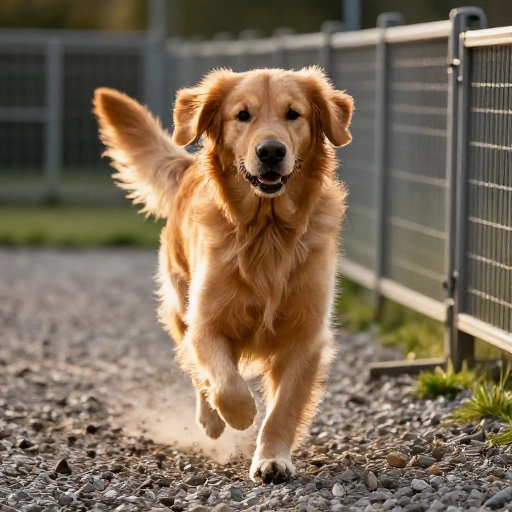
A kennel is a resting and safety zone, not a full-time prison. An attached run gives your dog room to move, sniff, and stretch between naps.
Even a small run makes a difference. It lets your dog choose between sunshine and shade, and it supports potty training routines.
If you can’t add a run, plan for frequent walks, playtime, and training. The best kennel feature is still you showing up.
10. Smart Storage and Easy Access for Humans
I learned this one the hard way: if leashes, poop bags, and cleaning supplies are scattered, I use the kennel less efficiently.
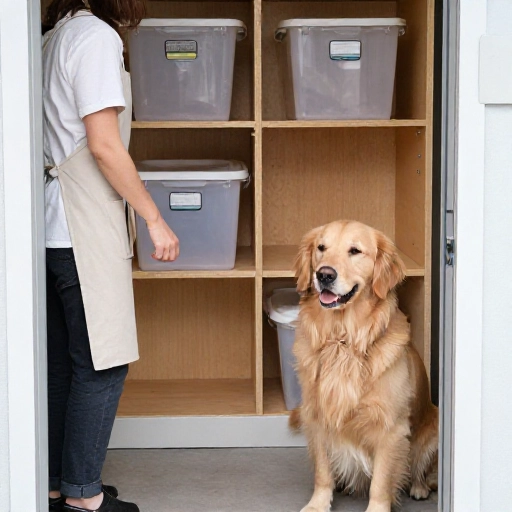
Hooks, shelves, and sealed bins keep everything within reach. I store food in a locked bin, keep a broom nearby, and hang a spare leash at the door.
Easy human access matters too. A gate I can open with one hand makes daily routines safer and faster.
Final Thoughts
The best animal kennels are not just strong, they’re thoughtful. Size, airflow, drainage, safety, and comfort all work together to keep your dog calm and healthy.
If you’re shopping or building, start with the features that match your dog’s size, climate, and daily routine. You don’t need every upgrade on day one. Add them in pieces, and your kennel will become a space your dog actually enjoys.
FAQ
Q: How big should an animal kennel be for one dog?
A: Big enough to stand, turn, and lie down stretched out. Add a few inches for comfort, but avoid so much open space that your dog feels exposed.
Q: What flooring is best for a dog kennel?
A: Sealed concrete, epoxy, or removable trays with drainage. They’re easy to disinfect and help control odor.
Q: Can a dog stay in a kennel all day?
A: A kennel is best for short-term safety, rest, or travel. Dogs still need exercise, potty breaks, social time, and mental stimulation every day.
Q: How do I stop my dog from escaping the kennel?
A: Use double latches, secure hinges, and a dig-proof base. Check the door and panels often for loose spots or wear.
Q: What should I put inside a dog kennel?
A: Fresh water, washable bedding, a safe toy, and a calm resting corner. Keep food stored separately and clean bowls regularly.