12 Best Tips for Your Norwegian Forest Cat
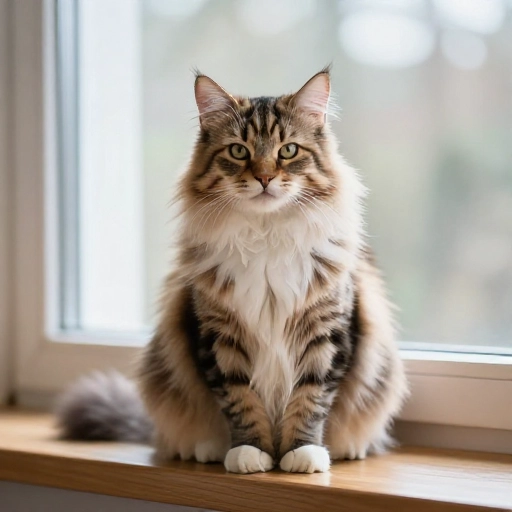
When I first brought home my Norwegian Forest Cat, I quickly realized this was no ordinary fluffy lap cat. With a majestic mane, a personality as wild as the forests they came from, and a surprising love for high places, these cats are truly special. They’re gentle giants with a playful streak that never really fades.
After years of learning the ropes, I’ve gathered the most practical advice for keeping your Wegie happy, healthy, and thriving. Whether you’re a new owner or just thinking about adopting one, these 12 tips will help you understand your furry friend a little better.
1. Invest in a Good Brush and Use It Often
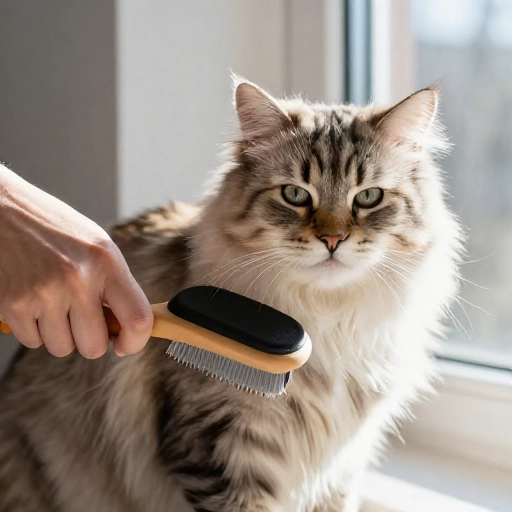
Norwegian Forest Cats have a thick, double-layered coat that can mat easily if you’re not careful. I brush my cat at least three times a week, and during shedding season, it becomes a daily ritual.
Start with a wide-toothed comb to work through tangles, then follow up with a slicker brush to remove loose fur. Your cat might grumble at first, but keeping them tangle-free is worth the effort.
Trust me, you’ll save yourself a lot of hairball cleanup later.
2. Create High Perching Spots Around Your Home
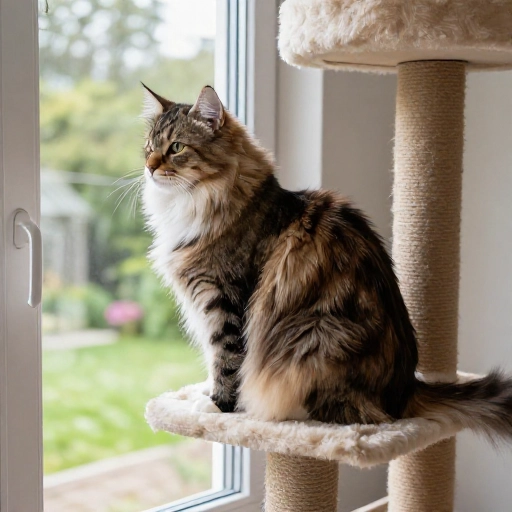
These cats are natural climbers. In the wild, they would survey their territory from the treetops. In your home, that means cat trees, wall shelves, and even the top of a sturdy bookshelf.
I have a tall cat tower near a window, and it’s my cat’s absolute favorite place. They love watching birds and squirrels from up high.
Giving them vertical space also helps them feel secure and confident.
3. Feed a High-Quality, Protein-Rich Diet
Norwegian Forest Cats are big, muscular cats that need good fuel. I feed mine a mix of wet and dry food that lists real meat as the first ingredient.
They can be prone to weight gain if overfed, so measure portions carefully. A healthy diet keeps their coat shiny and their energy levels steady.
Always have fresh water available too—they’re not big drinkers, so a cat fountain can encourage them to stay hydrated.

4. Schedule Regular Vet Checkups
While generally healthy, this breed can have some genetic issues like hip dysplasia or heart problems. I take my cat for a checkup at least once a year.
Early detection makes a huge difference. Your vet can also help you keep an eye on their weight and dental health.
It’s a simple habit that pays off in the long run.

5. Give Them Plenty of Interactive Playtime
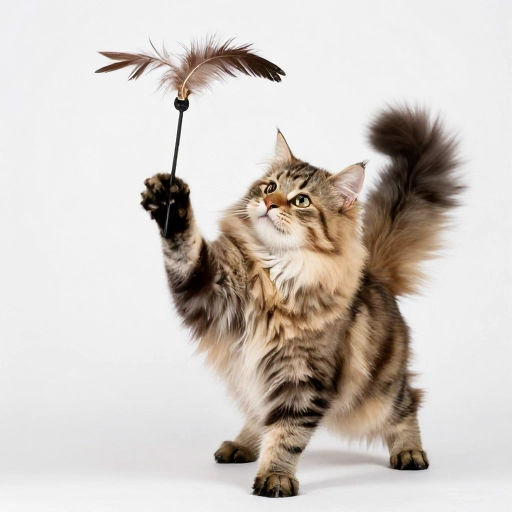
These cats are playful well into their senior years. My cat still chases wand toys like a kitten, even though he’s eight years old.
Set aside 10 to 15 minutes twice a day for interactive play. Puzzle toys are also great for keeping their smart minds busy.
A bored Wegie can become destructive, so keep them entertained.
6. Teach Them Tricks and Commands
Norwegian Forest Cats are intelligent and surprisingly trainable. I taught mine to sit, high-five, and even come when called using positive reinforcement.
Use small treats and keep sessions short. They learn fast when it’s fun.
Training strengthens your bond and gives them mental stimulation.

7. Keep Their Litter Box Clean and Spacious
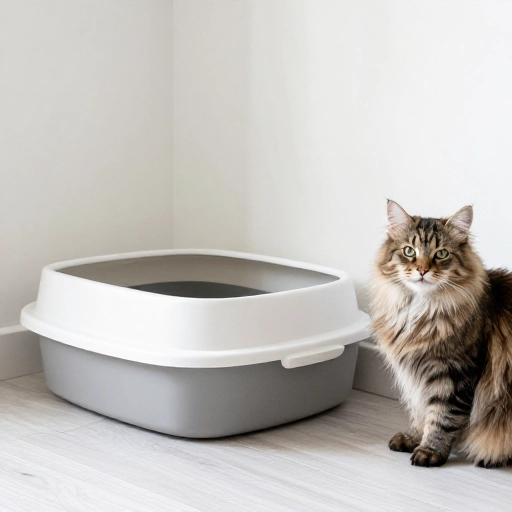
These are big cats, and they appreciate a large, uncovered litter box. I use a storage bin with high sides instead of a standard box.
Scoop daily and change the litter regularly. A clean box is a must for a picky Wegie.
Place it in a quiet, low-traffic area so they feel safe using it.
8. Provide a Scratching Post They Can Stretch On
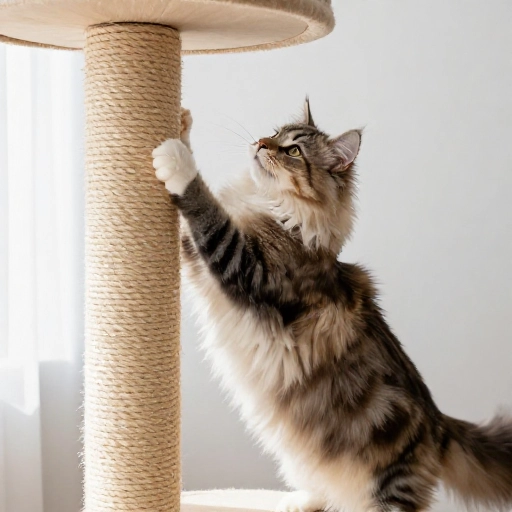
Your cat needs a scratching post that is tall enough for a full-body stretch. I have a sisal-wrapped post that’s over three feet tall.
Place it near their favorite sleeping spot. If they start scratching furniture, gently redirect them to the post.
It saves your couch and keeps their claws healthy.
9. Understand Their Social Personality
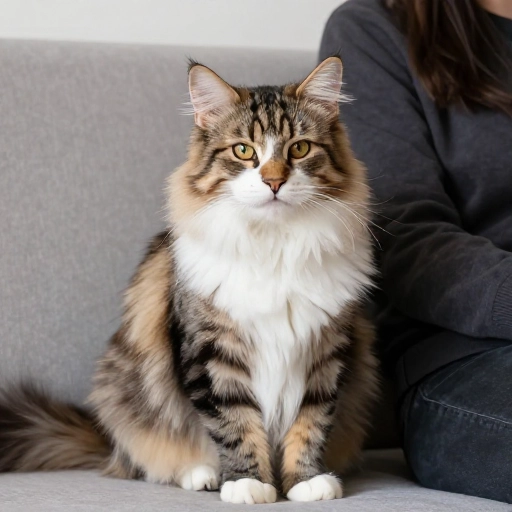
Wegies are affectionate but not overly needy. They like to be near you, but they’re not usually lap cats. Mine follows me from room to room and chats with me in soft chirps.
Respect their independence. They’ll come to you when they want cuddles.
They also get along well with other pets if introduced slowly.
10. Groom Their Mane and Belly Carefully
The fur around their neck and belly is the thickest and most prone to matting. I gently comb these areas with a metal comb, taking care not to pull too hard.
If mats do form, use a detangling spray or carefully cut them out with blunt scissors. It’s better to prevent them with regular grooming.
A well-groomed mane is their crowning glory.

11. Create a Cozy Sleeping Nook
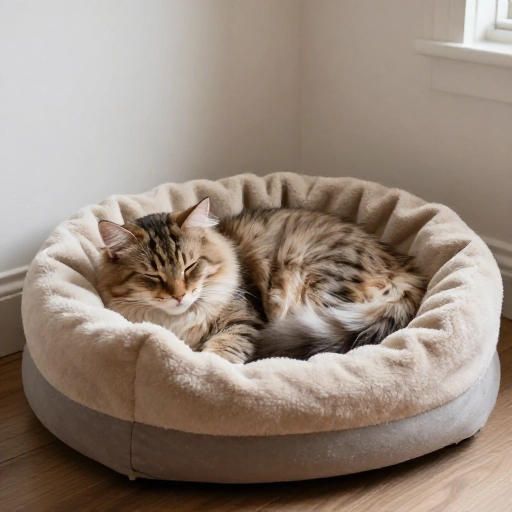
Despite their tough, forest-cat image, they love a soft, warm bed. I placed a plush cat bed in a quiet corner, away from drafts.
They also enjoy sunbathing, so a window perch is a great addition. My cat will nap for hours in a sunny spot.
Make sure they have a few cozy options around the house.
12. Be Patient During the Adjustment Period
Bringing home a Norwegian Forest Cat is wonderful, but they can be cautious at first. Give them space to explore at their own pace.
Use treats and gentle voice to build trust. It took my cat a few weeks to fully settle in.
Your patience will be rewarded with a loyal, loving companion for years to come.
Conclusion
Living with a Norwegian Forest Cat is a joy, but it comes with its own set of responsibilities. From regular grooming to providing plenty of play and climbing opportunities, these small efforts make a big difference in their happiness.
Every cat is unique, so watch your Wegie closely and adjust your routine to what works best for them. With a little patience and a lot of love, you’ll build a beautiful bond that lasts a lifetime.
Frequently Asked Questions
1. Are Norwegian Forest Cats good with children?
Yes, they are generally patient and gentle with children. They enjoy playtime but also know when to retreat to a quiet spot. Supervise interactions with very young kids to keep everyone safe.
2. Do they shed a lot?
Absolutely. They shed moderately year-round and heavily during seasonal changes. Regular brushing is essential to manage the fur and reduce hairballs.
3. Can Norwegian Forest Cats live in apartments?
They can, as long as they have enough vertical space and playtime. A small apartment with tall cat trees and daily interactive play can work well for this breed.
4. How long do they typically live?
With proper care, they often live between 12 and 16 years. Some can even reach their early twenties. Regular vet visits and a good diet help extend their lifespan.
5. Are they vocal cats?
They are not as vocal as Siamese cats, but they do communicate with soft chirps and meows. They’ll let you know when they want attention or food, but they’re generally not noisy.