10 Biggest Mistakes Dog Owners Make (Stop These Now)
Let’s be real—none of us are perfect pet parents. I’ve made my fair share of blunders with my own furry troublemaker, and I’ve learned the hard way. The good news? Most common dog owner mistakes are totally fixable once you know what to look for.
From feeding table scraps to skipping the vet, these everyday habits can actually shorten your dog’s lifespan or make them miserable. If you want a happier, healthier pup (and a calmer home), keep reading. These are the ten biggest mistakes I see everywhere—and how to stop them today.
1. Skipping the Daily Walk (Even on Rainy Days)
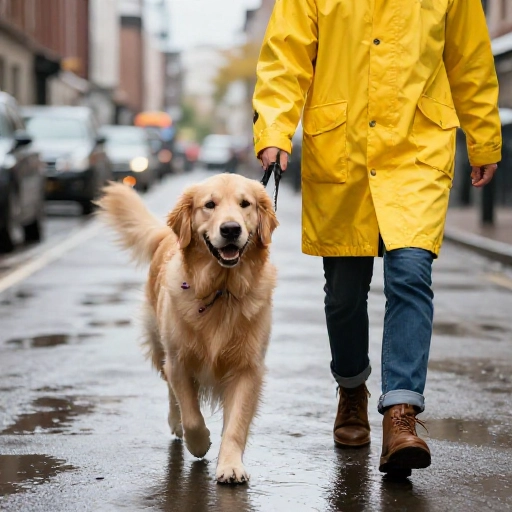
I get it—after a long day, the last thing you want is to drag yourself outside. But your dog’s mental health depends on more than just a quick potty break in the yard. Walks are their version of scrolling social media; they need to sniff, explore, and burn off pent-up energy.
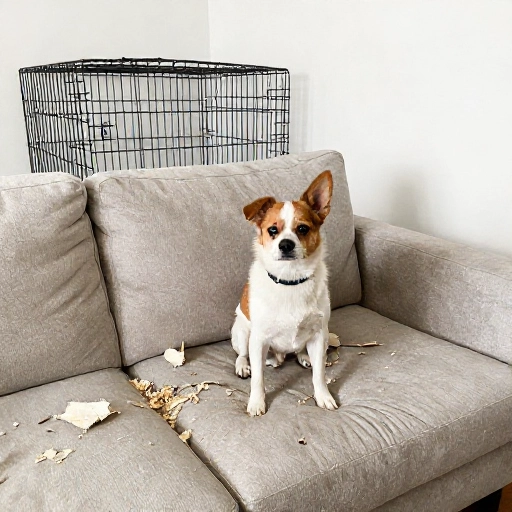
Without proper exercise, dogs get bored. And bored dogs find their own entertainment—usually by shredding your couch cushions or barking at every leaf that moves.
Start small. Even a 15-minute sniffari around the block can change your dog’s mood completely. Make it a habit, not a chore.
2. Leaving Food Out All Day (Free Feeding)
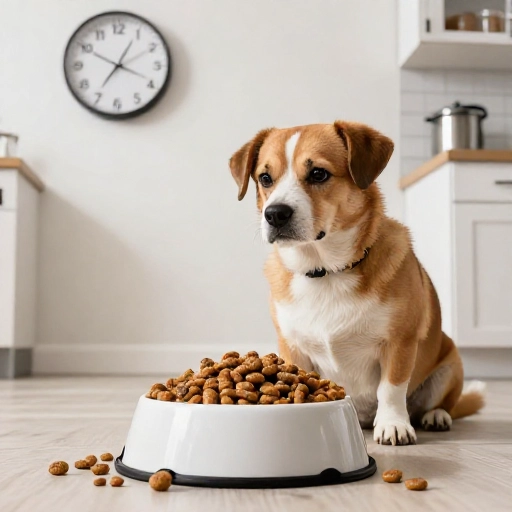
I used to think leaving a full bowl of kibble was the polite thing to do. Turns out, I was just setting my dog up for weight gain and picky eating. Dogs thrive on routine, and free feeding messes with their natural hunger signals.
When food is always available, your dog never learns to feel satisfied. They graze, gain weight, and often refuse meals because they know the buffet never closes.
Switch to scheduled mealtimes—twice a day is perfect for most adult dogs. Serve the food, give them 20 minutes, and pick up whatever’s left. It’s a game-changer.
3. Ignoring the “Doggie Breath”
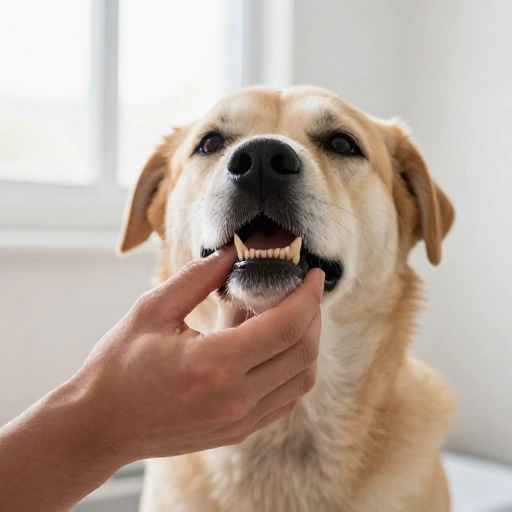
I’ll be honest—I thought stinky breath was just a dog thing. It’s not. That smell is usually bacteria, plaque, and often early gum disease. Dental disease doesn’t just hurt their mouth; it can damage their heart, liver, and kidneys over time.
Most dogs show signs of dental issues by age three. If their breath makes you cringe, it’s time to act. Ignoring it won’t make it go away—it only gets worse.
Start brushing their teeth a few times a week with dog-safe toothpaste. If that’s impossible, try dental chews or water additives. Your vet can also do a professional cleaning. Future you (and your dog) will be thankful.
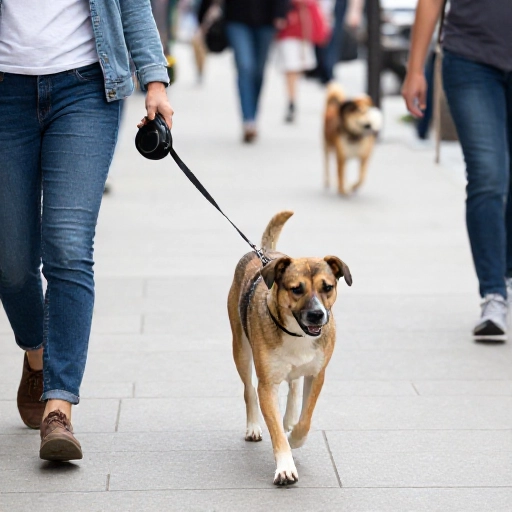
4. Using a Retractable Leash in Busy Areas
Retractable leashes are convenient, I’ll admit it. But they’re also a safety hazard waiting to happen. The thin cord can cause nasty burns, snap under pressure, or let your dog dart into traffic before you can react.
I’ve seen too many close calls at the park—dogs running up to aggressive dogs, tangling legs, or getting tangled around trees. It’s not worth the risk.
For walks in public spaces, stick to a standard 4-6 foot fixed leash. Save the retractable for wide-open fields where your dog has room to roam safely. Your dog’s safety is worth more than convenience.
5. Feeding Table Scraps (Even “Just a Little Bite”)
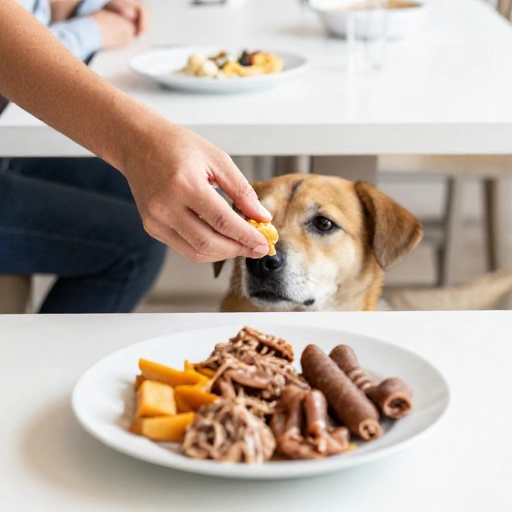
Those big puppy eyes are hard to resist. I know—I’ve caved more times than I’d like to admit. But human food is packed with salt, fat, and seasonings that dogs’ stomachs can’t handle.
Some foods are outright toxic—grapes, onions, garlic, and xylitol (found in sugar-free gum). Even “safe” foods can cause pancreatitis, a painful and dangerous condition.
If you want to treat your dog, use dog-safe options like baby carrots, green beans, or small pieces of plain chicken. But let’s keep the dinner table off-limits. It’s better for their waistline and their health.
6. Not Crate Training (Then Wondering Why They Destroy Everything)
I used to think crates were cruel. Then I realized they’re actually a dog’s natural den—a safe space where they can relax without anxiety. The problem is when owners use crates as punishment or never train their dogs to enjoy them.
If your dog chews shoes, gets anxious when you leave, or has accidents in the house, a crate can be a lifesaver. But it has to be introduced slowly and positively.
Start with short, positive sessions—treats, a comfy blanket, and the door open. Build up gradually. A crate should feel like a retreat, not a jail cell. Once they love it, you’ll finally get some peace of mind.
7. Skipping Yearly Vet Checkups
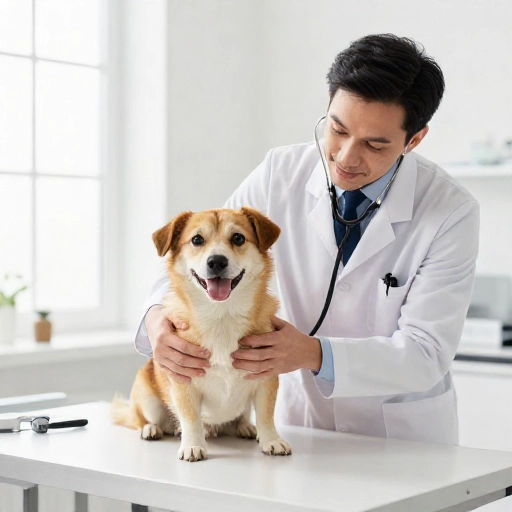
“She seems fine, so why spend the money?” I’ve said it. But dogs are masters at hiding pain. By the time they show symptoms, things can be advanced and expensive to treat. Preventative care is always cheaper than emergency care.
Annual checkups catch early signs of issues like kidney disease, diabetes, and arthritis. They also keep vaccinations and parasite prevention on track.
Think of it like your own annual physical—you go even when you feel okay. Your dog deserves the same. It’s one visit a year that could add years to their life.
8. Yelling or Punishing After the Fact
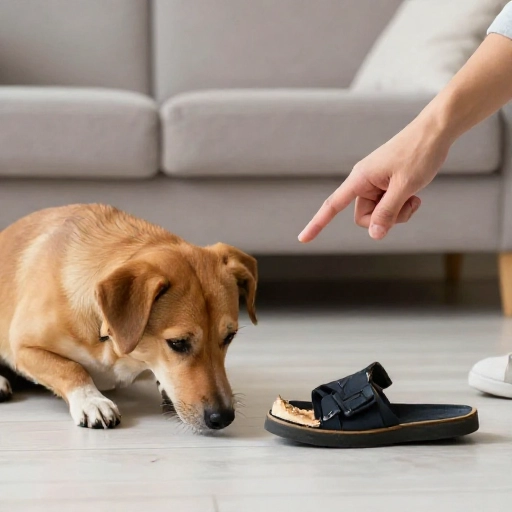
You come home to find a shredded pillow. You yell. Your dog cowers. You think they know they did wrong. But they don’t—they only know you’re upset now, and they have no idea why.
Punishing after the fact doesn’t teach anything. It just creates fear and anxiety. Your dog can’t connect the punishment to something that happened hours ago.
Instead, focus on prevention and positive reinforcement. Catch them in the act and redirect. Reward good behavior. For accidents, clean up and move on. A confident, calm dog learns way faster than a scared one.
9. Leaving Them Alone for Too Long
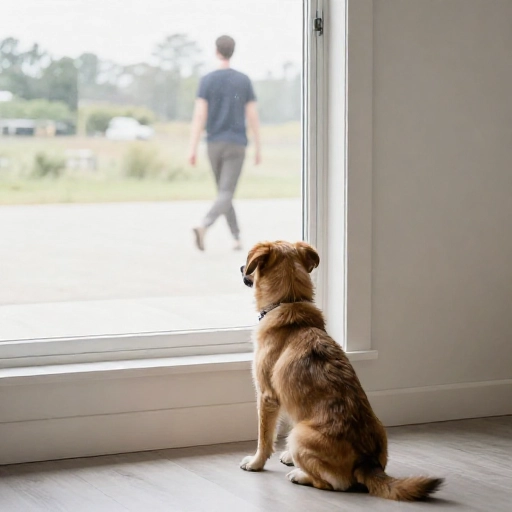
Dogs are pack animals. They crave companionship, and being left alone for 10+ hours a day takes a real toll on their mental health. Separation anxiety is real, and it often shows up as destructive chewing, excessive barking, or potty accidents.
I know work schedules can’t always change. But there are ways to soften the blow. Consider a dog walker mid-day, doggy daycare a couple times a week, or even a pet camera with treats you can dispense remotely.
Interactive puzzle toys can also keep their brain busy while you’re gone. It’s not the same as having you there, but it’s a lot better than staring at the door all day.
10. Not Socializing Them Early Enough
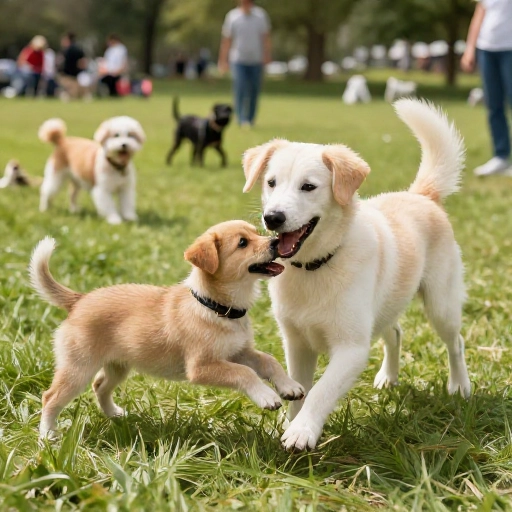
Socialization isn’t just about playing with other dogs. It’s about exposing your puppy to the world—different people, sounds, surfaces, and situations. The critical window is between 3 and 14 weeks old. Miss it, and you might end up with a fearful, reactive adult dog.
If you have a rescue or an older dog who missed this window, don’t panic. You can still make progress, but it takes patience and slow, positive exposure. Don’t force interactions—let them observe and build confidence.
Puppy classes are a great start for young pups. For older dogs, try quiet parks at off-peak hours and reward calm behavior. A well-socialized dog is a confident, happy dog—and that makes life easier for everyone.
Final Thoughts
Nobody’s perfect. I’ve made mistakes with my own dogs, and I’ll probably make more. The key is to keep learning and doing better. Your dog doesn’t need a perfect owner—they need a present one.
Pick one or two of these mistakes to work on this week. Small changes add up to a big difference in your dog’s health and happiness. You’ve got this.
Frequently Asked Questions
How often should I walk my dog?
Most adult dogs need at least 30 minutes to 1 hour of exercise daily. High-energy breeds need more. It’s better to do two shorter walks than one long one.
Is it okay to give my dog bones from the store?
Cooked bones are dangerous—they can splinter and cause blockages. Raw bones are safer, but always supervise. If in doubt, use vet-approved dental chews instead.
What’s the best way to stop my dog from pulling on the leash?
Stop walking when they pull. Only move forward when the leash is loose. It takes patience, but it teaches them that pulling gets them nowhere. A front-clip harness also helps.
Can I train an older dog to stop bad habits?
Absolutely. Older dogs can learn, but they might be more set in their ways. Use high-value treats and keep sessions short. Consistency beats intensity every time.
How do I know if my dog is overweight?
You should be able to feel their ribs easily without pressing hard. When viewed from above, they should have a visible waist. If you can’t feel ribs, it’s time to cut back on treats.