9 Signs Your Dog Is Stressed Every Pet Parent Should Know

Excessive Panting Even When It’s Not Hot
The first time I noticed my dog panting heavily indoors, I assumed he was just thirsty. But over time, I learned panting can be one of the earliest signs your dog is stressed. When dogs feel overwhelmed or nervous, they release heat through panting, even if the temperature is perfectly normal.
It’s their body’s way of coping with internal tension. If your dog starts panting suddenly during situations like visitors arriving, loud noises, or vet visits, it’s usually a gentle cry for comfort and reassurance.
Constant Pacing Around the House
Have you ever seen your dog walk in circles or wander back and forth restlessly? I used to think my dog was just bored, but pacing is often a sign of anxiety. Dogs pace when they can’t settle their mind or emotions.
This behavior usually happens when they’re unsure of what’s going on—like during storms, fireworks, or changes in their routine. It’s their way of releasing nervous energy when they don’t know what else to do.

Unusual Barking or Whining
Dogs communicate their emotions through sound, and stress often makes them louder or more vocal than usual. My dog becomes extra whiny when he’s worried, especially when I’m about to leave the house. It’s heartbreaking but very common.
If your dog starts barking, whining, or crying more than usual, it may be their way of expressing discomfort or fear. Paying attention to when the vocalizing happens can help you understand the trigger.
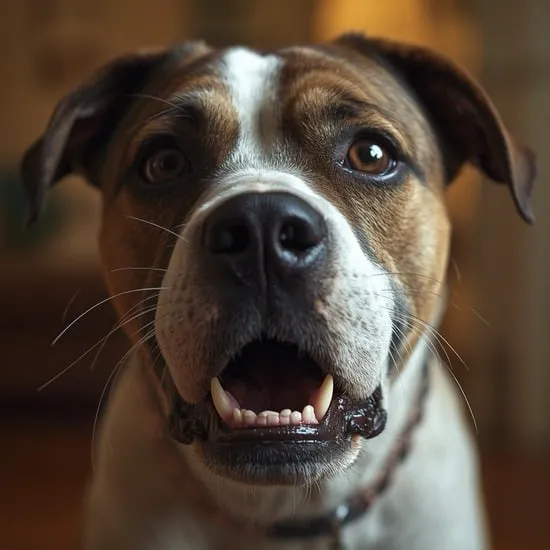
Loss of Appetite or Hesitating to Eat
Nothing worried me more than the day my dog refused his favorite meal. Dogs who are stressed may stop eating or take unusually long to finish their food. Emotional tension can suppress their appetite just like it does in humans.
If your dog suddenly loses interest in meals, treats, or water, it’s important to check their environment for stressors—or talk to your vet if it continues.
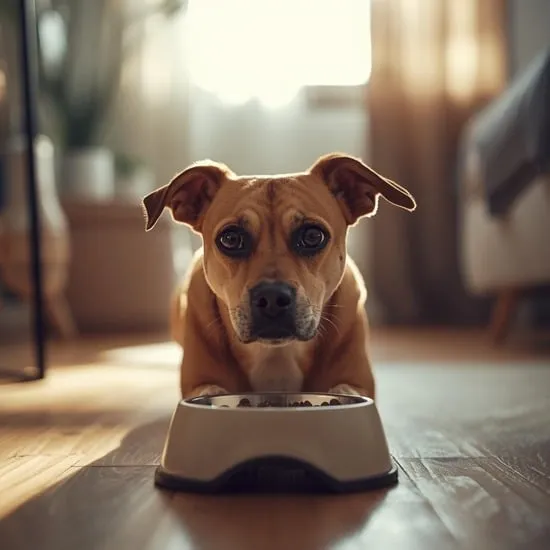
Shaking, Trembling, or Hiding
When my dog hides under the table or trembles during storms, I can feel how scared he is. Dogs shake when their bodies are overwhelmed by adrenaline. It’s a clear sign your dog is stressed and seeking safety.
Hiding is also a common coping mechanism, showing your pup is trying to escape whatever is making them uneasy. Offering calmness, closeness, and a quiet space can help soothe them.
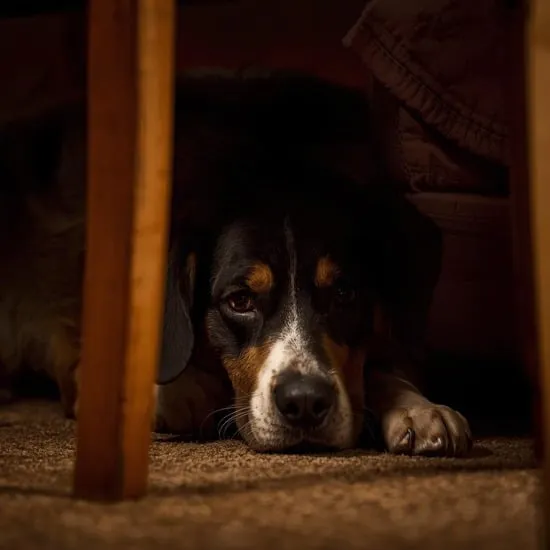
Excessive Licking or Chewing
Some dogs lick their paws, chew their fur, or lick surfaces when stressed. It becomes a repetitive self-soothing behavior—something they can control when their emotions feel uncontrollable.
I once caught my dog licking the same spot on his paw over and over. When dogs do this excessively, it might indicate anxiety, boredom, or emotional overwhelm.

Sudden Aggression or Irritability
If your normally sweet dog suddenly snaps, growls, or seems irritated, stress may be the root cause. Dogs who feel trapped, scared, or overstimulated may react defensively, even toward people they love.
Aggression doesn’t always mean your dog is “bad”—it means your dog feels unsafe. Understanding the triggers behind the behavior helps rebuild trust and comfort.
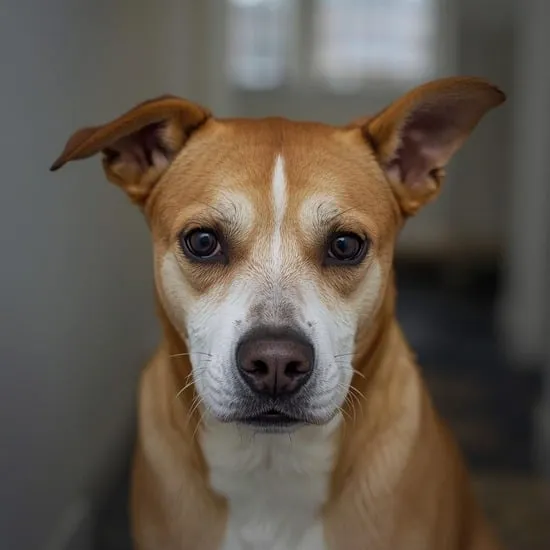
Changes in Bathroom Habits
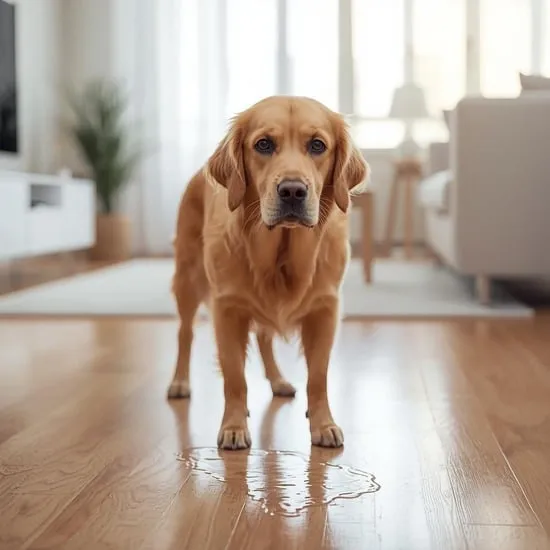
One of the most surprising signs your dog is stressed is accidents in the house. Even well-trained dogs may suddenly urinate or defecate indoors when overwhelmed or anxious.
This happened to me when we moved homes—my dog was confused and stressed by the new environment. With patience and reassurance, the accidents eventually stopped.
Clinginess or Not Wanting to Leave Your Side
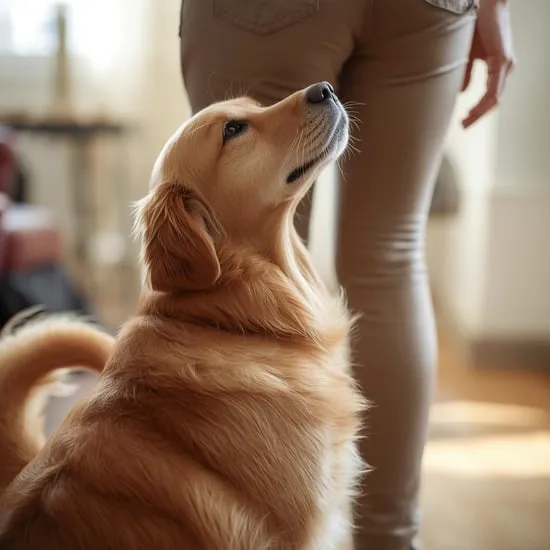
When my dog gets stressed, he becomes extra attached and follows me everywhere, even to the bathroom. Many dogs do this because closeness makes them feel safe. They rely on you emotionally, especially during overwhelming moments.
If your dog suddenly becomes clingy, it may be a sign they’re seeking comfort. Gentle affection and a calming routine can help them feel secure again.