10 Dog Breeds That Are Perfect With Cats
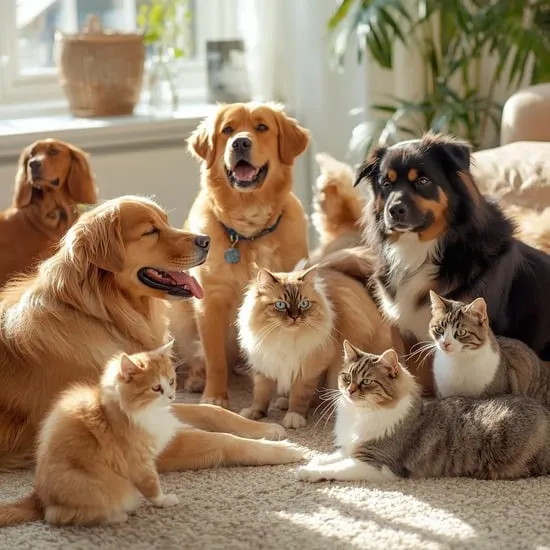
Bringing a new dog into a cat-friendly home can feel like a high-stakes gamble. I’ve been there, nervously watching that first introduction, hoping for a peaceful coexistence and not a furry feud. The good news is, some dog breeds are naturally more inclined to be gentle, patient, and even indifferent to feline roommates.
It all comes down to temperament. Breeds with low prey drive, a calm demeanor, and a history of companionship rather than hunting tend to mesh best. While every dog is an individual, starting with a breed known for its cat-compatibility sets the stage for a harmonious, multi-pet household. Let’s explore the top contenders.
1. The Gentle Giant: Golden Retriever
It’s no surprise that the ever-friendly Golden Retriever tops this list. Their sunny disposition and inherent gentleness make them fantastic companions for cats. They are more interested in making a friend than chasing one.
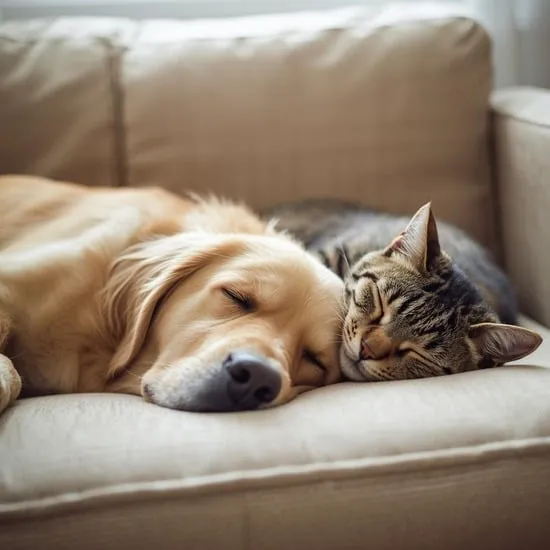
Their patient nature means they’re likely to tolerate a cat’s initial swats or hisses without retaliation. With proper, supervised introductions, a Golden often becomes the cat’s loyal, if somewhat goofy, protector. I’ve seen cats curl up and nap right against a Golden—the ultimate sign of trust.
2. The Laid-Back Buddy: Basset Hound
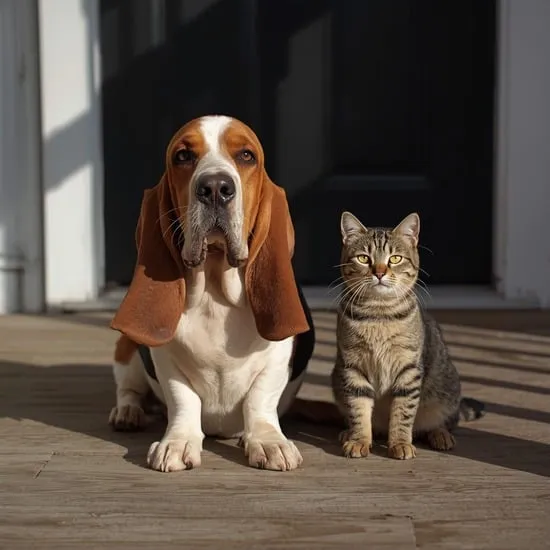
Don’t let those long ears fool you—Basset Hounds are famously low-energy and mellow. Originally bred for slow, deliberate hunting, their prey drive is often manageable, especially when raised with cats from puppyhood.
Their primary interests are napping, sniffing leisurely, and enjoying snacks. A cat’s quick movements are less likely to trigger a chase instinct compared to other hounds. A Basset is more likely to share a sunbeam than dispute territory.
3. The Adaptable Companion: Labrador Retriever
Much like their Golden cousins, Labs are famously good-natured and adaptable. Their eagerness to please makes them highly trainable, so you can reinforce calm behavior around the cat. They have a soft mouth from their retrieving history.
While they can be energetic, a well-exercised Lab is a calm house member. Their generally social attitude extends to other animals, and they often see the family cat as just another part of their pack to look after.
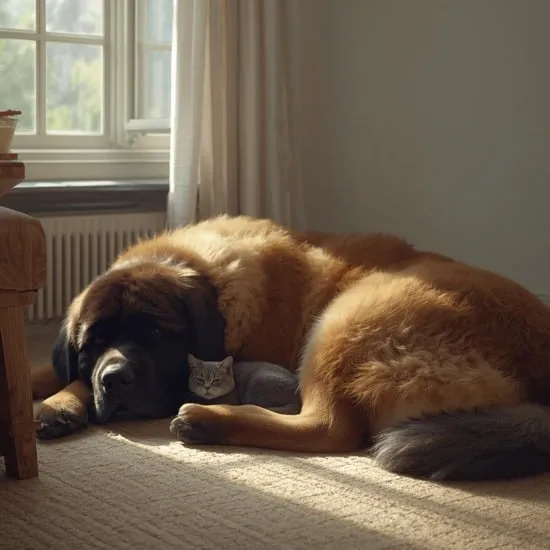
4. The Quiet Guardian: Newfoundland
Newfoundlands are the quintessential “nanny dogs.” Their colossal size is matched only by their profound sweetness and patience. They possess a remarkable calmness that can have a soothing effect on nervous cats.
Their low energy and lack of interest in herding or chasing make them ideal for a calm home. I always say a Newfie would rather use its strength to gently nudge a cat out of harm’s way than to start any trouble.
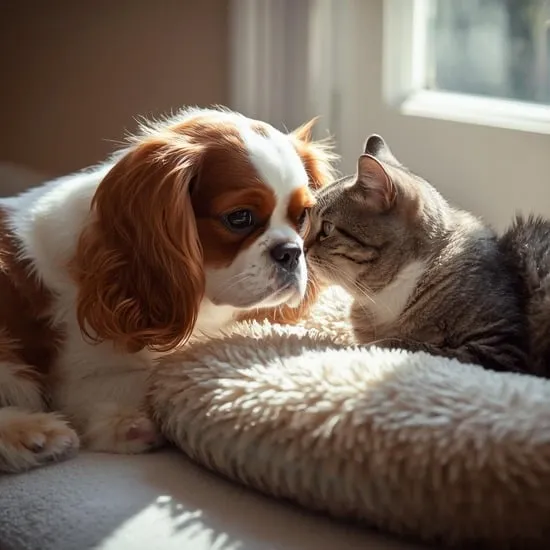
5. The Charming Cavalier: Cavalier King Charles Spaniel
Bred purely for companionship, Cavaliers are affectionate lapdogs who thrive on peace and snuggles. Their small size is less intimidating to cats, and they lack the strong hunting instincts of some other spaniel breeds.
They are typically submissive and sweet-tempered, happy to follow the cat’s lead in establishing house rules. A Cavalier’s main goal is to be loved, whether by a human or a feline friend.
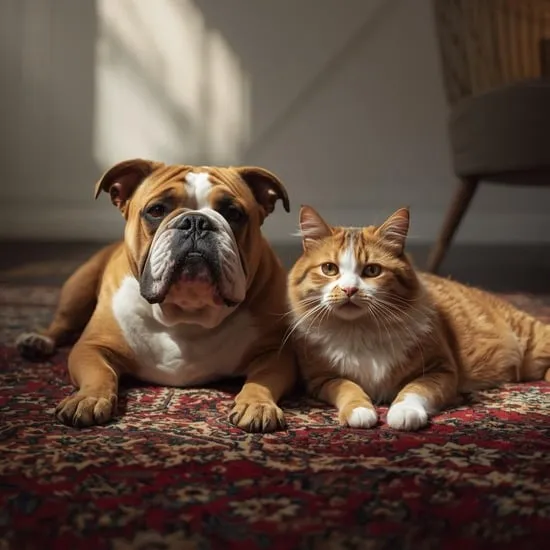
6. The Easygoing Friend: Bulldog
Bulldogs, whether English or French, are renowned for their couch-potato lifestyles. They are stubbornly calm and remarkably tolerant. Their distinctive build means they’re not built for high-speed chases.
They tend to form strong, lazy bonds with all family members, cats included. You’ll often find them contentedly sharing a bed, each respecting the other’s personal space (mostly).
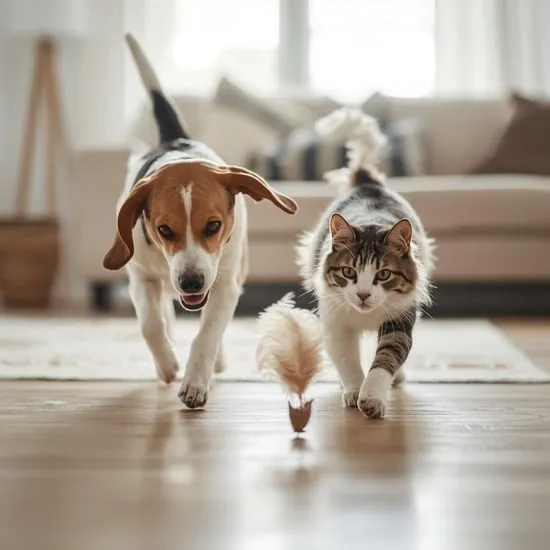
7. The Playful Pacifist: Beagle
This one requires a note: Beagles have a strong scent drive. However, when raised with cats from a young age, they can excel. Their pack-oriented nature means they view the cat as part of their family unit.
They are merry, curious, and playful, which can align well with a social, playful cat. The key is early socialization and ensuring the Beagle’s nose is satisfied with other activities so the cat isn’t their primary source of entertainment.
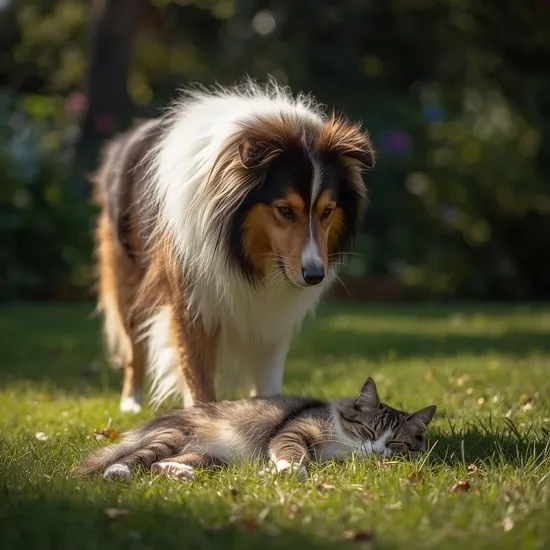
8. The Patient Protector: Collie
Made famous by Lassie, Collies are intelligent, gentle, and deeply intuitive herding dogs. Their instinct is to nurture and protect their “flock,” which can extend to the household cat.
They are sensitive and responsive to training, so you can easily teach them to be gentle. A Collie is more likely to gently herd a cat away from a door than to show any aggression.
9. The Calm Companion: Pug
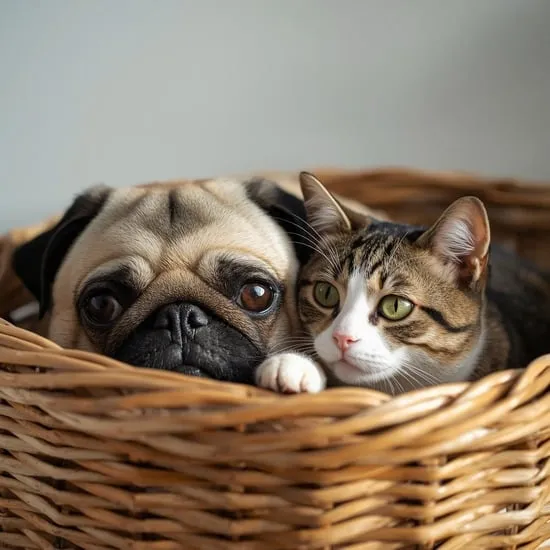
Pugs are another breed designed for friendship above all else. They are charming clowns who love to be involved in everything but lack any aggression or prey drive. Their small size and moderate energy level are a good match for many cats.
They seek warmth and companionship, and a cat can become their perfect napping partner. Their silly antics might even earn a tolerant purr from their feline sibling.
10. The Sweet-Natured Soul: Shetland Sheepdog
Shelties are bright, trainable, and eager to please. Like Collies, they have herding instincts, but these are often expressed as a gentle vigilance rather than a chase. They are devoted to their family and can form a close, respectful bond with a cat.
Their alert nature means they’ll always know where the cat is, but usually from a respectful distance. With positive introductions, a Sheltie learns that the cat is a friend, not livestock to be managed.
Creating a Purr-fect Friendship
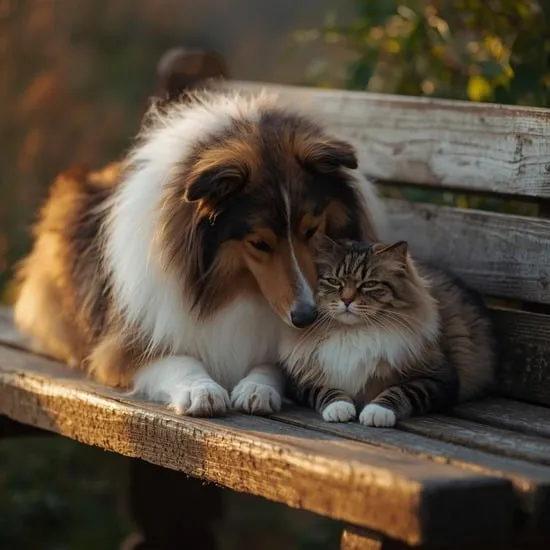
Remember, breed is just a starting point. Success always depends on the individual animals, their histories, and how you manage their introduction. Always supervise early interactions, provide safe spaces for your cat to retreat, and reward both pets for calm behavior. Patience is your most important tool.
Your Dog & Cat Harmony FAQ
Q: Can an adult dog learn to live with a cat?
A: Absolutely! It may take more patience and controlled introductions than with a puppy, but many adult dogs adapt beautifully. Go slow and use baby gates.
Q: My dog has a high prey drive. Is it hopeless?
A: Not necessarily, but it requires professional guidance. Consult a certified trainer to assess your dog and create a safe, structured training plan.
Q: Should I let them “work it out” themselves?
A> Never. Initial interactions must be carefully managed to prevent a negative first impression that could set the tone for their entire relationship.
Q: What’s the #1 tip for introductions?
A: Scent swapping! Let them smell each other’s bedding before they ever meet face-to-face. It helps build familiarity without the pressure.
Q: How long does it take for them to get along?
A> There’s no set timeline. It could be days, weeks, or months. Look for small signs of progress, like ignoring each other calmly, and celebrate those wins.