How to Bathe a Dog Who Hates Water: 10 Stress-Free Tips for a Calm Bath
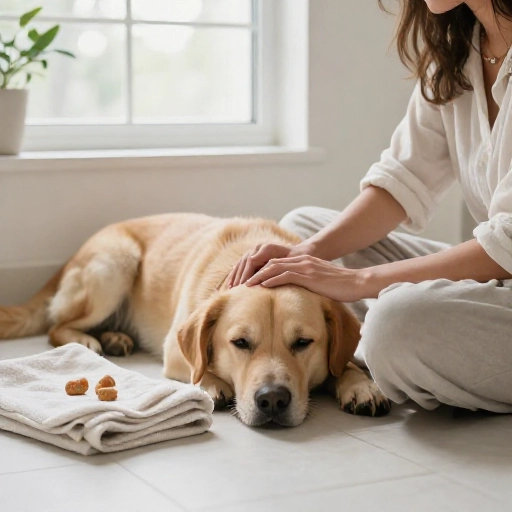
If your dog sees the tub and turns into a slippery escape artist, you’re not alone. My own dog used to act like bath time was a swimming lesson in shark-infested water. Over time, I learned that bathing a dog who hates water isn’t about winning a wrestling match. It’s about setup, speed, and tiny wins.
Pinterest makes dog baths look adorable, but real life can be wet, loud, and messy. The good news is you can make bath time calmer without turning your bathroom into a disaster zone. These are the tips I wish I’d known sooner, and they’ve made a huge difference for my water-hating pup.
1. Take the Edge Off Before Bath Time
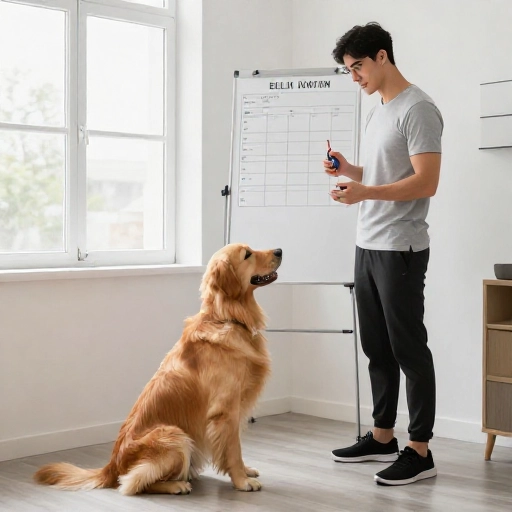
A tired dog is usually a more cooperative dog. Before you even touch the shampoo, take your pup for a good walk, play fetch, or do a short training session. I’ve noticed my dog fights the water way less when he’s already had a chance to burn off nervous energy.
Don’t make the bath the very first exciting thing that happens. A calm, sniffy walk helps lower his arousal level. Then give him a few minutes to cool down and have a drink of water.
2. Set Up Everything Before Your Dog Enters the Room
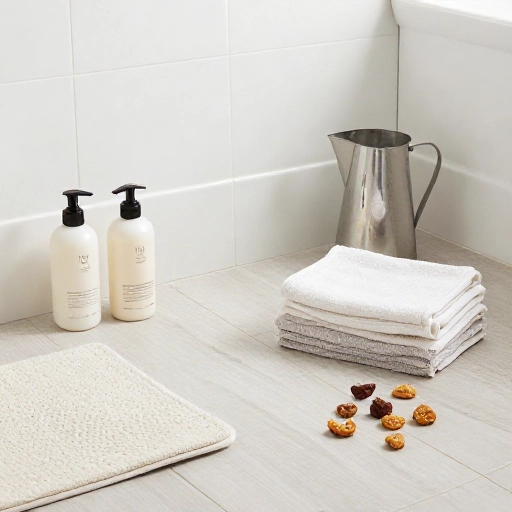
The worst thing you can do is leave the bathroom to grab a towel while your wet dog is trying to escape. I learned this the hard way. Gather shampoo, towels, a cup, treats, and a non-slip mat before you call your dog in.
I also keep a second towel on the floor and a treat pouch within reach. If I have to search for anything, my dog’s anxiety goes up. Prep work makes the whole bath feel shorter and smoother.
3. Use Lukewarm Water and a Gentle Flow
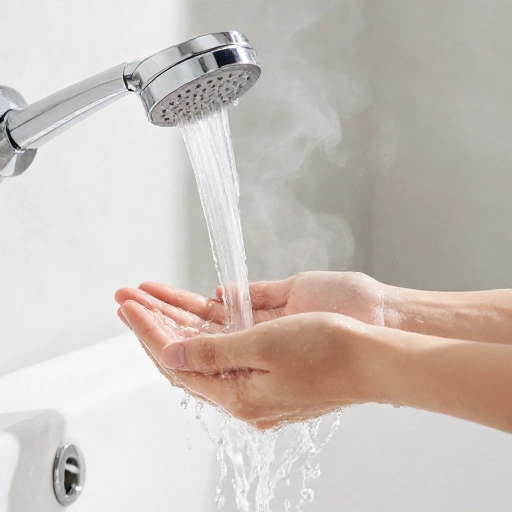
Dogs often hate baths because the water feels too hot, too cold, or too forceful. Test the water on your inner wrist—it should feel comfortably warm, not steamy. A handheld sprayer on a low setting or a plastic cup can be much less scary than a loud shower head.
I usually start at the back and let the water trickle over his body. Avoid blasting him in the face or ears. The more control he feels, the less he’ll panic.
4. Distract With a Lick Mat or Frozen Treat
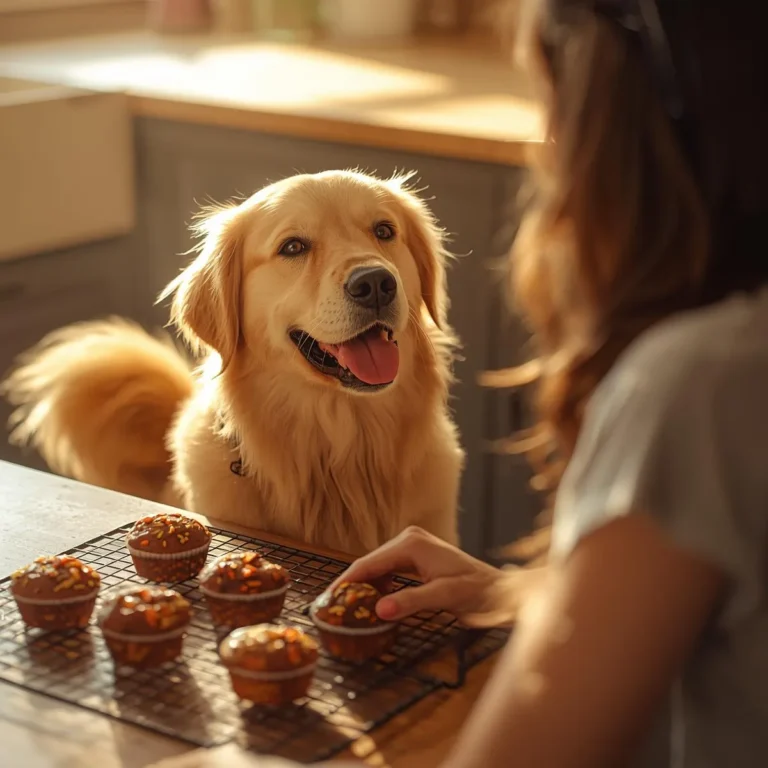
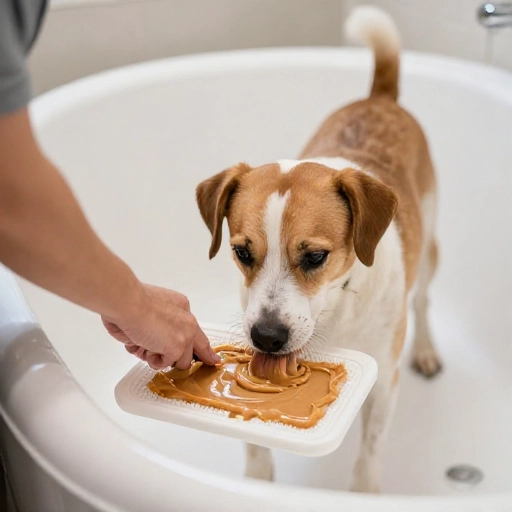
This is my secret weapon. Smear peanut butter, plain yogurt, or canned dog food on a lick mat and stick it to the tub wall. A frozen treat can keep your dog busy for several minutes while you wash.
Licking is soothing for dogs, so it can help counter the stress of the bath. Just make sure the treat is safe for your dog and easy on the stomach. If your dog won’t eat when nervous, don’t force it—just try again next time.
5. Go Slow and Wash One Area at a Time
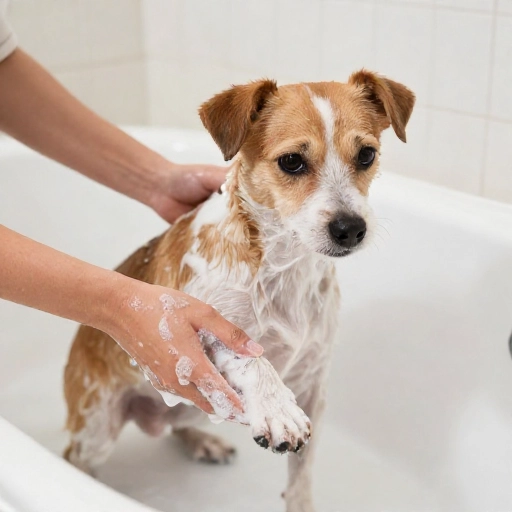
Instead of trying to scrub everything at once, work in small sections. I do back, then sides, then legs, then belly. Rinse each area before moving on. This keeps the bath organized and gives your dog little breaks.
Talk in a calm, happy voice and reward any relaxed moment. If your dog freezes or tries to bolt, pause for a second. You can also use a washcloth for sensitive spots instead of pouring water directly.
6. Give Your Dog Stable Footing
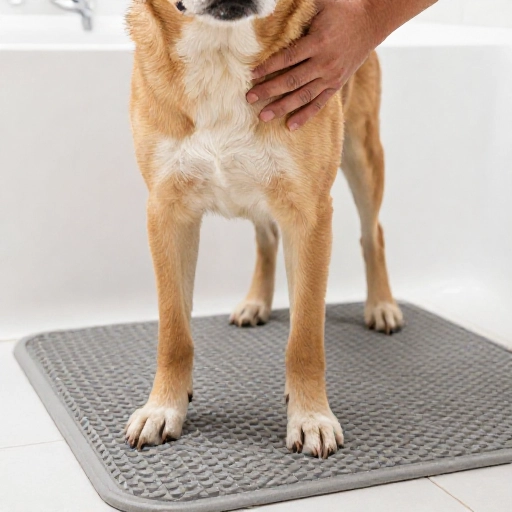
A slippery tub is terrifying for a dog who already hates water. Place a non-slip bath mat or a towel on the bottom of the tub. I also keep one hand gently on his chest or harness for security without squeezing.
If your dog is small, a laundry sink or plastic tub might feel safer. For bigger dogs, a sturdy tub with a mat and a closed door is best. Never leave a dog unattended in water, even for a second.
7. Keep the Face and Ears Mostly Dry
Most dogs hate water in their ears and eyes. I save the head for last and use a damp washcloth with a tiny bit of shampoo. Wipe around the face, cheeks, and chin—no pouring water over the head.
For ears, only clean the outer flap with a pet-safe ear wipe if needed. Never stick anything down the ear canal. If your dog’s ears are dirty or smelly, ask your vet for advice.
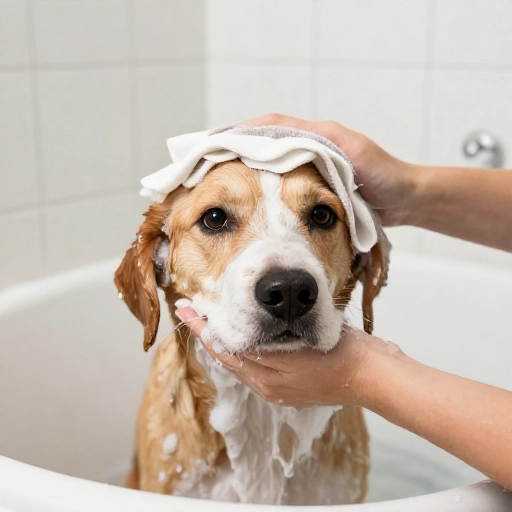
8. Rinse Fast but Thoroughly
Leftover shampoo can cause itching and dry skin, so rinsing matters. But you don’t need to soak your dog for ages. I use a cup to pour clean water over each section, then check the suds by running my hand through the coat.
Warm water rinses better than cold. Keep the spray low and close to the body so it doesn’t splash everywhere. When the water runs clear, you’re done.
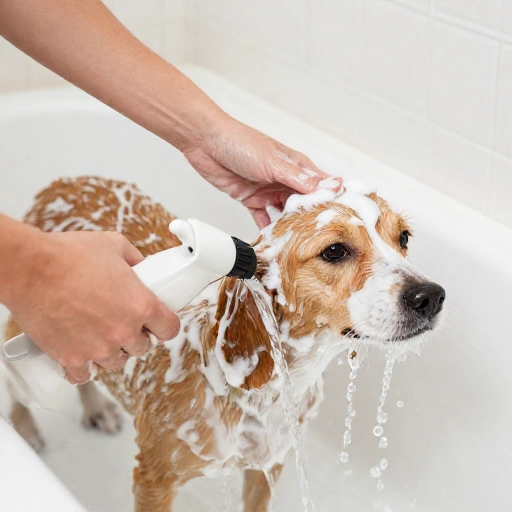
9. Dry With Towels and Praise, Not Chaos
The moment the water stops, your dog may want to shake and run. I wrap him in a big towel and gently squeeze the water out. Then I let him shake once in the tub or on a mat—not on my bathroom walls if I can help it.
If your dog tolerates a blow dryer, use the lowest heat and cool setting, and keep it moving. Otherwise, towel dry and let him finish in a warm room. Praise and treats right after drying help him remember that the bath ends well.
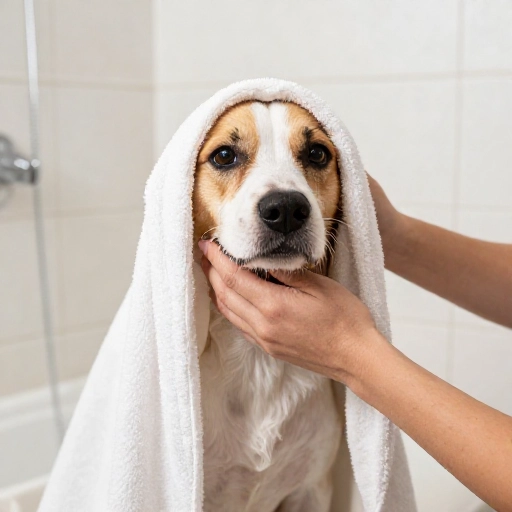
10. Turn Bath Time Into a Repeatable Routine
Dogs thrive on predictability. Use the same order, the same treats, and the same happy voice every time. I even say a specific phrase like “bath time” before we start, so my dog knows what’s coming.
Keep early baths short—even just a rinse and towel dry. Over time, you can add more water and shampoo. If your dog is truly terrified, talk to a vet or positive reinforcement trainer. Some dogs need a slower plan, and that’s okay.
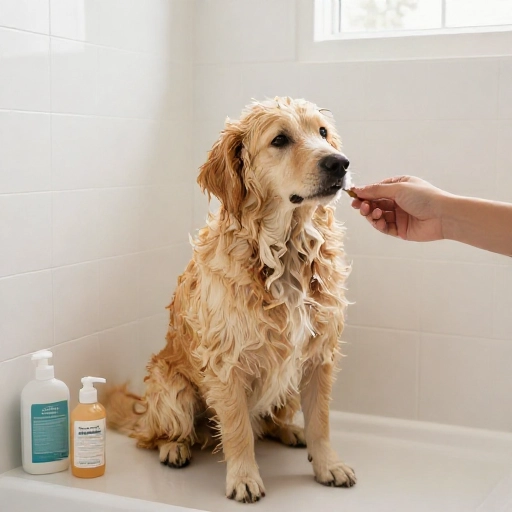
Conclusion: Calm Baths Are Built, Not Forced
Bathing a dog who hates water doesn’t have to be a battle. With good prep, gentle water, lots of treats, and a steady routine, you can turn a scary experience into a manageable one. I still keep my expectations low and celebrate every small win.
If your dog only needs a quick freshen-up, a waterless shampoo or pet wipes can hold you over between full baths. And if it’s always a disaster, a professional groomer may be the kindest choice for both of you. You’ve got this—one calm step at a time.
Frequently Asked Questions
How often should I bathe a dog who hates water?
Most dogs only need a bath every 4–8 weeks, or when they’re dirty or smelly. If your dog hates water, don’t bathe more often than necessary. Spot-clean with pet wipes or waterless shampoo in between.
Can I use human shampoo on my dog?
No, human shampoo can be too harsh for a dog’s skin. Use a dog-specific shampoo that matches your dog’s coat and skin needs. If your dog has allergies or skin issues, ask your vet which one to use.
What if my dog tries to jump out of the tub?
Keep one hand gently on your dog’s chest or harness, and use a non-slip mat. Close the bathroom door and keep the bath short. If your dog is panicking, stop and try again later with more treats and less water.
Should I put cotton balls in my dog’s ears during a bath?
Some groomers use cotton balls to keep water out, but they can be risky if they get stuck. I prefer to just avoid pouring water near the ears and wipe the outer flaps with a damp cloth. Never push anything into the ear canal.
When should I see a vet or trainer about bath anxiety?
If your dog trembles, snaps, tries to bite, or seems terrified every time, get help. A vet can rule out pain or skin issues, and a positive reinforcement trainer can create a slow desensitization plan. Severe anxiety is treatable.