8 Common Cavapoo Health Issues Every Owner Should Know
As a Cavapoo owner myself, I know we fall head over heels for those fluffy faces and sweet personalities. They truly are the perfect blend of cuddly and playful. But part of loving our crossbreed pups means understanding their health. Being a mix of Cavalier King Charles Spaniel and Poodle, they can inherit health concerns from both parent breeds.
Don’t let this worry you! Knowledge is power. By knowing what to watch for, we can catch potential issues early and give our furry friends the longest, happiest lives. This isn’t about scaring you—it’s about empowering you to be the best pet parent possible. Let’s dive into the eight health topics I keep on my radar for my own Cavapoo.
1. Mitral Valve Disease (MVD)
This is a heart condition inherited from the Cavalier side. It involves a gradual degeneration of one of the heart’s valves, eventually leading to a heart murmur and, if severe, heart failure. It’s very common in Cavaliers, so Cavapoos are at an increased risk.
Signs to watch for include:
- A low-energy, tired pup who gets winded easily.
- A cough, especially at night or after resting.
- Breathing that seems labored or fast.
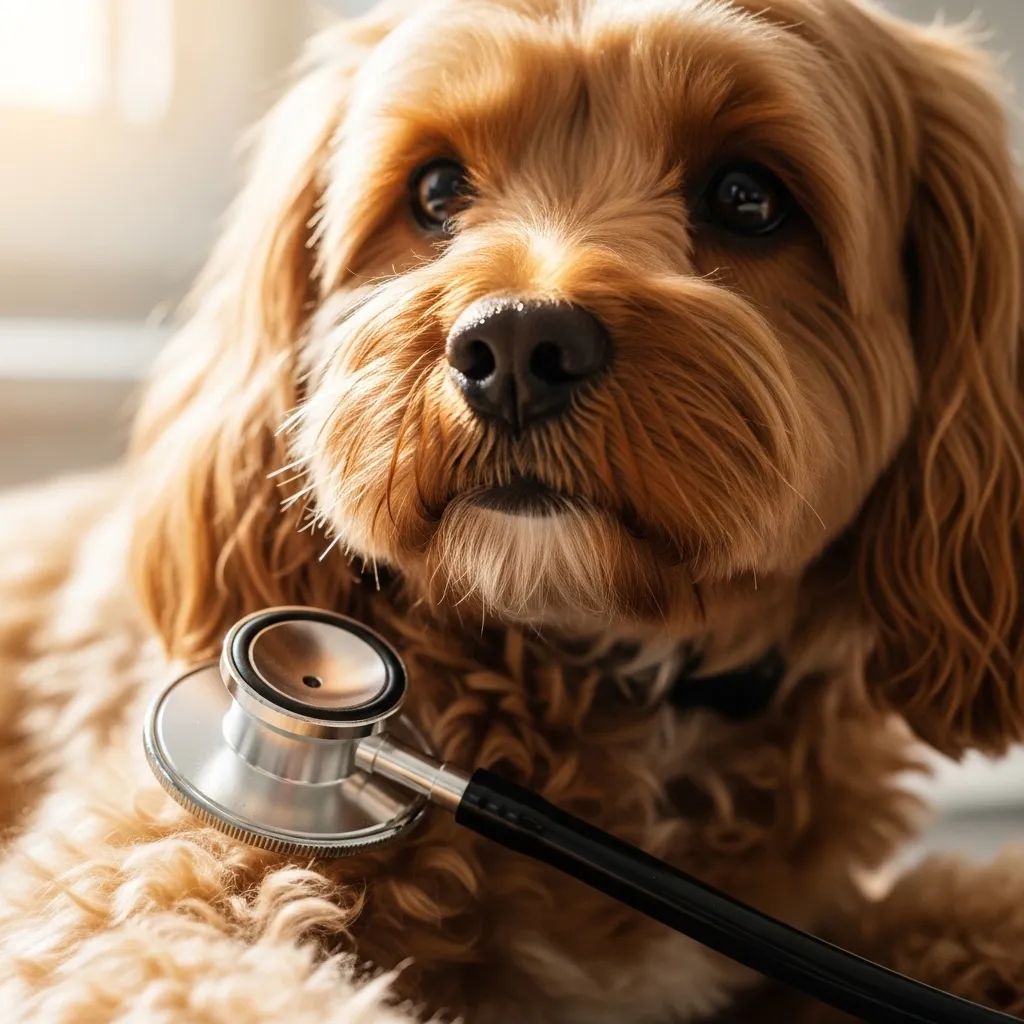
The good news? Your vet can often detect a murmur during a regular checkup with a stethoscope. Early diagnosis means we can manage it with medication and lifestyle changes for years.

2. Luxating Patellas (Trick Knee)
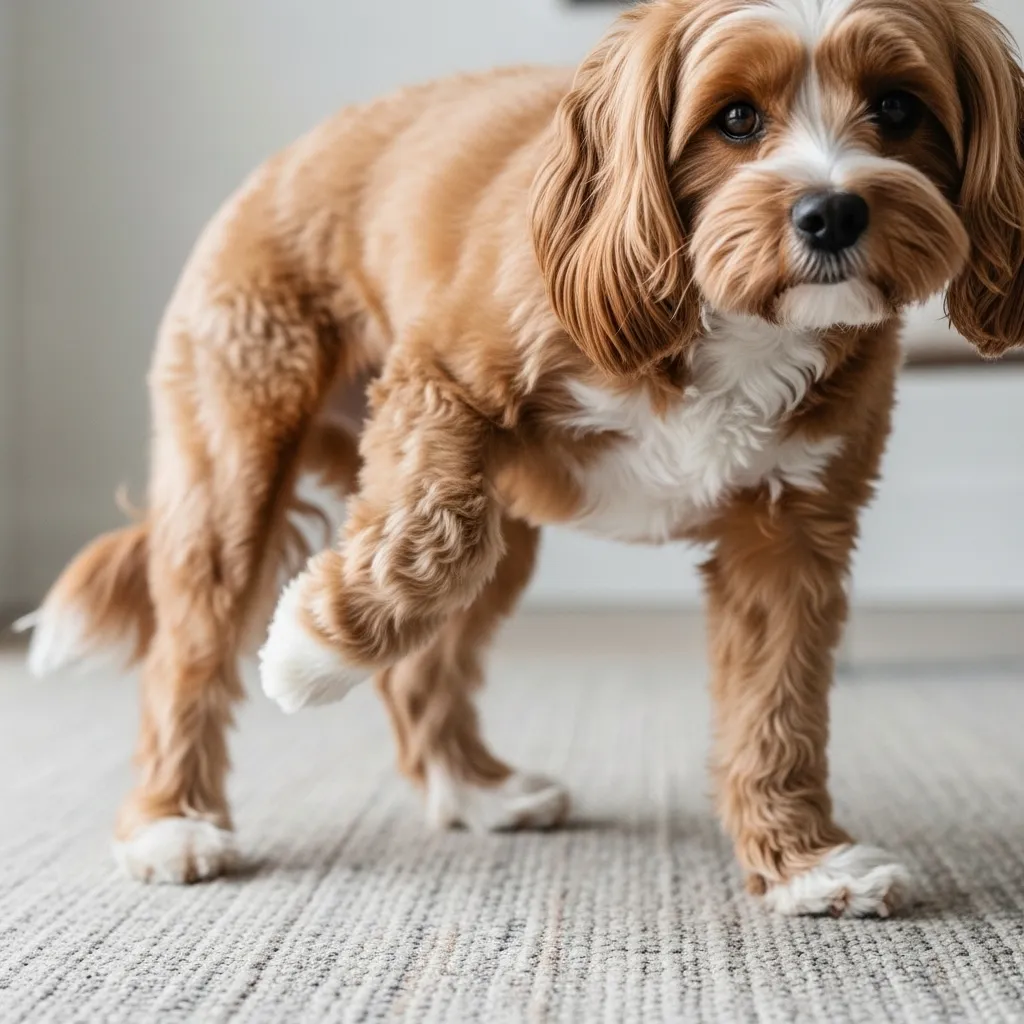
This fancy term means a kneecap that slips out of its normal groove. It’s super common in small dogs. You might see your Cavapoo skip a step, hop on three legs for a few strides, or suddenly yelp during play. The leg usually pops back in on its own, but it can be uncomfortable.
Keeping your pup at a healthy weight is one of the best preventative steps. Extra pounds put more stress on those little joints. For mild cases, rest and anti-inflammatories help. Severe cases might need surgery to correct the groove and keep the kneecap in place.
3. Hip Dysplasia
This is a developmental condition where the hip joint doesn’t fit together perfectly. It can lead to arthritis, pain, and lameness over time. While more associated with larger breeds, smaller dogs like Cavapoos can get it too, especially if the Poodle parent was a larger variety.
You might notice stiffness when getting up, reluctance to jump or climb stairs, or a “bunny hop” run. Management includes weight control, joint supplements, physical therapy, and pain medication. Responsible breeders screen their parent dogs for this to reduce the risk.
4. Eye Conditions: Progressive Retinal Atrophy (PRA)
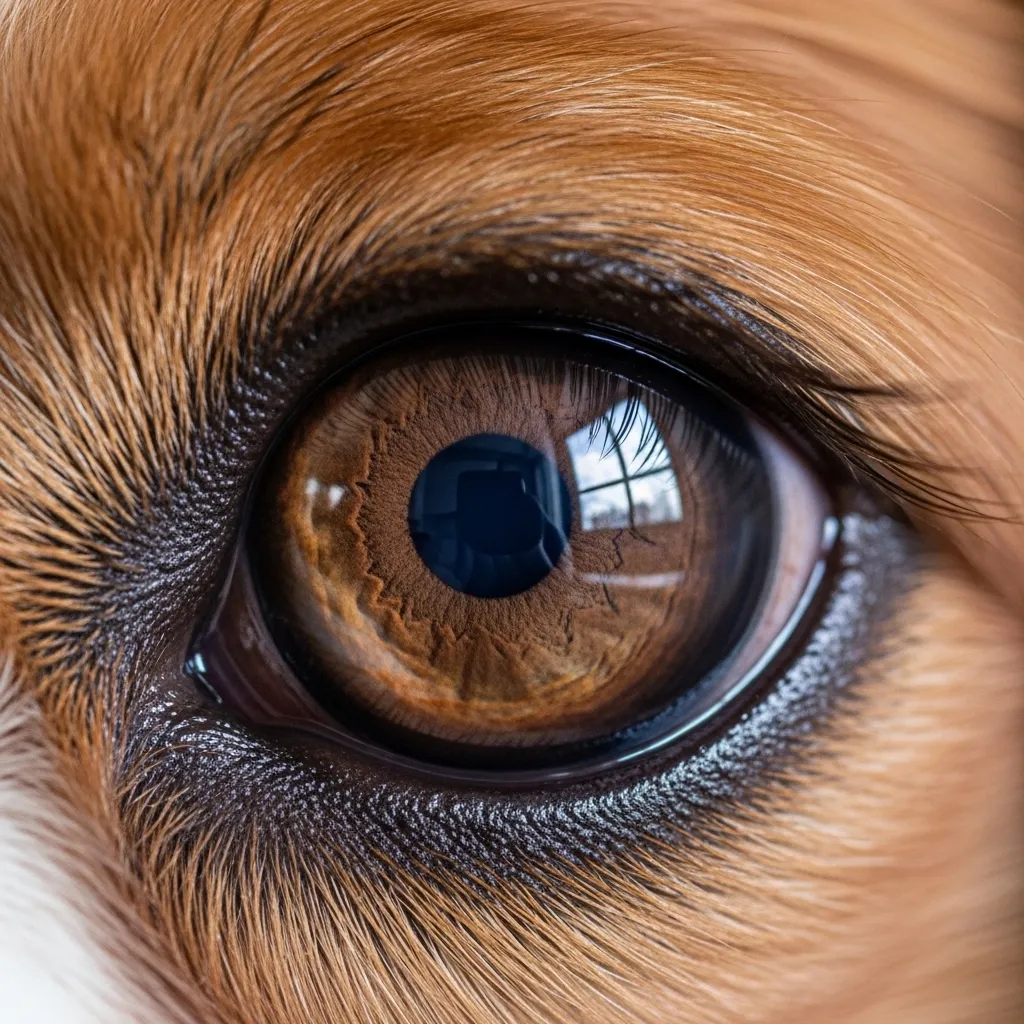
PRA is a group of diseases that cause the retina to deteriorate over time, eventually leading to blindness. It’s inherited and can come from either parent breed. The scariest part? It’s painless and happens gradually, so we might not notice until significant vision is lost.
Early signs include night blindness (bumping into things in the dark) and dilated pupils. There’s no cure, but dogs adapt amazingly well to vision loss in a familiar, safe home. A vet ophthalmologist can perform a simple eye exam to screen for it.

5. Ear Infections
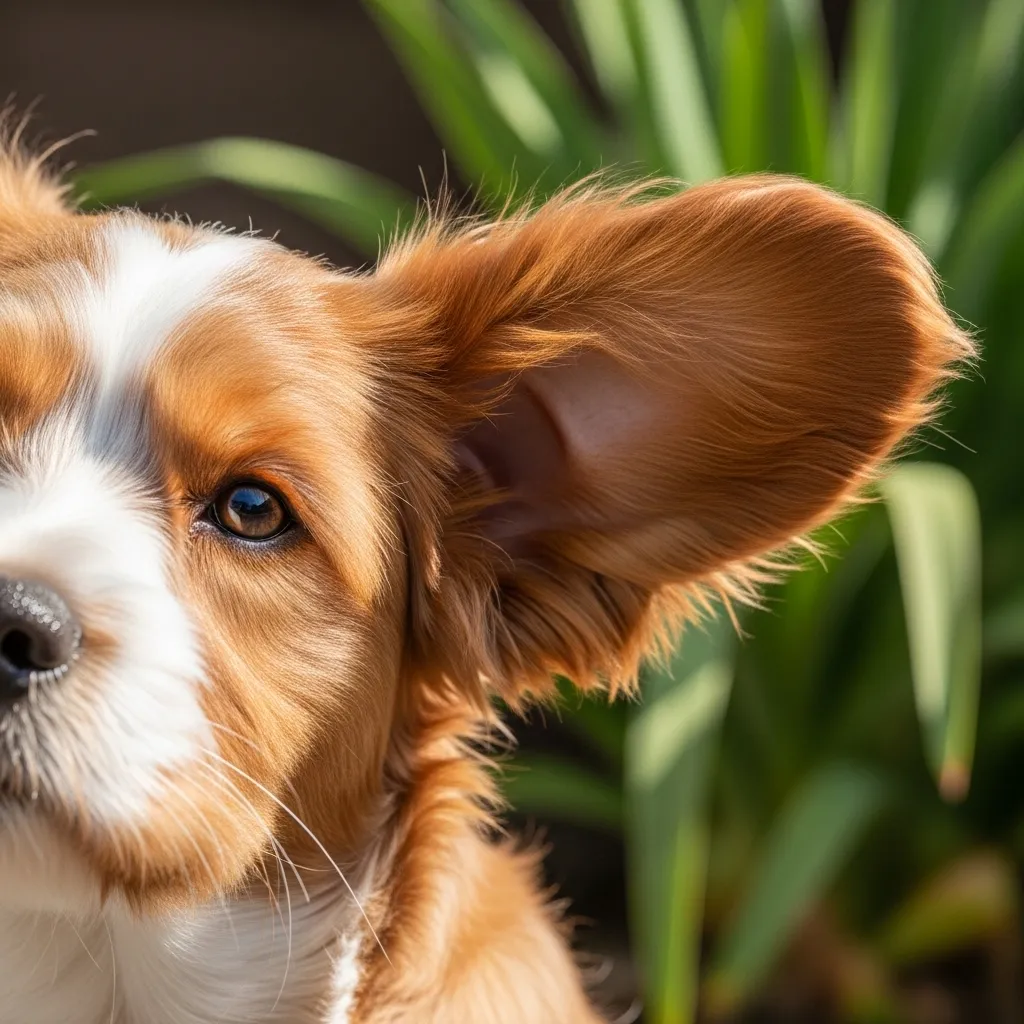
Those adorable, floppy Cavapoo ears create a warm, dark environment—perfect for yeast and bacteria. If your pup is constantly shaking their head, scratching their ears, or you notice a funky odor, an ear infection is likely the culprit.
Regular ear cleaning is my #1 tip for prevention. I use a vet-recommended cleaner once a week to keep things dry and fresh. Always dry their ears thoroughly after a bath or swim. If an infection pops up, your vet will prescribe medicated drops to clear it right up.
6. Skin Allergies & Sensitivities
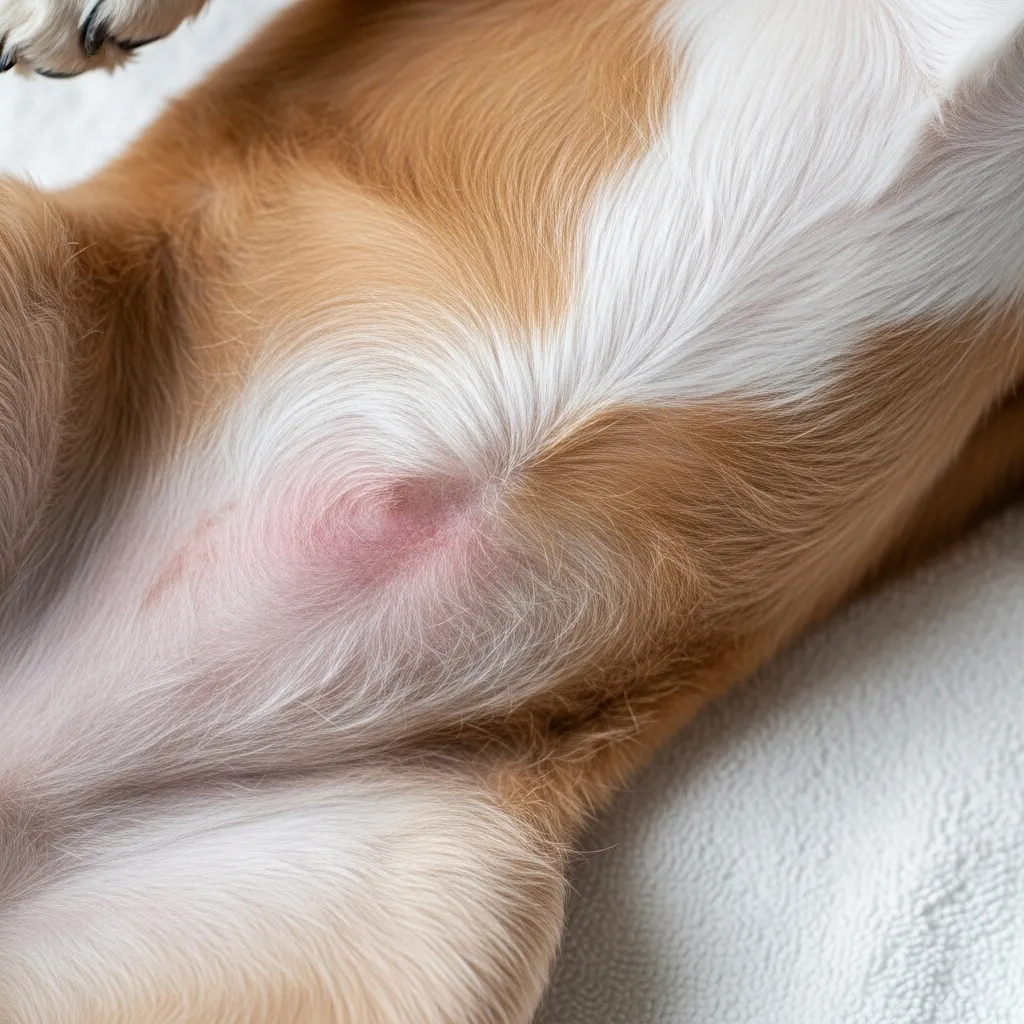
Cavapoos can have sensitive skin prone to allergies. These can be environmental (like pollen or dust mites) or food-related. The result? Itchy, red skin, recurrent hot spots, and constant licking or chewing, especially on the paws.
If your dog is itchy, a vet visit can help pinpoint the cause. They might recommend a special diet, allergy medication, or soothing shampoos. I also find that a high-quality diet with good fats (like fish oil) does wonders for my dog’s coat and skin health.
7. Dental Problems
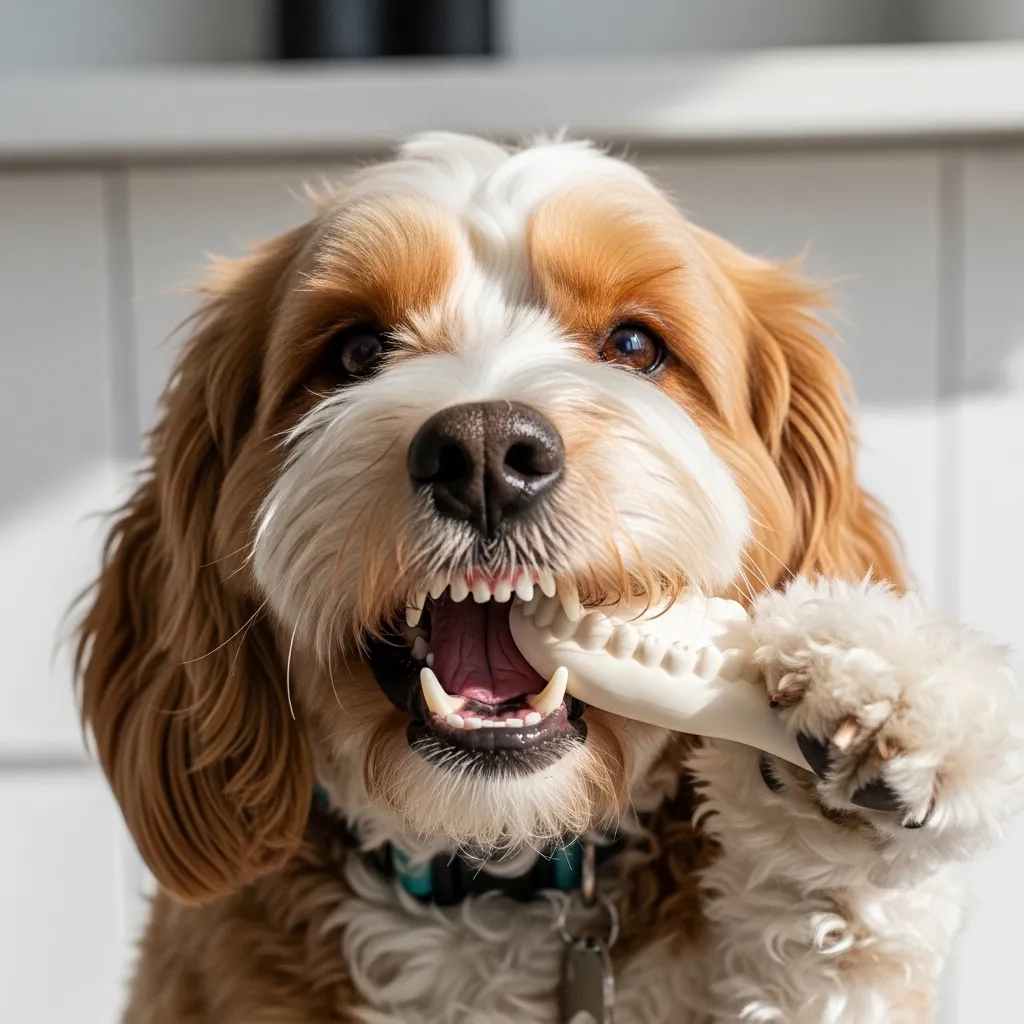
Small dogs are notorious for crowded teeth, which traps plaque and tartar. Without care, this leads to painful gum disease, tooth loss, and can even affect the heart and kidneys. Bad breath is often the first clue.
Daily tooth brushing is the gold standard. I know it sounds daunting, but starting slowly with a doggy toothpaste (never human!) makes a huge difference. Dental chews and annual professional cleanings at the vet are also key parts of the routine.
8. Syringomyelia (SM)
This is a serious neurological condition from the Cavalier side, where fluid-filled cavities form in the spinal cord near the brain. It can cause neck and shoulder pain, and dogs may scratch at the air for no apparent reason (called “air scratching”).
Severity varies widely. Some dogs show no signs, while others need medication for pain management. An MRI is needed for a definitive diagnosis. Reputable breeders will have their Cavalier parents screened to avoid passing on this painful condition.
Loving & Proactive Care for Your Cavapoo
Reading this list might feel overwhelming, but please remember: not every Cavapoo will get every issue. The goal is simply to be an informed and observant owner. The single best thing you can do is partner with a great veterinarian for regular checkups. Catching things early changes everything.
Focus on the basics: a nutritious diet, plenty of appropriate exercise, good dental hygiene, and keeping up with preventative care. Your awareness and love are the most powerful health tools your Cavapoo has. Here’s to many happy, healthy years with your wonderful companion!
Cavapoo Health FAQ
Q: What is the most serious health issue in Cavapoos?
A: Mitral Valve Disease (MVD) is considered one of the most serious due to its prevalence from the Cavalier side. Regular vet checkups to listen for heart murmurs are crucial.
Q: How long do Cavapoos usually live?
A: With good care, a healthy Cavapoo typically lives between 12 to 15 years. Proactive health management is key to reaching those golden years.
Q: Are Cavapoos high-maintenance dogs health-wise?
A: They can be moderate maintenance. Their coat needs regular grooming, and they are prone to certain conditions, but with a solid care routine, they are wonderfully manageable companions.
Q: Can I prevent these health problems?
A: You can’t prevent genetics, but you can massively reduce risk and impact. Buy from a breeder who does health testing on parent dogs, maintain a healthy weight for your dog, and stick to preventative vet care.
Q: What should I ask a Cavapoo breeder about health?
A: Always ask for proof of health screenings for both parent dogs, specifically for MVD, patellas, hips, eyes (PRA), and Syringomyelia in the Cavalier parent. A responsible breeder will be transparent.