13 Training Tips for a Biting Dog That Actually Work

If your sweet puppy has turned into a tiny shark, or your adult dog is mouthing when excited, I feel you. That sharp little nip can be jarring, and it’s easy to worry you’re doing something wrong. But here’s the good news: biting is a very common behavior, and it’s one you can absolutely fix with patience and the right approach.
I’ve been through this myself with my own high-energy pup, and I learned that punishment isn’t the answer. What works is understanding why they bite and giving them a better option. Whether your dog is teething, overstimulated, or testing boundaries, these tips are designed to be gentle, practical, and effective. Let’s dive into the strategies that turned my nippy land shark into a soft-mouthed cuddle bug.
1. Understand the “Why” Behind the Bite
Before you can fix the biting, you need to know why it’s happening. Is your dog a teething puppy whose gums hurt? Are they overtired and cranky? Or are they just trying to play and don’t know their own strength yet? Context is everything.
I started noticing my dog bit hardest when she was overstimulated after a long walk or when she was getting sleepy. Paying attention to the triggers helped me step in before she even thought about chomping. When you know the reason, you can choose the right tool from your training toolkit.
2. Yelp Like a Puppy
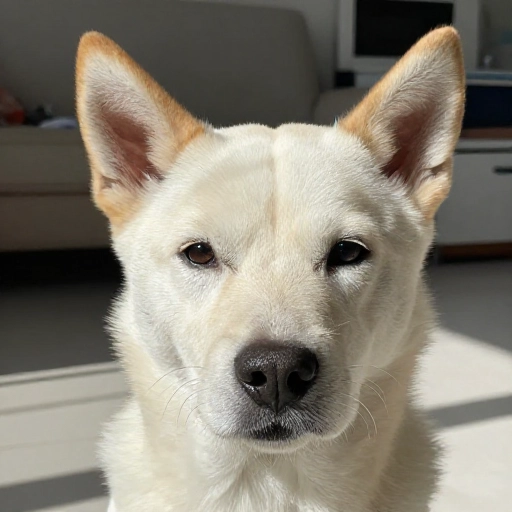
This trick works wonders for puppies still learning bite inhibition. When your pup bites you, let out a high-pitched, sharp “ow!” that sounds like a hurt puppy. The goal is to startle them, not scare them.
I felt silly doing it at first, but my dog would freeze and look at me with concern. The key is to stop the play immediately afterward for a few seconds. This teaches them that biting equals no fun. Just don’t overdo the yelping; one or two clear yelps is plenty, and then you go quiet.
3. Use the “Freeze” Technique
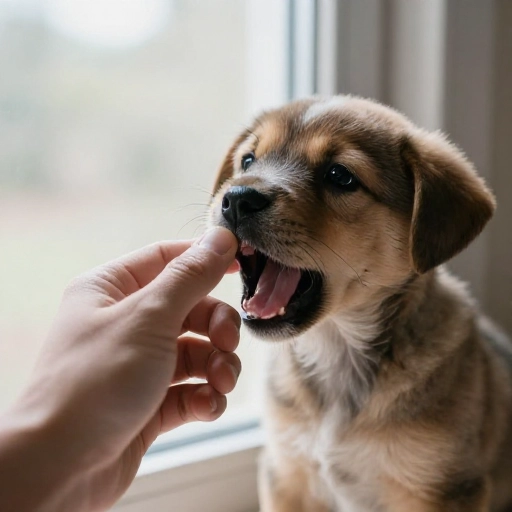
Sometimes movement triggers more biting. If your dog is mouthing your hands or feet, the best thing you can do is stop moving completely. Go completely still, like a statue. No pulling away, no flailing.
I remember my dog would go nuts when I tried to pull my hand back, but the moment I froze, she lost interest. It took a few tries, but she quickly learned that a still hand is boring. Pair this with a firm “no” and wait until they let go before you resume play.
4. Become a Toy Distributor
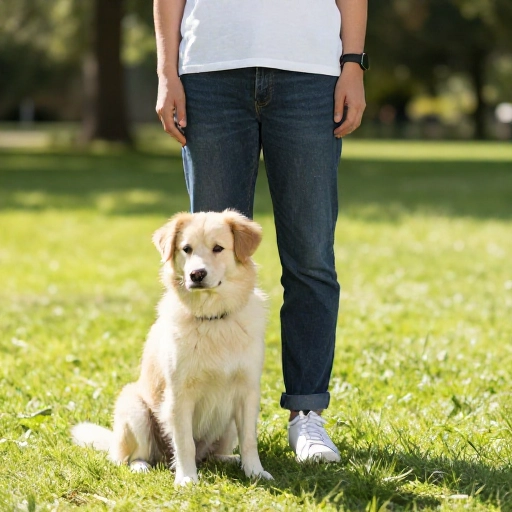
Your hands are not toys, but your dog doesn’t know that unless you show them. Keep a toy or chew bone within arm’s reach at all times. When your dog tries to bite you, immediately redirect them to the toy.
I started carrying a small tug toy in my pocket during play sessions. The moment I felt teeth, I would shove the toy into her mouth instead. It’s a simple swap: “chomp this, not me.” Over time, she started grabbing the toy on her own when she felt the urge to bite.
5. Teach the “Leave It” Command Early
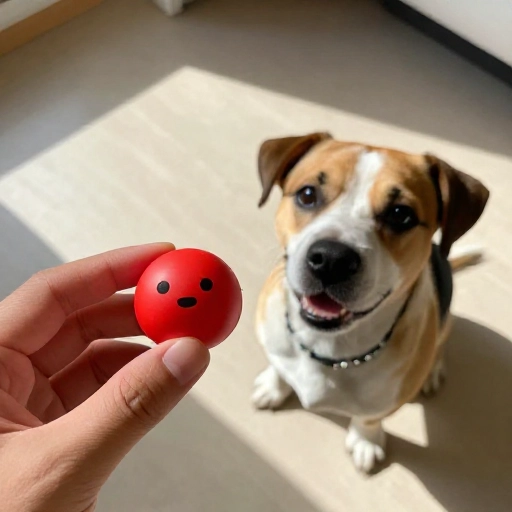
This is a life-saving command, not just for biting but for everything from dropped food to dangerous objects. Start by holding a treat in your closed fist. Let your dog sniff, lick, and paw at it. The second they pull away, say “yes!” and give them a different treat from your other hand.
Gradually increase the difficulty. Once they master it with your hand, you can use it to stop mouthing behaviors. I use “leave it” when my dog is about to nip my sleeve, and it gives her a moment to pause and think. It’s like a mental reset button.
6. Create a “Time Out” Zone
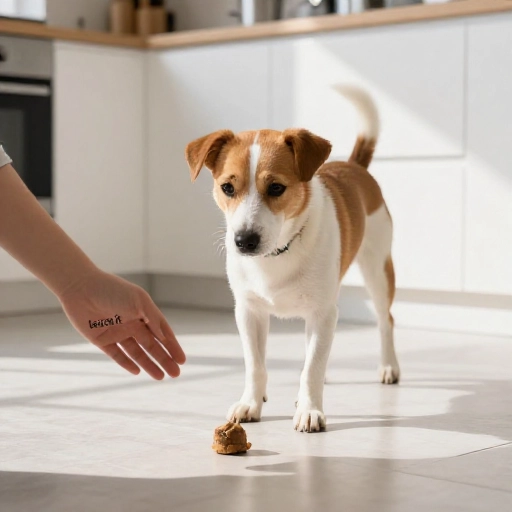
Sometimes a dog bites because they are simply too excited to control themselves. That’s when a calm time-out helps. Choose a boring spot, like a bathroom or a laundry room, and put your dog there for 30 seconds to a minute after a biting incident.
I used a small, safe area with no toys or attention. The time-out isn’t a punishment; it’s a chance for them to cool down. I would calmly say “time out,” lead her there, and then let her out once she was quiet. It taught her that biting means play ends.

7. Manage Your Energy Around Your Dog
Dogs are masters at reading our energy. If you’re tense, anxious, or frustrated, your dog will feel it and might become more reactive. When I noticed my dog biting more when I was stressed, I started taking a deep breath before interacting with her.
Speak in a calm, low tone. Move slowly and predictably. If you’re about to pet your dog and they start mouthing, try standing still and waiting until they sit. Calm energy from you encourages calm energy from them. It sounds simple, but it changes everything.
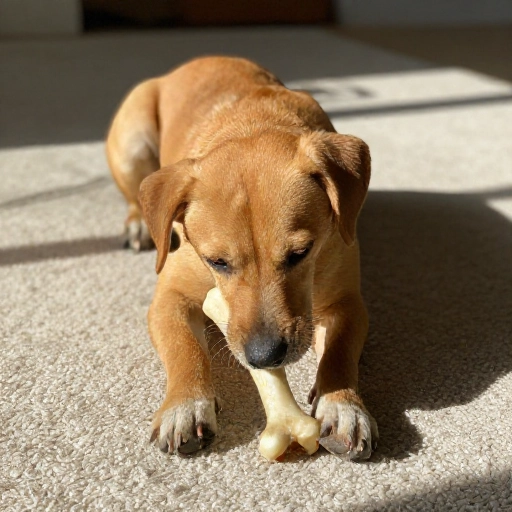
8. Give Them Plenty of Appropriate Chews
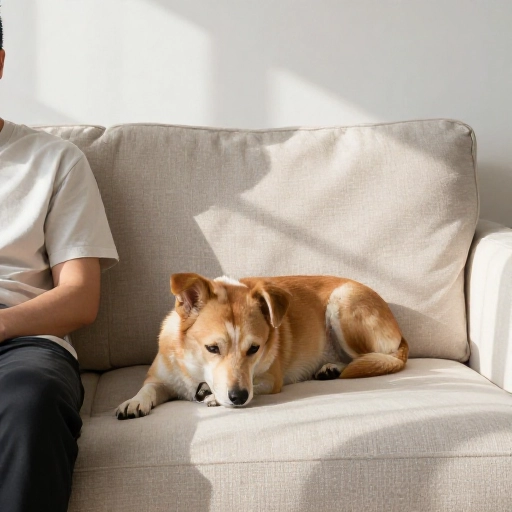
Biting is often a symptom of a dog’s need to chew, especially during teething. If you don’t give them something safe to gnaw on, they will find something else—like your furniture or your shoes. Stock up on a variety of textures.
I rotated between frozen carrots, bully sticks, and rubber toys stuffed with peanut butter. This not only soothed my puppy’s sore gums but also kept her busy. A tired jaw is a gentle jaw. Make sure the chews are size-appropriate and always supervise to avoid choking.
9. Avoid Rough Play That Encourages Mouthing
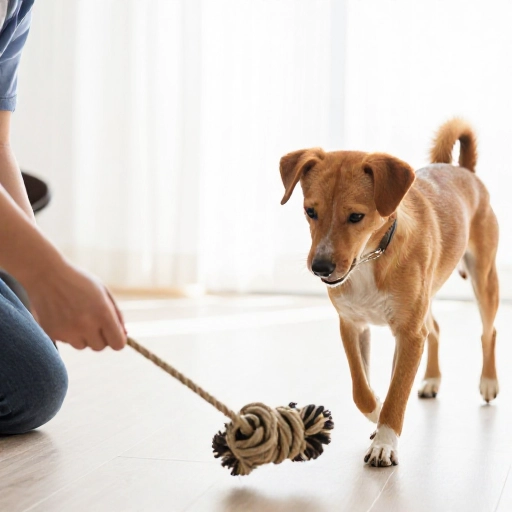
It’s tempting to play tug-of-war or wrestle with a mouthy dog, but this can teach them that biting hands and clothes is part of the game. I had to stop playing rough with my hands entirely for a few weeks.
Instead, I switched to games that don’t involve body contact, like fetch, chase (with a toy), or training tricks. When you want to play tug, use a rope toy and keep it at a distance from your skin. This draws a clear line between “play with toy” and “don’t play with human skin.”
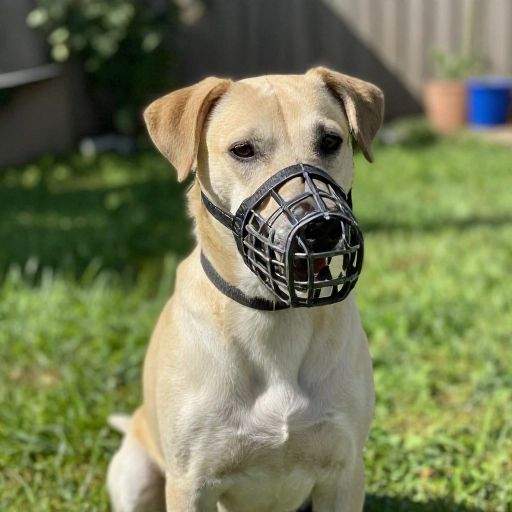
10. Use a Basket Muzzle for Safety Training
This might sound scary, but a properly fitted basket muzzle is a fantastic training tool for a serious biter. It doesn’t hurt the dog, and it allows them to pant and drink water. It keeps you safe while you work on behavior modification.
I introduced the muzzle slowly, pairing it with treats and making it a positive experience. My dog actually started to like it because it meant she got to go on walks without me being tense. It’s a temporary tool, not a permanent solution, and it gave us both confidence during training.
11. Don’t Forget the Power of Exercise
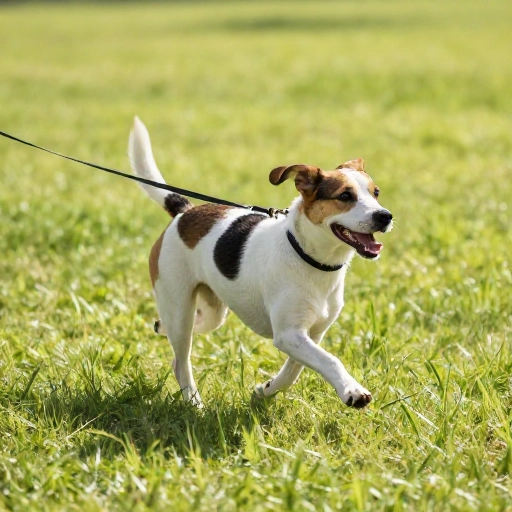
A tired dog is a well-behaved dog. Many biting issues come from pent-up energy. If your dog is bouncing off the walls, they might be trying to tell you they need a good run or a long sniff walk. Physical exercise is a game-changer.
I started adding 15 extra minutes of fetch or a quick game of “find the treat” to our daily routine. The difference was night and day. My dog was calmer, less reactive, and far less likely to mouth. A good workout can prevent biting before it even starts.
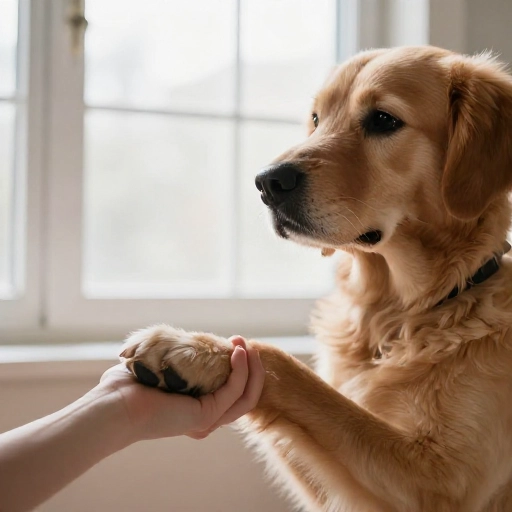
12. Practice Bite Inhibition with Gentle Handling
Get your dog used to having their paws, ears, and mouth touched. This is crucial for vet visits and grooming, but it also helps with biting. If your dog is sensitive about being touched, they might bite out of fear or surprise.
Start slow. Touch their paw for a second, then give a treat. Gradually increase the duration. I would gently stroke my dog’s muzzle and reward her for staying still. It taught her that human hands near her face mean good things, not scary things. This builds trust and reduces reactive biting.
13. Stay Consistent and Patient
Training a biting dog is not a one-week fix. It’s a habit that takes time to break. Some days you’ll feel like you’re making progress, and the next day they’ll regress. That’s normal. The most important thing is to stay consistent with your rules.
I kept a simple mantra in my head: “No biting, always redirect, and never punish.” Punishment can make biting worse by making your dog fearful or anxious. Instead, celebrate the small wins—like a day with fewer nips or a gentle mouth when they take a treat. Your calm patience will be the biggest factor in their success.

Conclusion
Dealing with a biting dog can feel overwhelming, but I promise you, it’s a phase you can work through. Every nip is a chance to teach your dog a better way to communicate. The key is to stay calm, be consistent, and always give them an alternative to biting.
Remember, your dog isn’t biting because they’re bad. They’re biting because they’re learning, or they’re uncomfortable, or they’re just too excited. With these 13 tips, you have a full toolbox to help them grow into a gentle, well-mannered companion. You’ve got this.
Frequently Asked Questions
How long does it take to stop a dog from biting?
It varies. For a young puppy, you might see improvement in a few weeks. For an adult dog with a strong habit, it can take a couple of months of consistent training. The key is patience and daily practice.
Is it normal for a puppy to bite?
Yes, very normal. Puppies explore the world with their mouths, and they also go through teething just like human babies. The goal is to teach them bite inhibition, not to stop all mouthing completely, until they grow out of it.
What should I do if my dog bites hard enough to break skin?
First, clean the wound and see a doctor if needed. For your dog, stop all play, calmly remove yourself from the situation, and give them a time-out. This is a serious behavior that needs immediate, consistent training. If it continues, consider working with a professional trainer.
Should I ever hit or yell at my dog for biting?
Never. Physical punishment or yelling can increase fear and anxiety, which often makes biting worse. It can also damage your bond. Positive reinforcement and redirection are far more effective and build trust.
Can an older dog learn to stop biting?
Absolutely. While puppies are more adaptable, adult dogs can absolutely learn new behaviors. It may take more time and patience, but the same principles of redirection, consistency, and calm energy work for dogs of any age.