How to Help Your Cat Lose Weight (Without the Drama)
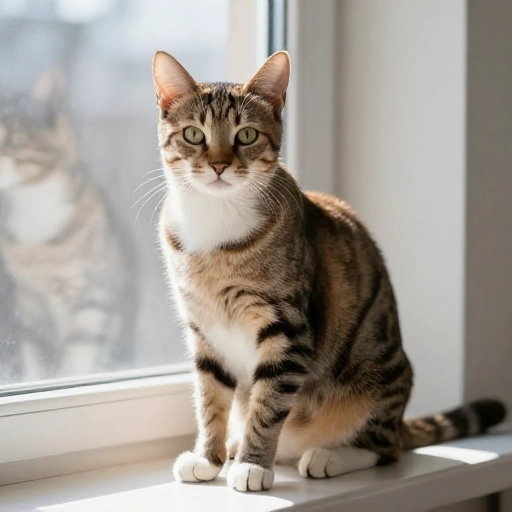
If your cat is starting to look more like a fluffy pillow than a lean hunter, you’re not alone. Indoor cats often pack on the pounds because they eat too much and move too little. But helping your feline friend slim down isn’t about starving them—it’s about making small, smart changes.
I’ve been through this with my own cats, and I know the struggle of those pleading eyes at meal time. The good news? Cats can lose weight safely with a little patience and a lot of love. Let’s talk about what actually works.
1. Ditch the Free-Feeding Bowl
Leaving a bowl of kibble out all day is the number one reason cats gain weight. They eat out of boredom, not hunger. I used to do this too, and my cat just grazed all day long.
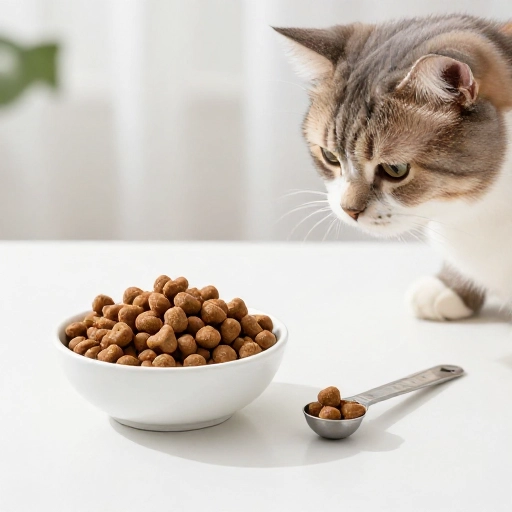
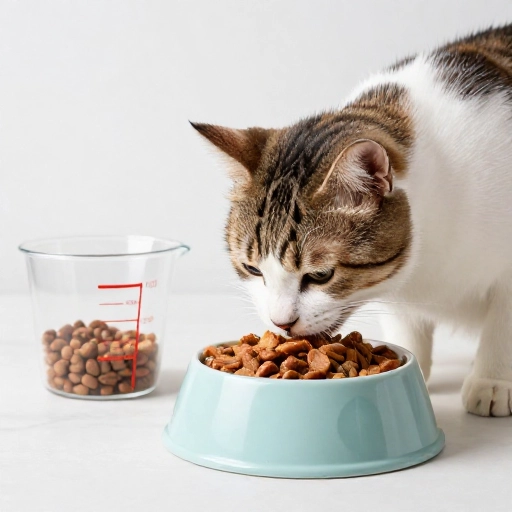
Instead, measure out portions. Most cats need only about 1/4 to 1/2 cup of dry food per day, split into two meals. Check the bag, but take it with a grain of salt—those guidelines often overfeed.
Stick to a schedule. Feed breakfast and dinner at the same times. Cats love routine, and this helps them feel secure even when portions shrink.
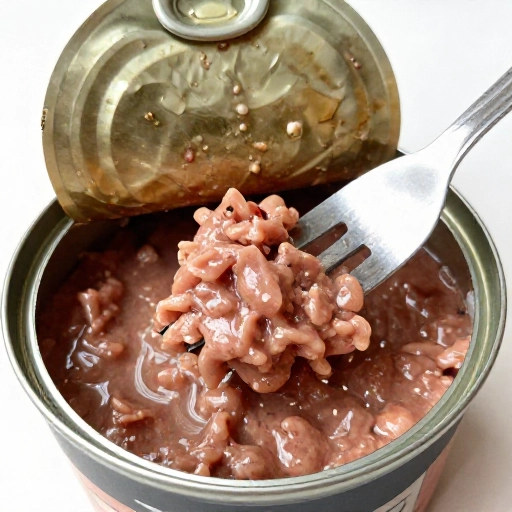
2. Switch to Wet Food
Wet food is a game changer for weight loss. It has way more moisture and fewer carbs than dry kibble. My cat lost two pounds just by switching to canned food alone.
Dry food is like cat candy—it’s packed with fillers that pack on pounds. Wet food fills their belly with protein and water, not empty calories.
Start by mixing a little wet food with their dry food, then slowly increase the ratio. Most cats adjust within a week.
3. Use a Kitchen Scale
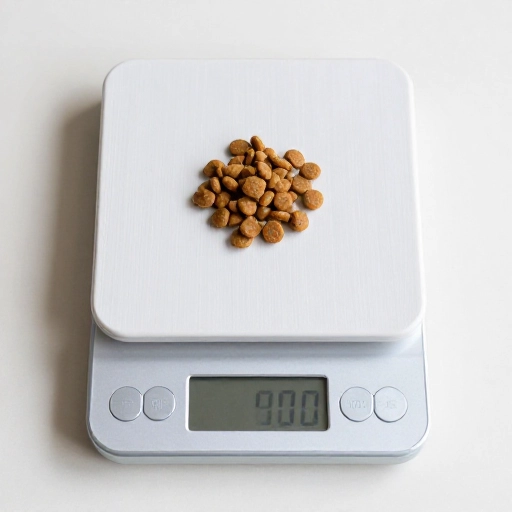
Guessing portion sizes doesn’t work. A “cup” of kibble can vary wildly between brands. I bought a simple digital kitchen scale for about ten bucks, and it made all the difference.
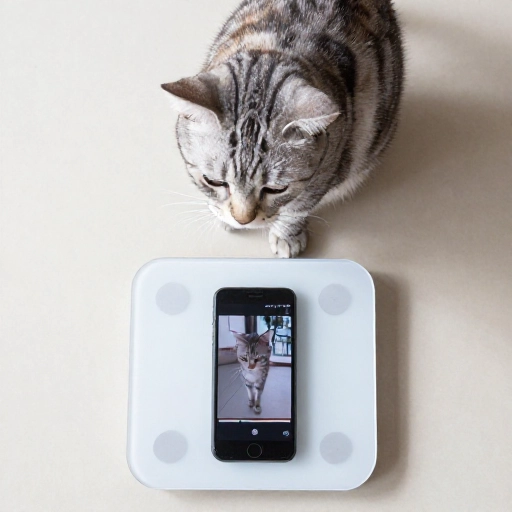
Weigh out their food once a day. Write down the number. It sounds nerdy, but it’s the only way to know exactly what they’re eating. You can also weigh your cat weekly to track progress.
Slow weight loss is key—about 1-2% of their body weight per week is safe. Too fast can cause health issues.
4. Make Playtime a Daily Habit
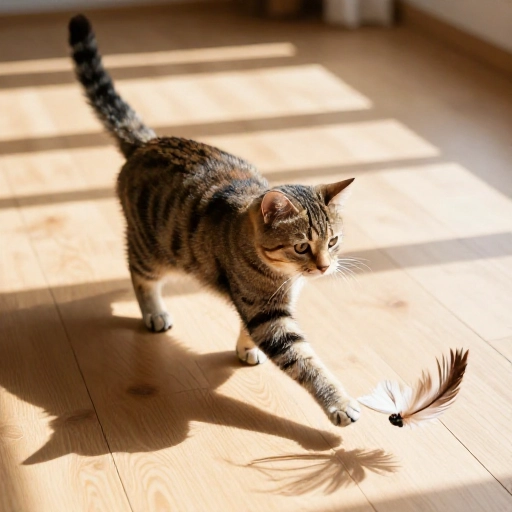
You can’t out-exercise a bad diet, but playtime helps burn extra calories and keeps your cat happy. Aim for two 10-minute play sessions each day.
Use toys that mimic prey—wand toys, feather teasers, or laser pointers. Let them chase, pounce, and stalk. My cat goes crazy for a crumpled paper ball on a string.
Don’t force it. If they’re not interested, try a different toy or time of day. Morning and evening are usually best since cats are naturally active at dawn and dusk.
5. Slow Down Their Eating
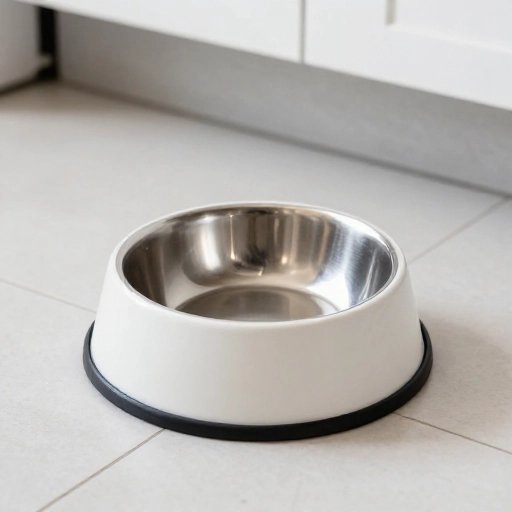
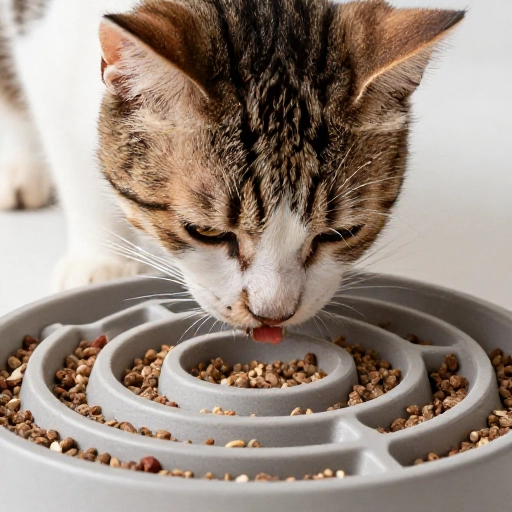
Some cats inhale their food like a vacuum cleaner. Eating too fast can lead to vomiting and overeating. I used a slow feeder bowl, and it helped my cat feel full longer.
You can also scatter their kibble on a flat plate or a baking sheet. This makes them work for each piece, mimicking natural foraging. It’s simple but surprisingly effective.
Another trick: use a food puzzle toy. These make your cat “hunt” for their food, which burns a few extra calories and keeps their brain busy.
6. Cut Back on Treats
Treats are the hidden enemy of cat weight loss. A single treat can have as many calories as a whole meal for a small cat. I used to give my cat treats every time she meowed—no wonder she gained weight.
Instead, use their regular kibble as treats. Set aside a few pieces from their daily portion and use those for training or bonding. They don’t know the difference.
If you must use commercial treats, break them into tiny pieces. A single treat can last three or four training sessions.
7. Create a Cat Gym
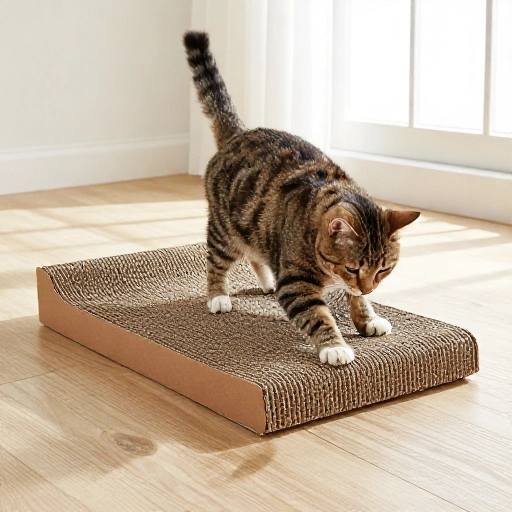
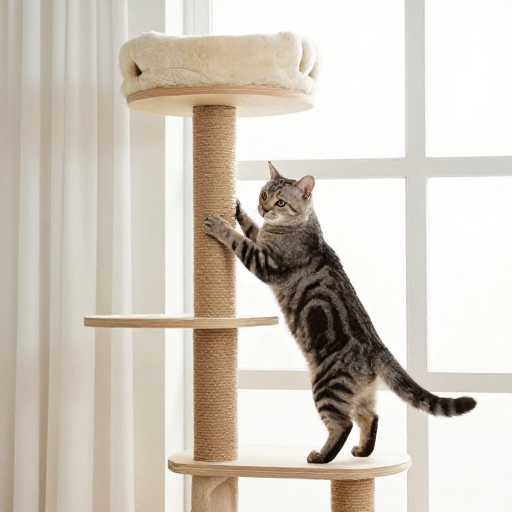
Indoor cats need vertical space to stay active. A cat tree, shelves, or window perches encourage climbing and jumping. My cat loves her tall scratching post—she uses it like a staircase.
Move food bowls to different spots around the house. Put one on a counter, another on the floor. This forces them to walk and climb to find their meals.
Even a cardboard box on its side can become a tunnel or hideaway. Keep things interesting by rotating toys and furniture every few weeks.
8. Don’t Starve Them
It’s tempting to cut calories drastically, but that can backfire. Cats’ bodies are designed to conserve energy when food is scarce. If you drop calories too fast, their metabolism slows down.
Gradual reduction is safer. Start by cutting their current portion by 10-15%, then wait a week or two. If they’re still losing weight too fast, add a little back.
Always consult your vet before starting any weight loss plan. Some health conditions can cause weight gain, and your cat might need a special diet.
9. Use a Food Dispenser Toy
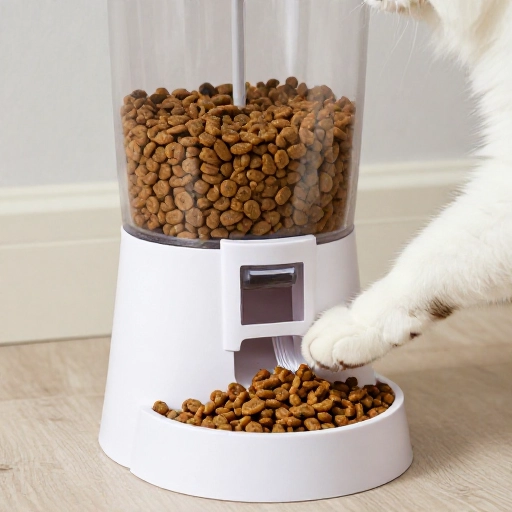
Food puzzle toys are genius for weight loss. They make cats work for their food, which burns mental and physical energy. My cat loves the plastic ball that dispenses kibble as she bats it around.
Start with an easy puzzle, then move to harder ones. You can even make your own by cutting holes in a plastic bottle (supervised only, no sharp edges).
This also slows down eating and prevents boredom. A busy cat is less likely to beg for food between meals.
10. Track Progress with Photos
Numbers on a scale can be discouraging if they don’t move fast enough. Take a photo of your cat from above and from the side every two weeks. You’ll see changes that the scale misses.
My cat lost weight slowly, but the photos showed her waist getting narrower and her belly tucking up. That visual proof kept me motivated.
Celebrate small wins. A half-pound loss is a big deal for a cat. Give them extra playtime or a new cardboard box as a reward (not food).
Conclusion
Helping your cat lose weight is a journey, not a race. Small, consistent changes add up over time. You don’t need fancy diets or expensive gadgets—just a little planning and a lot of patience.
Your cat will thank you with more energy, a longer life, and fewer health problems. And honestly, watching them chase a toy again is one of the best feelings in the world.
Start today, even if it’s just measuring their food for the first time. You’ve got this.
[[IMG:IMG12]]
FAQ
Q: How much weight should my cat lose per week?
A: Aim for 1-2% of their body weight per week. That’s about 0.2 to 0.4 pounds for a 10-pound cat.
Q: Can I just feed my cat less dry food?
A: Reducing dry food helps, but switching to wet food is more effective. Dry food is high in carbs and low in moisture.
Q: My cat begs for food constantly. What do I do?
A: Stick to a schedule. Feed at the same times daily. Use puzzle toys or scatter feeding to keep them busy.
Q: Is it safe to put a cat on a diet without a vet?
A: No. Always check with your vet first, especially if your cat has health issues. Sudden weight loss can be dangerous.
Q: How long does it take for a cat to lose weight?
A: It depends on the cat. Most need 6-12 months to reach a healthy weight. Slow and steady wins the race.
[[IMG:IMG13]]