Puppy Potty Training Tips That Actually Work

Bringing home a new puppy is one of the most exciting moments. But let’s be honest—those first few weeks can feel like a never-ending cycle of accidents and cleaning supplies. I’ve been there, scrubbing the carpet at 2 a.m., wondering if my little guy would ever get it. The good news? He did. And your puppy will too, with a little patience and a solid plan.
Potty training doesn’t have to be a battle. It’s really about building a routine your pup can understand. Think of it like teaching a baby—they need consistency, rewards, and a lot of grace. I’m sharing the exact tips that helped me survive (and succeed) with my own puppy. These are simple, practical, and designed to fit into your real life.
Ready to ditch the paper towels? Let’s get started.
1. Stick to a Predictable Schedule
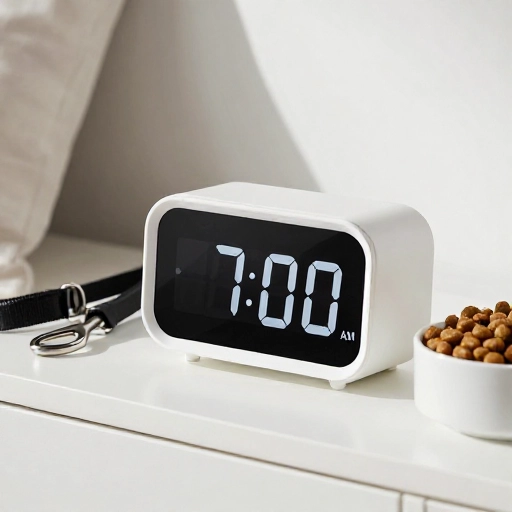
Puppies thrive on routine. If you’re taking them out at random times, they’ll never know when to expect a bathroom break. Set a schedule and stick to it like glue.
Take your puppy out first thing in the morning, right after meals, after naps, and before bedtime. I set alarms on my phone for the first two weeks—it felt silly, but it worked. Within days, my puppy started heading to the door on his own.
Consistency is your secret weapon. The more predictable you are, the faster your puppy will learn.
2. Use a Designated Potty Spot
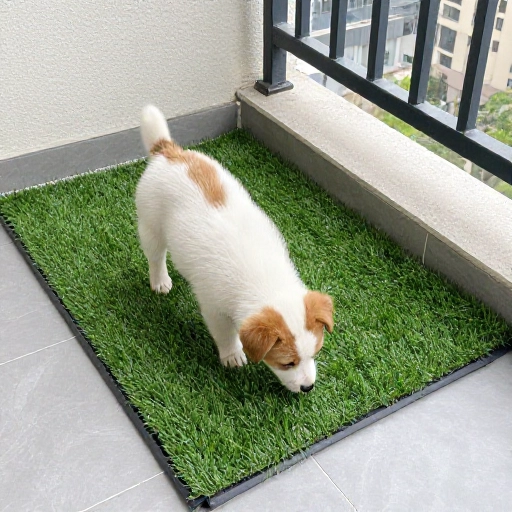
Pick one spot outside where you want your puppy to go. Bring them there every single time. The smell will help them understand what to do.
I chose a patch of grass near the back fence. Every time we went out, I carried my pup straight there and said “go potty” in a calm voice. After a week, he’d run to that spot on his own. It saves so much confusion.
Keep it consistent. Changing spots just prolongs the training.
3. Reward Immediately and Enthusiastically
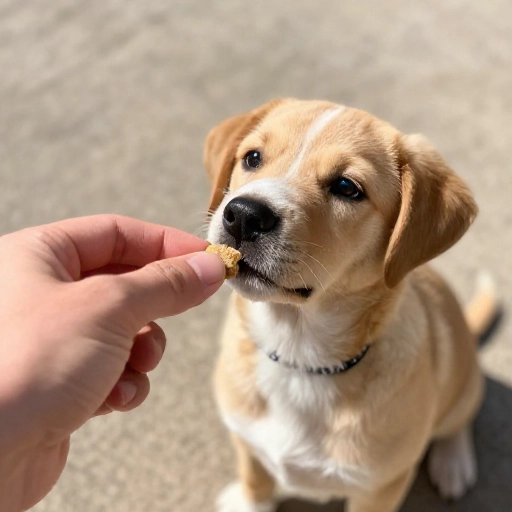
When your puppy goes in the right spot, throw a tiny party. Use a high-value treat (something they only get for potty wins) and lots of praise. The key is timing—reward them the second they finish.
I kept a pouch of tiny training treats in my pocket at all times. The moment my puppy squatted, I’d say “yes!” and give him a treat. He quickly learned that outside = good things happen. Accidents dropped dramatically.
Don’t wait until you’re back inside. The reward needs to happen right there, right then.
4. Watch for the Warning Signs
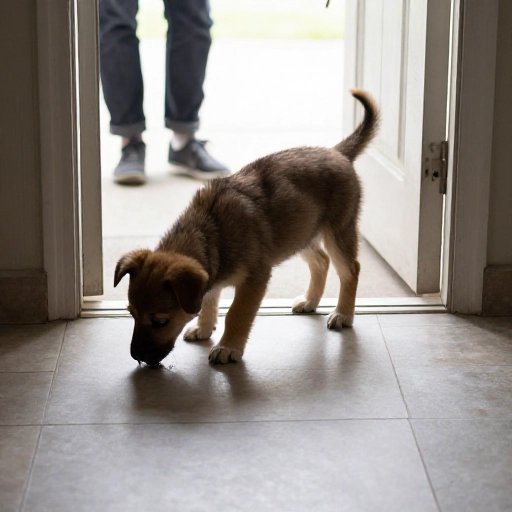
Puppies give signals before they go. Sniffing the floor, circling, whining, or suddenly leaving the room are all clues. Learn your pup’s “I gotta go” dance.
I missed these signs at first. I’d think my puppy was just being playful, then—oops. Once I started paying attention, I could scoop him up and head outside before anything happened. It’s like having a superpower.
Keep an eye on them, especially during active play. Interrupt early, and you’ll have way fewer messes.
5. Crate Training Is Your Friend
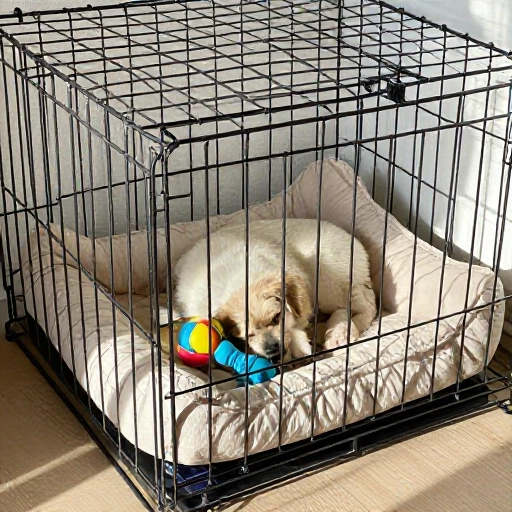
Dogs naturally avoid soiling their sleeping area. A properly sized crate can be a huge help in potty training. It’s not a punishment—it’s a cozy den.
I used a crate with a divider so my puppy only had enough room to stand up, turn around, and lie down. He never wanted to sleep in a mess, so he learned to hold it longer. Just make sure you take him out as soon as you open the crate.
Never leave a puppy in a crate for too long. A general rule: they can hold it for about one hour per month of age (up to a max).
6. Clean Accidents the Right Way
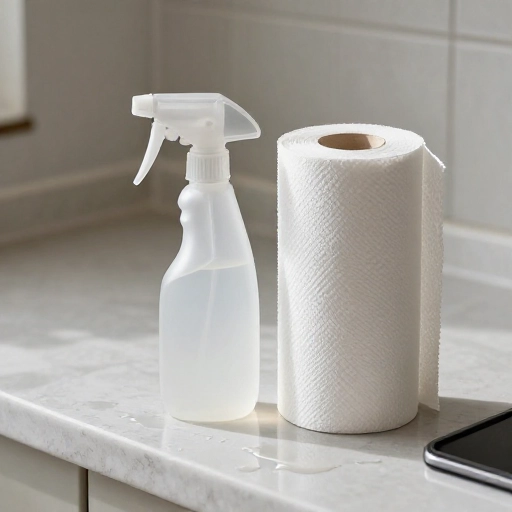
If your puppy has an accident inside, clean it up with an enzyme-based cleaner. Regular sprays might smell clean to you, but your pup can still smell the urine and will want to go there again.
I learned this the hard way. My puppy kept peeing on the same spot in the hallway until I switched to an enzyme cleaner. After that, he stopped. It’s a small change that makes a big difference.
Blot up as much as you can first, then spray and let it sit for a few minutes before wiping.
7. Don’t Punish Accidents
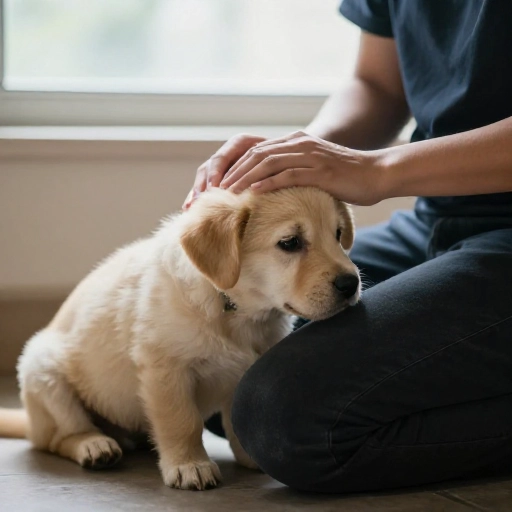
Yelling or rubbing your puppy’s nose in a mess will only scare them. They won’t understand why you’re upset. Instead, they might start hiding to potty in secret.
I remember one time I got frustrated and raised my voice. My puppy looked confused and scared, and it set us back a whole day. After that, I stayed calm, cleaned up, and moved on. Positive training builds trust.
If you catch them in the act, clap or say “ah-ah” to interrupt, then whisk them outside. No anger needed.
8. Take Them Out More Often Than You Think
Young puppies have tiny bladders. A good rule is to take them out every 1-2 hours during the day, plus after every meal, nap, and play session. Yes, it’s a lot. But it’s temporary.
I set a timer for every 90 minutes at first. Even if my puppy didn’t act like he needed to go, I took him out anyway. Most of the time, he did go. Those extra trips prevented so many accidents.
Better to go out too often than not enough. You’ll gradually extend the time as they get older.
9. Use a Bell or a Signal
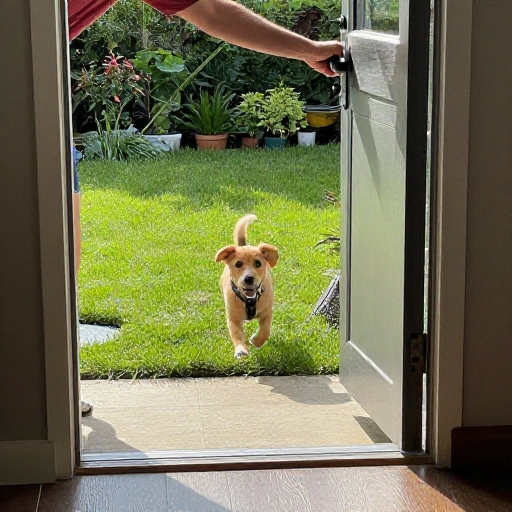
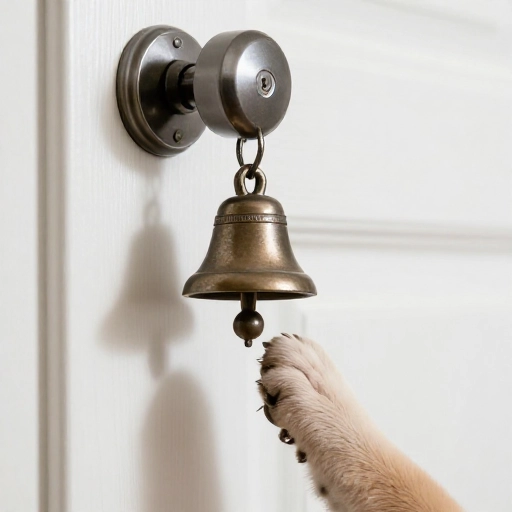
Teach your puppy to let you know when they need to go. A bell by the door works great. Every time you take them out, gently tap their paw on the bell or ring it yourself before opening the door.
I hung a jingle bell on a ribbon from the doorknob. Within a week, my puppy was booping it with his nose when he needed to go. It felt like magic. He learned that ringing = outside fun.
This gives your puppy a clear way to communicate. Less guessing for both of you.
10. Be Patient and Stay Consistent
Potty training takes time. Some puppies get it in a couple of weeks, others need a few months. There will be setbacks—a rainy day, a change in routine, or just a stubborn mood. That’s normal.
I had a week where my puppy seemed to forget everything. I felt like we’d never get there. But I stuck with the routine, kept rewarding the wins, and he eventually clicked again. Every puppy is different.
Be kind to yourself and your pup. Consistency and patience will get you through. One day, you’ll realize it’s been weeks since the last accident, and you’ll both be so proud.
Conclusion
Potty training your puppy is a journey, not a race. With a solid schedule, plenty of rewards, and a whole lot of patience, you’ll both get there. Remember, every accident is just a step in the learning process. Stay consistent, stay calm, and celebrate the small wins.
You’ve got this. And when your puppy finally nails it, that little tail wag will make every late-night trip outside totally worth it.
Frequently Asked Questions
How long does it usually take to potty train a puppy?
Most puppies take 4 to 6 months to be fully reliable, but some learn in as little as a few weeks. It depends on consistency, age, and breed. Small breeds sometimes take a bit longer.
Should I use puppy pads or go straight to outdoor training?
I recommend skipping puppy pads if you can. They teach your pup that it’s okay to go inside. If you must use them (like for apartment living), transition to outdoor training as soon as possible.
What if my puppy has an accident in the crate?
If your puppy soils their crate, the space might be too big. Remove the divider so they only have room to stand and turn. Also check if you’re leaving them in too long—puppies can’t hold it for hours.
Can I potty train an older dog the same way?
Yes! The same tips work for older dogs too. They might need a little more time if they have bad habits, but consistency and rewards work just as well at any age.
My puppy keeps peeing when excited. What do I do?
That’s called submissive or excitement urination, and it’s common in young puppies. Keep greetings calm, avoid looming over them, and let them approach you. They usually outgrow it as they gain confidence.