Everything You Need to Know About Boxer Dog Health and Care
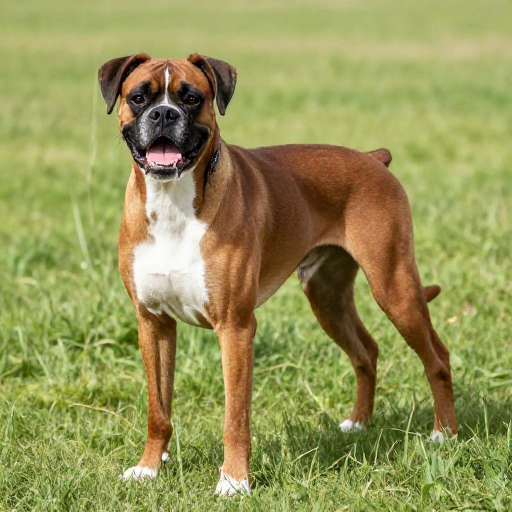
If you’ve ever met a Boxer, you already know they have a way of stealing your heart. With their wrinkly faces, boundless energy, and that wiggly butt that just won’t quit, Boxers are one of the most lovable dog breeds out there. But as any Boxer owner will tell you, keeping them happy and healthy takes a little know-how. I’ve spent years learning what works best for these playful pups, and I’m sharing all the essentials with you today.
Boxers are strong, loyal, and full of personality. But they also come with some specific health needs that you can’t ignore. From their sensitive stomachs to their love of exercise, every part of their care matters. Whether you’re a new Boxer parent or just thinking about bringing one home, this guide covers the real, practical stuff you need to know. Let’s dive in and make sure your Boxer lives their best life.
1. Understanding Common Boxer Health Issues
Boxers are generally healthy dogs, but they do have some breed-specific health concerns you should know about. The most common ones include heart conditions like aortic stenosis and cardiomyopathy. Regular vet check-ups are non-negotiable if you want to catch these early. Another big one is bloat—a life-threatening stomach twist that can happen fast, especially after eating or drinking too quickly.
Skin allergies and hip dysplasia are also pretty common in Boxers. You might notice your dog scratching a lot or having trouble getting up after a nap. The good news? With proper diet, exercise, and regular vet visits, many of these issues can be managed or prevented. Always keep an eye on your Boxer’s behavior—they’ll tell you when something’s off.
Remember, not every Boxer will get these conditions. But being aware means you can act fast if something seems wrong. Your vet is your best friend here, so don’t skip those annual exams.

2. Feeding Your Boxer for Optimal Health
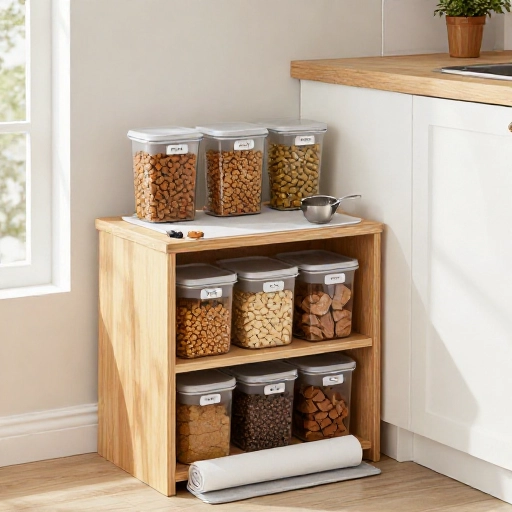
Boxers are active dogs with high energy needs, but they can also be picky eaters. I’ve found that a high-quality protein-rich diet works best for them. Look for foods with real meat as the first ingredient—chicken, beef, or fish are all great options. Avoid fillers like corn and soy, which can upset their sensitive stomachs.
Portion control is key. Boxers love food, and they can easily become overweight if you’re not careful. Split their daily food into two meals to help prevent bloat and keep their energy steady. Puppies need three to four meals a day, while adults do well with two.
Don’t forget about treats! Use them sparingly and opt for healthy ones like carrots or blueberries. And always, always have fresh water available. Boxers can dehydrate quickly, especially after playtime.

3. Exercise Needs for a Happy Boxer
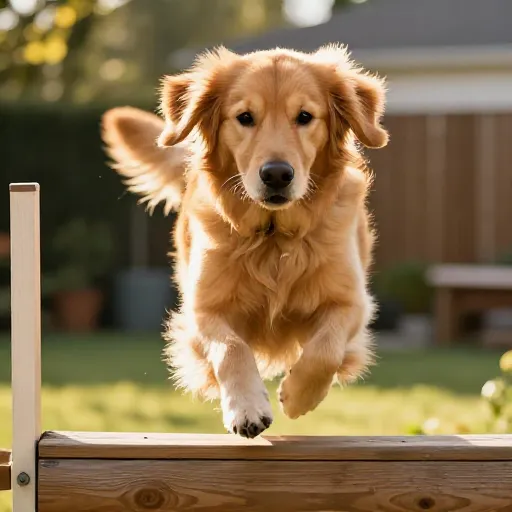
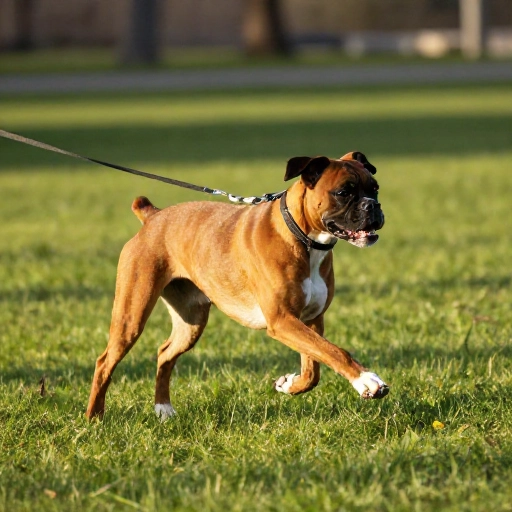
Boxers are athletes at heart. They need at least an hour of exercise every day, and they love it! Think brisk walks, runs, or a good game of fetch. Without enough activity, they can get bored and destructive. I’ve seen Boxers chew up shoes and furniture just because they had pent-up energy.
But here’s the thing—Boxers are also prone to overheating because of their short snouts. So exercise in the cooler parts of the day, especially during summer. Always bring water and take breaks. Swimming is a fantastic low-impact option that’s easy on their joints.
Mental stimulation is just as important. Puzzle toys, training sessions, and even hide-and-seek can tire them out just as much as a run. A tired Boxer is a good Boxer, and a happy one too.
4. Grooming Your Boxer the Easy Way
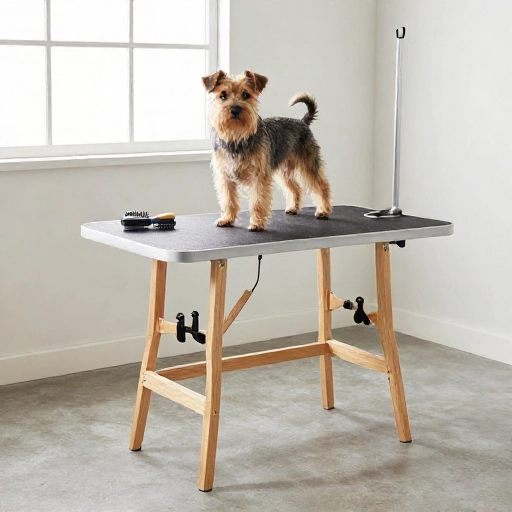
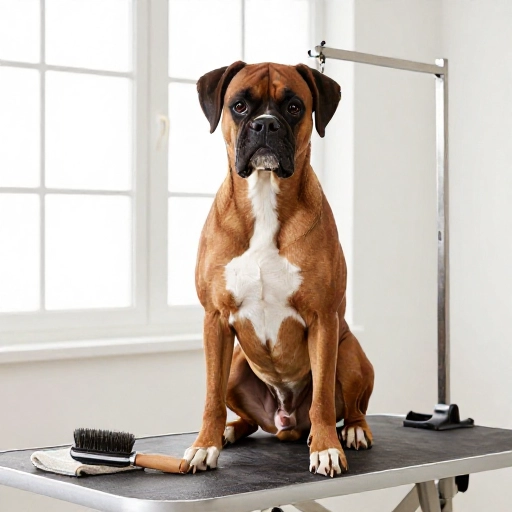
One of the best things about Boxers? They’re low-maintenance when it comes to grooming. Their short, smooth coat only needs a weekly brush to remove loose hair. A rubber curry brush works wonders and feels like a massage to them. During shedding season, you might need to brush a bit more often.
Bathing is simple too—every month or two is plenty unless they get into something messy. Use a gentle dog shampoo to keep their skin from drying out. Their wrinkles, especially around the face, need a little extra attention. Wipe them clean with a damp cloth to prevent infections.
Don’t forget their nails and ears. Trim nails every few weeks, and check their ears weekly for redness or odor. Boxers are prone to ear infections, so keeping them clean and dry is a must.
5. Training Tips for a Well-Behaved Boxer
Boxers are smart but can be stubborn. That’s why early training is so important. Start with basic commands like sit, stay, and come when your pup is young. Use positive reinforcement—treats, praise, and play—because Boxers respond way better to rewards than punishment.
Socialization is huge for this breed. Expose them to different people, dogs, and environments from puppyhood. This helps prevent fearfulness or aggression later on. I always recommend puppy classes or playdates with calm, friendly dogs.
Consistency is your secret weapon. Boxers thrive on routine, so keep training sessions short and fun. Five to ten minutes a few times a day works better than one long session. And be patient—they’ll get there with time and love.
6. Preventing and Managing Bloat
Bloat, or gastric dilation-volvulus (GDV), is a serious emergency for Boxers. It happens when the stomach fills with gas and twists. Symptoms include a swollen belly, restlessness, drooling, and trying to vomit without success. If you see these signs, get to the vet immediately—it’s life-threatening.
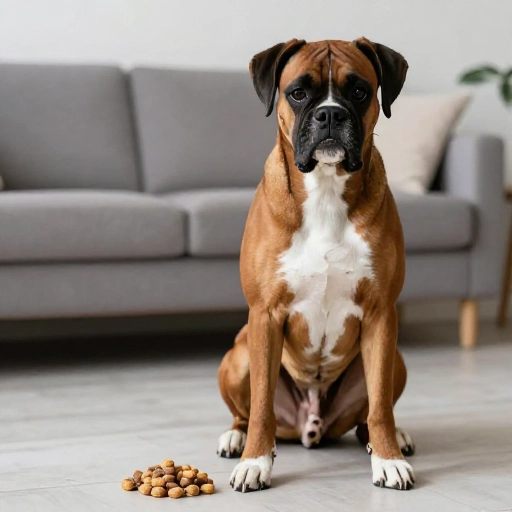
To reduce the risk, feed your Boxer two smaller meals instead of one big one. Avoid exercise right before and after eating. Use a slow feeder bowl if your dog tends to gulp their food. And don’t let them drink huge amounts of water all at once.
Some owners opt for a preventive surgery called gastropexy, which tacks the stomach to the abdominal wall. Talk to your vet about whether this is right for your dog. It’s a personal decision, but it can save lives.
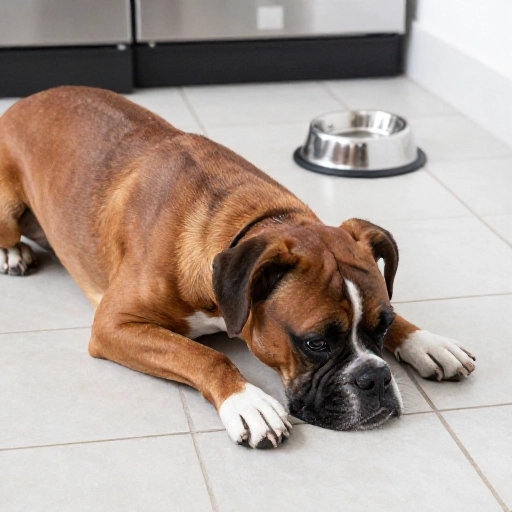
7. Keeping Your Boxer’s Joints Healthy
Boxers are prone to hip and elbow dysplasia, especially as they age. Keeping them at a healthy weight is the best thing you can do for their joints. Extra pounds put unnecessary pressure on their hips and elbows. A lean Boxer is a healthier one.
Supplements like glucosamine and chondroitin can help support joint health. I give my Boxer a daily joint chew, and it’s made a noticeable difference in their mobility. Omega-3 fatty acids from fish oil are also great for reducing inflammation.
Low-impact exercises like swimming or gentle walks are easier on their joints than running on hard pavement. And always provide a soft, supportive bed. A good night’s sleep on a comfy surface helps their body recover.

8. Mental Stimulation and Enrichment
Boxers are working dogs at heart, and they need a job to do. Without mental stimulation, they can get bored and act out. I’ve found that puzzle toys, treat-dispensing balls, and nose work games keep them engaged for hours. It’s amazing how tired a mental workout can make them.
Training new tricks is another great way to challenge their brains. Teach them things like “spin,” “high five,” or even “play dead.” They love learning and showing off. Plus, it strengthens your bond.
Rotate their toys regularly to keep things fresh. And don’t underestimate the power of a simple cardboard box to hide treats in. It’s cheap, fun, and your Boxer will love the challenge.
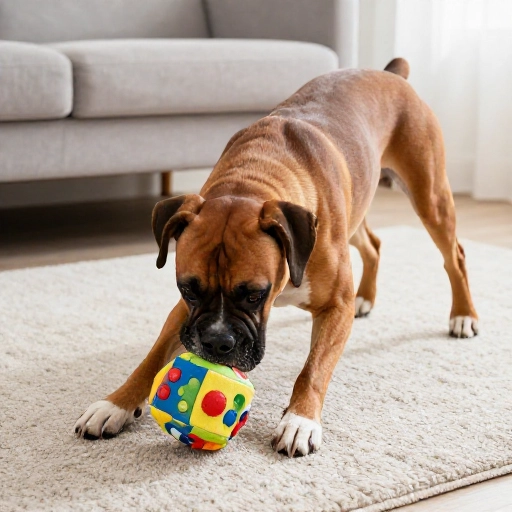
9. Boxer Dental Care You Can’t Skip
Dental health is often overlooked, but it’s so important for Boxers. Their short snouts can lead to crowded teeth, which makes plaque buildup more likely. Bad breath isn’t just unpleasant—it can be a sign of gum disease or tooth decay. Brush your Boxer’s teeth at least two to three times a week with dog-safe toothpaste.
Dental chews and toys designed to clean teeth are great supplements. But they shouldn’t replace brushing. Regular vet dental cleanings are also a good idea, usually once a year. Your vet can check for any issues you might miss at home.
Start dental care early so your Boxer gets used to it. Make it a positive experience with treats and praise. Healthy teeth mean a healthier dog overall.
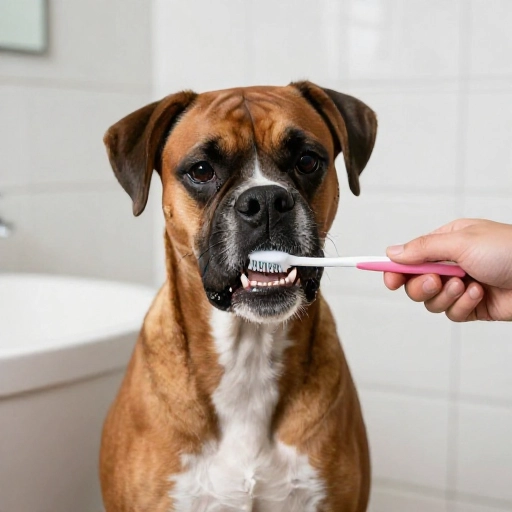
10. Creating a Safe Home for Your Boxer
Boxers are curious and energetic, so your home needs to be a safe space for them. Start by puppy-proofing—secure loose cords, put away small objects they could swallow, and block off areas that aren’t safe. Their strong tails can knock things over, so keep fragile items out of reach.
A fenced yard is ideal for Boxers because they love to run. But make sure the fence is secure—they can jump high and might try to chase something interesting. Never leave them unsupervised outside for long periods.
Inside, give them a cozy spot of their own. A crate can be a safe haven if introduced properly. And always have fresh water and shade available. A safe, loving home is the foundation of a happy Boxer’s life.
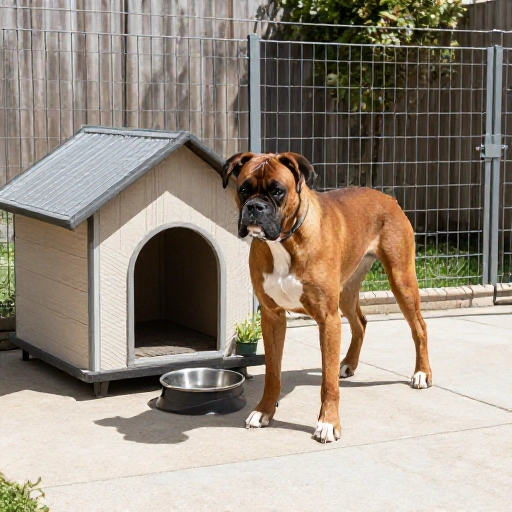
Conclusion
Caring for a Boxer is a big responsibility, but it’s also one of the most rewarding things you’ll ever do. They bring so much joy, laughter, and love into your life. By staying on top of their health, giving them plenty of exercise, and showering them with attention, you’ll have a loyal companion for years to come.
Remember, every Boxer is unique. Pay attention to their individual needs and trust your instincts. You know your dog best. With the right care, your Boxer will thrive and be your best friend through thick and thin.
[[IMG:IMG12]]
Frequently Asked Questions
Q: How long do Boxers typically live?
Boxers usually live between 10 to 12 years. With excellent care, some can reach 13 or 14. Regular vet visits and a healthy lifestyle can help them live their longest life.
Q: Are Boxers good with kids?
Yes, Boxers are famously great with children. They’re playful, protective, and gentle when raised properly. Always supervise interactions between any dog and young kids to keep everyone safe.
Q: Do Boxers drool a lot?
Some Boxers drool more than others, especially after drinking or eating. It’s not excessive for most, but if your dog has loose lips, you might see some slobber. Keep a towel handy just in case.
Q: How much exercise does a Boxer need daily?
At least one hour of active exercise every day. This can include walks, runs, playtime, or training. Without enough activity, they can become restless or destructive.
Q: Can Boxers live in apartments?
Yes, but it takes effort. Boxers need plenty of exercise, so apartment living means you must commit to daily walks and playtime. They also do best with a yard if possible. With enough activity, they can adapt.