Why Your Dog Needs Hydrotherapy
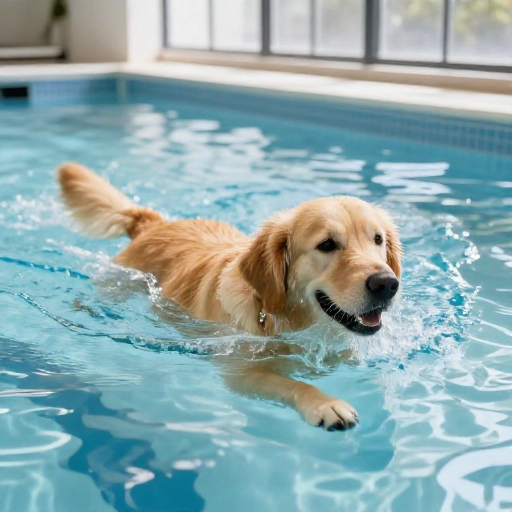
I never thought my dog would need a pool day for his health. But after watching my Lab struggle to jump on the couch, I knew something had to change. That’s when I discovered hydrotherapy for dogs.
Hydrotherapy isn’t just for Olympic athletes or humans with injuries. It’s a gentle, effective way to help your pup move better, feel stronger, and live happier. Whether your dog is recovering from surgery, dealing with arthritis, or just needs low-impact exercise, water might be the answer.
Let me walk you through why this therapy is a game-changer for so many dogs.
It’s Gentle on Joints
When your dog is in water, their body weight is supported. That means less pressure on sore hips, knees, and elbows. It’s like giving them a break from gravity.
For dogs with arthritis or dysplasia, land exercise can hurt. But in water, they can move freely without pain. The buoyancy lets them build muscle without damaging their joints further.
This is huge for older dogs who still want to play but can’t run like they used to.
It Builds Muscle Without Strain
Water creates natural resistance. Every step your dog takes in the pool is like a mini workout. Their muscles have to push against the water, which strengthens them over time.
This is especially helpful for dogs recovering from cruciate ligament surgery or hip replacements. They need to rebuild muscle, but they can’t do high-impact exercises. Hydrotherapy fills that gap perfectly.
I’ve seen dogs go from wobbly to steady after just a few sessions.
It Improves Range of Motion
Many dogs lose flexibility after an injury or as they age. Water encourages them to stretch and move in ways they might avoid on land. The warmth of the water also helps loosen tight muscles.
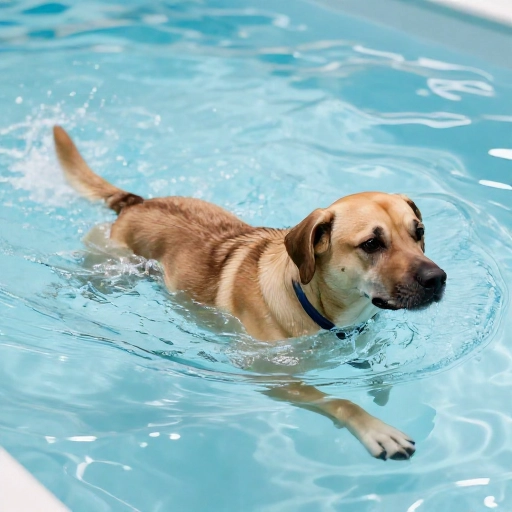
Your dog can paddle, walk, and even swim through different gaits. This helps maintain or improve how far they can move each joint. It’s like physical therapy, but way more fun.
It Helps with Weight Management
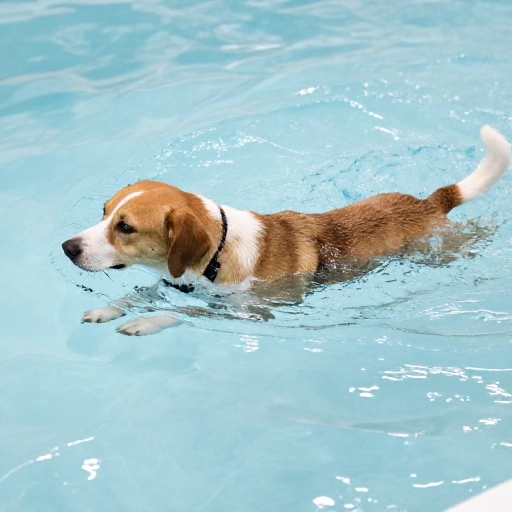
Carrying extra pounds is hard on any dog. Hydrotherapy burns calories without stressing the body. It’s a fantastic way to help an overweight pup shed pounds safely.
Many dogs love the water, so they don’t even realize they’re exercising. You can adjust the intensity based on your dog’s needs. Plus, the resistance in water means they work harder than they would on a walk.
It Reduces Pain and Inflammation
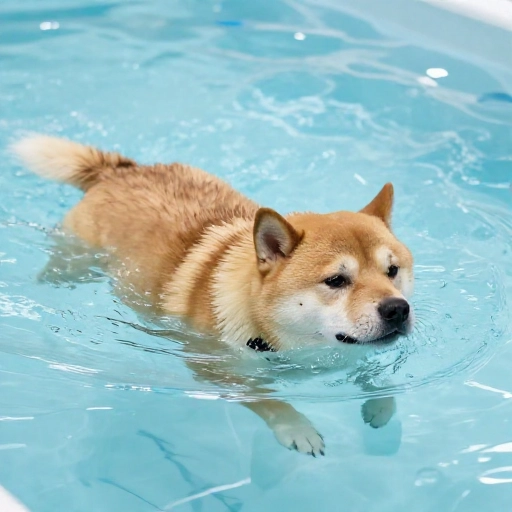
Warm water soothes sore muscles and joints. The heat increases blood flow, which helps flush out inflammation. This can make a big difference for dogs with chronic conditions like hip dysplasia or disc disease.
Even dogs with acute injuries benefit from the calming effect of water. They often relax and move more naturally, which speeds up healing.
It Boosts Confidence
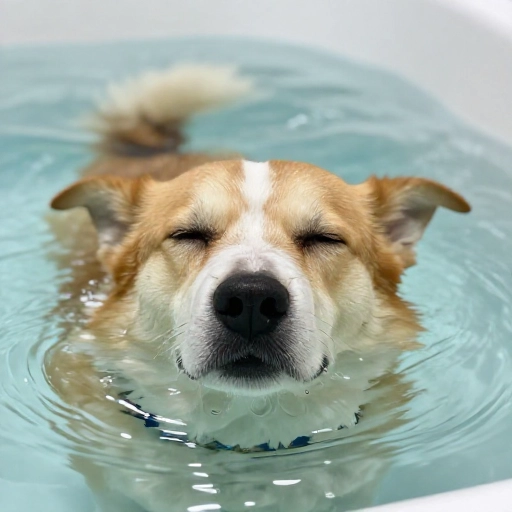
Some dogs become fearful after an injury or surgery. They might hesitate to walk or play because they remember the pain. Hydrotherapy gives them a safe space to rediscover movement.
The water provides support, so they feel secure. As they succeed, their confidence grows. I’ve watched scared dogs turn into happy paddlers, ready to take on the world again.
It Improves Cardiovascular Health
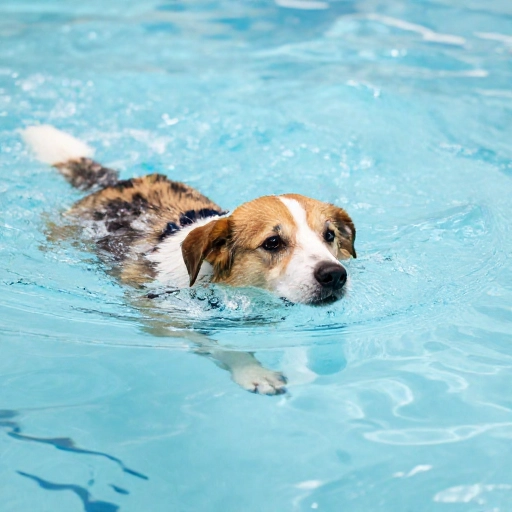
Swimming and walking in water is excellent cardio. It gets your dog’s heart pumping without overworking their body. This is great for dogs with heart conditions or those who need gentle endurance training.
Regular sessions can improve circulation and lung function. Your dog will have more energy for daily activities and playtime.
It Helps with Neurological Conditions
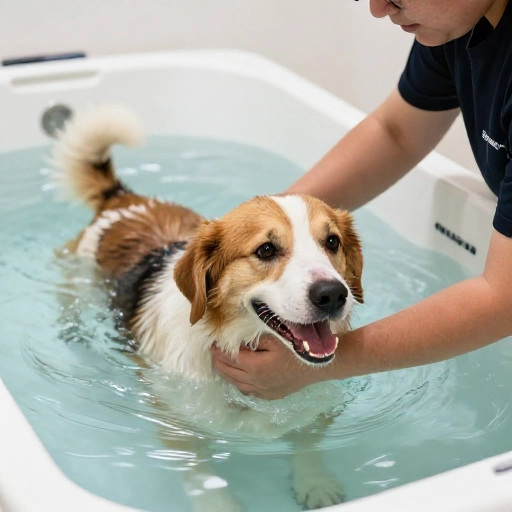
Dogs with issues like intervertebral disc disease (IVDD) or degenerative myelopathy can benefit greatly from hydrotherapy. The water supports their body, making it easier to practice walking and coordination.
Many rehab centers use underwater treadmills for this exact reason. The combination of buoyancy and resistance helps retrain the brain and muscles to work together.
It Prevents Future Injuries
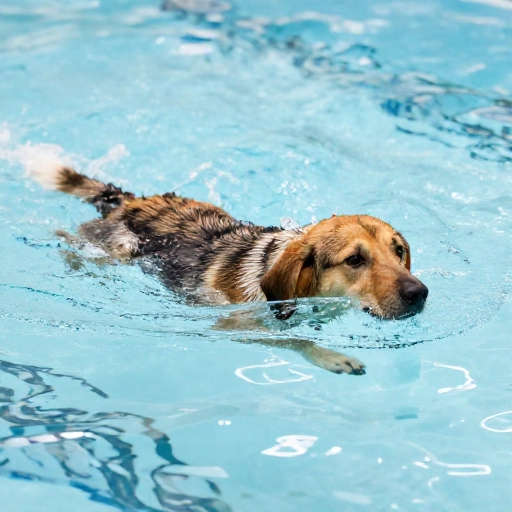
Strong muscles protect joints. By strengthening your dog’s core and limbs, hydrotherapy reduces the risk of future injuries. It’s like building a natural support system around their body.
Athletic dogs, like agility or hunting breeds, benefit from this extra conditioning. It keeps them performing at their best while staying safe.
It Strengthens Your Bond
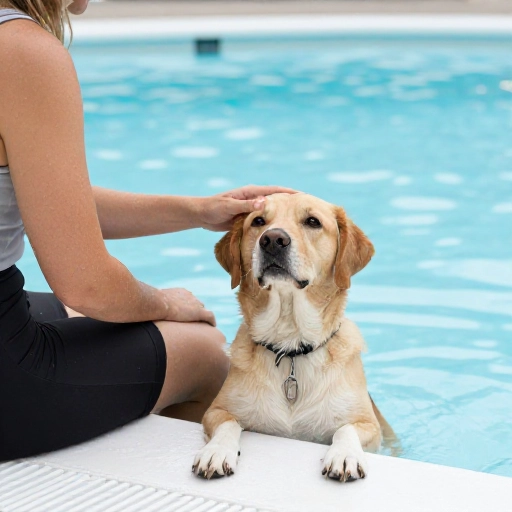
Hydrotherapy sessions are a team effort. You’re there, cheering your dog on, and they feel your support. The time spent in the water together builds trust and connection.
Many dogs learn to love the routine. They get excited when they see the pool or hear the water running. It becomes a positive, shared experience that brings you closer.
Conclusion
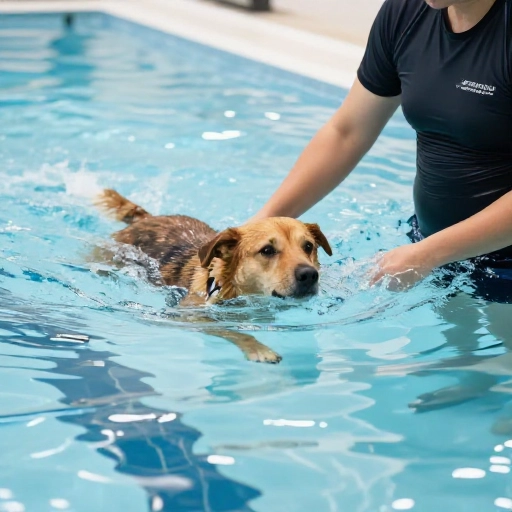
Hydrotherapy isn’t a luxury—it’s a tool that can transform your dog’s quality of life. From easing pain to building strength, the benefits are real and often life-changing. If your dog is struggling with mobility, weight, or recovery, consider giving hydrotherapy a try.
Talk to your vet or a certified canine rehab therapist to see if it’s right for your pup. Your dog deserves to move with joy, and water might just be the key.
Frequently Asked Questions
Is hydrotherapy safe for all dogs?
Most dogs can do hydrotherapy, but you should always get a vet’s approval first. Dogs with certain heart conditions, infections, or open wounds may need to avoid it.
How long is a typical session?
Sessions usually last 15 to 30 minutes, depending on your dog’s condition and fitness level. The therapist will adjust the time as needed.
Do I need special equipment?
No, you don’t need anything at home. Professional hydrotherapy centers have heated pools and underwater treadmills. They also provide life vests and supervision.
How soon will I see results?
Many owners notice improvements after just a few sessions. Long-term benefits, like muscle gain and weight loss, take consistent work over several weeks.
Can I do hydrotherapy at home?
You can try gentle water exercises in a bathtub or kiddie pool, but it’s not the same as professional therapy. For best results, work with a trained therapist who can customize the program for your dog.