13 Common Cat Health Concerns Every Owner Should Watch For
As a cat owner, I know how easy it is to worry. One minute your cat is zooming around the living room, and the next they’re hiding under the bed. It’s hard to tell what’s a tiny quirk and what’s a real problem. Over the years, I’ve learned that catching issues early makes all the difference.
Our feline friends are masters at hiding pain. That’s why knowing the signs matters so much. Today, I’m sharing 13 common health concerns that every cat owner should keep an eye on. This isn’t about scaring you—it’s about helping you become your cat’s best advocate.
Trust your gut. If your cat seems off, your vet is always the best person to call. But having a little knowledge in your back pocket can give you peace of mind.
1. Urinary Tract Issues
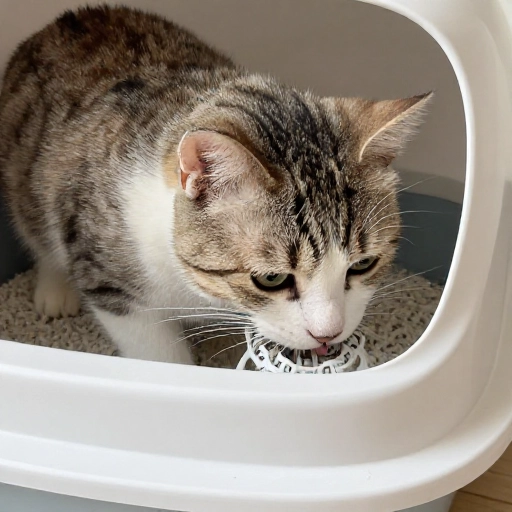
This is one of the most common problems I hear about from other cat owners. Watch for your cat straining to pee, going outside the litter box, or crying out while using the bathroom. Male cats are especially at risk for blockages, which are an emergency.
If you notice blood in the urine or your cat is licking their private area constantly, call your vet. Stress, diet, and dehydration can all play a role. Keep fresh water available and consider wet food to help prevent this.
2. Dental Disease
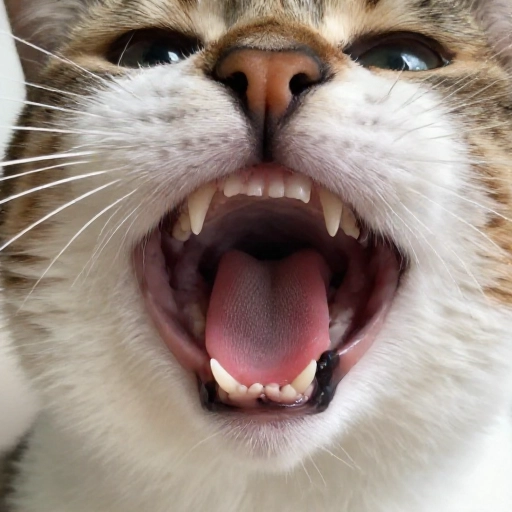
Bad breath isn’t just “cat breath.” It’s often a sign of dental trouble. Plaque buildup can lead to painful gums, tooth loss, and even infections that spread to the heart or kidneys. Your cat might drool more, eat less, or paw at their mouth.
I check my cats’ teeth monthly. You can also look for red gums or yellow-brown tartar. Regular vet cleanings and dental treats can help keep those chompers healthy.
3. Obesity
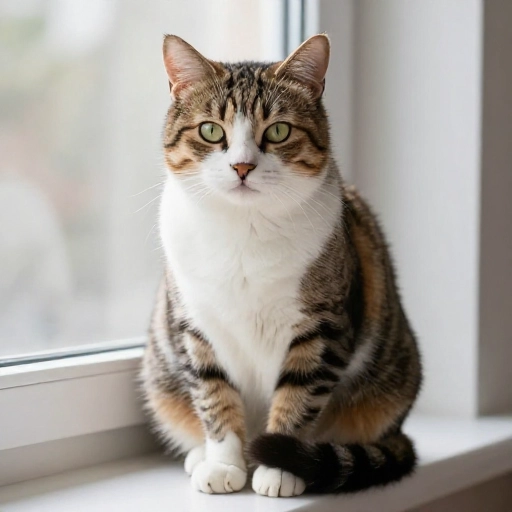
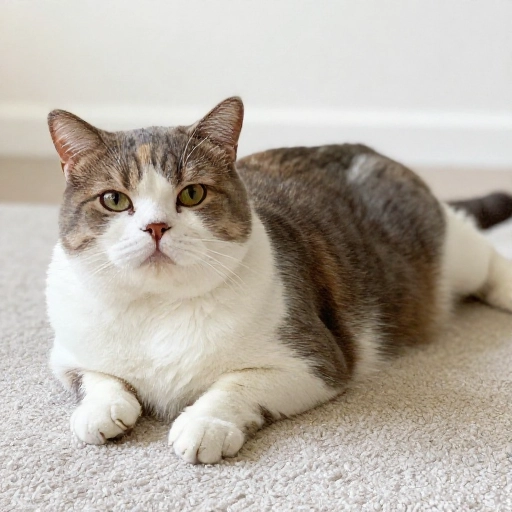
Extra weight is a silent problem. It can lead to diabetes, arthritis, and a shorter lifespan. If you can’t feel your cat’s ribs easily, they might be carrying too much weight. A rounded belly and less energy are other clues.
Portion control is key. I measure my cats’ food and limit treats. Encourage playtime with wand toys or laser pointers. Even ten minutes a day can help.
4. Kidney Disease
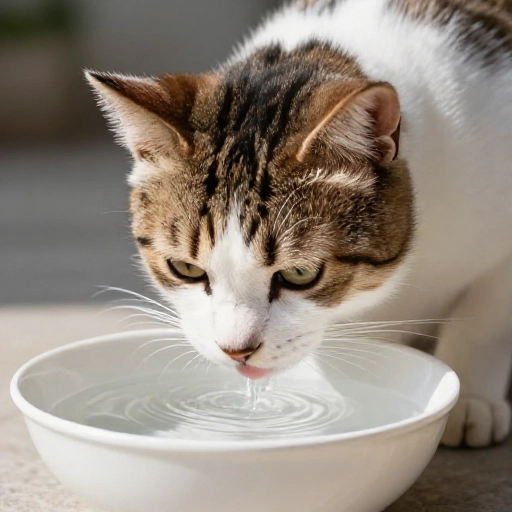
This is very common in older cats. Signs include increased thirst, more frequent urination, weight loss, and a dull coat. Your cat might also vomit or seem tired all the time.
Early detection is huge. Annual blood tests can catch kidney issues before symptoms get bad. A kidney-friendly diet and plenty of fresh water can slow progression.
5. Hyperthyroidism
If your older cat is eating like a horse but losing weight, hyperthyroidism could be the cause. Other signs include restlessness, a fast heart rate, and vomiting. Their coat might look messy or greasy.
This condition is treatable. Medication, special diet, or even radioactive iodine therapy can help. Your vet can run a simple blood test to check thyroid levels.
6. Upper Respiratory Infections
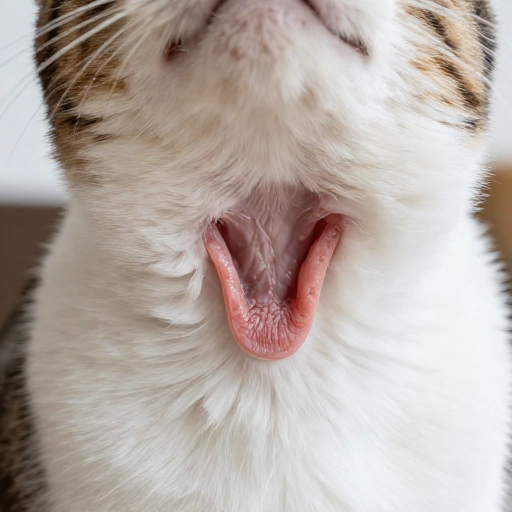
Think of this like a cat cold. Sneezing, runny nose, watery eyes, and coughing are the main signs. Your cat might lose their appetite or feel lethargic. Stress often triggers flare-ups.
Keep your cat warm and comfortable. A steamy bathroom can help clear congestion. If symptoms last more than a few days or your cat stops eating, see the vet. Antibiotics might be needed.
7. Diabetes
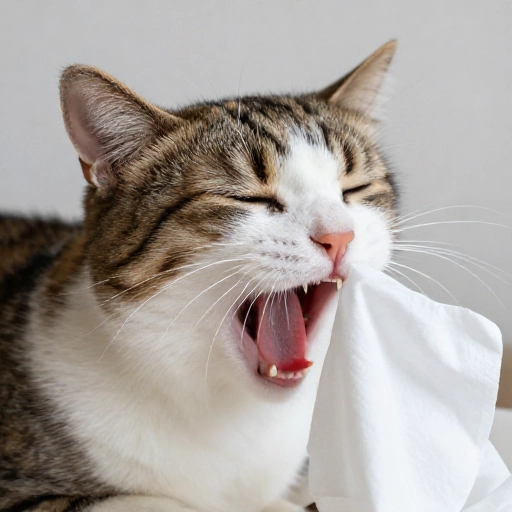
Excessive thirst, frequent urination, and weight loss are the big red flags. Your cat might also have a ravenous appetite or seem weak in their back legs. Overweight cats are at higher risk.
Diabetes is manageable with insulin and diet changes. High-protein, low-carb food works best. Catching it early can even lead to remission in some cats. Regular vet check-ups are essential.

8. Fleas and Parasites
Even indoor cats can get fleas. Watch for excessive scratching, scabs, or tiny black specks in their fur. Tapeworms look like grains of rice around your cat’s bottom. Ear mites cause dark, crumbly debris in the ears.
Year-round prevention is easiest. I use a vet-recommended topical treatment monthly. Check your cat’s coat and ears regularly, especially after they’ve been outdoors or around other animals.
9. Arthritis
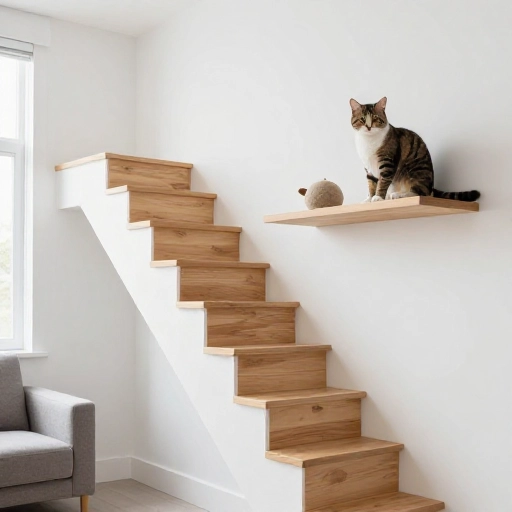
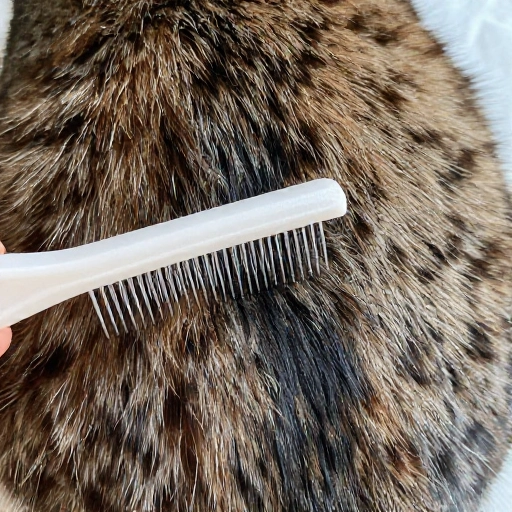
Older cats often slow down, but it might be pain, not age. If your cat hesitates before jumping, uses the stairs differently, or seems stiff after resting, arthritis could be the culprit. They might also avoid being petted on their back.
Joint supplements, soft bedding, and low-sided litter boxes can help. Your vet can recommend pain relief options. A little extra padding around the house makes a big difference.
10. Vomiting and Hairballs
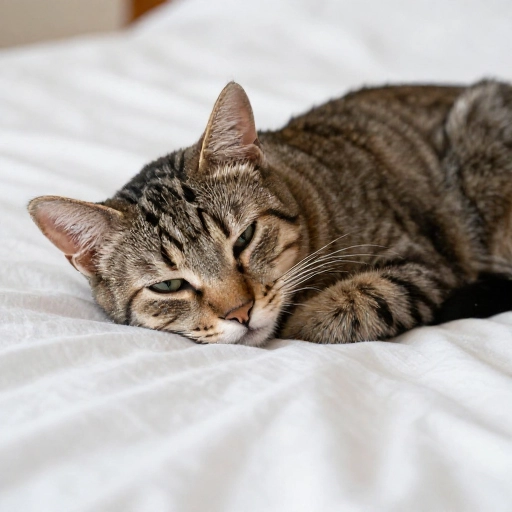
Occasional vomiting isn’t unusual, but frequent episodes are a concern. Hairballs happen, but if your cat is vomiting food, bile, or has diarrhea, something’s wrong. Watch for lethargy or a swollen belly.
Try a hairball control diet or regular brushing. If your cat vomits more than once a week, talk to your vet. It could be allergies, food sensitivities, or a more serious issue.
11. Skin Allergies
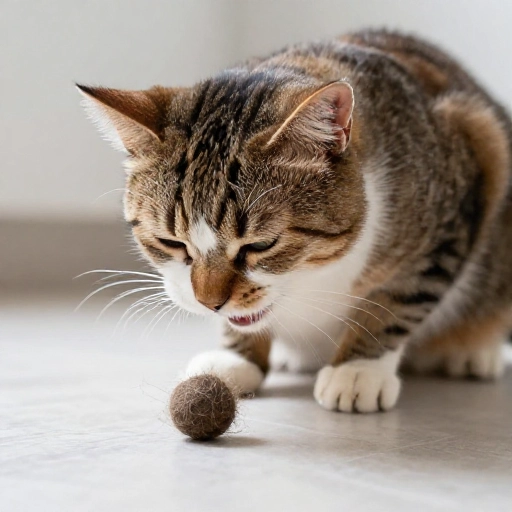
Itchy skin, bald patches, and red bumps can be signs of allergies. Food, pollen, or even your laundry detergent could trigger them. Your cat might over-groom, leaving bald spots on their belly or legs.
Work with your vet to find the trigger. A food trial or antihistamines might help. Keeping your home clean and using hypoallergenic products can reduce flare-ups.
12. Cancer
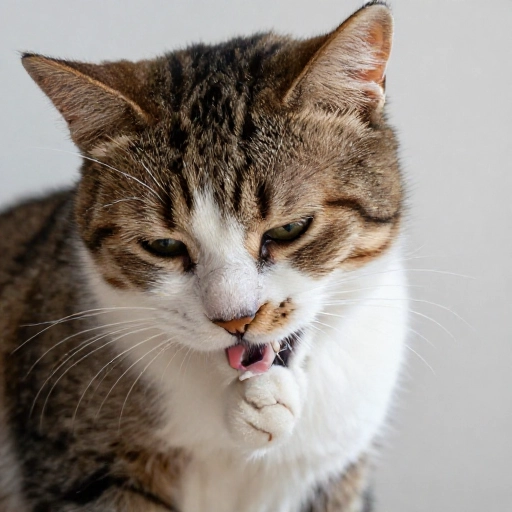
Lumps, unexplained weight loss, and changes in appetite can signal cancer. You might notice sores that don’t heal, difficulty breathing, or sudden lameness. Older cats are more at risk.
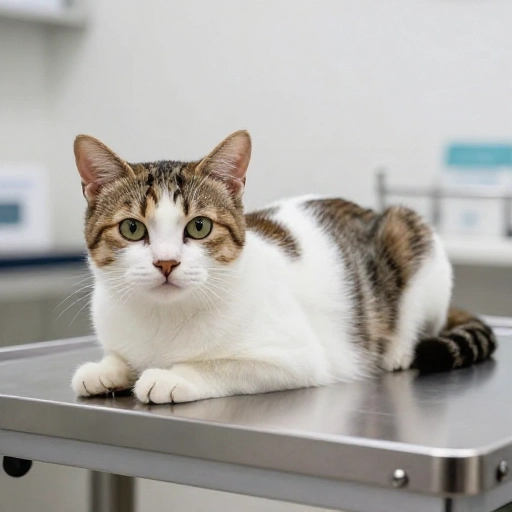
Not all lumps are cancerous, but any new bump should be checked. Your vet can do a fine needle aspiration or biopsy. Early detection improves treatment options, so don’t wait.
13. Poisoning
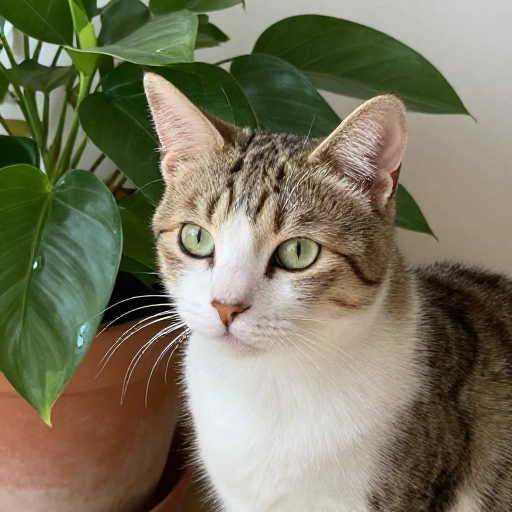
Cats are curious and can get into things they shouldn’t. Lilies, certain houseplants, human medications, and essential oils are common dangers. Signs include drooling, vomiting, seizures, or collapse.
Cat-proof your home. Keep toxic plants out of reach and store meds safely. If you suspect poisoning, call your vet or a pet poison hotline immediately. Every second counts.
Wrapping It Up
Being a cat owner means being a detective sometimes. You know your cat better than anyone. If you notice a change in their behavior, eating habits, or energy level, pay attention. Most health issues are easier to manage when caught early.
Don’t be afraid to ask your vet questions. I always keep a little notebook for symptoms. It helps me describe things clearly during appointments. Your cat depends on you—and you’ve got this.
Frequently Asked Questions
How often should I take my cat to the vet?
At least once a year for a check-up. Senior cats or those with health issues may need visits every six months. Regular exams catch problems early.
What are the first signs of a sick cat?
Look for changes in appetite, energy, litter box habits, or grooming. Hiding more than usual is also a big red flag. Trust your instincts.
Can indoor cats get sick too?
Absolutely. Indoor cats still face risks like obesity, dental disease, and stress-related issues. They can also get fleas from visitors or other pets. Prevention matters for all cats.
How can I make my cat’s home safer?
Remove toxic plants, secure windows, and keep small objects out of reach. Provide scratching posts and cozy hiding spots. A calm environment supports good health.
When should I take my cat to the emergency vet?
If your cat can’t pee, has trouble breathing, is bleeding, or has a seizure, go immediately. Also if they’ve eaten something toxic. Better safe than sorry.