Snuggle Up: The Ultimate Guide to Finding the Best Dog Bed for Your Breed
We all know that feeling—you’ve had a long day, and all you want is to sink into your perfect spot on the couch. Our dogs feel the same way! But here’s the thing: a Chihuahua and a Great Dane have very different ideas of “perfect.”
Picking the right bed isn’t just about spoiling your pup. It’s about supporting their joints, keeping them cool (or warm), and giving them a safe space to call their own. I’ve spent hours testing beds with my own pack, and I’ve learned that one size definitely does not fit all.
Let’s break down the best dog beds by breed type so you can find the one that makes your dog sigh with pure happiness.
1. The Small & Snuggly: Best Beds for Tiny Breeds (Chihuahuas, Yorkies, Toy Poodles)
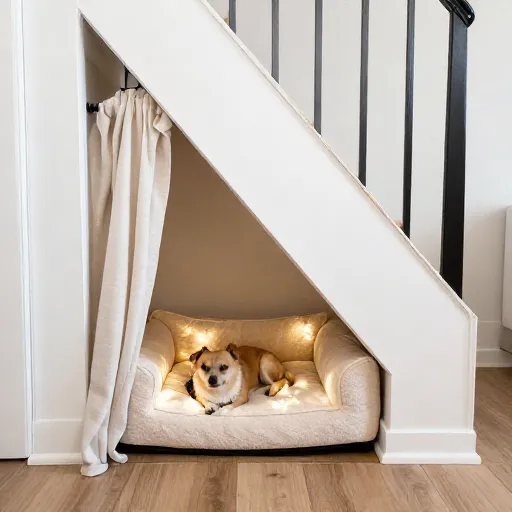
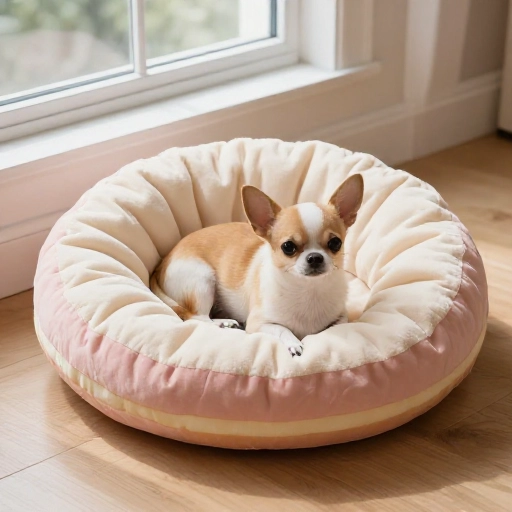
Little dogs get cold easily and love to burrow. They aren’t looking for a sprawling mattress; they want a warm, secure cave.
Look for a donut or nesting bed with high, plush walls. This gives them something to lean against and a place to hide their nose. I personally love a faux-fur option for these guys—it mimics the warmth of a litter mate.
Avoid beds that are too large. A tiny dog in a giant bed looks cute, but they actually feel insecure. They want to be hugged by the sides.
2. The Long & Low: Best Beds for Dachshunds & Corgis
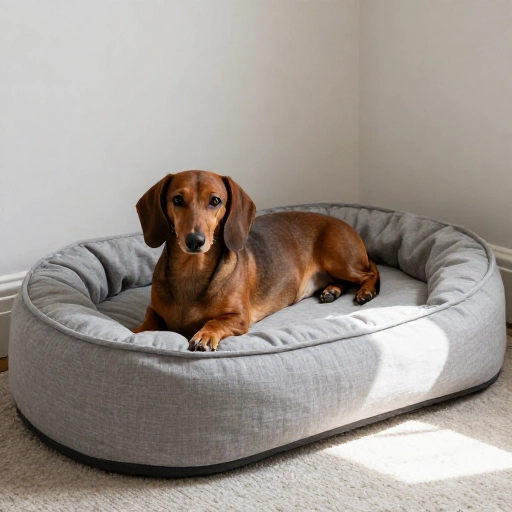
These breeds have long spines and short legs. They are prone to back issues, so support is everything.
You need a bed that allows them to stretch out fully without their legs hanging off a bolster. A flat, orthopedic memory foam mattress is often better than a big donut bed for these guys. Look for something with a low entry so they don’t have to jump.
I also recommend a bed with a removable, washable cover. These dogs love to dig and circle, so the fabric takes a beating.
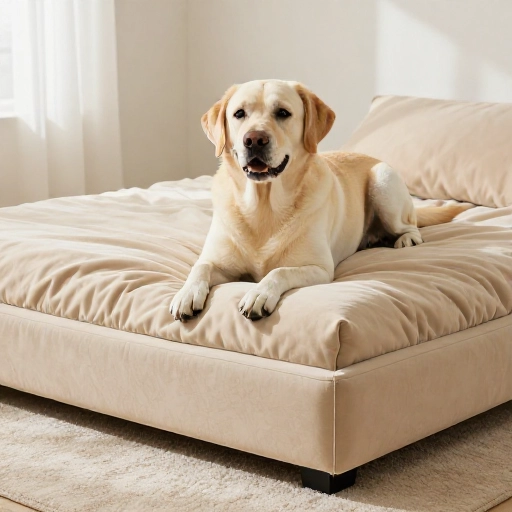
3. The Big & Floppy: Best Beds for Golden Retrievers & Labs
These are the dogs that flop down with a big sigh after a swim or a long walk. They need space and durability.
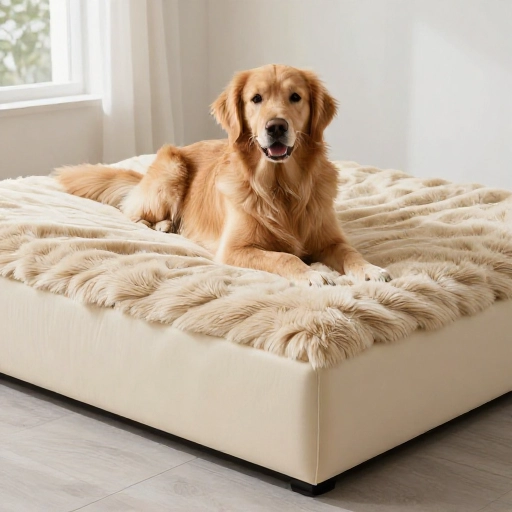
Go for a large, rectangular mattress. A “couch” style bed with three bolsters is a favorite for these breeds because they love to rest their heads on something. The fabric needs to be tough—look for “dig-proof” or heavy-duty canvas.
Don’t skimp on size. Even if your Lab is only 70 lbs, get the 100 lb size bed. They love to stretch out, and having extra room keeps them from spilling off the sides.
4. The Velcro Dogs: Best Beds for Velcro Breeds (Vizslas, Italian Greyhounds, Dobermans)
These dogs want to be touching you at all times. They rarely sleep alone in their own bed unless it is right next to your bed or couch.
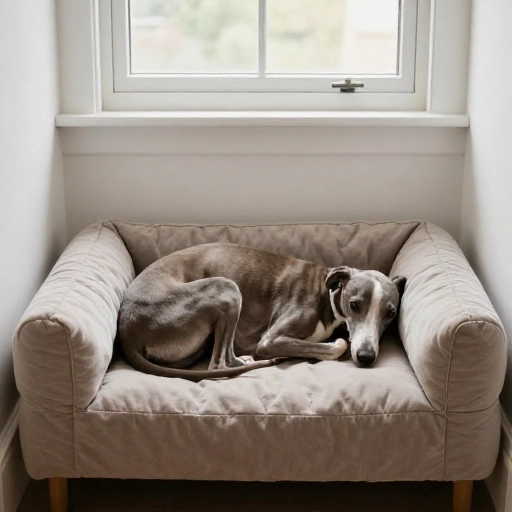
The best option is a “cuddle couch” or a bolster bed that mimics the feeling of being held. Because they are often lean with thin coats, they get cold. A self-warming bed (no electricity needed, just their body heat reflecting back) is a game changer.
Put their bed on your bed or right beside your pillow at night. They want the scent of you nearby.
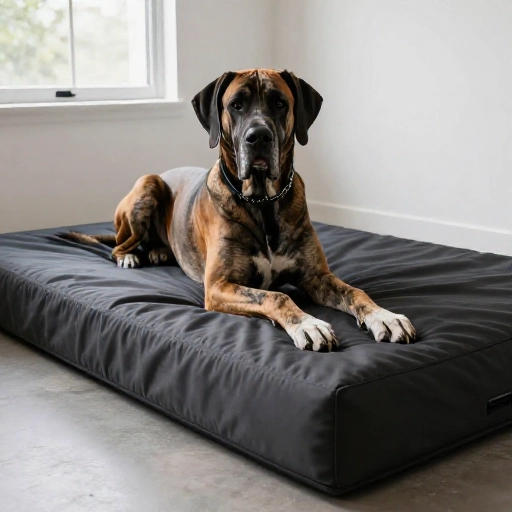
5. The Independent & Sturdy: Best Beds for Mastiffs, Newfoundlands, & Great Danes
Giant breeds need giant support. Their weight can cause joint problems, so a cheap, flat bed will wear out in a month—and hurt their hips.
You need a high-density, thick memory foam base. Look for a bed that is at least 4 to 6 inches thick. The cover must be waterproof on the bottom (slobber happens!) and extremely rip-resistant.
I recommend a “crib mattress” style or a bed specifically made for giant breeds. They often prefer a cooler sleeping surface, so look for a bed with a cooling gel layer or a breathable cotton cover.
6. The Active & Athletic: Best Beds for Huskies, Border Collies, & Australian Shepherds
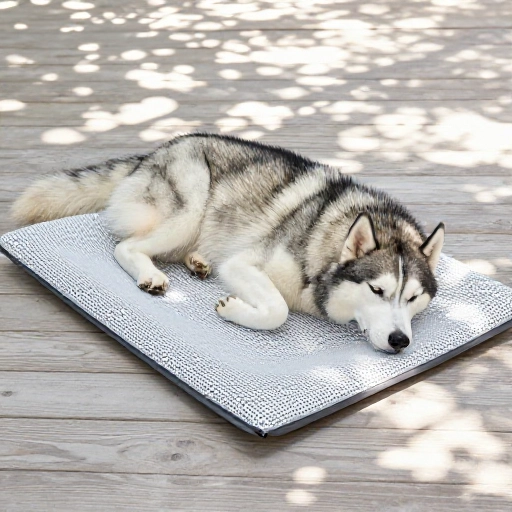
These high-energy dogs run hot. They don’t want to be trapped in a fluffy cave; they want a cool spot to crash after a marathon fetch session.
The top choice here is a raised cot bed or a cooling gel bed. The raised cot allows air to flow underneath, keeping them cool in summer and dry if they are wet from drool or rain. It also lasts longer because they can’t dig at it as easily.
If you get a plush bed, make sure the filling is not too thick. They will push it around the room trying to make it “just right.”
7. The Senior & Sore: Best Beds for Aging Dogs (Any Breed)
Older dogs have arthritis and stiff joints. They struggle to get up and need extra cushioning for pressure points.
Orthopedic memory foam is non-negotiable. You want a bed with a low, cut-out entrance so they don’t have to step over a high wall. Some beds have a “headrest” bolster that is removable.
I also suggest a bed with a non-slip bottom. Older dogs can slip when trying to stand, and a bed that slides on the floor is dangerous for them.
8. The Heat Seekers: Best Beds for Short-Nosed Breeds (Frenchies, Pugs, Boston Terriers)
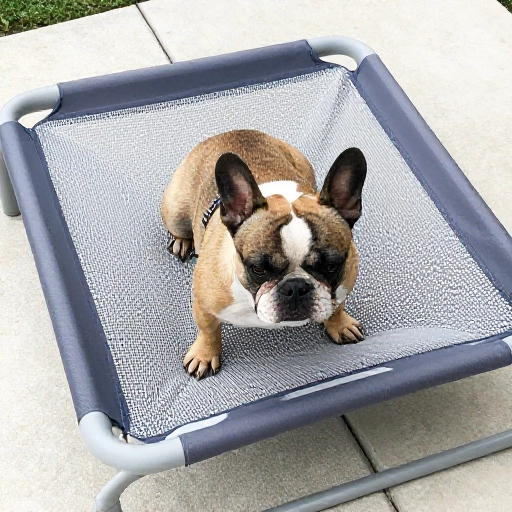
These flat-faced dogs overheat very easily. They love to burrow, but they also need to breathe!
The perfect solution is a “cave” bed made from a breathable cotton or mesh fabric. Alternatively, look for a cooling pad that is activated by pressure. I also love a bed with a removable top cover so they can choose to be covered or not.
Do not get a thick, plush, memory foam bed that traps heat. They will pant all night. Keep it cool and airy.
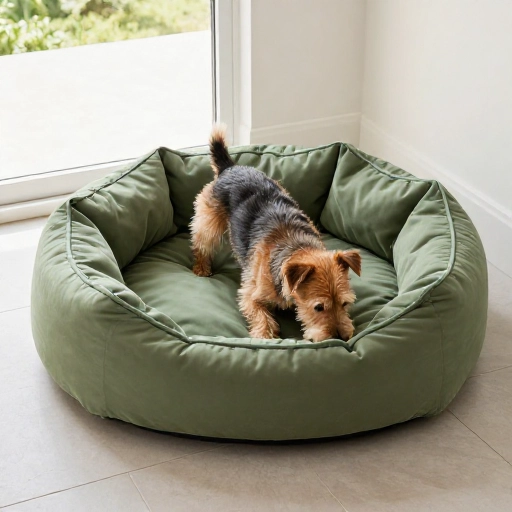
9. The Diggers & Nesters: Best Beds for Terriers & Other Determined Diggers
If your dog circles and digs for ten minutes before lying down, you need a bed that can survive the “den-making” process.
Look for a bed with a removable, machine-washable cover that has a zipper. If they manage to rip the cover, you can replace it without buying a whole new bed. A heavy-duty “ballistic” nylon cover is your best friend.
Some terriers love a “burrow” bed where they can tunnel inside. Just make sure it has a hole on one side so they can escape easily.
10. The Social Butterflies: Best Beds for Multi-Dog Households
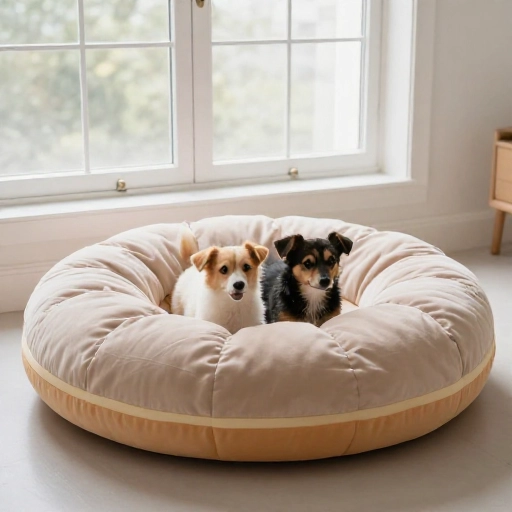
When you have more than one dog, space wars happen. You need beds that encourage peace, not fighting.
Get a large, round bed that allows dogs to snuggle together, or get multiple identical beds so no one feels jealous. I find that “cave” style beds are great for dogs who want alone time, while a giant “mattress” is best for the group pile-up.
Make sure each dog has a bed in a different room or corner. This gives them an escape option if they want a break from the chaos.
Final Thoughts: The Perfect Bed is a Happy Bed
Finding the right bed is a little bit of science and a little bit of knowing your dog’s personality. Don’t be afraid to try a couple of styles. Most dogs will tell you quickly if they love it or hate it by how fast they fall asleep.
Remember, a good bed is an investment in their health. It saves your furniture and gives them a sense of security. Your dog deserves a spot that is just for them.
Frequently Asked Questions
What is the best type of bed for a dog that chews everything?
Look for a bed made with “armored” or “ballistic” fabric. These are often used for crate pads. Avoid beds with zippers or tags that they can pull off. A raised cot is also a good option because it has no stuffing to pull out.
How often should I wash my dog’s bed?
Ideally, wash the cover every 1 to 2 weeks. If your dog has skin allergies or is a heavy shedder, wash it weekly. The foam insert should be spot-cleaned only—never put memory foam in the washing machine.
My dog sleeps on the floor instead of their expensive bed. Why?
They might be too hot or too cold. Also, some dogs prefer the firmness of the floor. Try a thinner bed or a cooling mat. Sometimes they just need time—put an old t-shirt of yours on the bed to attract them with your scent.
Are “cooling” dog beds actually worth the money?
Yes, for specific breeds. If you have a Husky, Bulldog, or live in a hot climate, a cooling bed is a lifesaver. The best ones are “pressure activated” gel pads that do not require refrigeration. Raised cots are also a great budget-friendly cooling option.
What size bed should I get if my dog likes to stretch out?
Measure your dog from nose to tail while they are sleeping in a stretched position. Add 6 to 12 inches to that measurement. That is the length of the bed you need. A bed that is too small is worse than a bed that is too big.