How to Deal With a Reactive Dog Without Losing Your Cool
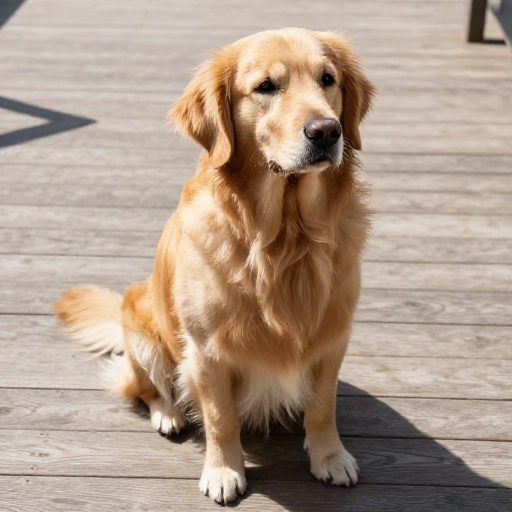
If you’ve ever felt your heart race when you see another dog approaching on a walk, you know the struggle of living with a reactive dog. It’s not easy. Some days feel like a full-time job just trying to keep your pup under threshold. But here’s the thing: reactivity is not a character flaw. It’s a behavior problem, and behavior problems can be changed.
I’ve been exactly where you are. The lunging, the barking, the side-eyes from neighbors. It’s exhausting. But I’ve also learned that with the right tools, patience, and a whole lot of tiny victories, life with a reactive dog can get better. You don’t need a perfect dog—you just need a plan that works for both of you.
Let’s walk through ten practical ideas that helped me turn stressful outings into manageable moments. These aren’t quick fixes. They’re real steps that build trust and calm over time.
1. Understand What Reactivity Really Means
Reactivity is not the same as aggression. It’s an over-the-top response to something in the environment—another dog, a stranger, a bike. Your dog isn’t trying to be “bad.” They’re trying to communicate fear or excitement.
- Reactivity can look like barking, lunging, growling, or cowering.
- It often comes from fear, frustration, or lack of socialization.
- Knowing the trigger helps you plan better walks.
Once I realized my dog was scared, not mean, everything changed. I stopped being embarrassed and started being curious.
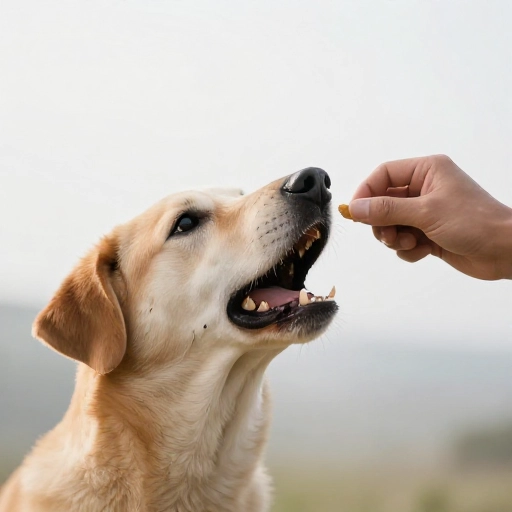
2. Master the Art of Distance
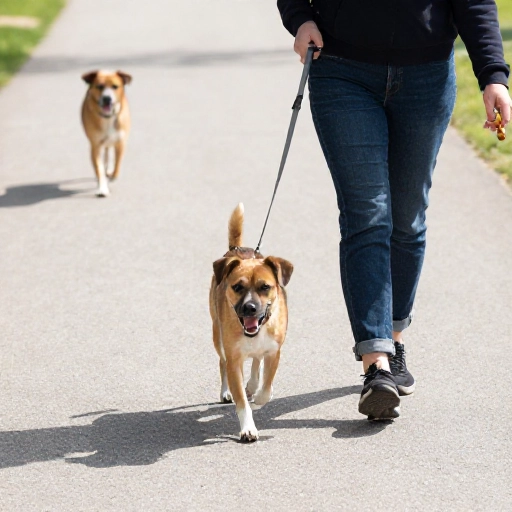
Your dog’s threshold is the magic distance where they can see a trigger but not react. Staying under threshold is your number one job as a handler.
- Cross the street early. Don’t wait for the reaction.
- Use bushes, cars, or fences as visual blocks.
- If your dog reacts, you were too close. Take note and adjust.
I started walking at off-peak hours just to give us space. It made a huge difference.
3. Use High-Value Treats Like Currency
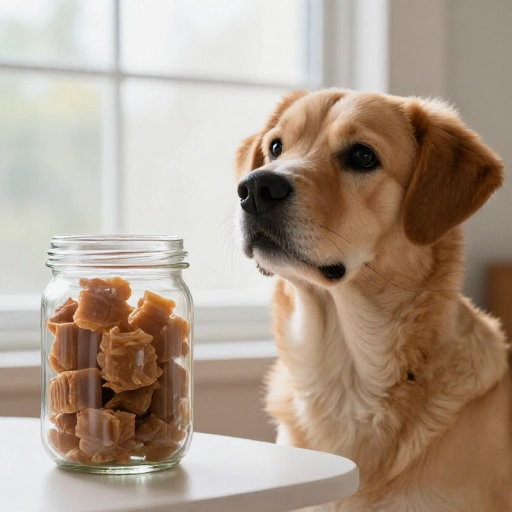
When your dog sees a trigger, you want them to think “good things happen.” That means treats they never get at home—real chicken, cheese, or hot dogs.
- Keep treats in a pouch you can access fast.
- Feed a continuous stream when a trigger is in sight, at a safe distance.
- Stop treating once the trigger passes.
This builds a positive association. Over time, your dog will look at you instead of the trigger.
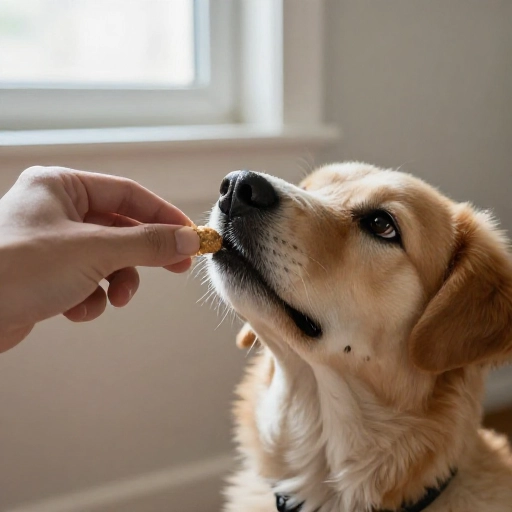
4. Teach a Strong “Look at Me” Cue
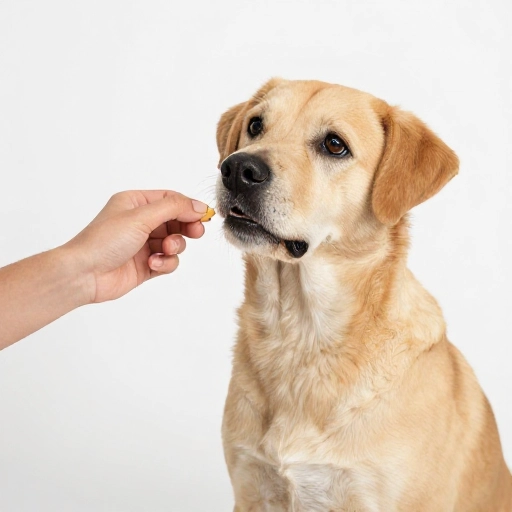
Eye contact is your secret weapon. When your dog can look at you on command, you can redirect their focus before they even notice a trigger.
- Start at home with no distractions.
- Hold a treat near your eye, say “look,” and reward.
- Practice in the yard, then on quiet walks.
It took weeks before my dog reliably checked in with me. Now it’s our go-to move.
5. Stop Forcing Greetings
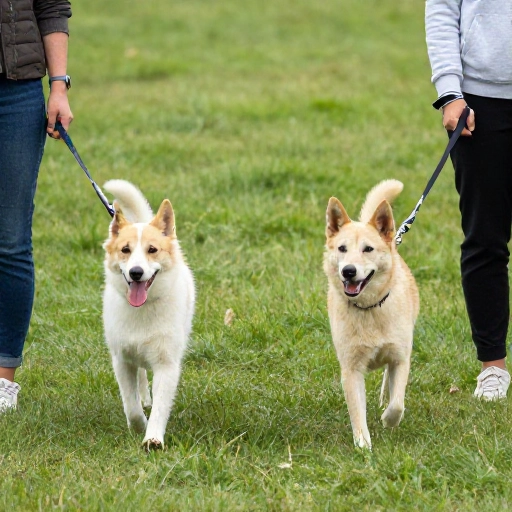
One of the biggest mistakes I made was letting strangers “say hi” to my reactive dog. Every forced greeting set us back. Your dog doesn’t need to meet everyone.
- Politely say “sorry, we’re training.”
- Use a yellow ribbon or “nervous” patch on the leash.
- Advocate for your dog’s comfort, not social etiquette.
You are your dog’s voice. If they’re uncomfortable, you can leave.
6. Create a Calm Home Base
Reactivity often carries over into the house. A calm environment helps your dog decompress after a stressful walk.
- Use a crate or a quiet room as a safe space.
- Play white noise or calming music during high-traffic times.
- Keep routines predictable—same feeding, same walk times.
When my dog felt safe at home, she recovered faster from outdoor triggers.
7. Practice “Look at That” (LAT) Training
This is a simple game that teaches your dog to see a trigger and then look at you for a treat. It rewires their brain to expect good things.
- At a safe distance, wait for your dog to notice the trigger.
- Say “yes!” and treat when they look at it and then back at you.
- Gradually decrease distance over days or weeks.
It’s not about forcing calm. It’s about changing how they feel.
8. Manage Your Own Energy
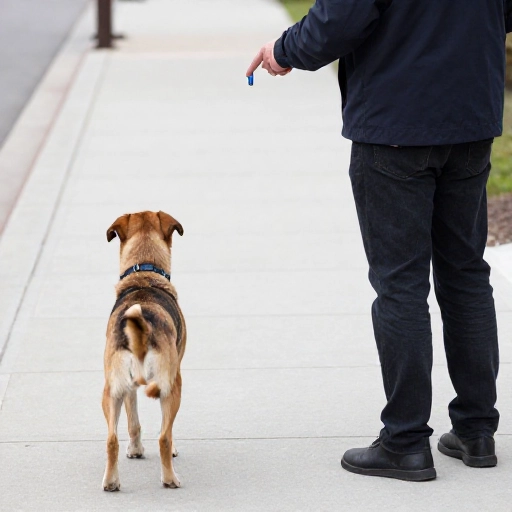
Dogs pick up on our stress. If you tense up when you see a trigger, your dog feels it and assumes danger is near.
- Take slow, deep breaths on walks.
- Keep your voice light and happy, even when nervous.
- Practice loose leash walking at home first.
I started listening to calming music on walks to keep my own heart rate down. It helped both of us.
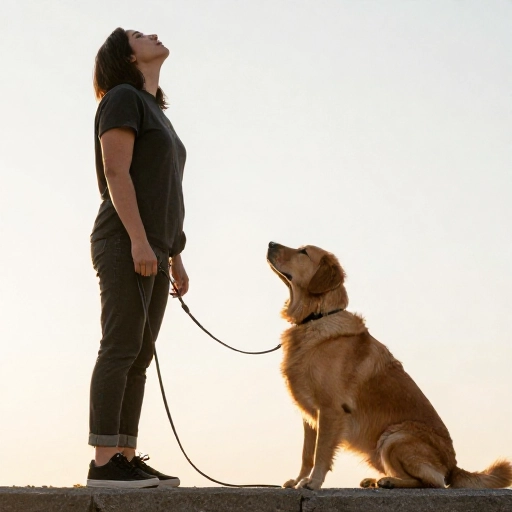
9. Know When to Turn Around
Some days are just too hard. If your dog is already over threshold before you leave the driveway, it’s okay to go back inside. You’re not failing.
- Watch for early signs like lip licking or yawning.
- Short, successful walks beat long, reactive ones.
- Mental enrichment at home counts as training.
I learned to celebrate the days we just sat on the porch and watched the world go by.
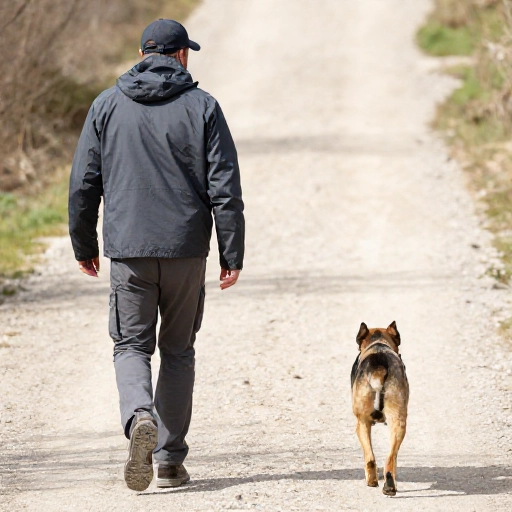
10. Get Professional Help If You’re Stuck
There’s no shame in hiring a certified trainer or behavior consultant. Reactivity can be complex, and a fresh pair of eyes can make all the difference.
- Look for force-free, positive reinforcement trainers.
- Ask about private sessions for reactive dogs.
- Virtual consults work well too.
One session with a pro gave me more clarity than months of guessing. It was worth every penny.
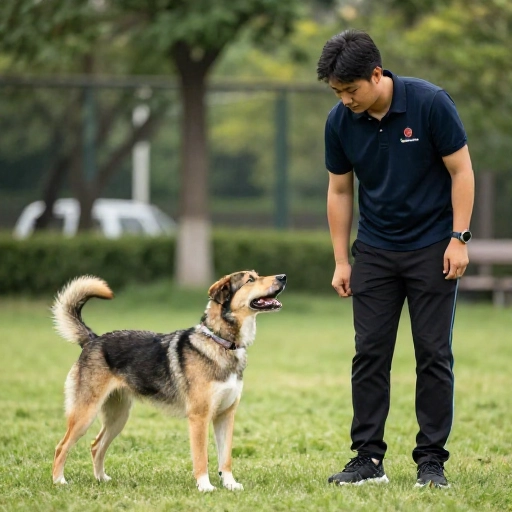
Conclusion
Living with a reactive dog is a journey, not a destination. There will be setbacks, and that’s okay. What matters is that you keep showing up for your dog with patience and understanding. Every small step—a calm walk, a successful redirect, a quiet morning—is a win.
You are not alone in this. Thousands of us are walking the same path, one treat at a time. Keep going. Your dog is lucky to have you.
Frequently Asked Questions
What is the difference between reactivity and aggression?
Reactivity is an overreaction to a trigger, often out of fear or frustration. Aggression involves intent to harm. Reactive dogs can become aggressive if pushed too far, but most are just scared or overstimulated.
How long does it take to fix a reactive dog?
It depends on the dog, the trigger, and how consistent you are. Some see improvement in weeks, others in months. Patience and small steps matter more than speed.
Should I use a prong or shock collar for reactivity?
No. Punishment-based tools can increase fear and make reactivity worse. Stick with positive reinforcement methods that build trust and change your dog’s emotional response.
Can an older dog stop being reactive?
Yes. Older dogs can learn new behaviors, though it may take more time. Their reactivity often improves with consistent training and management.
Is it okay to avoid triggers completely?
Yes, especially in early training. Avoiding triggers keeps your dog under threshold and prevents rehearsal of reactive behavior. Over time, you’ll gradually reintroduce triggers at safe distances.