How to Get Your Dog to Cooperate on Walks (Without the Drama)
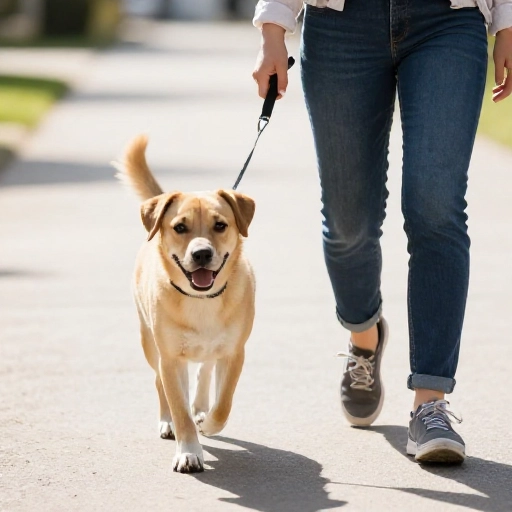
I remember the days when my dog would plant all four paws on the sidewalk and refuse to move. Or worse—he’d bolt after a squirrel and nearly yank my arm out of its socket. Walk time felt more like a wrestling match than a relaxing stroll. If that sounds familiar, you are not alone.
Getting your dog to cooperate on walks is not about being the “alpha” or forcing them to behave. It’s about communication, patience, and a few practical tricks. After months of trial and error (and a lot of treats), I found what actually works. Here is a simple guide to turn your chaotic walks into peaceful adventures.
1. Start with the Right Gear
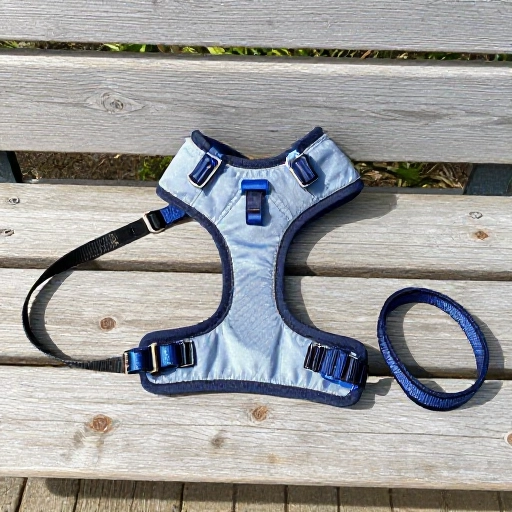
Your dog’s equipment matters more than you think. A standard flat collar can put pressure on their throat, especially if they pull. I switched to a front-clip harness, and it was a game-changer. It gently redirects their body toward you without choking.
Also, skip the retractable leash. They give your dog constant tension, which actually encourages pulling. A standard 4- to 6-foot leash gives you control and clearer communication. Your dog feels your calm energy through the leash, so keep it loose but ready.
2. Calm Your Energy Before You Leave
Dogs read our emotions like a book. If you are stressed, rushed, or annoyed before the walk even starts, your dog will mirror that. I learned to take three deep breaths before grabbing the leash. It sounds simple, but it works.
Stay quiet and calm while putting on their gear. No excited “Wanna go for a walk?!” in a high-pitched voice. That hypes them up before you even step outside. A calm start sets the tone for the whole walk.
3. Teach “Let’s Go” as a Cue
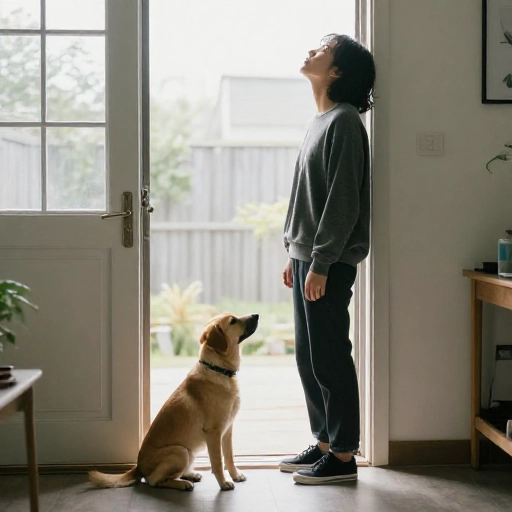
One of the most useful commands for walks is “let’s go.” It means “follow me in this direction.” Start practicing inside your home. Say “let’s go” in a cheerful voice, take a few steps, and reward your dog when they follow. Do this in short sessions.
Once they understand it indoors, move to your backyard or a quiet street. Use it every time you change direction on a walk. Over time, your dog will learn to check in with you instead of dragging you wherever they want.
4. Reward the Loose Leash, Not the Pulling
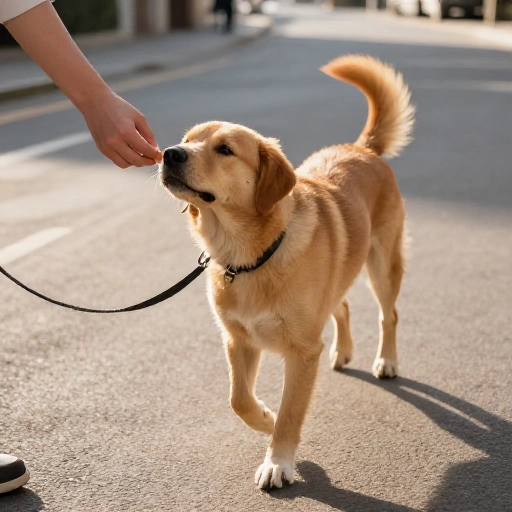
Most of us accidentally reward pulling. We keep walking when the leash is tight, which tells the dog “pulling gets us where we want to go.” Instead, stop moving the moment the leash goes tight. Stand still like a tree. Wait for them to look back or step toward you.
The second the leash loosens, mark it with a “yes” or a click, and reward with a treat. Then move forward. It takes patience, but your dog will quickly realize that pulling stops the fun and loose leash keeps the walk going.
5. Use High-Value Treats for Distractions
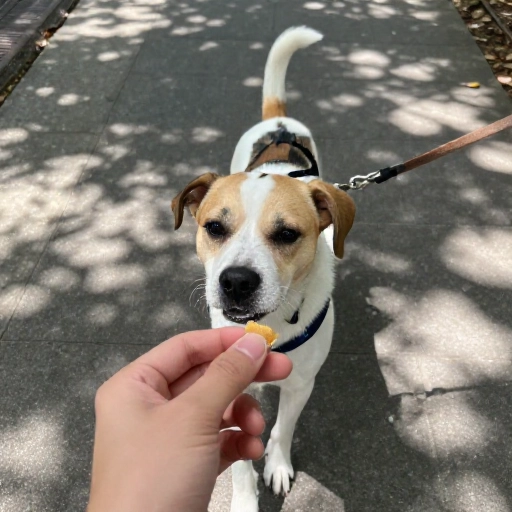
Every dog has that one thing they cannot ignore—a squirrel, a passing dog, or a delivery truck. For my dog, it was other dogs. I started carrying tiny pieces of chicken or cheese on walks. When I saw a trigger in the distance, I would ask for a “look at me” and reward.
You are basically teaching your dog that focusing on you is more rewarding than chasing distractions. Keep treats small and soft so you can deliver them quickly. This builds a habit of checking in with you, even in exciting moments.
6. Practice “Find It” to Redirect Focus
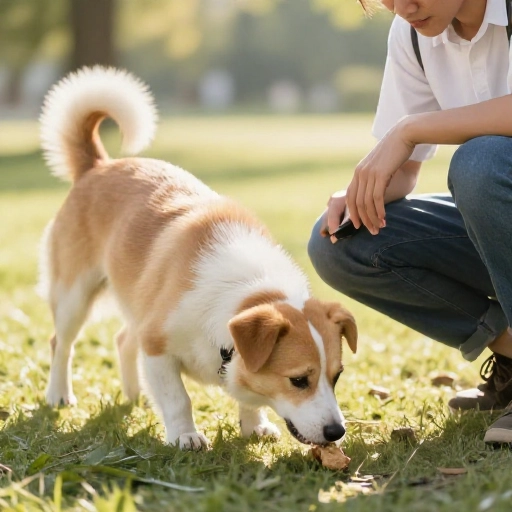
“Find it” is a simple game where you toss a treat on the ground and say “find it.” It gives your dog a job and redirects their nose from distractions to the ground. I use this when my dog gets fixated on something across the street.
Just toss a treat a few feet away and let them sniff it out. It breaks their focus and calms their brain. Plus, sniffing is naturally relaxing for dogs. It’s like a reset button during a stressful moment on the walk.
7. Change Your Route Regularly
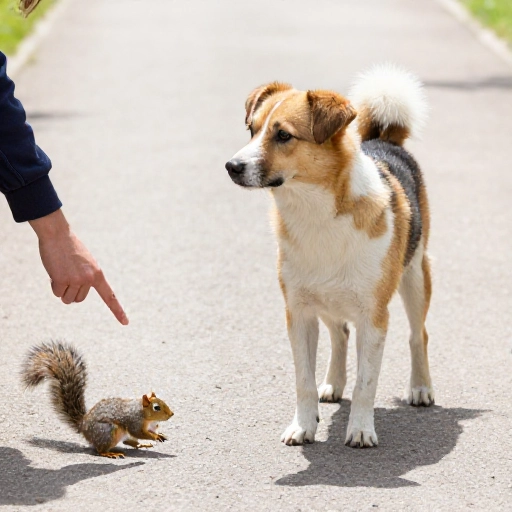
Dogs thrive on routine, but they also get bored. If you take the same walk every single day, your dog might start pulling ahead out of sheer habit. They know exactly where the interesting smells are and want to get there fast.
Mix it up. Walk a different block, explore a new trail, or go in reverse. New smells and sights will make your dog more curious and less likely to rush. It also keeps you from getting bored, which helps you stay present and patient.
8. Let Your Dog Sniff—It’s Their Reward
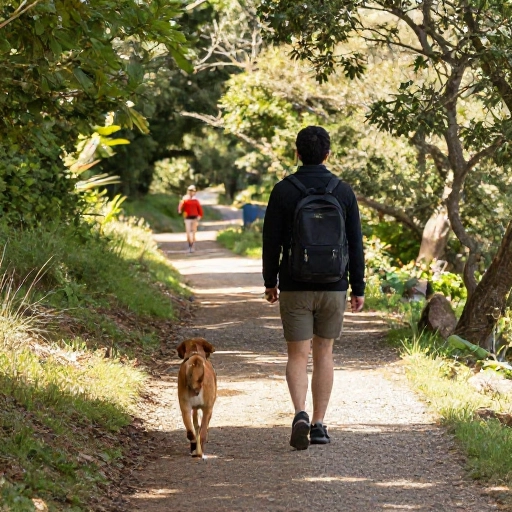
I used to think walks were for exercise, not sniffing. But sniffing is like reading the newspaper for dogs. It’s mentally stimulating and tiring. If I never let my dog sniff, he would get frustrated and act out on the leash.
Now I allow sniff breaks as a reward for good walking. We walk nicely for a minute or two, then I say “go sniff” and let him explore a patch of grass. It teaches him that cooperating leads to fun sniffing time. It’s a win-win.
9. Stay Consistent with Your Rules
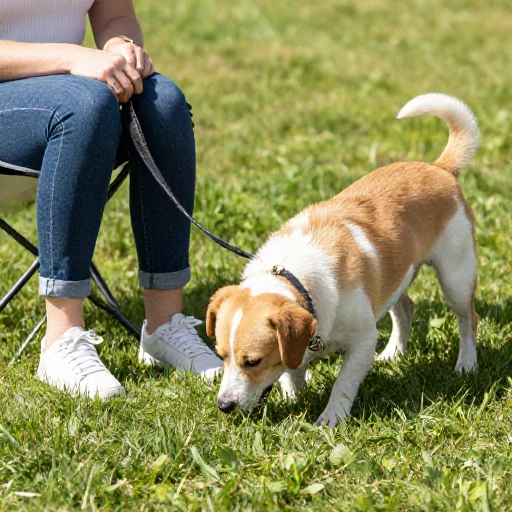
Dogs learn best when the rules are the same every time. If you let your dog pull sometimes but correct them other times, they get confused. Consistency is kindness. Decide your walk rules—like no pulling past the front door, or waiting calmly before crossing—and stick to them.
Everyone in your household should follow the same rules too. If one person lets the dog pull and another doesn’t, your dog will never learn the right behavior. Keep it simple and repeatable, and your dog will feel more secure.
10. End on a Positive Note
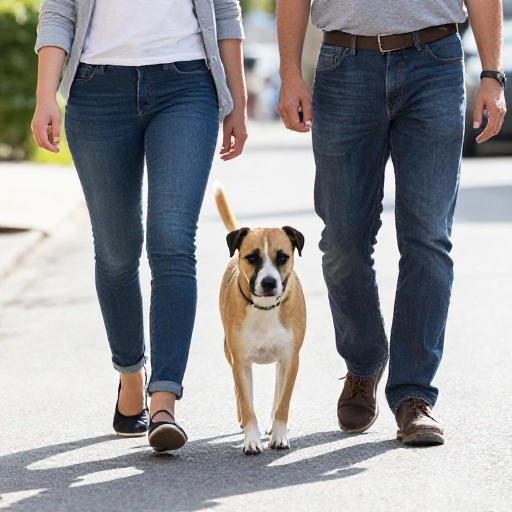
Some walks will be harder than others. That is okay. If your dog had a rough day with lots of distractions, do not force a perfect ending. Instead, find one small success—a moment of loose leash, a good “look at me”—and celebrate that.
End the walk with a calm, happy moment. Maybe a few minutes of sniffing in a quiet spot or a treat party at the front door. You want your dog to associate walks with positive feelings, not stress. Tomorrow is a new walk.
Conclusion
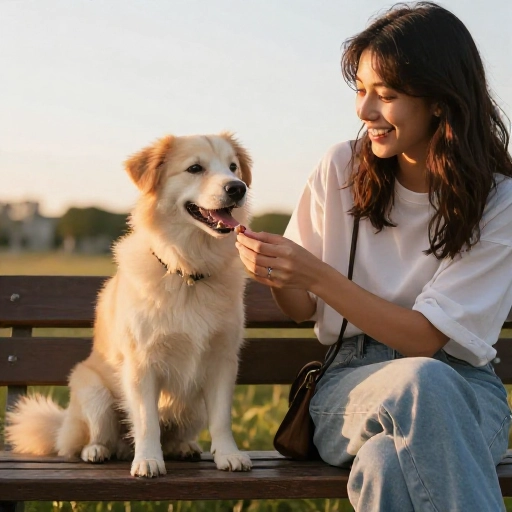
Walking a dog that doesn’t cooperate can feel exhausting, but it doesn’t have to stay that way. Small changes in your gear, your energy, and your training routine can transform the experience for both of you. Be patient with yourself and your dog. Progress comes in tiny steps.
Every walk is a chance to build a better connection. Some days will be messy, and that’s fine. Keep showing up, keep rewarding the good moments, and soon you will both look forward to that daily adventure together.
Frequently Asked Questions
Why does my dog pull so much on walks?
Pulling is usually because your dog is excited, eager to reach a smell or a destination, or hasn’t learned that loose leash walking gets them there faster. It’s a natural behavior, not a sign of defiance.
How long does it take to train a dog to walk nicely?
It depends on your dog’s age, personality, and past habits. Some dogs improve in a few weeks with consistent practice. Others take months. The key is patience and rewarding small steps forward.
Should I use a prong collar or choke chain?
I personally do not recommend them. These tools can cause pain and fear, which damages your bond with your dog. Positive reinforcement methods using treats and a harness are safer and more effective in the long run.
My dog is scared of other dogs on walks. What can I do?
Give your dog space. Cross the street or create distance. Use high-value treats to create positive associations. Work with a professional trainer if the fear is severe. Never force your dog into a scary situation.
What if my dog refuses to walk at all?
First, rule out any pain or health issues with your vet. If they are healthy, your dog might be overwhelmed or scared. Sit with them, offer treats, and let them observe the environment. Sometimes they just need a moment to feel safe.