Best Diet for German Shepherds? Make This Vet-Approved Homemade Recipe!
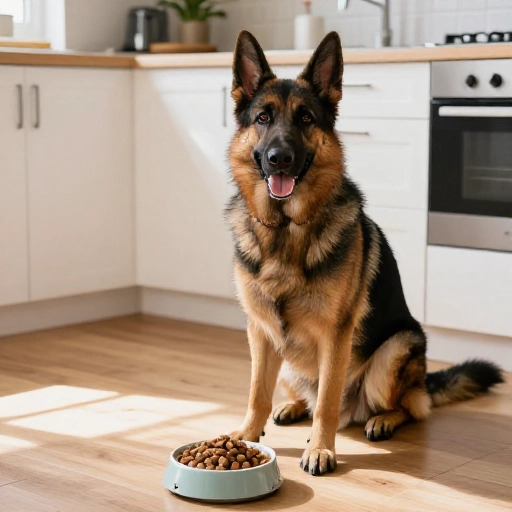
Is your German Shepherd turning their nose up at kibble again? Or maybe you’ve noticed their coat isn’t as shiny as it used to be. I’ve been there. After months of trial and error with my own GSD, I realized that a homemade diet was the only way to truly control what goes into their bowl.
This recipe is packed with lean protein, healthy fats, and digestible carbs—exactly what your high-energy shepherd needs. No fillers, no mystery meat, just real food that supports their joints and digestion. Let’s get cooking for your best friend.
Why This Homemade Diet Works for German Shepherds
German Shepherds are prone to hip dysplasia, bloat, and food sensitivities. A whole-food diet helps manage weight, reduces inflammation, and keeps their energy stable. Plus, you’ll see the difference in their coat within a week.
- Supports joint health with Omega-3s from fish or flaxseed
- Easy to digest—no corn, soy, or artificial additives
- Helps maintain a healthy weight without excess carbs
I started this recipe when my dog had constant ear infections. Within two weeks, they cleared up completely.
Kitchen Equipment & Tools You’ll Need
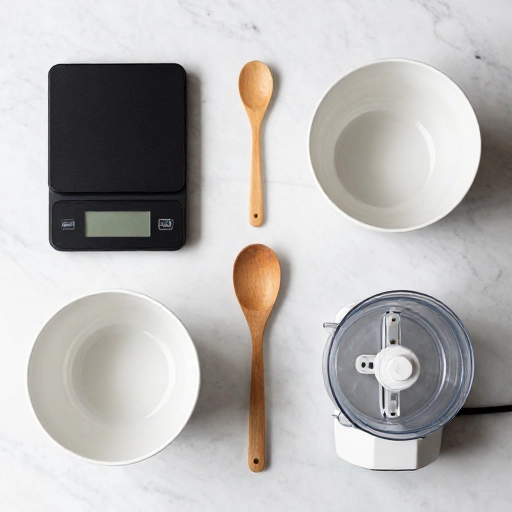
You don’t need a professional kitchen—just a few basics that make prep quick and clean. I use these every single batch.
- Large stockpot or Dutch oven (at least 6 quarts)
- Sharp chef’s knife and cutting board
- Measuring cups and spoons
- Food scale (optional, but helpful for portions)
- Mixing spoon and ladle
- Glass or BPA-free plastic storage containers
That’s it. No fancy gadgets required.
Ingredients List & Safe Substitutions
These ingredients are chosen specifically for a German Shepherd’s nutritional needs. Always check with your vet before changing your dog’s diet.
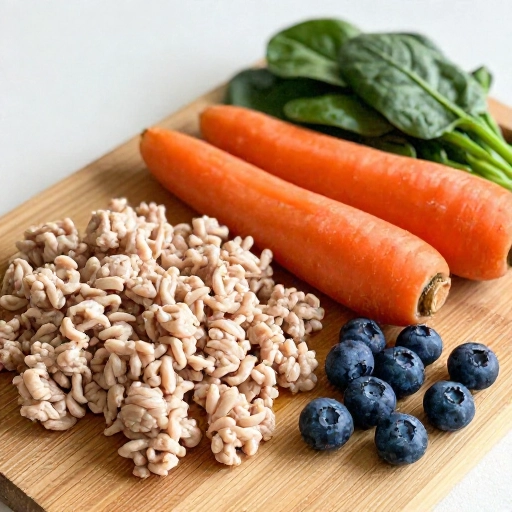
- 2 lbs ground turkey or lean beef (sub: chicken or lamb)
- 1 cup brown rice or quinoa (sub: oatmeal for sensitive stomachs)
- 1 large sweet potato, diced (sub: pumpkin or carrots)
- 1 cup frozen peas and green beans (sub: spinach or zucchini)
- 2 tbsp fish oil or flaxseed oil (for Omega-3s)
- 1/2 tsp turmeric (natural anti-inflammatory)
- 4 cups water or low-sodium bone broth
Pro tip: Avoid onions, garlic, grapes, raisins, and xylitol at all costs. Stick to dog-safe veggies only.
Step-by-Step Instructions / Preparation Guide
Follow these steps exactly for a balanced, safe meal. Cook time is about 30 minutes total.
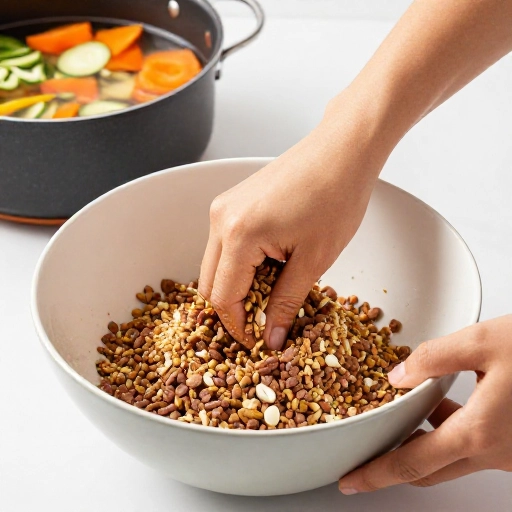
- Cook the protein: In a large pot over medium heat, brown the ground meat until fully cooked. Drain excess fat if needed.
- Add rice and liquid: Pour in the broth or water and bring to a boil. Stir in the brown rice, reduce heat, and cover. Simmer for 15 minutes.
- Prep veggies: While rice cooks, dice sweet potato into small cubes (about 1/2 inch) for faster cooking.
- Add vegetables: After 15 minutes, stir in sweet potato, peas, and green beans. Cover and cook another 10 minutes until rice is tender.
- Cool and add oil: Remove from heat. Let it cool completely before adding fish oil and turmeric. This prevents nutrient loss from heat.
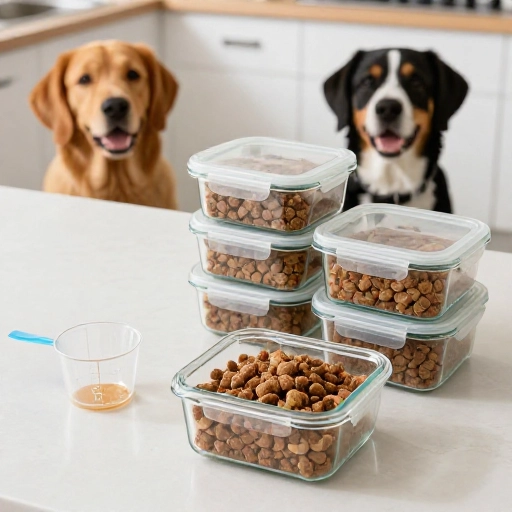
- Portion and serve: Divide into meal-sized containers. Refrigerate or freeze what you won’t use in 3 days.
Your house will smell amazing—and your shepherd will be pacing by the kitchen counter.
Feeding Guidelines, Serving Size & Storage Tips
Portion sizes depend on your dog’s weight, age, and activity level. Start here and adjust as needed. Always transition slowly over 5-7 days.
- Puppy (2-6 months): 1/2 to 1 cup per day, split into 3 meals
- Adult (1-7 years): 2 to 3 cups daily, split into 2 meals
- Senior (8+ years): 1.5 to 2.5 cups daily, split into 2 meals
Storage: Keep in airtight containers in the fridge for up to 5 days. Freeze portions for up to 3 months. Thaw in the fridge overnight—never microwave the food as it can create hot spots.
I batch cook every Sunday and freeze half. It saves so much time during the week.
Final Verdict & Summary
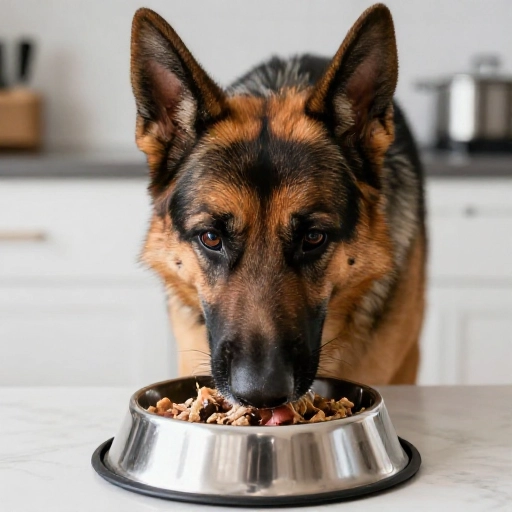
This recipe changed my German Shepherd’s life—and mine. No more worrying about recalls, no more vet bills for allergies, and no more picky eating. My dog’s coat is glossy, her energy is steady, and her digestion is perfect.
Is it more work than opening a bag of kibble? Yes. But seeing your dog thrive makes every minute worth it. Start with a small batch, watch your pup’s reaction, and adjust from there. Your German Shepherd deserves food that loves them back.
Frequently Asked Questions
Can I feed this recipe to a German Shepherd puppy?
Yes, but puppies have different calcium and phosphorus needs. This recipe is a good base, but I recommend adding a puppy-specific multivitamin or rotating in a small amount of raw meaty bones under vet guidance.
How do I know if my German Shepherd is allergic to an ingredient?
Start with a simple version (just turkey, rice, and sweet potato). Feed it for 5 days and watch for itching, loose stool, or ear redness. Then add one new ingredient at a time every 3 days to pinpoint sensitivities.
Can I use raw meat instead of cooked?
You can, but I personally prefer cooking for safety—especially with ground meat. If you choose raw, make sure you follow a balanced raw diet protocol and handle meat carefully to avoid bacterial contamination.
How long does this homemade dog food last in the fridge?
It stays fresh in the fridge for up to 5 days in an airtight container. Beyond that, freeze it. I always label containers with the date so I don’t guess.
Should I add any supplements to this recipe?
I add fish oil and turmeric, but you might need a calcium supplement if you’re feeding this long-term. A vet can recommend a complete vitamin and mineral mix tailored to your shepherd’s age and health.