10 Tricks for Picture-Perfect Dog Portraits
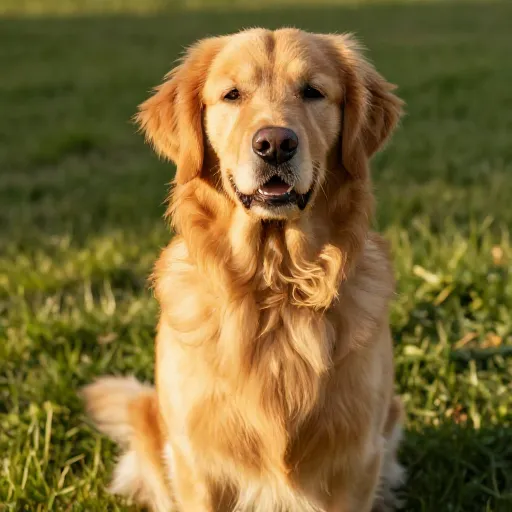
I’ll be honest: my first attempts at taking dog portraits were a blurry, tail-less disaster. My golden retriever would either look like a ghost from moving too fast, or I’d capture a perfect close-up of his nose. Sound familiar?
After hundreds of sessions with my own pups and friends’ dogs, I’ve learned that nailing that adorable portrait isn’t about having a fancy camera. It’s about understanding how dogs think, move, and shine. These ten tricks helped me go from frustrated pet parent to someone who actually frames their photos.
Let’s get those tails wagging and cameras clicking.
1. Get Down to Their Level
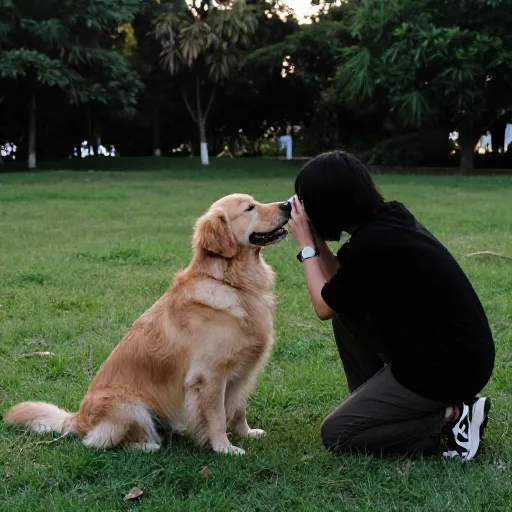
If you’re standing up taking photos, you’re going to get photos of the top of a dog’s head. Not cute. When you crouch, kneel, or lie on the ground, the world looks different. Suddenly, their big brown eyes become the star of the frame.
Try this: lie flat on your stomach in the grass. It feels silly, but your dog will likely come investigate your face. That’s the exact moment you’ll catch a curious, soft expression. I keep a small picnic blanket in my bag just for this.
2. Use Treats as a Lens Magnet
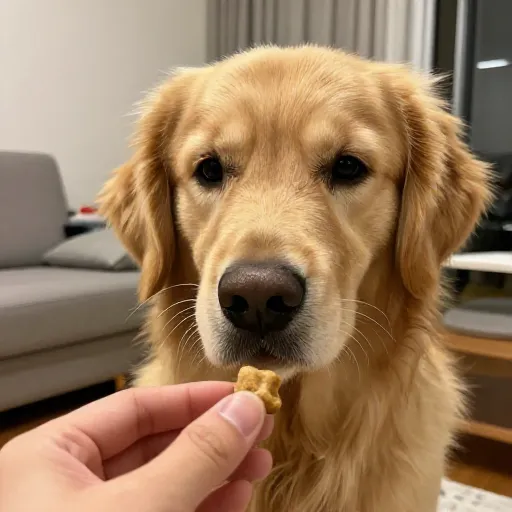
I keep a squeaky treat pouch strapped to my waist. It’s not for bribery—it’s for direction. Hold a soft treat right next to your camera lens. Your dog will look directly at the lens, and their ears will perk up. That’s gold.
For a softer gaze, let them lick a little peanut butter off a wooden spoon held near the camera. Their tongue will be busy, but their eyes will soften into the sweetest look.
3. Light Is Your Best Friend
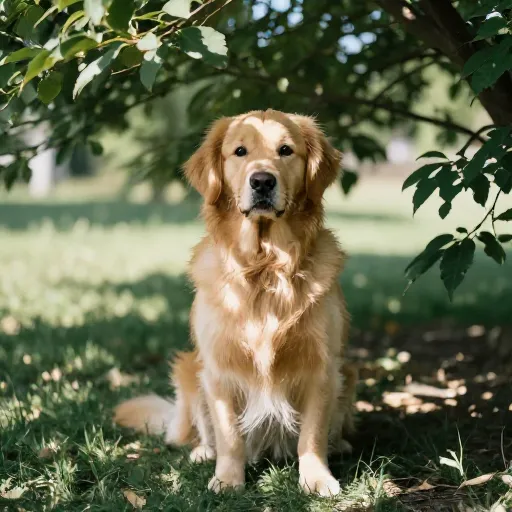
Harsh midday sun makes dogs squint and casts weird shadows under their eyes. I always aim for golden hour—the hour after sunrise or before sunset. The light is warm, soft, and makes every coat color pop.
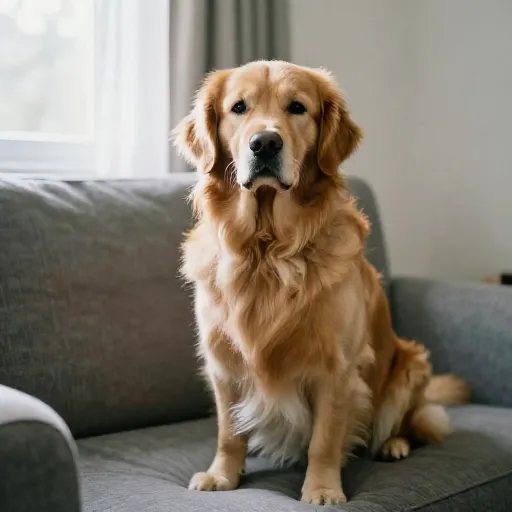
If you’re stuck indoors, place your dog near a big window. Natural side lighting is dreamy. Avoid using a direct flash; it gives dogs red eyes and washes out their features. Let the sun do the work.
4. Focus on the Eyes
No matter how cute their paws or fluffy their tail, the eyes are the soul of a portrait. I tap my phone screen right on their eye before snapping. That small action ensures their eyes are sharp, even if the rest is slightly soft.
If you’re using a camera, set your focus point to single-point and lock it on an eye. A sharp pair of eyes makes the whole photo look professional, even if you’re standing in your backyard.
5. Capture the In-Between Moments
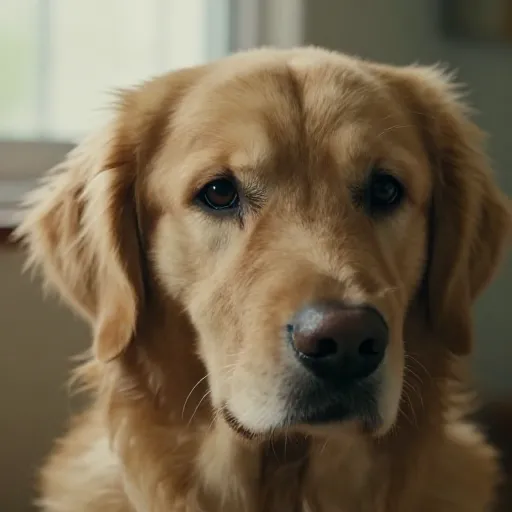
When you put a dog in a “sit” and scream “stay,” their face goes stiff. The magic happens in the moments between commands. That yawn after a treat. The head tilt when you say “park.” The little sneeze after a zoomie.
I keep my camera ready even when I’m not actively posing. I’ll chat with them, scratch their ears, and wait. More often than not, the best shot is the one where they’re just being themselves, not posing.
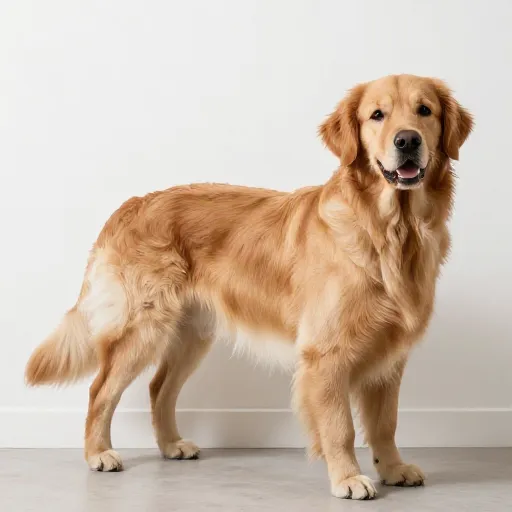
6. Use a Simple Background
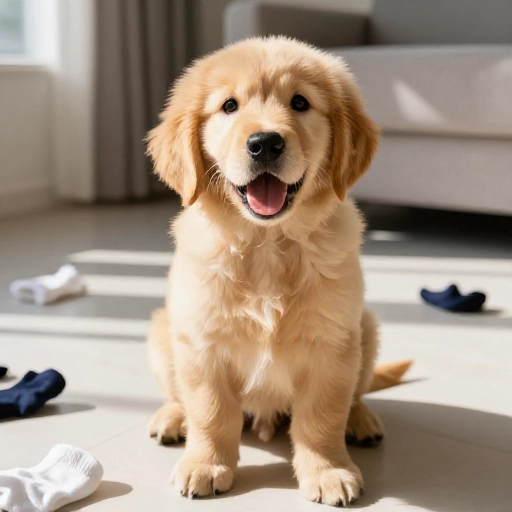
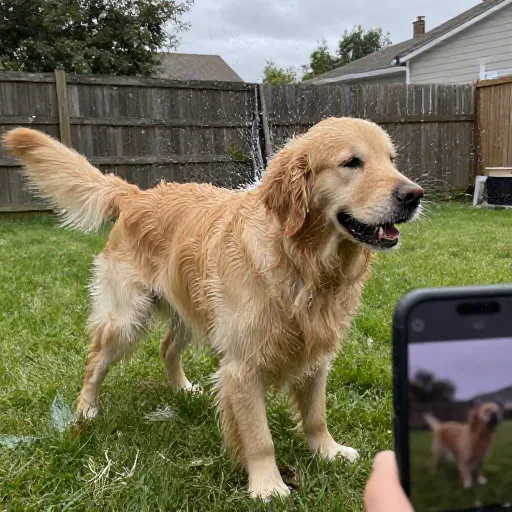
I learned this the hard way. A busy background with toys, furniture, or patterns distracts from your dog’s face. Plain grass, a solid wall, a clean blanket, or a sandy beach work perfectly.
If your yard is cluttered, throw a neutral-colored blanket over a chair and put your dog on it. That instantly creates a clean canvas. Your dog’s face will be the only thing people look at.
7. Make Sounds, Not Commands
I used to say “sit” over and over, and my dog would just stare at me blankly. Now I make funny noises. A kissy sound, a squeaky toy, a crinkling bag, or a whispered “what’s that?” gets their ears to prick up naturally.
The key is variety. One weird noise might get a head tilt. Another might get a playful bark. Record the sounds on your phone if you need to, but real-time reactions are always more genuine.
8. Shoot in Burst Mode
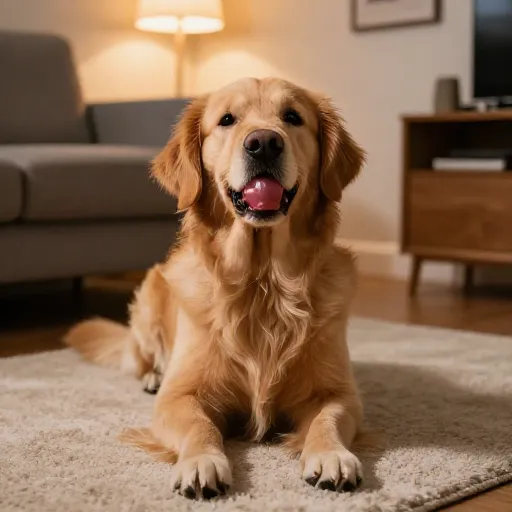
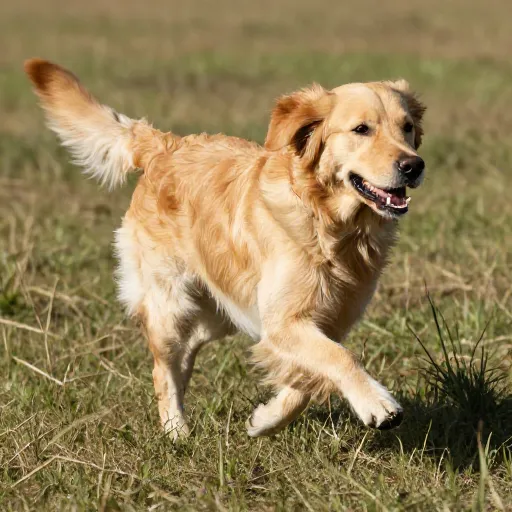
Dogs move fast. One second they’re perfectly still, the next they’re a blur of fur. I always use burst mode (holding down the shutter button) for action shots. It captures a rapid sequence, so I can pick the one frame where their ears aren’t flopping over their eyes.
For calm portraits, I still take a few shots in a row. Sometimes the slight shift of a paw or the blink of an eye makes one frame better than the rest. Burst mode is your safety net.
9. Dress Them (or Not) Strategically
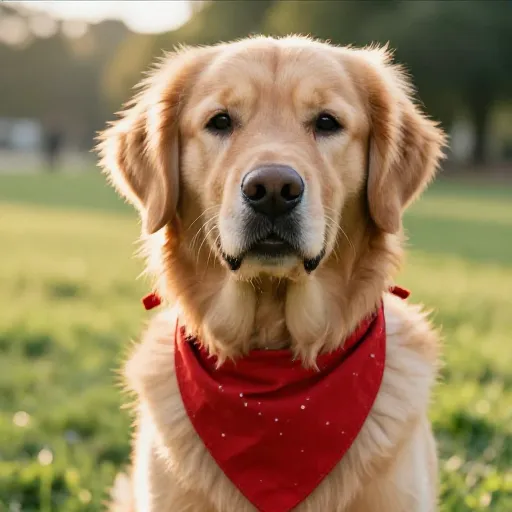
A bandana or a simple collar can add personality, but don’t overdo it. Huge bows or heavy sweaters can hide that beautiful fur and make dogs uncomfortable. If you use accessories, keep them minimal and natural.
I love a simple patterned bandana tied loosely. It adds a pop of color without being distracting. And always check that the accessory isn’t rubbing their neck or pulling their ears. Comfort equals relaxed expressions.
10. Edit Gently
I used to crank up the saturation until my dog looked like a cartoon. Now I keep edits subtle. A slight brightness boost, a touch of warmth, and maybe a tiny sharpening on the eyes. That’s it.
Over-editing makes fur look unnatural and removes that soft, real feel. If you’re editing on your phone, stick to the “light” and “warmth” sliders. Your dog’s real beauty doesn’t need a filter—just a little polish.
Conclusion
Dog portraits don’t have to be perfect to be beautiful. Some of my favorite photos are the ones where my dog is mid-yawn or has a leaf on his nose. The goal isn’t a stiff studio shot—it’s a memory that makes you smile every time you see it.
Grab your phone, get low, and be patient. Your dog will give you the perfect portrait when you least expect it. Happy clicking!
Frequently Asked Questions
1. What’s the best camera for dog portraits?
Your phone is perfect. Most modern phones have portrait mode and burst mode. A DSLR or mirrorless camera is great, but not necessary. Focus on technique, not gear.
2. How do I get my dog to stay still?
Use high-value treats (think cheese or chicken) and keep sessions short. Five minutes is better than twenty. Practice the “stay” command at home first, then try outdoors.
3. My dog is scared of the camera. What do I do?
Introduce the camera slowly. Let them sniff it, give treats near it, and start with photos from a distance. Never force it. A stressed dog makes a stressed face.
4. Should I use flash?
Avoid it if you can. Flash washes out colors and can make dogs’ eyes look weird. If you must use flash in low light, bounce it off a ceiling or wall instead of pointing it directly at your dog.
5. How do I photograph a black dog?
Black dogs need good light. Shoot during golden hour or near a bright window. Avoid dark backgrounds. Use a light-colored blanket or grass to create contrast. And don’t overexpose—just brighten slightly in editing.