How To Tell If A Dog Is In Pain (A Practical Guide)

I’ve shared my home with dogs for over a decade, and one of the hardest things is realizing they might be hurting. They can’t tell us with words, so we have to become detectives in their daily lives. Pain in dogs can be subtle, especially since many are hardwired to hide discomfort.
Knowing the signs is not about being paranoid. It’s about being a good friend to your dog. Whether it’s arthritis from old age, a sudden injury, or a hidden dental issue, catching pain early can make a huge difference. Let’s get practical about what to actually look for.
Listen To Their Breathing
One of the first places I notice pain is in the breath. A relaxed dog breathes softly and evenly. When pain hits, that changes.
Look for shallow, rapid panting that happens even when they haven’t been running around. You might also hear heavy sighs or grunts when they lie down or stand up. If your dog is panting for no obvious reason (like heat or excitement), pay close attention.
Some dogs will also hold their breath briefly when you touch a sore spot. It’s a tiny flinch of the ribcage that’s easy to miss.

Watch How They Move
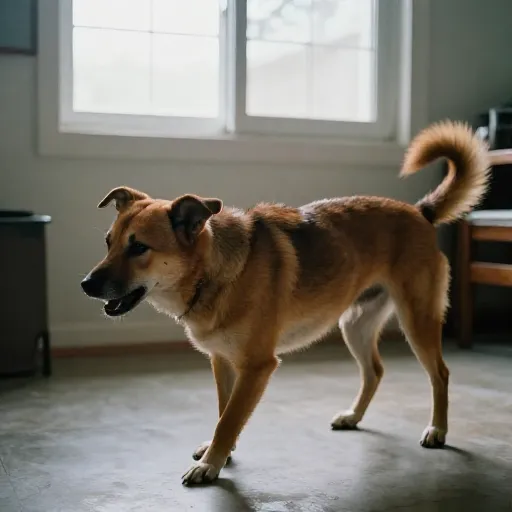
Gait changes are a huge clue. Does your dog seem stiff when they first get up from a nap? Do they bunny hop when running instead of stretching out their back legs? That’s often a sign of hip or knee pain.
I’ve also seen dogs start to walk with a “head down” posture, almost like they are guarding their neck or spine. A limp is obvious, but sometimes it’s just a subtle hesitation before going up the stairs or jumping onto the couch.
If your dog suddenly refuses to do things they used to love (like car rides or walks), movement pain is likely the reason.
Notice Changes In Appetite
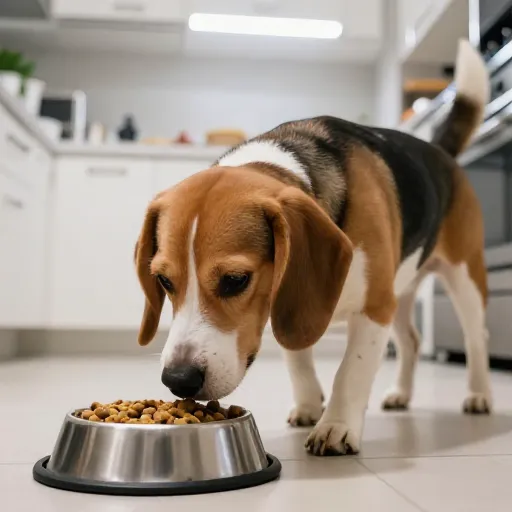
A dog in pain often loses interest in food. This isn’t always about refusing dinner. It can be slower eating, leaving kibble in the bowl, or only eating treats but not meals.
Dental pain is a common culprit here. Watch for dropping food, chewing on one side of the mouth, or excessive drooling. If your dog is hungry but seems hesitant to eat, that’s a red flag.
On the flip side, some dogs actually eat more when stressed or in pain. So a sudden change in either direction is worth noting.
Check Their Eyes
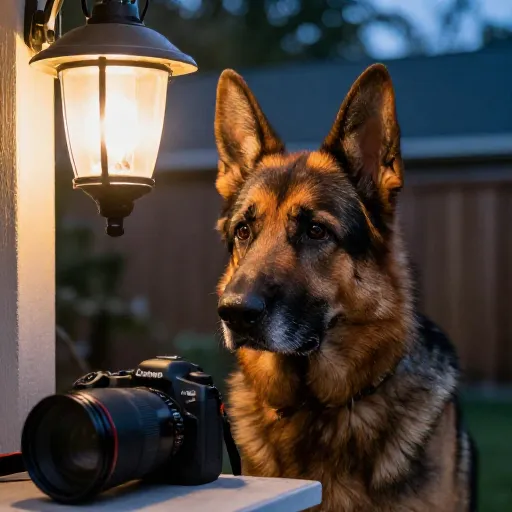
Eyes are so expressive. A dog in pain often has a specific look. Their eyes might appear squinty, or they might have a “glassy” or dazed expression.
Look for pupils that are dilated even in bright light. You might also notice increased blinking or a tendency to keep one eye closed more than the other. Redness or discharge can point to eye pain, but even without those, the look is different.
Sometimes the whites of the eyes show more than usual, giving a worried expression. Trust that feeling in your gut.
Observe Their Sleeping Habits
Sleep is a big tell. A comfortable dog sleeps deeply and changes positions easily. A dog in pain might have trouble settling down. They might circle a lot before lying down or get up and lie down again repeatedly.
Some dogs start sleeping in unusual positions. For example, a dog with back pain might sleep with their head propped up or avoid curling into a ball. They might also sleep more than usual because their body needs extra rest to heal.
Restlessness at night, especially in a dog that used to sleep through, is a classic sign of chronic pain like arthritis.

Pay Attention To Vocalizations
Whining, whimpering, and yelping are obvious signs, but pain sounds can be more subtle. Some dogs whimper softly when they are lying still. Others might suddenly yelp when touched or stepped over.
I’ve also heard a low, continuous moan or groan from dogs with deep pain. This isn’t the happy groan when they settle into a comfy bed. It’s a sad, tired sound.
Growling when approached or touched is a clear warning. It means “that hurts, please stop.” Never punish a dog for growling in pain.
Watch For Facial Tension
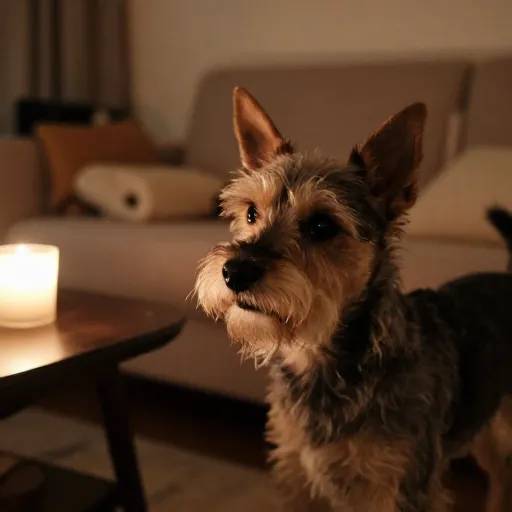
Dogs have subtle facial expressions. A relaxed dog has soft eyes, a slightly open mouth, and loose ears. A dog in pain often holds tension in their face.
Look for furrowed brows (almost like a worried look), tight lips, or the corners of the mouth pulled back. Some dogs will hold their ears pinned back against their head constantly.
Panting with a tight, tense face is a big red flag. If you see this combo, pain is very likely.
Notice Changes In Behavior Or Personality
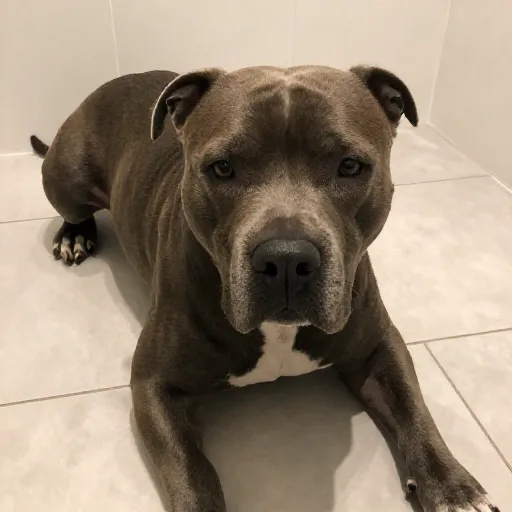
Pain changes a dog’s personality. A normally friendly dog might become grumpy or hide. A independent dog might become clingy and want to be near you all the time.
Some dogs become restless and pace around the house. Others become lethargic and uninterested in their favorite toys or games. Aggression, especially when touched on a specific body part, is a common sign.
If your dog suddenly starts having accidents in the house, don’t assume it’s a training issue. It might be that going outside is painful, or they can’t get comfortable enough to hold it.

Check For Grooming Changes
Dogs often groom painful areas. You might notice excessive licking of a paw, leg, or hip. This is their way of massaging the sore spot.
On the other hand, a dog in severe pain might stop grooming altogether. Their coat can become dull, greasy, or matted. You might also see dandruff or dry skin because they just don’t have the energy to clean themselves.
Chewing or biting at a specific area (like a joint) is another strong sign of localized pain.
Trust Your Gut And Their “Shake”
You know your dog better than anyone. If something feels off, it probably is. I’ve learned to trust that little voice that says “he’s not acting right.”
One last odd but real sign is the “full body shake.” Dogs shake off after a bath or when wet. But if your dog is shaking or trembling for no apparent reason—especially when resting—it can be a response to pain.
This is different from shivering from cold. It’s a tense, deliberate shake. If you see this combined with any other sign, it’s time to act.
Conclusion
Pain in dogs is real, and it’s our job to notice it. You don’t need to be a vet to spot these signs. Just pay attention to the little changes in their movement, mood, and habits. If you see several of these signs, a trip to the vet is the kindest thing you can do.
Your dog relies on you to be their voice. By learning these clues, you’re giving them a better, more comfortable life. And that’s what being a best friend is all about.
Frequently Asked Questions
Can a dog hide pain completely?
Yes, many dogs are masters at hiding pain, especially mild or chronic pain. That’s why subtle signs like sleep changes or facial tension are so important. If you wait for a yelp, you might miss the early stages.
What’s the first thing I should do if I think my dog is in pain?
Start by observing without handling. Look for the signs I mentioned. Then, call your vet and describe what you’re seeing. Never give human painkillers to your dog—they can be toxic.
Is limping always a sign of pain?
Almost always. A limp is a clear indication that a leg, paw, or joint is uncomfortable. Even a very slight limp or a hesitation in stride should be checked.
Do dogs with arthritis show pain differently?
Yes. Arthritis pain is often subtle and chronic. Look for stiffness after rest, reluctance to jump, a slower pace on walks, and changes in sleeping positions. It comes on slowly, so it’s easy to dismiss as “just getting older.”
Can a dog be in pain without any obvious injury?
Absolutely. Internal issues like pancreatitis, dental disease, ear infections, or even a urinary tract infection can cause significant pain without a visible limp or wound. Behavior changes are often the only clue.