How to Reduce Stress and Anxiety in Dogs

You know that feeling when your dog starts trembling during a thunderstorm or hides under the bed when guests arrive? It breaks your heart. Our pups can’t tell us in words what’s wrong, but their behavior speaks volumes. Anxiety in dogs is more common than you think, and the good news is there are simple, natural ways to help them feel safe and calm.
I’ve been through this with my own nervous rescue pup, and I’ve learned that small daily changes can make a huge difference. Whether your dog deals with separation anxiety, noise phobias, or just general nervousness, these practical tips will help you both breathe a little easier.
Create a Safe Space Just for Them
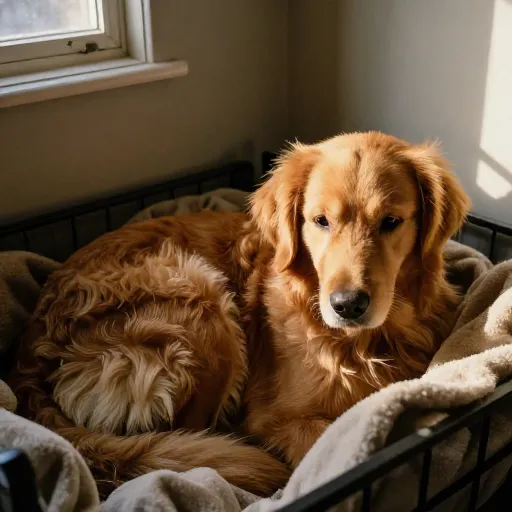
Every anxious dog needs a personal sanctuary. This doesn’t have to be fancy — a quiet corner with their bed or a crate with the door left open works perfectly. Make it cozy with soft blankets and a piece of your clothing that smells like you.
When your dog retreats there, let them be. No petting, no talking, no interruption. This is their “no questions asked” zone. Over time, they’ll learn this spot means safety.
Stick to a Predictable Routine
Dogs thrive on knowing what comes next. When life feels chaotic to them, anxiety spikes. Try to keep meal times, walks, and bedtime at roughly the same hour each day.
Even small rituals matter — a special treat before you leave the house or a calm greeting when you return. Predictability tells your dog’s brain, “Everything is okay, I know what’s happening.”

Use Calming Music or White Noise
Sound is powerful for dogs. Studies show that classical music and specially designed “dog calming” playlists can lower their heart rate. I play soft piano music during storms or when I’m out running errands.
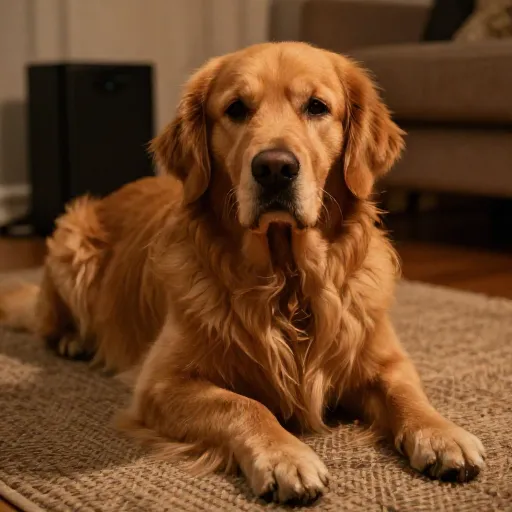
White noise machines or fans also work wonders by drowning out scary sounds like fireworks or construction noise. Test different sounds and watch which one makes your dog yawn and relax.
Try Weighted or Pressure Wraps
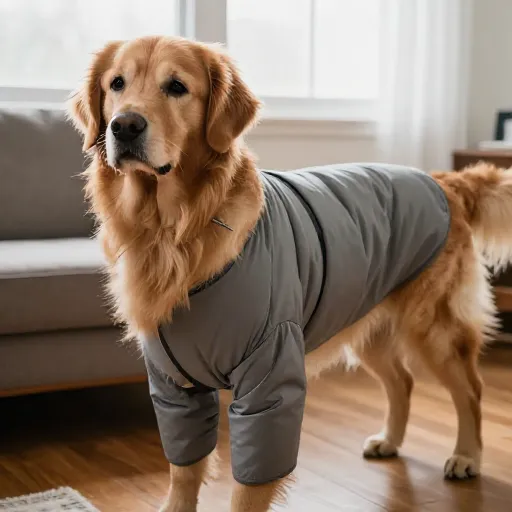
You’ve probably seen those snug dog vests or wraps. They work on the same principle as swaddling a baby — gentle, constant pressure releases calming hormones. Many dogs instantly relax the moment you put one on.
You can buy a proper anxiety wrap or even DIY with a stretchy bandana. Just make sure it’s snug, not tight. Use it during stressful events like vet visits or nail trims.
Give Them a Job to Do
An anxious mind needs distraction. Teaching your dog simple tricks or giving them a “job” redirects their nervous energy. Try “touch” (nose to your hand), “place” (go to their mat), or hide treats around the house for them to sniff out.
The mental workout tires them out faster than physical exercise. Plus, the focus on you builds trust and security. Even five minutes of training can reset a stressed dog’s mood.

Exercise First, Relax Later
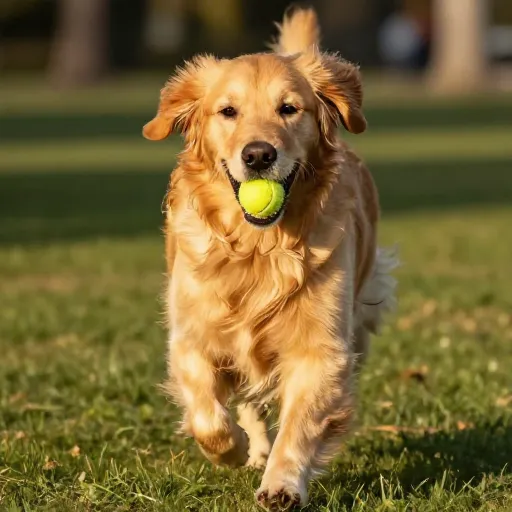
A tired dog is a calm dog. Before any stressful event — like visitors coming over — take your pup for a good walk or play session. Physical activity burns off cortisol, the stress hormone.
But don’t overdo it. Intense exercise right before a trigger can actually amp them up. Aim for a moderate, steady walk that ends at least 15 minutes before the stressful situation begins.
Try Natural Calming Aids
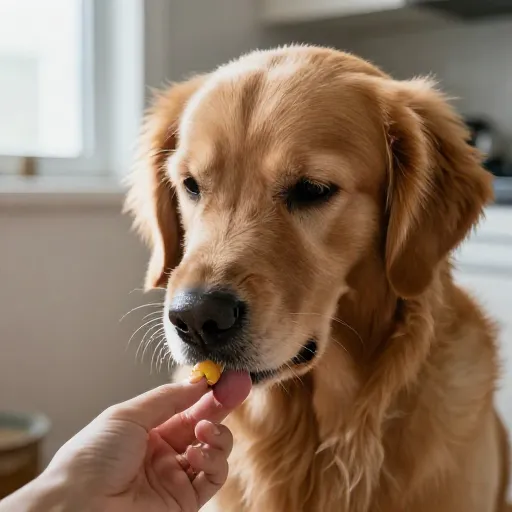
Sometimes they need a little extra help. Calming chews with ingredients like chamomile, L-theanine, or CBD (if legal where you are) can take the edge off. Always check with your vet before trying anything new.
Pheromone diffusers and sprays are another gentle option. They release synthetic versions of the calming scents mother dogs produce. Just plug one in near their favorite resting spot.
Don’t Reinforce the Fear
This one is tricky. When your dog is panicking, your natural instinct is to coddle them. But petting and soothing in a worried voice can accidentally tell them, “Yes, this is scary, good job being scared.”
Instead, stay calm and act like nothing is wrong. Use a cheerful, neutral tone. If your dog sees you unbothered, they learn there’s nothing to fear. Reward brave moments, not shaking.

Use Puzzle Toys and Lick Mats
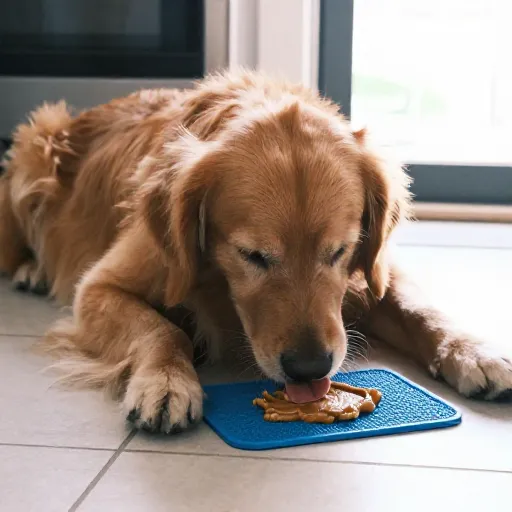
Licking and chewing are naturally calming for dogs. A frozen lick mat with peanut butter or yogurt can keep an anxious dog busy for 20 minutes. The repetitive motion releases feel-good endorphins.
Puzzle toys that dispense treats also work well. The mental focus shifts their brain away from whatever is stressing them. I keep a few ready in the freezer for emergency calm-down sessions.
Know When to Call the Vet
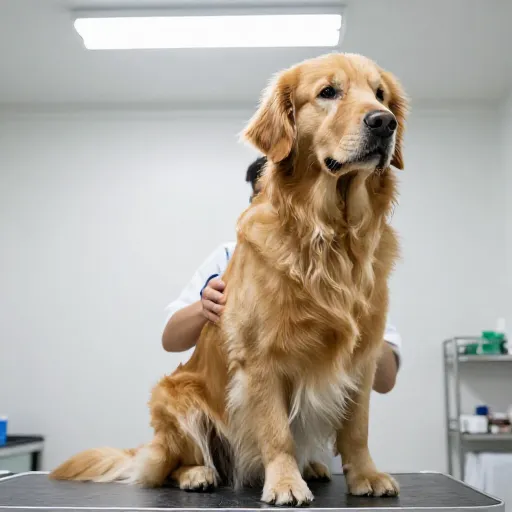
Sometimes anxiety goes beyond what home remedies can fix. If your dog is destructive, hurting themselves, or refuses to eat for days, it’s time for professional help. Your vet can rule out medical issues and discuss options like medication or a behaviorist.
There is no shame in needing extra support. Severe anxiety is a medical condition, not a training failure. Your dog deserves to feel okay, and sometimes that takes a team.
Conclusion
Helping an anxious dog is a journey, not a quick fix. Some days will be better than others, and that’s okay. The most important thing you can give your pup is patience and consistency. Every small step — a calm walk, a cozy corner, a gentle routine — builds their trust in you and in the world.
You are your dog’s safe place. Keep showing up for them, and they will learn to relax one day at a time.
Frequently Asked Questions
Can dogs sense when I’m anxious?
Yes, absolutely. Dogs are masters at reading our body language and scent. If you’re tense, they pick up on it immediately. Practice your own calming techniques before trying to calm them.
How long does it take for a dog to stop being anxious?
It depends on the cause and the dog. Some see improvement in days, others take months. Consistency is key. If nothing changes after several weeks of effort, consult your vet.
Is it okay to give my dog Benadryl for anxiety?
Never give human medication without your vet’s approval. Benadryl can make some dogs drowsy, but it doesn’t treat anxiety and can have side effects. Always ask your vet first.
Should I punish my dog for anxious behavior?
Never. Punishment makes anxiety worse. Your dog isn’t being bad — they’re scared. Focus on rewarding calm behavior and removing triggers when possible.
Does CBD oil really work for dogs?
Many owners report good results, but research is still limited. Only buy from reputable brands that provide third-party testing. Talk to your vet about proper dosing and legality in your area.