How to Train a Reactive Dog Without Losing Your Cool (or Your Sanity)
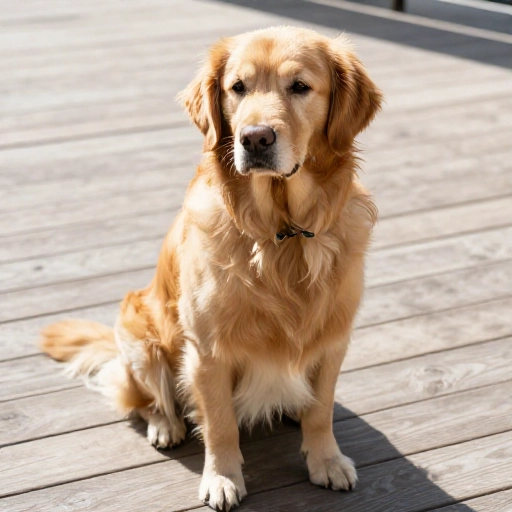
If you have a reactive dog, you know the drill. One second you’re enjoying a peaceful walk, and the next—barking, lunging, and pulling. It’s exhausting, embarrassing, and honestly, a little heartbreaking. You love your dog, but the stress is real.
The good news? Training a reactive dog doesn’t have to be a battlefield. I’ve been there, and I promise there’s a calmer way. This isn’t about forcing your dog into perfect obedience overnight. It’s about building trust, reducing triggers, and finding small wins that add up. Let’s do this together, without the stress.
1. Understand What Your Dog Is Really Saying
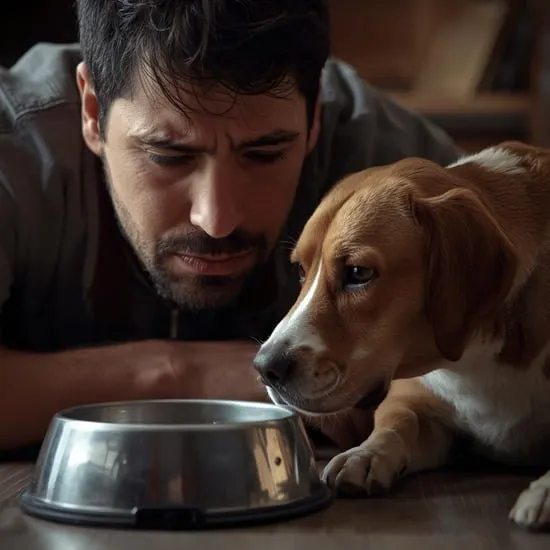
Reactivity isn’t “bad behavior”—it’s communication. Your dog might be scared, frustrated, or overwhelmed. When I first realized my dog wasn’t being stubborn but was actually terrified of other dogs, everything changed. I stopped punishing the reaction and started listening.
Look for subtle signs before the explosion: stiff body, whale eye, lip licking. These are your dog’s early warnings. Once you notice them, you can step in before things escalate. That’s where real progress begins.
2. Create a Safe Space at Home
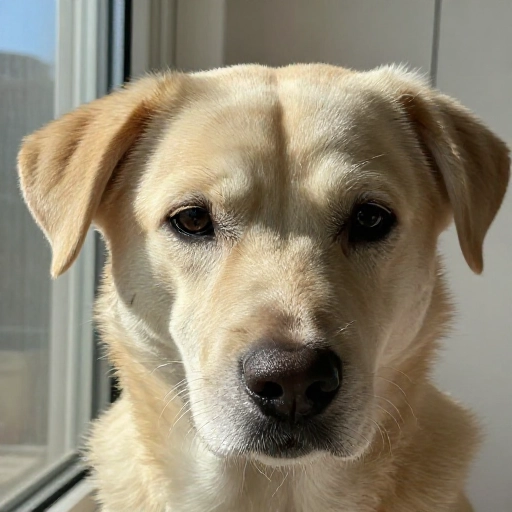
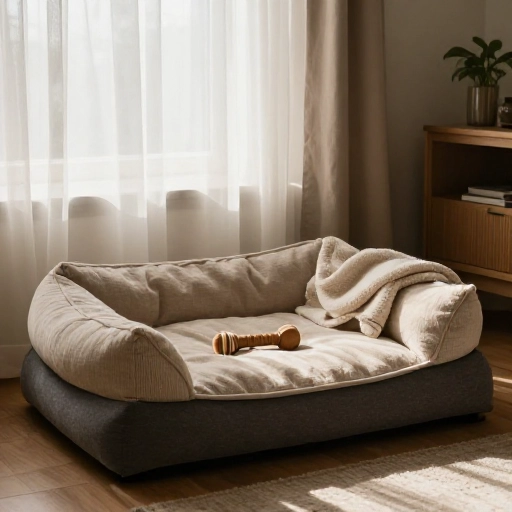
Training starts before you even step outside. Make your home your dog’s calm sanctuary. I set up a cozy corner with a bed, soft blankets, and a few chew toys. When my dog feels anxious, that’s her go-to spot.
Use baby gates to block off windows where triggers might pass by. Play calming music or white noise during stressful times like thunderstorms or when guests arrive. A relaxed home environment builds your dog’s confidence and lowers baseline anxiety.
3. Master the “Look at Me” Cue
This one game-changer cue helps redirect attention away from triggers. Start at home with zero distractions. Hold a treat near your nose and say “look” or “watch me.” When your dog makes eye contact, reward immediately. Practice until it’s automatic.
Then move to your backyard, then a quiet sidewalk. Over time, you can use this cue when you see a trigger from a distance. It’s not magic, but it builds a habit of checking in with you instead of reacting. I’ve seen it work wonders, even with the most intense dogs.

4. Use the “Magnet Hand” Technique
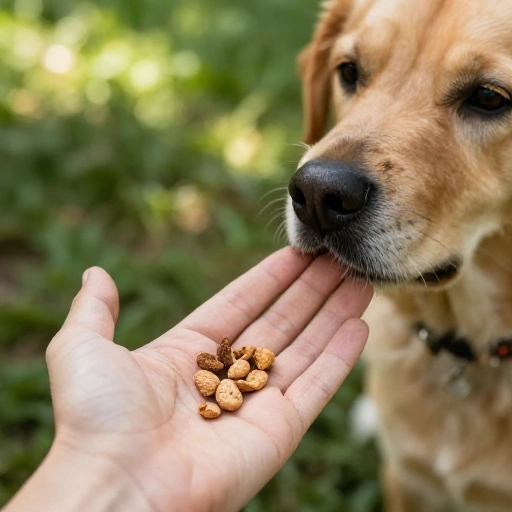
This simple trick keeps your dog moving past triggers without stopping to react. Hold a treat in your closed hand right at your dog’s nose level. Walk forward slowly, letting your dog follow the treat hand like a magnet. Reward every few steps.
I use this on walks when I see a trigger ahead. My dog’s focus stays on my hand, not the scary thing. It’s not a permanent fix, but it buys you time to pass safely. Plus, it feels cooperative, not combative.
5. Work on “Trigger Stacking” Awareness
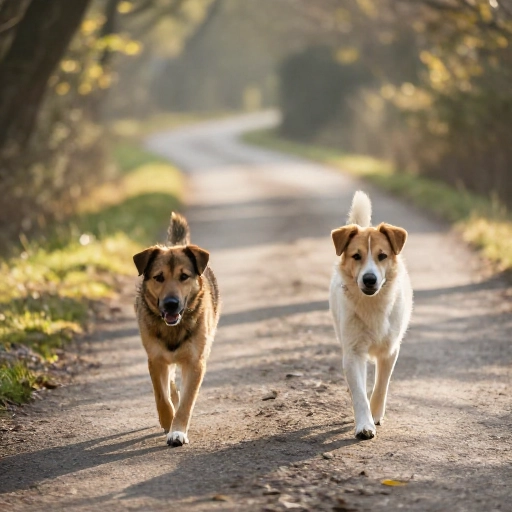
Dogs have a threshold. If they’re already stressed from one thing, a second trigger pushes them over the edge. I learned this the hard way after a walk past a construction site, then a jogger, then a barking dog—my poor pup was a mess.
Now I plan walks at quiet times and avoid piling on triggers. If your dog seems on edge after one scary encounter, skip the next block. Give them a break. Less is more when it comes to reducing stress. Your dog will thank you with calmer behavior.
6. Practice “Engage-Disengage” Games
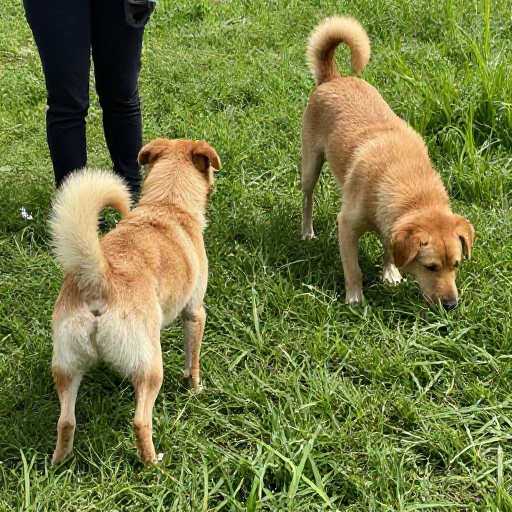
This is my favorite stress-free training game. Find a safe distance from a trigger (like another dog). Every time your dog notices it but doesn’t react, mark with a “yes” and toss a high-value treat away from the trigger. This teaches your dog that seeing something scary means good things happen.
Start far away—far enough that your dog barely notices. Gradually decrease distance over weeks. I’ve seen dogs go from lunging at 50 feet to calmly looking at the trigger and then turning to me for a treat. It takes patience, but it’s worth every second.
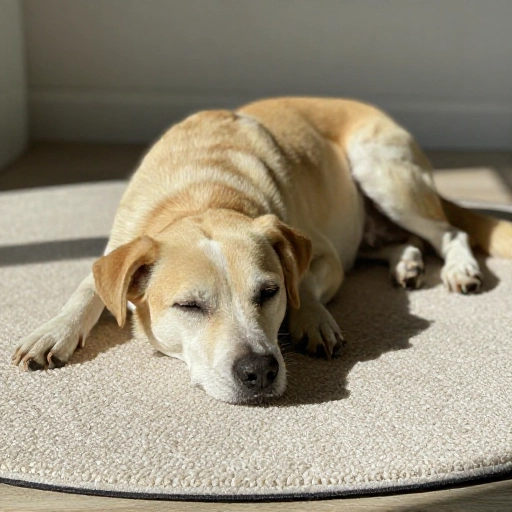
7. Teach a Calm “Settle” on Mat
A settled dog is a less reactive dog. Teach your dog to relax on a mat or blanket using a “settle” cue. Start with short sessions at home. Reward any moment of calm—lying down, resting a head, even just pausing.
I use this at cafes or parks where triggers might appear. My dog knows the mat means “chill out time.” It’s not about forcing stillness; it’s about giving them a job to do. Over time, settling becomes a default behavior, even in new places.
8. Manage Your Own Energy
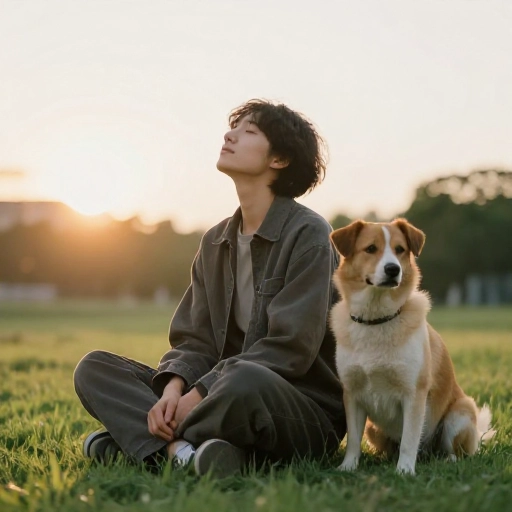
Dogs are emotional sponges. If you’re tense, anxious, or frustrated, your dog picks up on it instantly. I used to hold my breath when I saw a trigger, which made my dog more alert. Now I focus on slow, deep breaths and a loose leash.
Try this on your next walk: before you step outside, take three deep breaths. Imagine you’re calm and confident. Your dog will feel that shift. It sounds silly, but it works. Your energy sets the tone for the whole walk.
9. Use High-Value Rewards Strategically
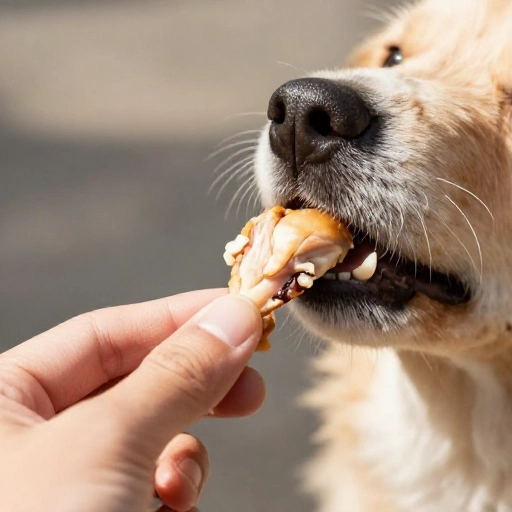
Not all treats are created equal. For reactive training, you need something your dog would do backflips for. Think tiny pieces of chicken, cheese, or hot dog. Save these special treats only for training sessions around triggers.
I keep a pouch of stinky, smelly treats that my dog rarely gets otherwise. When she sees a trigger and checks in with me, she gets the jackpot. That strong positive association rewires her brain faster than kibble ever could. It’s a small investment with huge payoff.
10. Celebrate Small Wins (Really Small)
Training a reactive dog is a marathon, not a sprint. Some days you’ll only get a few steps past a trigger without a reaction. That’s a win. Other days your dog might just look at you instead of barking. That’s a huge win.
I keep a journal of tiny victories: “Walked past a mailbox without barking,” “Saw a dog across the street and stayed calm for three seconds.” These little moments build momentum. Don’t compare your progress to others. Your dog is on their own timeline, and every calm second matters.
Conclusion
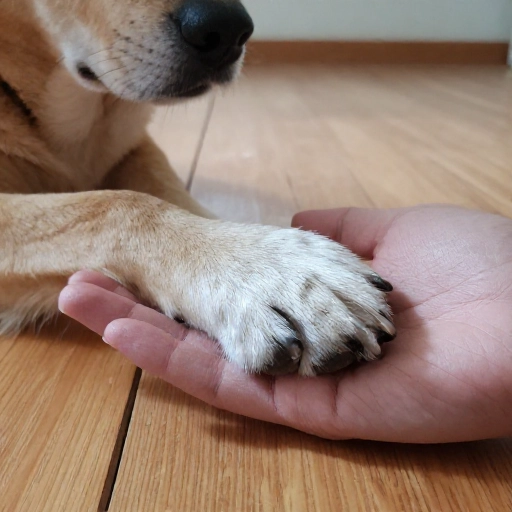
Training a reactive dog without stress isn’t about being perfect. It’s about being present, patient, and kind—to both your dog and yourself. Every small step forward is a victory. You’ve got this, and so does your dog.
Remember: you’re not fixing a problem. You’re building a partnership. And that partnership, built on trust and calm connection, is the most beautiful thing in the world.
FAQ
Q: How long does it take to train a reactive dog?
A: There’s no set timeline. It depends on your dog’s history, triggers, and consistency. Some dogs improve in weeks, others take months. Focus on progress, not perfection.
Q: Should I use a prong or choke collar for reactivity?
A: I don’t recommend aversive tools. They can increase fear and make reactivity worse. Positive reinforcement methods are safer and build trust.
Q: What if my dog reacts despite my best efforts?
A: That’s okay. Reactivity isn’t a failure. If it happens, calmly move away from the trigger and give your dog space. No scolding. Just reset and try again later.
Q: Can I ever take my reactive dog to a dog park?
A: Probably not, and that’s fine. Many reactive dogs thrive in quiet one-on-one playdates or structured walks. Forcing a dog park can backfire. Find what works for your dog.
Q: Do I need a professional trainer?
A: If you feel stuck or overwhelmed, a force-free trainer can be a game-changer. But many owners make great progress with patience and the right techniques at home.