How to Stop Your Dog From Barking at Night (And Get Some Sleep)
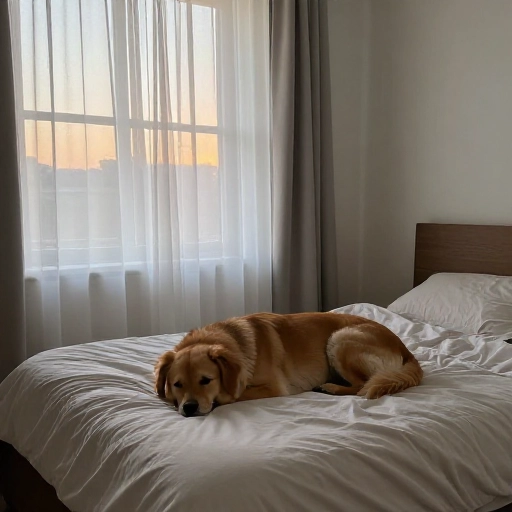
There I was, at 2 AM, bleary-eyed and wondering if my dog was trying to communicate with the entire neighborhood. Sound familiar? A dog that barks all night can leave you feeling exhausted and frustrated, but the good news is that this is usually a fixable problem.
Dogs don’t bark just to annoy us. They’re trying to tell us something is wrong, boring, or exciting. The trick is learning to translate that barking so you can address the root cause instead of just yelling “quiet.”
In this guide, I’ll share the strategies that actually worked for me and my clients. These are real, practical steps you can start tonight to help your dog (and you) get a peaceful night’s sleep.
Check for Physical Needs First
Before you try any training, make sure your dog isn’t barking because they need something basic. A full bladder, hunger, or thirst can trigger nighttime barking.
- Take them out for a final potty break right before bed
- Make sure fresh water is available, but monitor how much they drink close to bedtime
- Feed dinner at least three hours before sleep time
I once spent a week trying to train my own dog out of barking, only to realize he just needed an extra bathroom break at 11 PM. Solve the simple stuff first.

Create a Cozy Sleep Space
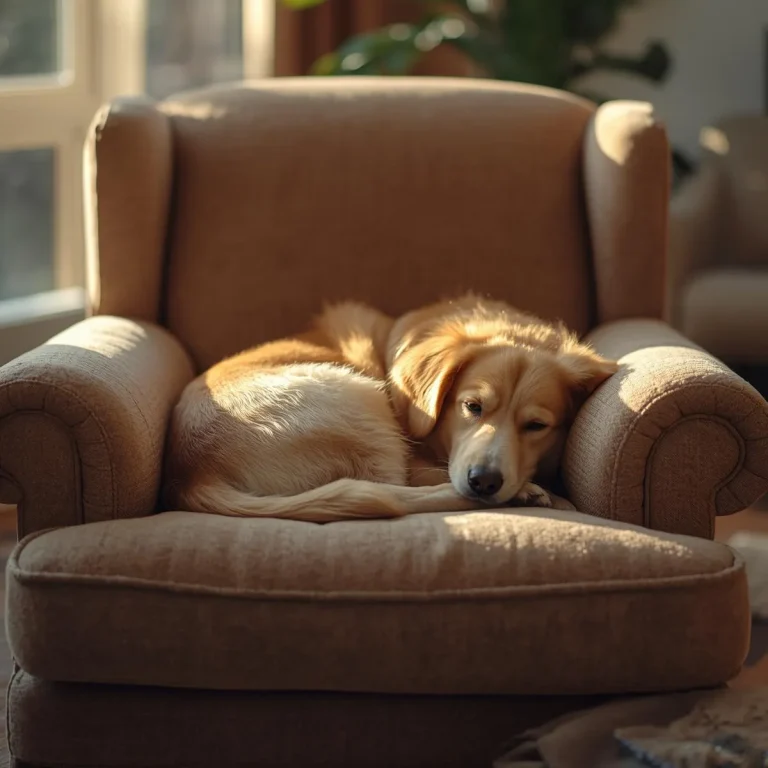
Your dog’s sleeping area should feel like a sanctuary, not a punishment zone. A crate, bed, or corner of your room can work, as long as it’s comfortable and predictable.
Add a soft blanket or an item of your clothing that smells like you. This can be incredibly calming for anxious dogs who miss you at night.
Keep the area consistent. Dogs thrive on routine, and knowing exactly where they sleep each night helps them settle down faster.

Use White Noise or Calming Sounds
Dogs have excellent hearing, and every little noise outside can set them off. A passing car, a raccoon, or even the neighbor’s cat can seem like a big deal at 3 AM.
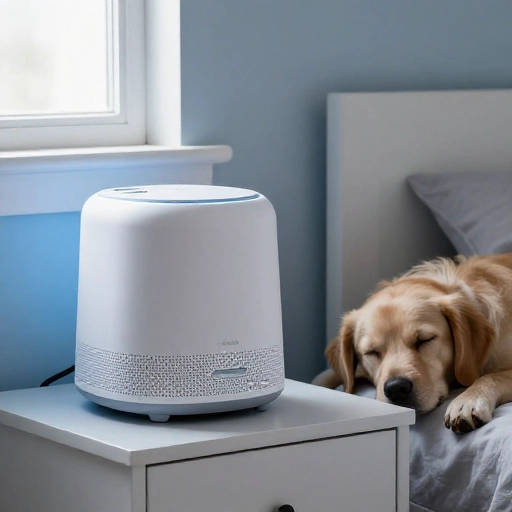
Turn on a fan, a white noise machine, or even a calming dog music playlist. These sounds mask the little triggers that make your dog alert.
I personally use a small fan in my dog’s room. It not only helps him sleep but also creates a gentle routine cue that says, “time to rest.”
Exercise Them Properly Before Bed
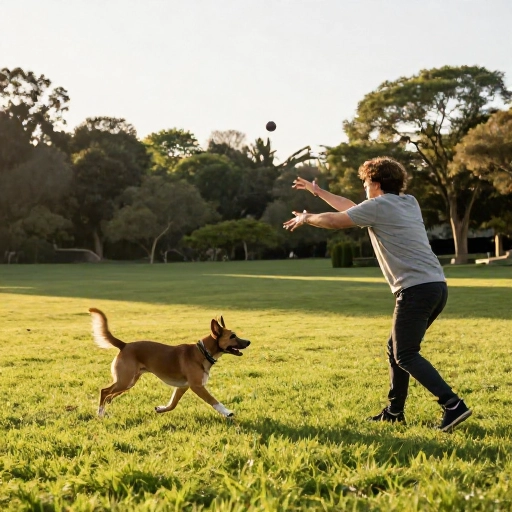
A tired dog is a quiet dog. But here’s the thing: mental exercise works even better than physical exercise for calming a restless pup.
- Take a brisk 20-minute walk before bed
- Play a short game of fetch or tug
- Do a few minutes of training (sit, stay, or a new trick)
- Use a puzzle toy or snuffle mat for dinner
When your dog’s brain is tired, they’re much more likely to settle down and sleep through the night.
Ignore the Barking (But Do It Right)
This one sounds simple, but it’s harder than it seems. When your dog barks at night and you respond by yelling or getting up, you’re actually rewarding the behavior.
Instead, wait for a moment of silence, even if it’s just two seconds. Then quietly say “good quiet” and give a tiny treat if you can do it without exciting them.
Over time, your dog learns that silence gets them your attention, not barking. This takes patience, but it works like magic.

Address Separation Anxiety Gently
Some dogs bark because they’re genuinely stressed about being away from you at night. This isn’t stubbornness; it’s fear.
Start by sleeping in the same room for a few nights, then gradually move your sleeping spot further away over a week or two. This builds confidence.
You can also leave a worn t-shirt or blanket with your scent in their bed. It’s a simple trick that comforts many anxious dogs.
Block Their View of Windows and Doors
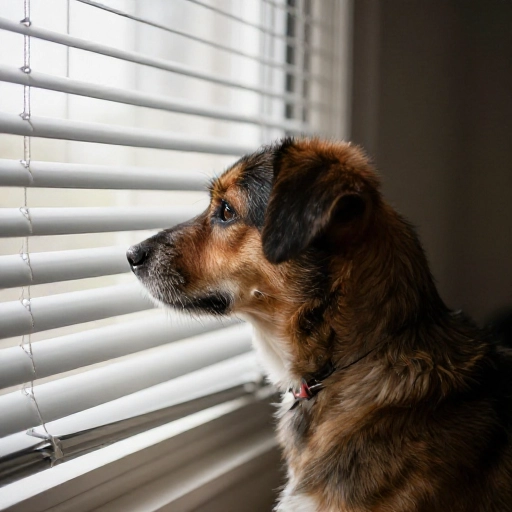
Dogs are naturally alert to movement outside. If your dog can see the street, the neighbor’s yard, or even shadows, they’ll feel the need to warn you.
Close curtains or blinds at night. If your dog sleeps near a glass door, try a temporary privacy film or a simple sheet pinned over the glass.
This small change can reduce nighttime barking by a huge amount, especially if your dog is triggered by visual stimuli.
Teach a “Quiet” Command During the Day
You can’t train a calm nighttime behavior if you haven’t practiced the skill during the day. Teach your dog a “quiet” cue when they’re already calm.
- Wait for them to bark, then say “quiet” in a calm, firm voice
- The instant they stop, even for a second, say “yes” and give a treat
- Practice this several times a day until they understand
When you can reliably get them to stop barking on command during the day, you’ll have a much easier time using it at night.

Consider a Calming Supplement or Tool
For some dogs, training alone isn’t enough, especially during high-stress periods like a move or new baby. Calming aids can help bridge the gap.
Options include lavender-infused collars, calming chews with chamomile or melatonin, or a thunder shirt that provides gentle pressure.
Always check with your vet before giving your dog any supplement. What works for one dog might not work for another.

Stay Consistent and Patient
Here’s the truth I’ve learned the hard way: training a dog not to bark at night takes time. You might see improvement in a few days, or it could take a few weeks.
Don’t give up if you have a bad night. Dogs sense your frustration, which can make them more anxious. Stay calm, stick to your routine, and celebrate small wins.
Your dog isn’t trying to be difficult. They’re just figuring out how to be a good nighttime companion, and with your help, they’ll get there.
Conclusion
Getting your dog to stop barking at night is totally doable. Start with the basics: check their needs, create a cozy space, and tire them out mentally and physically.
Then layer in training strategies like the “quiet” command and gentle ignoring. Be patient, stay consistent, and before you know it, you’ll both be sleeping through the night.
Remember, every quiet night is a win. You’ve got this.
Frequently Asked Questions
Why does my dog only bark at night and not during the day?
Nighttime barking is often triggered by sounds or sights that are more noticeable in the quiet dark. Your dog might also be more alert because they haven’t been exercised enough during the day.
Should I let my dog sleep in my bed to stop the barking?
It depends on your dog. Some dogs settle down better when they’re close to you. But if your dog is already anxious or territorial, letting them in bed might make things worse. Try it for a night or two and see if it helps.
How long does it take to train a dog to stop barking at night?
Most dogs show improvement within a week of consistent training. Some may take two to three weeks, especially if they have deep-rooted anxiety or are used to getting attention for barking.
Is it cruel to ignore my dog’s barking?
Not at all, as long as you’ve already checked that they don’t need a bathroom break or have a medical issue. Ignoring the barking teaches them that silence is what gets your attention. It’s actually a kind and effective training method.
My dog is a senior. Could the barking be a health issue?
Yes, older dogs can develop cognitive dysfunction (like dementia) or hearing loss that causes confusion and barking at night. If your senior dog suddenly starts barking at night, a vet check is a good idea.