The Ultimate Guide to Eliminating Yeast on Dog Paws
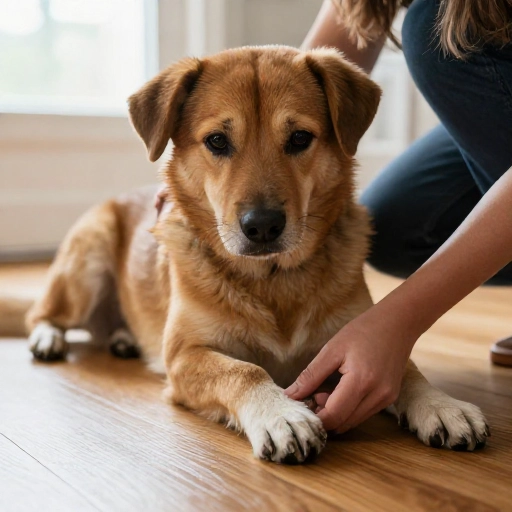
I still remember the day I noticed my dog’s paws smelled like corn chips and he wouldn’t stop licking. I thought it was just dry skin. Turns out, it was yeast—and it had taken over. If your dog’s paws are itchy, red, or stinky, you’re in the right place.
Yeast on dog paws is stubborn. It loves warm, damp spaces between toes. But with the right routine, you can clear it up and keep it from coming back. I’ve tried a lot of things, some worked, some flopped. Here’s everything I wish I knew from the start.
Why Yeast Loves Dog Paws (And How to Spot It)
Yeast is a fungus that naturally lives on your dog’s skin. When it overgrows, it causes problems. Paws are a prime spot because they’re often wet, warm, and covered in sweat from those little paw pads.
Signs to watch for:
- Brown or rusty-colored fur between toes
- A musty, corn chip, or yeasty smell
- Constant licking or chewing
- Red, irritated skin or thickened paw pads
If you see these, don’t ignore them. The earlier you act, the easier it is to clear up.
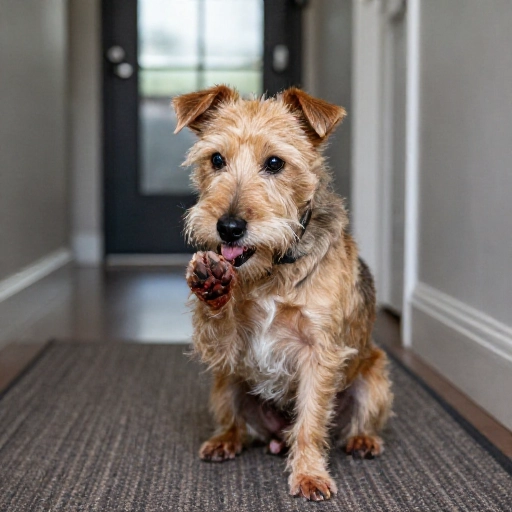
Think It’s Just Allergies? Why You Need a Vet Diagnosis First
I learned this the hard way. I treated my dog for yeast for weeks, but the real trigger was allergies. Yeast is often a secondary issue. Allergies cause inflammation, the dog licks, moisture builds up, and yeast moves in.
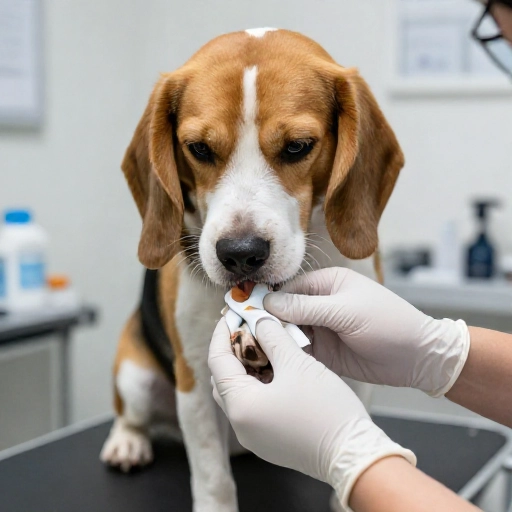
Your vet can do a simple skin cytology or tape test. That tells you if it’s truly yeast or something else like bacteria. It takes minutes and saves months of guessing.
If it is yeast, your vet may prescribe a medicated treatment. Don’t skip this step. Natural remedies work best alongside proper diagnosis, not instead of it.
Keep Those Paws Dry: The Number One Yeast Killer
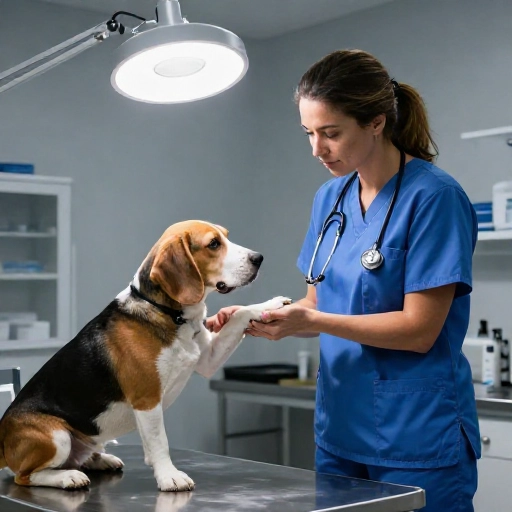
Yeast cannot thrive without moisture. That’s the golden rule. After every walk, potty break, or swim, dry those paws. Don’t just wipe—really dry between the toes.
I use a clean microfiber cloth, then a quick blast from a pet-safe blow dryer on the cool setting. If your dog won’t tolerate that, use a soft towel and gently separate each toe.
At home, keep floors dry. If your dog drools or spills water, clean it up. A damp paw is an open invitation for yeast.
Gentle Daily Cleaning That Doesn’t Strip the Skin
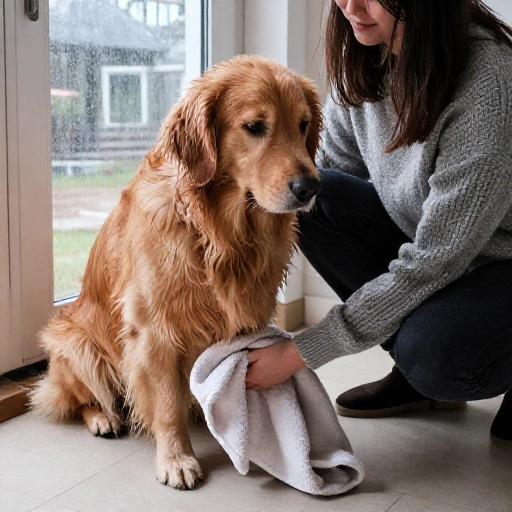
You want to remove yeast without damaging the skin barrier. Harsh soaps and frequent bathing can make things worse. I learned to clean gently but consistently.
My routine:
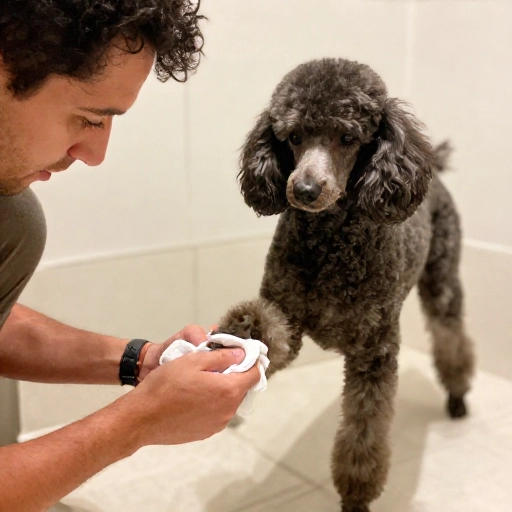
- Use a pet-safe, unscented wipe or a damp cloth with a tiny bit of apple cider vinegar (diluted).
- Wipe the top and bottom of each paw, then between the toes.
- Dry thoroughly.
- Do this once a day, or twice if paws are really yeasty.
Skip alcohol-based wipes. They sting and dry out the skin, which triggers more licking.
DIY Paw Soaks That Actually Help (And What to Avoid)
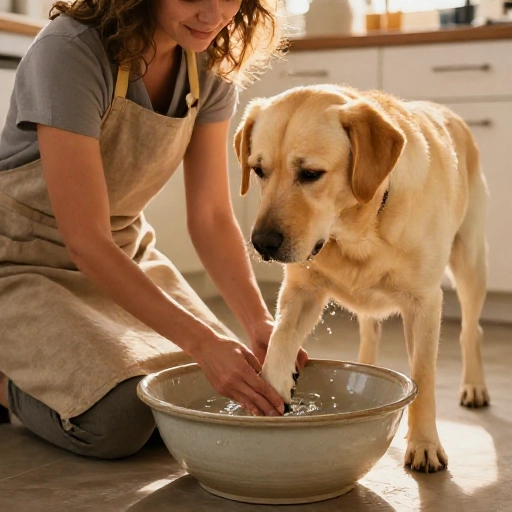
A good soak can soothe and kill yeast. I use a diluted apple cider vinegar soak: one part ACV to three parts water. Soak for 2-3 minutes, then dry completely. It helps restore the skin’s pH.
Other options: Epsom salt soaks (plain, unscented) for itching, or a colloidal oatmeal soak for irritation. But avoid soaking if the skin is cracked or bleeding—that needs a vet.
Do not use hydrogen peroxide or bleach. They’re too harsh. And never leave paws wet after a soak. That defeats the purpose.
Diet Changes That Starve the Yeast
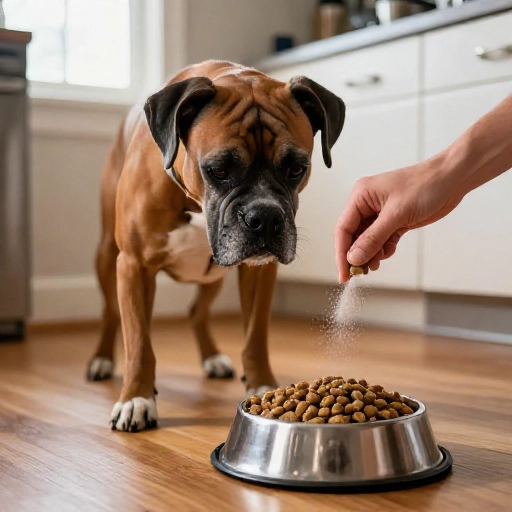
Yeast feeds on sugar and carbohydrates. If your dog’s diet is high in carbs, yeast can thrive. I switched to a grain-free, low-carb food with quality protein. It made a huge difference.
Talk to your vet before changing diet, especially if your dog has other health issues. Some dogs do well with limited ingredient diets. Others need a prescription food for allergies.
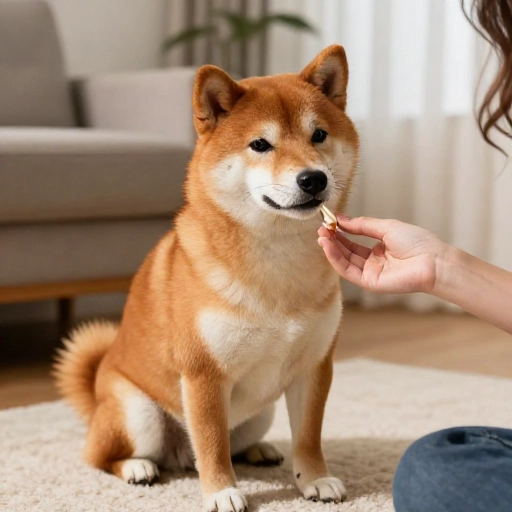
Also, cut out sugary treats. Yes, even that tiny biscuit. Small changes add up.
Probiotics and Supplements for Paw Health
Probiotics help balance the gut and skin. I give my dog a daily probiotic designed for dogs. It doesn’t cure yeast alone, but it supports the immune system.
Other helpful supplements:
- Omega-3 fatty acids for skin barrier
- Coconut oil (small amounts) for internal support
- Vitamin E for skin healing
Always check with your vet for dosages. What works for one dog might not work for another. And give it time—supplements aren’t magic overnight.
When to Use Medicated Shampoos, Sprays, or Wipes
If natural care isn’t enough, medicated products can be a game-changer. Look for ingredients like chlorhexidine, ketoconazole, or miconazole. These target yeast and bacteria.
I use a medicated shampoo once a week during flare-ups, then taper to once a month. For paws, a spray or wipe is easier. Just follow the label and don’t overuse—they can dry out the skin.
Never use human antifungal creams without vet approval. Some ingredients are toxic to dogs.
Stop the Licking: Simple Tricks That Work
Licking is the enemy. It adds moisture and spreads yeast. But you can’t just tell your dog to stop. I tried a few things that actually worked.
- Distract with a frozen toy or puzzle feeder.
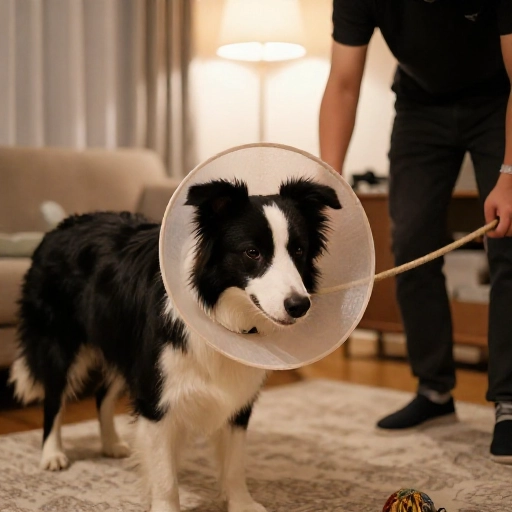
- Use a soft cone or paw covers only when you can’t supervise.
- Reward your dog for leaving paws alone.
- Treat the itch with vet-approved antihistamines or topicals.
The goal is to break the itch-lick-yeast cycle. It takes patience, but it’s possible.
Prevent Yeast From Coming Back for Good
Once you clear the yeast, don’t get lazy. I keep a simple maintenance routine:
- Dry paws after every outdoor trip.
- Clean paws 2-3 times a week.
- Wash bedding weekly in hot water.
- Keep up with probiotics and a low-carb diet.
- Check paws weekly for early signs.
If you see redness or smell that yeasty odor, act fast. A quick soak and extra drying can stop a flare-up before it starts.
Conclusion: You Can Win the Yeast Battle
Yeast on dog paws is frustrating, but it’s not unbeatable. The key is consistency: dry paws, gentle cleaning, the right diet, and vet guidance. I’ve been through it, and my dog’s paws are finally healthy. Yours can be too.
Frequently Asked Questions
Q: How long does it take to clear yeast on dog paws?
A: With consistent treatment, you might see improvement in 1-2 weeks. Full clearing can take 4-6 weeks. Stay patient.
Q: Can I use human antifungal cream on my dog’s paws?
A: No, not without vet approval. Some ingredients are toxic. Always ask your vet first.
Q: Is apple cider vinegar safe for dog paws?
A: Yes, if diluted properly (1 part ACV to 3 parts water). Never use it on broken skin. Dry paws completely after.
Q: What if my dog keeps licking after treatment?
A: Licking can be a habit or sign of allergies. Use distractions, a cone, and talk to your vet about itch relief.
Q: Can I prevent yeast with diet alone?
A: Diet helps a lot, but it’s not a cure. You also need to keep paws dry, clean regularly, and support the immune system.