10 Giant & Gentle Dog Breeds That Are Actually Amazing With Kids (2025 Guide)
Let’s be real—there’s something magical about watching your kids cuddle up next to a giant, fluffy dog. It’s pure childhood gold. But if you’re picturing a 100-pound lapdog, you probably have some questions. Will they knock over the toddler? Do they need a farm? Will my couch survive?
Here’s the thing I’ve learned from years around these gentle giants: size doesn’t mean high energy. In fact, many of the biggest breeds are famously calm, patient, and incredibly protective of their little humans. They just need a bit more floor space and a lot more dog food.
So, if you’re ready to add a big heart (and big paws) to your family, here are the top 10 largest dog breeds that are surprisingly wonderful with kids. I’ve broken down their real personalities, not just their stats, so you can find the perfect fit for your crew.
1. The Unshakeable Saint Bernard
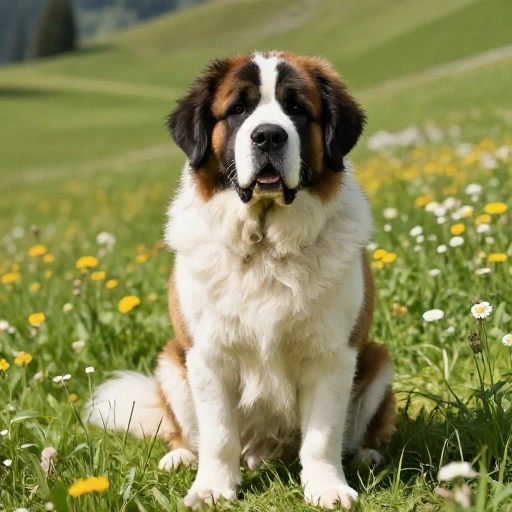
When people think of family giants, the Saint Bernard is usually the first to pop into my head. These dogs are the ultimate gentle giants. They are famously patient, incredibly tolerant, and seem to have a sixth sense when it comes to being careful around babies and small children.
They aren’t high-energy athletes; they prefer lounging around the backyard or snuggling on the couch. Their calm demeanor makes them an amazing anchor for a busy, chaotic household. They will happily let your kids dress them up in hats and sunglasses without a single grumble.
Just be ready for the drool and the shedding. Their size means they take up a lot of room, and they will absolutely think they are lap dogs. But the love they give back is immeasurable.
2. The Regal and Protective Newfoundland
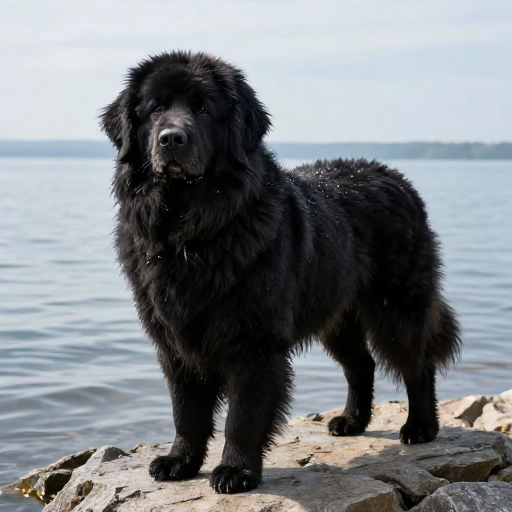
If you live near water or just love a dog with a swimmer’s build, the Newfoundland, or “Newfie,” is your guy. These are massive, powerful dogs that were bred to rescue people from the sea. That instinct to save extends right into your living room; they are fiercely loyal and watchful over their family.
They have a thick, water-resistant coat that requires regular brushing, but it’s worth it. They are calm and patient indoors, often described as “nanny dogs” because of their gentle nature with kids. They are especially great with toddlers who are just learning to walk, as they seem to understand their unsteadiness.
Their size can be intimidating to strangers, but to your kids, they are just a big, fluffy pillow to lean on. They are quiet, gentle, and incredibly devoted.
3. The Goofy and Lovable Great Dane
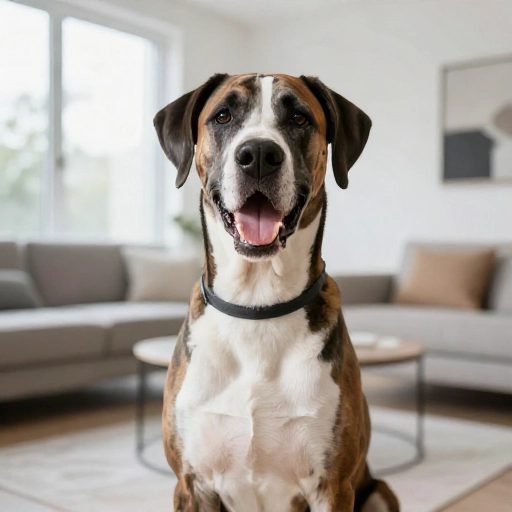
Don’t let their towering height scare you. Great Danes are often called “gentle giants” for a reason. They are surprisingly lazy indoors and are happiest just being near their people. They are goofy, playful, and often have no idea how big they actually are.
They bond very closely with children and are known to be very tolerant of hugs and pokes. They are not aggressive and generally get along with everyone, including other pets. Their short coat is easy to care for, which is a big plus.
However, they are prone to bloat and have shorter lifespans, which is the hardest part of loving a Dane. But for the years you have them, they will fill your home with laughter and oversized cuddles.
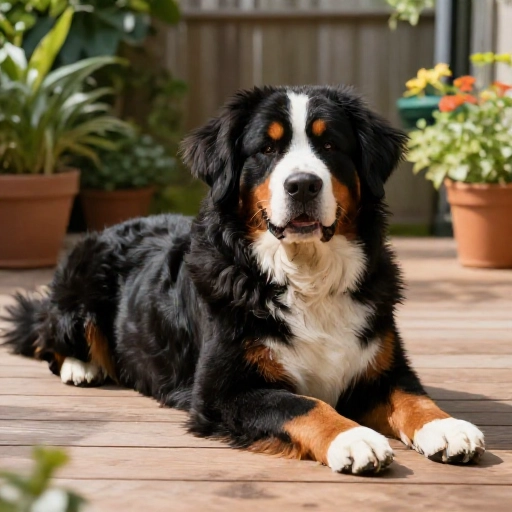
4. The Patient and Steady Bernese Mountain Dog
With their striking tri-colored coat and sweet expression, the Bernese Mountain Dog is a stunner. But they are so much more than a pretty face. They are a working breed that is known for being remarkably calm and good-natured, especially around children.
They are affectionate and love to be involved in all family activities, whether that’s a hike or just watching a movie. They are gentle but can be a bit more energetic than a Newfie or a Saint Bernard, so they enjoy a good play session in the yard before settling down.
They are incredibly loyal and form strong bonds. Just be prepared for heavy seasonal shedding—you will find their fur on everything. They are a fantastic choice for an active family that also values downtime.
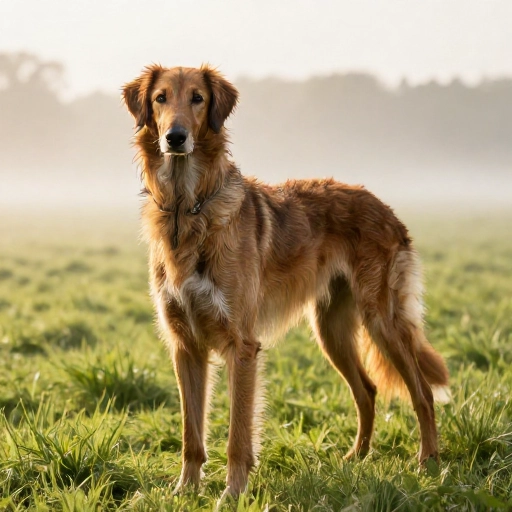
5. The Loyal and Courageous Irish Wolfhound
These are the tallest dogs in the world, and they look like they belong in a medieval fantasy. But the Irish Wolfhound is actually a gentle, serene soul. They are known for their calm and quiet nature, especially indoors. They are not hyper or demanding, making them surprisingly easy to live with despite their massive size.
They are patient with children and are generally not aggressive. They are more likely to walk away from a noisy situation than to get involved. They are often described as “gentle when stroked” and are fantastic companions for kids who are respectful of animals.
They do require daily exercise, but a nice long walk is usually enough. They are also prone to a shorter lifespan, which is a heartbreak many owners will tell you about, but they are worth every moment.
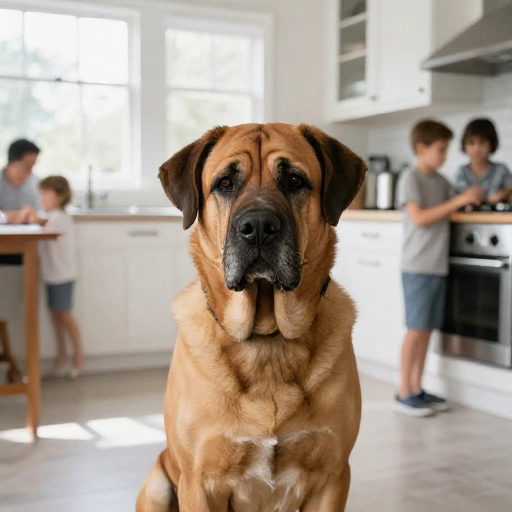
6. The Adaptable and Smart Bullmastiff
Don’t be fooled by their fierce-looking face; the Bullmastiff is a big softy at heart. Bred to guard estates, they are naturally protective of their family, which includes your kids. They are incredibly loyal and will watch over your children like a furry guardian.
They are not high-energy and are happy with a moderate daily walk and then a long nap. They are patient and tolerant, but they might not be the best choice for very young toddlers who like to climb, simply because they are so sturdy and might not notice them. But with supervision, they are wonderful.
They are a bit more independent than some other giants, but their devotion to their family is unmatched. They are quiet, calm, and make you feel incredibly safe.
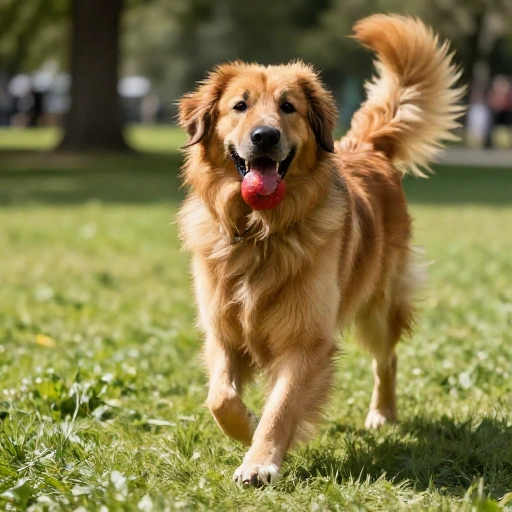
7. The Happy-Go-Lucky Leonberger
If you want a dog that looks like a lion but has the heart of a marshmallow, the Leonberger is for you. This breed is a mix of Saint Bernard, Newfoundland, and Great Pyrenees, and they have the best traits of all of them. They are incredibly gentle, loving, and patient.
They are amazing with children of all ages and are known for being very social and friendly. They love to be part of the action and are happiest when the whole family is together. They are also quite adaptable and can do well in different living situations as long as they have space to stretch out.
They are smart and eager to please, making them a joy to train. They are a bit rarer and can be pricey, but they are an exceptional family dog.
8. The Devoted and Protective Great Pyrenees
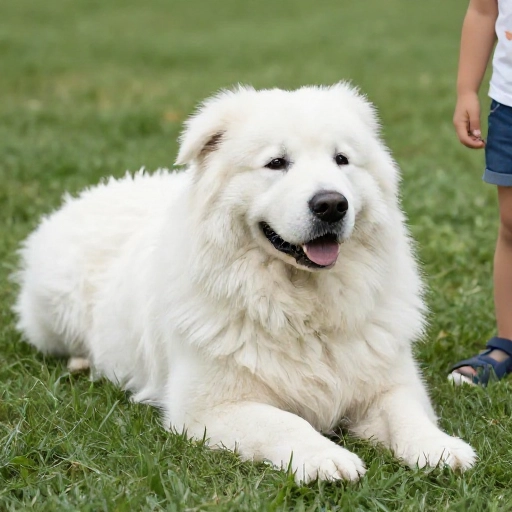
The Great Pyrenees is a majestic, white mountain dog that is known for its calm and patient demeanor. They were bred to guard sheep, which translates perfectly to guarding your children. They are incredibly loyal and have a strong instinct to protect their flock, which includes your little ones.
They are not an overly playful breed, but they are affectionate and love to be near their family. They are very independent thinkers, so training can require a bit of patience, but it’s worth it for their steadfast loyalty. They are calm indoors but do love a good romp in the snow or a fenced yard.
They have a thick double coat that needs regular grooming, especially during shedding season. They are a wonderful, steady presence in a home.
9. The Sweet and Sociable Clumber Spaniel
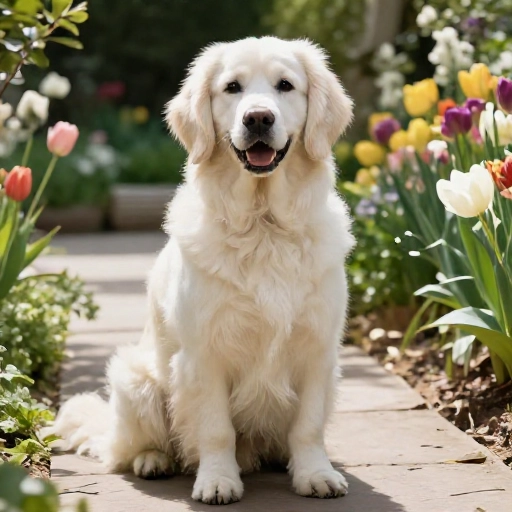
Okay, this one is a bit shorter than the others on this list, but they are incredibly heavy and sturdy, so they definitely fit the “big” category. The Clumber Spaniel is the heaviest of the spaniels and is known for their sweet, gentle, and somewhat clownish personality.
They are fantastic with children and are very patient. They are a bit more energetic than some of the other giants, enjoying a good sniffing adventure in the woods, but they are equally happy to crash on the couch afterward. They are highly sociable and love being in the middle of family chaos.
They do drool and shed quite a bit, but their loving nature more than makes up for it. They are a wonderful, less common choice for families.
10. The Athletic and Affectionate Labrador Retriever
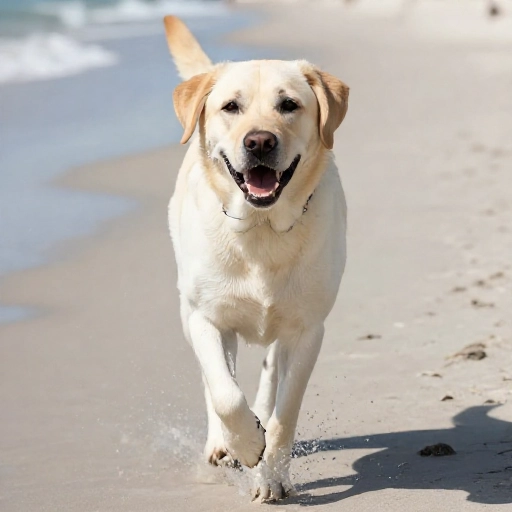
Alright, they aren’t as tall as a Great Dane, but a big, sturdy Labrador Retriever is a powerhouse of love. They are the most popular family dog for a reason. They are incredibly affectionate, patient, and have endless energy to keep up with your kids.
They are highly trainable and eager to please, making them a breeze to integrate into family life. They are great with kids of all ages and are usually very social with other dogs, too. They love to play fetch, swim, and go on adventures, so they are perfect for active families.
They are known for their “foodie” nature, so you’ll need to keep an eye on their weight, but that just makes them even more lovable. They are the ultimate all-around family companion.
Conclusion: Finding Your Perfect Gentle Giant
Choosing a giant breed is a big decision, but it’s one of the most rewarding ones you can make. They bring a level of love, loyalty, and gentle protection that is truly special. They teach kids about responsibility, compassion, and the pure joy of coming home to a wagging tail.
Remember to consider your living space, your activity level, and the grooming requirements of each breed. But most importantly, think about the kind of energy you want in your home. Whether you want the lazy cuddler or the playful adventurer, there is a giant dog out there waiting to be part of your family.
Adopting from a rescue or finding a reputable breeder who prioritizes temperament is key. With the right match, you won’t just be getting a dog—you’ll be gaining a new, oversized member of the family.
Frequently Asked Questions
1. Are giant dog breeds good with babies and toddlers?
Yes, most of them are famously patient and gentle with little ones. Breeds like the Newfoundland and Saint Bernard are often called “nanny dogs.” However, always supervise interactions because their sheer size can accidentally knock over a small child.
2. How much exercise do giant breeds really need?
It varies. Some like the Great Dane and Bullmastiff are surprisingly low-energy and need just a good daily walk. Others like the Bernese Mountain Dog and Labrador need more active playtime. Generally, they are not marathon runners.
3. Do all giant breeds drool a lot?
Not all, but many do. Saint Bernards and Bullmastiffs are known for heavy drooling. Great Danes also drool, especially after drinking water. If you are a neat freak, look into breeds like the Irish Wolfhound, which do not drool much.
4. How much does it cost to feed a giant dog?
Be prepared for a significant grocery bill. A giant breed can eat 4 to 6 cups of high-quality kibble a day, sometimes more. You will likely go through a 30-pound bag of food every couple of weeks.
5. What are the common health issues in giant breeds?
The most common concerns are hip and elbow dysplasia, bloat (a serious stomach condition), and certain heart issues. They also have shorter lifespans than smaller dogs. Choosing a reputable breeder who health-tests their dogs is super important.