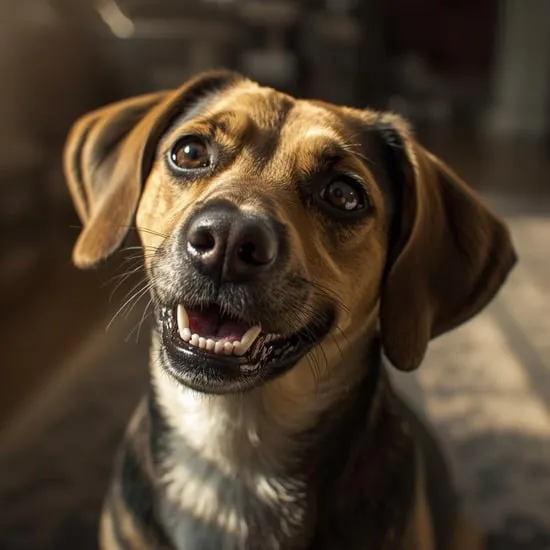
How to Build Trust With Your Dog (Simple, Gentle Steps)
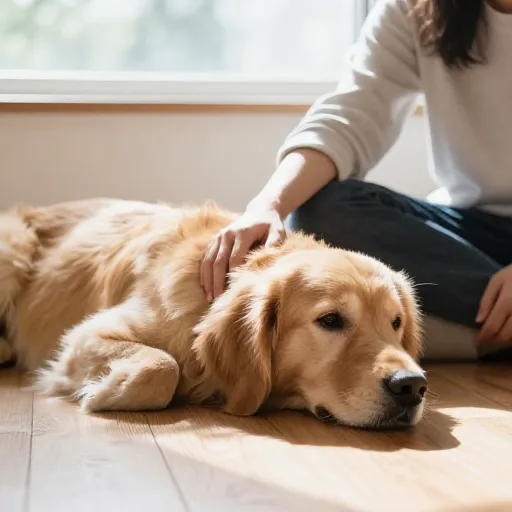
Trust is the foundation of everything with a dog. Without it, training falls flat, walks feel tense, and that deep bond you dream about stays just out of reach. I’ve learned that trust isn’t something you demand—it’s something you earn, one small moment at a time.
If you’ve recently adopted a shy pup, brought home a rescue, or just want a closer connection with your current dog, these ideas will help. They’re simple, practical, and built on respect. Let’s get started.
1. Move Slowly and Speak Softly
Dogs notice everything. Fast movements can feel threatening, especially to a nervous dog. I keep my motions slow and predictable, especially during greetings or when reaching for their collar.
Your voice matters too. A calm, low tone signals safety. I often whisper praise or hum softly when my dog is resting nearby. It tells them, “You’re safe, I’m calm.”
Try this: next time you approach your dog, pause a few feet away, avoid direct eye contact, and let them come to you. That small step builds huge trust.
2. Let Your Dog Choose
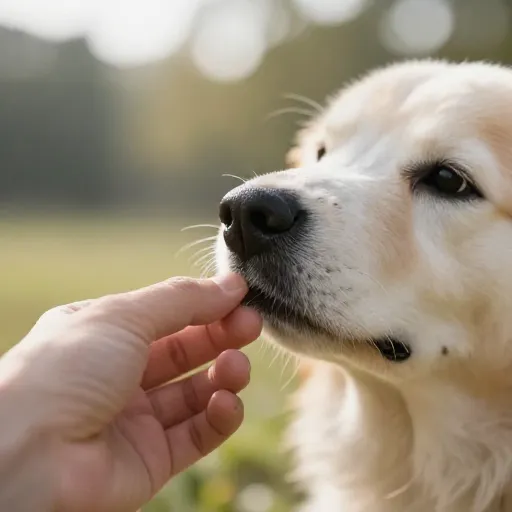
Trust grows when your dog feels they have a say. Instead of forcing cuddles or pulling them into situations, I let my dog decide. Do they want to meet that new person? Do they want to sit in my lap right now?
I watch for signs—a tail wag, a lean toward me, a soft blink. That’s permission. When I respect their “no,” they trust my “yes” more.
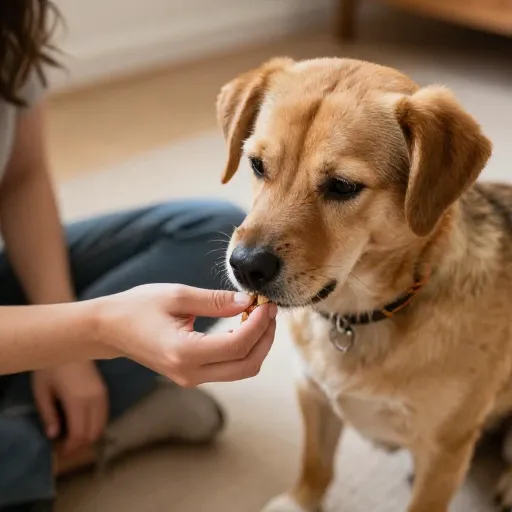
Start small: hold out a treat, palm open. Wait for them to take it gently. That choice builds confidence and trust in you.
3. Be Predictable With Routines
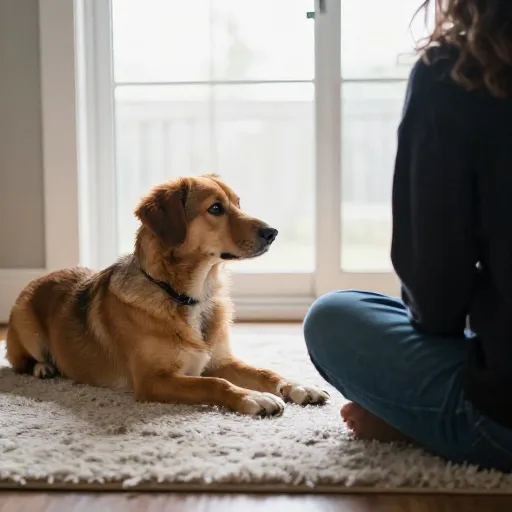
Dogs find comfort in knowing what comes next. I keep feeding, walks, and bedtime roughly the same each day. It sounds simple, but it’s powerful.
When a dog knows you’ll feed them at 7 AM, walk them after work, and cuddle on the couch at night, they relax. Uncertainty creates anxiety. Predictability builds trust.
Even small rituals—like a specific word before meals or a pat before leaving—help your dog feel secure.
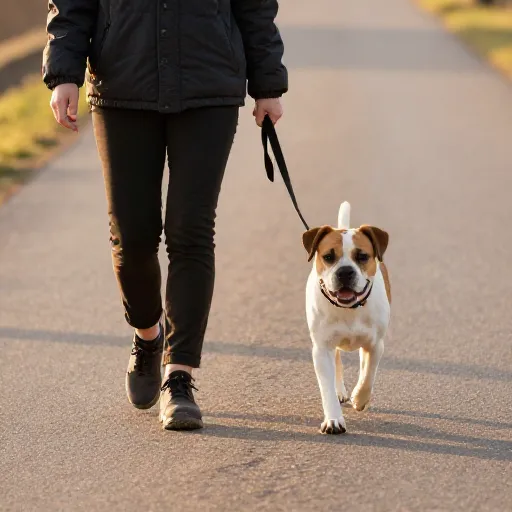
4. Use Gentle, Positive Training
I never use force, yelling, or punishment. That breaks trust fast. Instead, I reward the behaviors I want to see more of—a sit, a calm greeting, a soft eye contact.
When my dog makes a mistake, I ask myself why. Was I unclear? Was she scared? Then I adjust. Training becomes a game we play together, not a power struggle.
Keep sessions short, fun, and full of treats. Your dog will start offering behaviors just to earn your happy reaction.
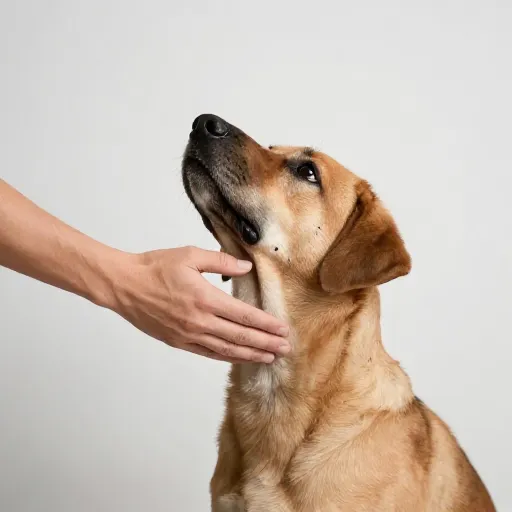
5. Respect Their Space
Every dog needs a safe zone—a crate, a bed, a corner. I never reach into that space to grab them. If my dog retreats there, I leave her alone. That’s her sanctuary.
I also watch for “please stop” signals: lip licking, yawning, turning away. When I see them, I back off. This teaches my dog that I listen, which builds deep trust over time.
Try this: give your dog a cozy spot that no one bothers. Let them choose when to come out.

6. Be a Safe Leader on Walks
Walks are about teamwork, not control. I keep the leash loose, let my dog sniff, and avoid yanking or jerking. When she stops to investigate a scent, I wait.
If something scary appears—a loud truck, another dog—I stay calm and keep moving. My dog looks to me for cues. If I’m relaxed, she feels safe. That’s trust in action.
Dogs who trust you will check in with you during walks. They know you’ve got their back.
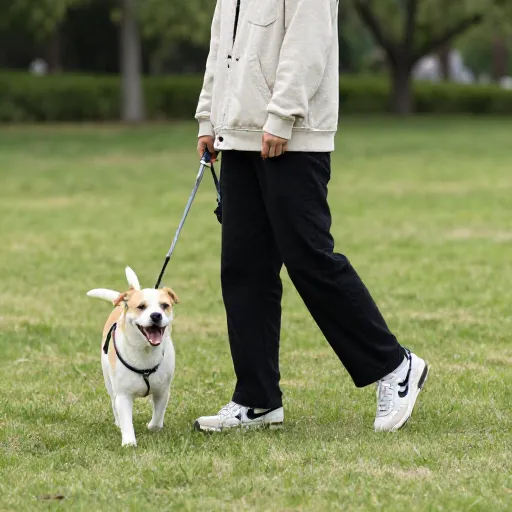
7. Play on Their Terms
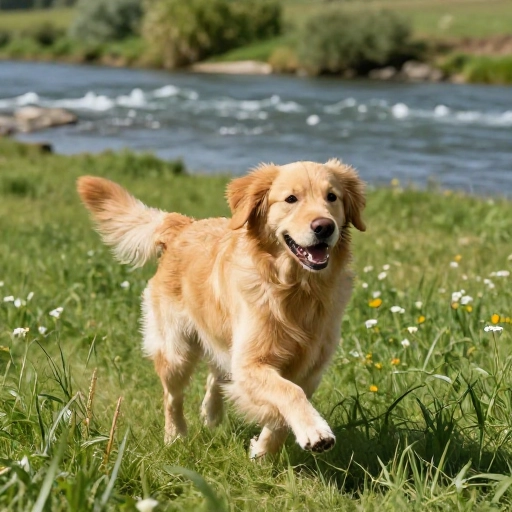
Some dogs love fetch. Others prefer tug or chasing bubbles. I let my dog choose the game. If she brings me a toy, I engage. If she lies down, I stop.
I also let her win sometimes. In tug, I let go and celebrate. That builds confidence and shows her I’m not a competitor—I’m her partner.
Play should feel joyful, not pressured. Follow your dog’s lead and keep it fun.
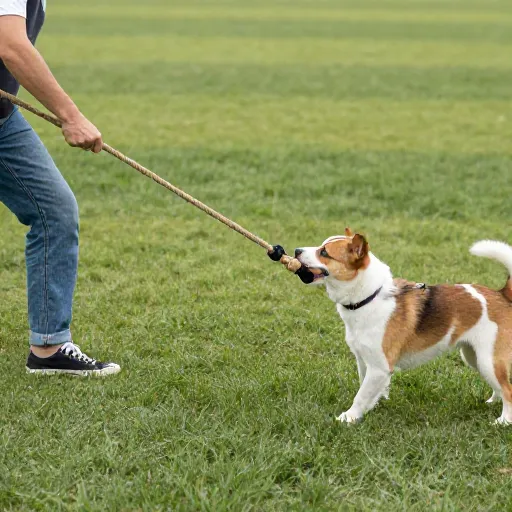
8. Hand-Feed Sometimes
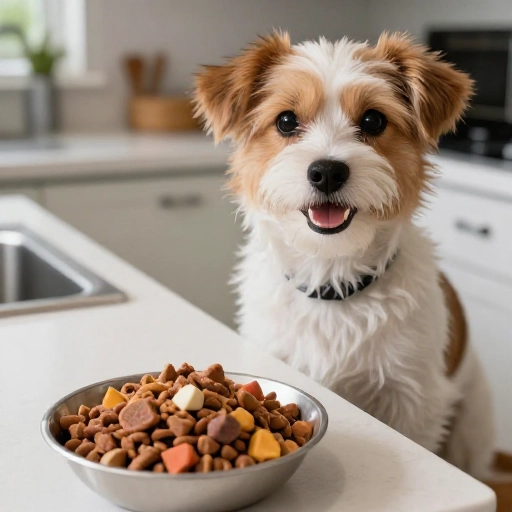
Hand-feeding is a powerful trust exercise. Once a week, I feed my dog’s meal from my palm, one kibble at a time. She has to take it gently, and we both slow down.
This works wonders for resource guarding or shy dogs. It tells them: “I give you food. You don’t have to guard it.”
If your dog is nervous, start with high-value treats, not their full meal. Let them approach you.
9. Listen to Their Body Language
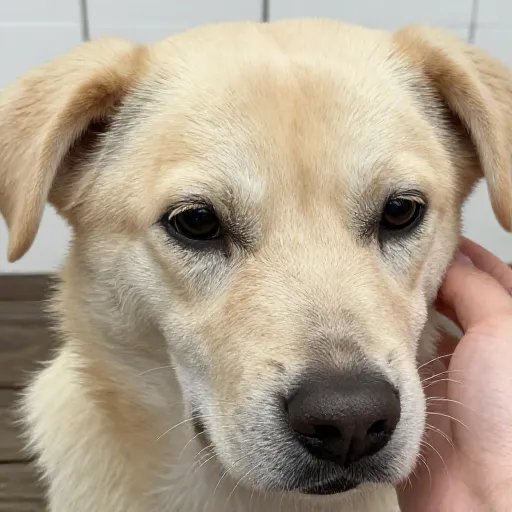
Trust comes from understanding. I’ve learned to read my dog’s signals: a stiff tail means nervous, a soft mouth means relaxed, whale eye means stress.
When I respond to those signals—by stopping a petting session or giving more space—my dog learns I’m paying attention. That builds trust better than any trick.
Spend time just watching your dog. Notice their ears, eyes, tail. You’ll start to speak their language.
10. Be Patient With Setbacks
Trust isn’t built in a straight line. Some days your dog will be brave, other days scared. That’s okay. I don’t push when my dog regresses. I just stay consistent and kind.
If your dog flinches at your hand, don’t take it personally. Go slower. Offer a treat. Celebrate small steps. Over time, those steps add up.
Patience is the most trust-building thing you can offer. Your dog will feel it.
Final Thoughts on Building Trust With Your Dog
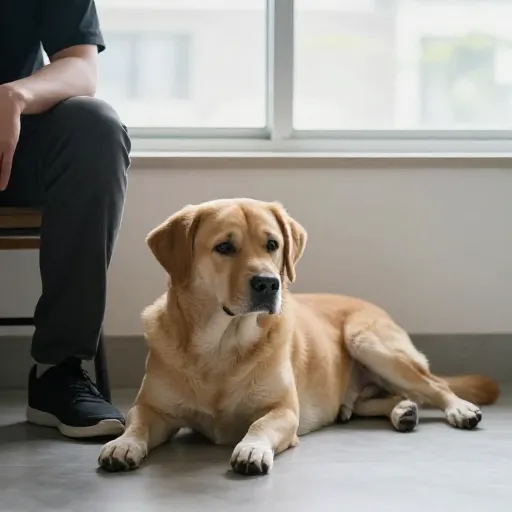
Trust isn’t a destination. It’s something you practice every day in small ways—a soft voice, a patient pause, a gentle hand. When you show your dog respect, they give you their heart in return.
Don’t rush. Let your dog set the pace. That’s how real bonds are made.
Frequently Asked Questions
1. How long does it take to build trust with a rescue dog?
It varies. Some dogs open up in weeks, others take months. Go at your dog’s pace and stay consistent.
2. Can I build trust with an older dog?
Absolutely. Older dogs can learn to trust again. Patience and gentle routines work wonders at any age.
3. What if my dog is scared of me?
Move slowly, avoid direct eye contact, and let them come to you. Hand-feeding treats can help a lot.
4. Is it bad to pick up my dog?
Some dogs dislike being lifted. Watch their body language. If they tense up or pull away, respect that and try other ways to connect.
5. How do I know if my dog trusts me?
Signs include: loose body language, soft eye contact, leaning into you, following you around, and relaxing near you. Trust feels easy.