How to Choose Dog Shampoo for Your Dog’s Coat and Skin: 10 Expert Tips for Itchy, Dry, and Smelly Pups
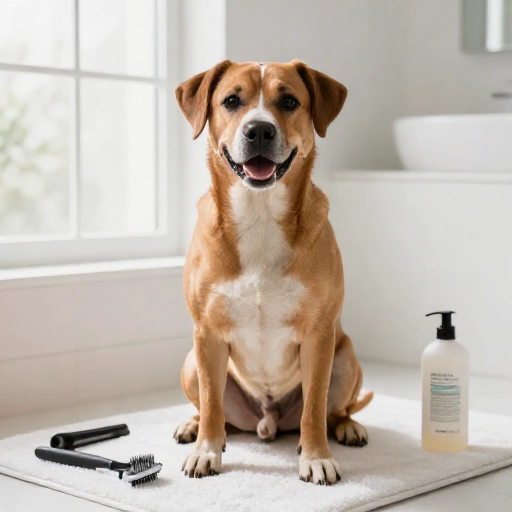
I still remember the day my dog, Max, scratched himself raw after a bath. I thought I was doing him a favor with a fancy-smelling shampoo, but his skin told a different story. That’s when I realized: choosing the right dog shampoo isn’t just about cleaning—it’s about caring for their coat and skin.
With so many bottles on the shelf, it’s easy to get overwhelmed. But once you know what to look for, it becomes second nature. In this guide, I’ll walk you through exactly how to pick the best dog shampoo for your pup’s unique needs.
Whether your dog has a thick double coat, sensitive skin, or a tendency to roll in everything smelly, there’s a perfect formula out there. Let’s find it together.
1. Know Your Dog’s Coat Type
Every dog’s coat is different, and what works for a poodle won’t necessarily work for a husky. Start by identifying your dog’s coat type: short, double, curly, wire, or hairless.
Double-coated breeds like German Shepherds need a shampoo that won’t strip their natural oils, which can lead to dry, flaky skin. Curly coats, like poodles, benefit from moisturizing formulas that help prevent mats and tangles.
Wire-haired dogs often need a shampoo that adds texture, while short-haired dogs usually do well with a gentle, everyday formula. Hairless breeds need extra hydration and sun protection.
2. Understand Your Dog’s Skin
Dog skin is not the same as human skin. It’s thinner, more sensitive, and has a different pH balance. That’s why using your own shampoo is a big no-no.
Pay attention to your dog’s skin condition. Is it dry and flaky? Oily and smelly? Red and itchy? These clues tell you what to look for in a shampoo.
For sensitive or allergy-prone skin, choose fragrance-free and hypoallergenic options. For oily skin, look for gentle degreasing ingredients like tea tree oil (diluted) or salicylic acid.
3. Read the Ingredients List Like a Pro
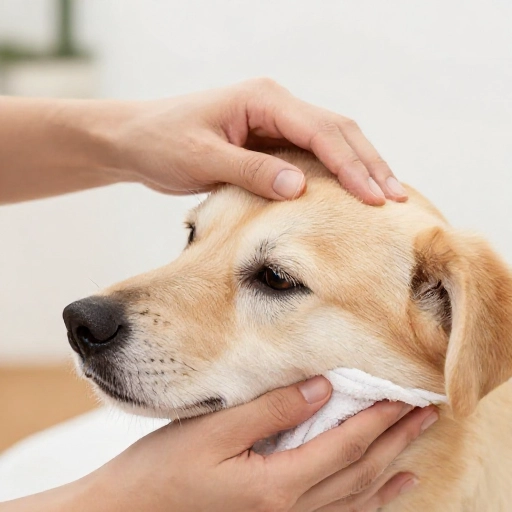
Flip that bottle over and scan the ingredients. If you see sulfates (like sodium lauryl sulfate), parabens, artificial dyes, or synthetic fragrances, put it back. These can irritate your dog’s skin and strip away natural oils.
Instead, look for gentle surfactants derived from coconut or sugar. Natural preservatives like vitamin E or rosemary extract are better than harsh chemicals.
Remember: dogs have a powerful sense of smell, so strong perfumes can be overwhelming. Unscented or naturally scented options are usually best.
4. Look for Skin-Soothing Ingredients
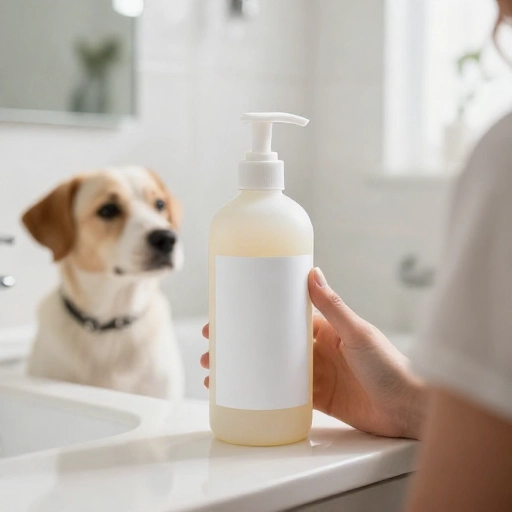
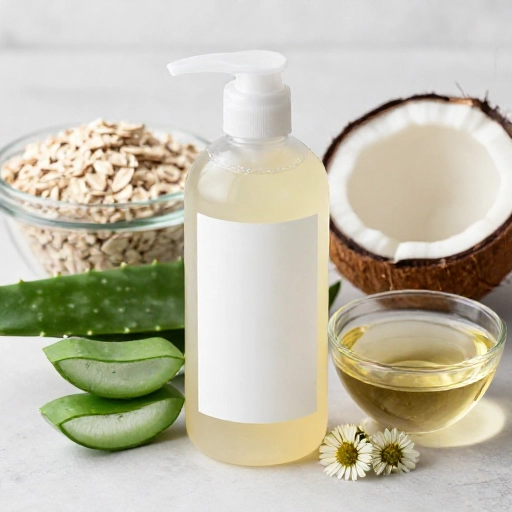
The best dog shampoos contain ingredients that calm and nourish the skin. Oatmeal is a classic—it reduces itching and inflammation. Aloe vera, chamomile, and calendula are also great for soothing irritated skin.
For dry coats, look for coconut oil, shea butter, or jojoba oil. These add moisture without leaving a greasy residue. If your dog has allergies, colloidal oatmeal or ceramides can help repair the skin barrier.
Bonus: some shampoos include omega-3 fatty acids to promote a shiny, healthy coat. Just make sure the ingredients are dog-safe.
5. Consider pH Balance
Human skin is acidic (pH around 5.5), but dog skin is closer to neutral (pH 6.5 to 7.5). Using human shampoo can disrupt their skin’s protective barrier, leading to dryness, itching, and infections.
Always choose a shampoo specifically formulated for dogs. It will be pH-balanced to match their skin, keeping it healthy and comfortable.
If your dog has a skin condition, your vet might recommend a prescription shampoo with a specific pH to treat the issue.
6. Match Shampoo to Coat Needs
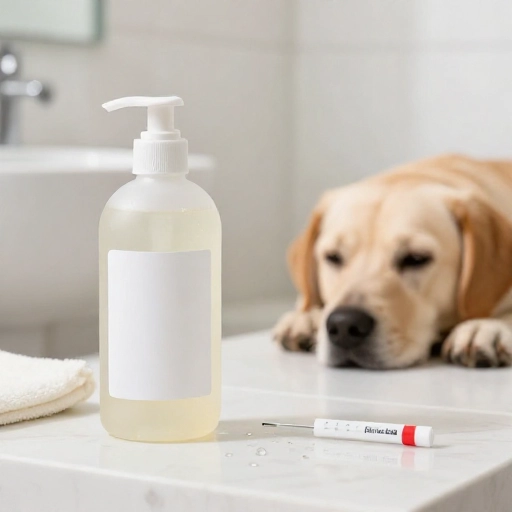
Now that you know your dog’s coat and skin, match the shampoo to their specific needs. Here’s a quick cheat sheet:
- Moisturizing: for dry, brittle coats
- Degreasing: for oily, smelly coats
- Whitening: for white or light-colored coats
- Detangling: for curly or long coats
- Deodorizing: for dogs who love to roll in stinky stuff
Don’t just grab the first bottle you see. Read the label and make sure it’s designed for your dog’s coat type.
7. Medicated vs. Regular Shampoo
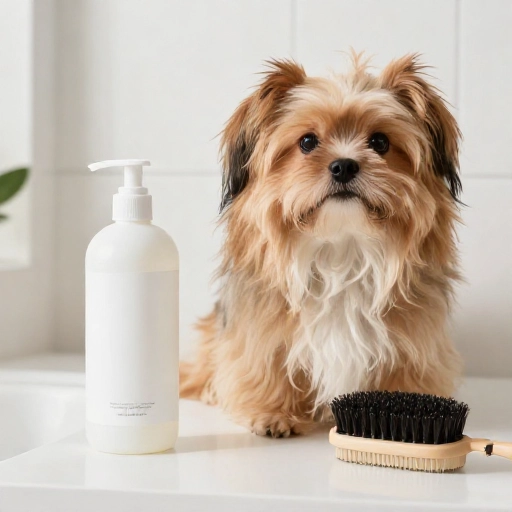
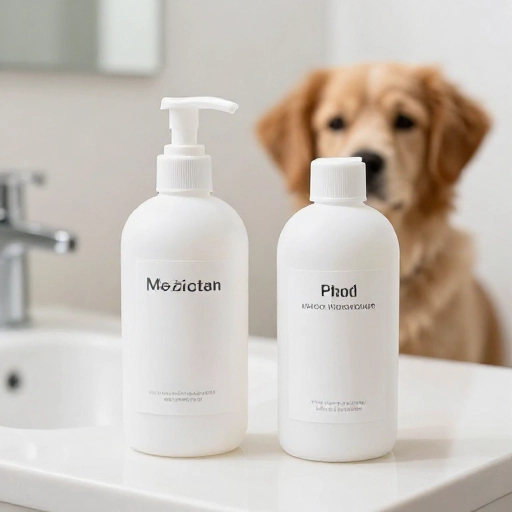
If your dog has a skin infection, yeast overgrowth, or parasites, a regular shampoo won’t cut it. Medicated shampoos contain active ingredients like chlorhexidine, ketoconazole, or benzoyl peroxide to treat specific conditions.
But don’t self-prescribe. Medicated shampoos can be harsh and should only be used under veterinary guidance. Using the wrong one can make things worse.
For everyday cleaning and maintenance, stick with a gentle, regular dog shampoo. Save the medicated stuff for when your vet gives the green light.
8. Puppy Shampoo: Extra Gentle Formulas
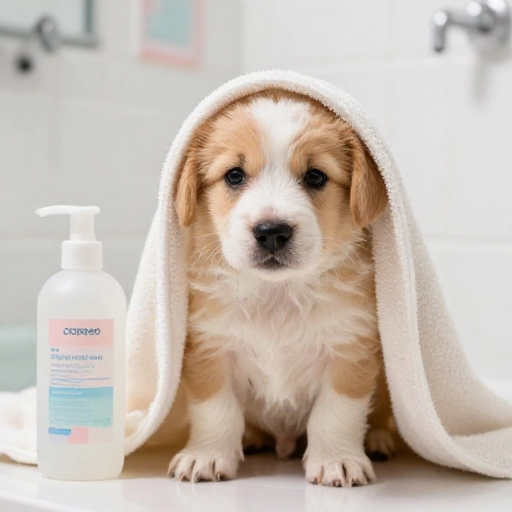
Puppies have delicate skin and a developing coat. Their immune systems are still maturing, so harsh chemicals can cause big problems. Always choose a shampoo labeled for puppies.
Look for tear-free, hypoallergenic formulas with natural ingredients. Avoid anything with strong fragrances or essential oils, which can be toxic to young dogs.
Also, don’t bathe your puppy too often. Once every 4-6 weeks is usually enough, unless they get into something messy. And always consult your vet before the first bath.
9. Test for Allergies and Sensitivities
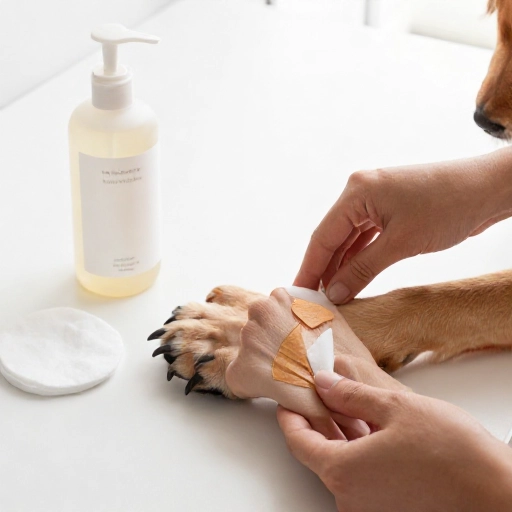
Even natural ingredients can trigger allergies in some dogs. Before lathering up your whole dog, do a patch test. Apply a small amount of diluted shampoo to a small area on their back or leg.
Wait 24 hours and watch for redness, itching, swelling, or hives. If you see any reaction, rinse it off and don’t use that shampoo again.
If your dog has a history of allergies, introduce new shampoos one at a time and keep a log of any symptoms. This helps you pinpoint the culprit.
10. Frequency of Bathing & Dilution Tips
How often should you bathe your dog? It depends on their coat, lifestyle, and skin condition. Most dogs do well with a bath every 4-8 weeks. Over-bathing strips natural oils and can cause dryness and itching.
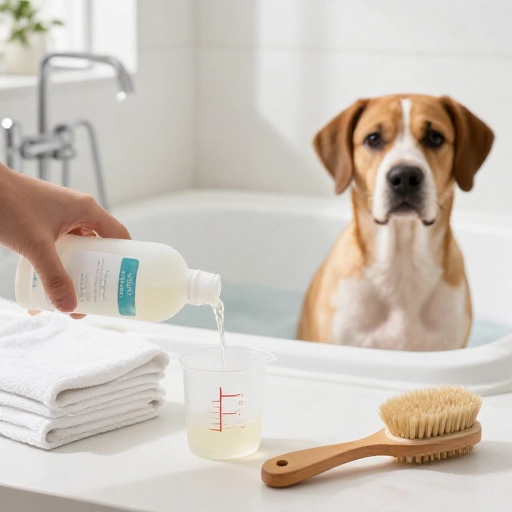
Always dilute your shampoo according to the bottle instructions. This helps it spread evenly and rinse out completely. A good rule of thumb is 1 part shampoo to 4 parts water, but check the label.
Use lukewarm water, avoid getting soap in their eyes and ears, and rinse until the water runs clear. A thorough rinse is key to preventing irritation.
Conclusion
Choosing the right dog shampoo doesn’t have to be a guessing game. By understanding your dog’s coat type, skin condition, and specific needs, you can pick a formula that keeps them clean, comfortable, and happy.
Remember to read ingredients, avoid harsh chemicals, and always do a patch test when trying something new. When in doubt, ask your vet for recommendations tailored to your pup.
A little extra thought goes a long way—your dog’s healthy, shiny coat will thank you.
Frequently Asked Questions
Q: Can I use human shampoo on my dog?
A: No, human shampoo is too acidic for dogs and can disrupt their skin barrier, leading to dryness and irritation. Always use dog-specific shampoo.
Q: How often should I bathe my dog?
A: Every 4-8 weeks is generally sufficient for most dogs. If your dog has a skin condition, your vet may recommend a different schedule.
Q: What if my dog has sensitive skin?
A: Choose a hypoallergenic, fragrance-free shampoo with soothing ingredients like oatmeal or aloe. Always do a patch test first.
Q: Are medicated shampoos safe for regular use?
A: Only use medicated shampoos as directed by your vet. They can be harsh and are meant for specific conditions, not routine bathing.
Q: Can I make my own dog shampoo?
A: Some DIY recipes use gentle ingredients like castile soap and oatmeal, but it’s tricky to get the pH right. Commercial dog shampoos are safer and more reliable.