6 Moisture-Rich Cat Food Recipes Your Feline Will Love
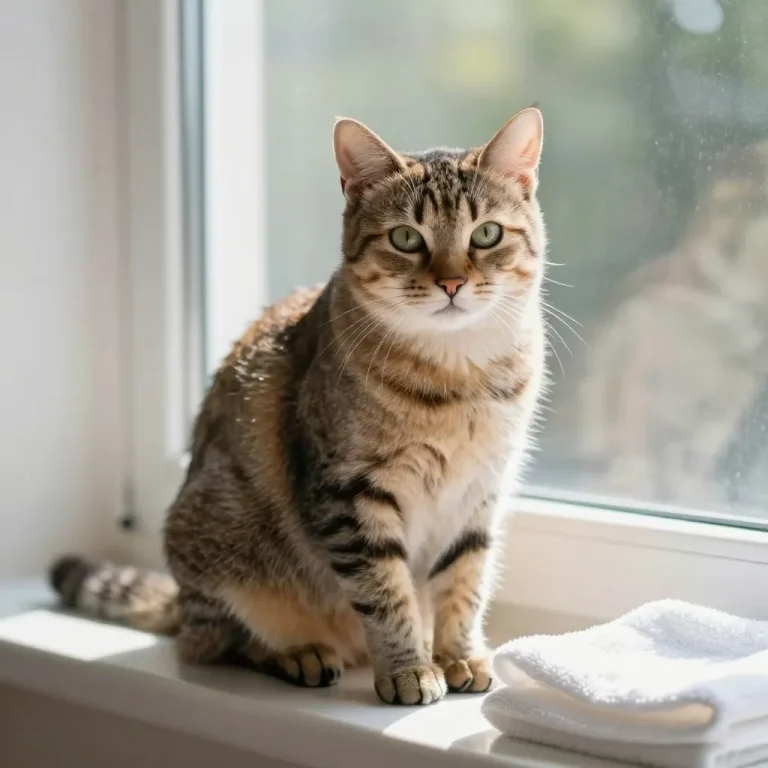
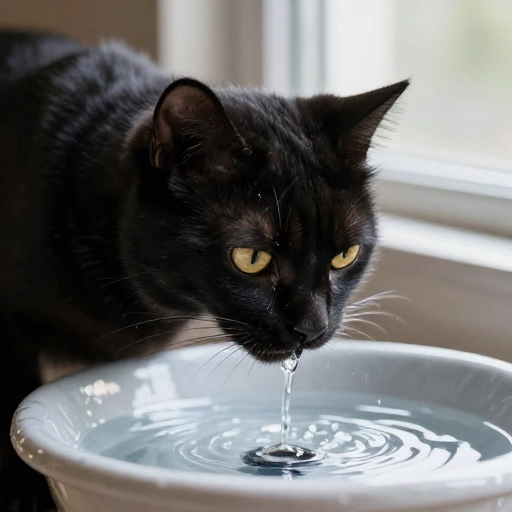
Let’s be real—getting a cat to drink enough water is like trying to teach a goldfish to climb a tree. Most kitties just aren’t big sippers, and that can lead to all sorts of trouble down the road. I’ve learned that the sneakiest way to keep them hydrated is through their food. That’s why I started whipping up these moisture-rich recipes at home.
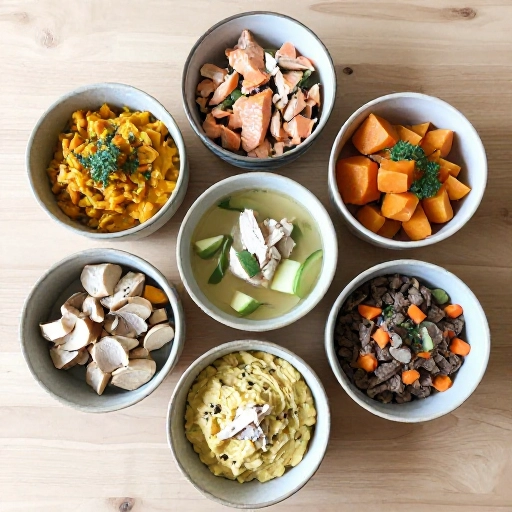
These six recipes are packed with juicy goodness and real ingredients. They’re simple to make, gentle on your wallet, and your cat will think you’re a kitchen wizard. Whether you have a picky princess or a food-motivated goofball, there’s a recipe here they’ll adore. Ready to get cooking?
Why Moisture-Rich Food Matters for Cats
Cats evolved in the desert, so their natural thirst drive is pretty low. This means they often don’t drink enough from a bowl, putting them at risk for urinary tract issues and kidney problems. Wet food mimics their natural prey, which is about 70% water. By adding moisture to every meal, you’re supporting their kidneys, bladder, and overall energy. Think of it as a tasty health insurance policy.
Gear You’ll Need in the Kitchen
You don’t need fancy gadgets. A good blender or food processor makes life easier, especially for pâté-style recipes. Grab a medium saucepan, a steamer basket or a small pot for boiling, and some airtight storage containers (glass is best). A silicone spatula helps scrape every last bit of goodness. That’s it—no special cat cooking equipment required.
Recipe 1: Chicken & Pumpkin Puree
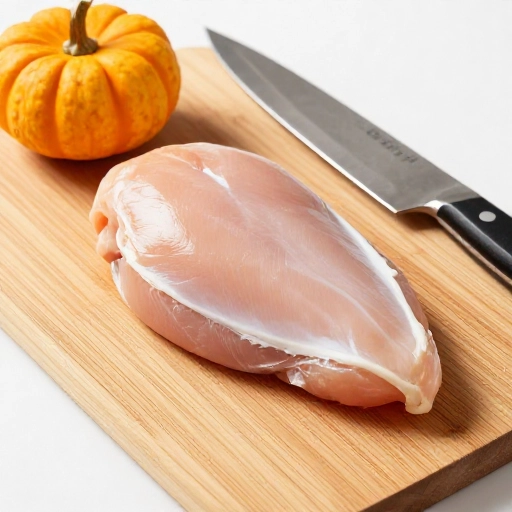
This is my go-to for picky eaters. Boil one boneless, skinless chicken breast until fully cooked (about 15 minutes). In a blender, combine the shredded chicken with 1/4 cup of plain canned pumpkin (not pie filling!) and 1/2 cup of the leftover cooking water. Blend until smooth. The pumpkin is a fiber superstar for digestion, and the water makes it a hydration bomb.
Recipe 2: Salmon & Sweet Potato Stew
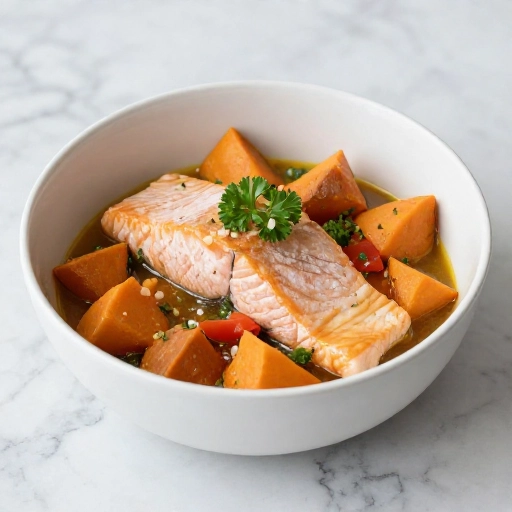
Salmon is packed with omega-3s for a shiny coat. Steam a small sweet potato until soft. In a pot, gently poach a 4-ounce salmon fillet in water until flaky. Mash the sweet potato and flake the salmon, then mix with enough poaching water to create a soupy stew. Let it cool completely before serving. Your cat will hear the can opener from across the house.
Recipe 3: Turkey & Zucchini Broth Bowl
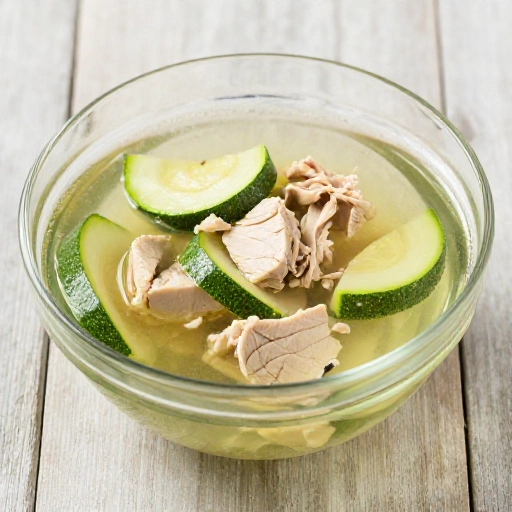
This one is ultra-hydrating. Simmer 1/2 pound of ground turkey in 2 cups of water, breaking it up with a spoon. Add 1/2 cup of finely grated zucchini and cook for 5 more minutes. The zucchini adds moisture without changing the flavor much. This recipe is like a warm hug in a bowl, perfect for cold days or senior cats who need extra liquid.
Recipe 4: Beef & Carrot Pâté
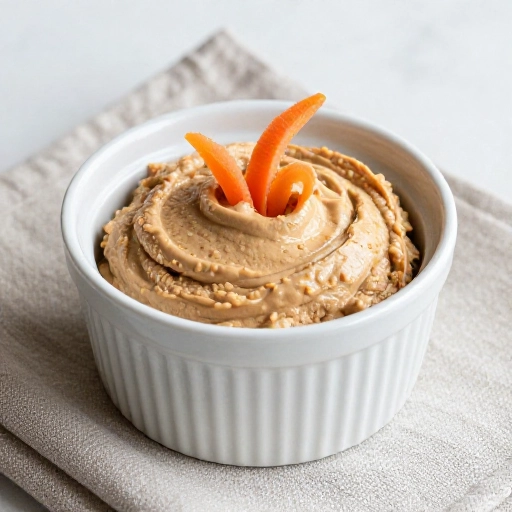
Use lean ground beef for this one. Brown the beef in a pan, then drain any excess fat. Boil one small carrot until tender. Blend the cooked beef, carrot, and 1/3 cup of warm water into a smooth pâté. This recipe is great for cats who love a meaty, spreadable texture. I often press it into silicone molds for easy portioning.
Recipe 5: Egg & Spinach Scramble
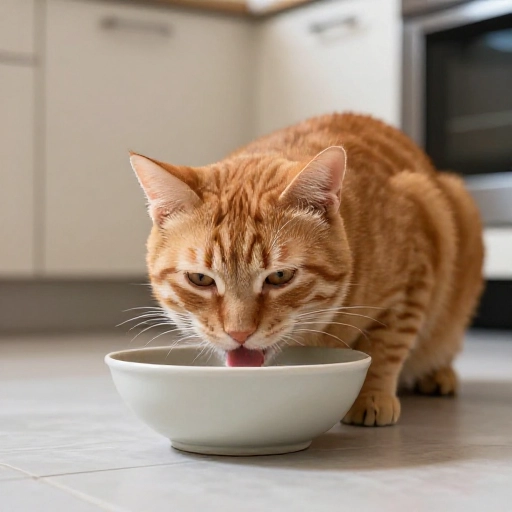
Yes, cats can have eggs! Whisk one egg with a splash of water. Cook it in a non-stick pan over low heat, stirring gently until just set. Finely chop a few steamed spinach leaves and mix in. The egg is pure protein, and the spinach offers a tiny nutrient boost. This is a quick treat, not a full meal replacement, but it’s packed with moisture.
[[IMG:IMG08]]
Recipe 6: Tuna & Oatmeal Porridge
This is a weird but wonderful combo. Cook 2 tablespoons of rolled oats in 1 cup of water until soft and mushy. Drain a can of tuna packed in water (no salt added). Flake the tuna and stir it into the warm oatmeal. The oats add a creamy texture that cats seem to love, and it’s another sneaky way to get liquid into them.
[[IMG:IMG09]]
How to Make These Recipes Safely
Always use human-grade, fresh ingredients. Never use onions, garlic, or excessive salt—they’re toxic to cats. Cook all meats thoroughly to kill bacteria. Let everything cool to room temperature before serving (test with your finger). Store leftovers in the fridge for up to three days, or freeze in ice cube trays for easy single servings. Always introduce new foods slowly to avoid tummy upsets.
[[IMG:IMG10]]
Conclusion: A Hydrated Cat Is a Happy Cat
Making your own cat food doesn’t have to be complicated. These six recipes are a simple way to boost your cat’s water intake while giving them real, wholesome food. Start with one recipe and see how your cat reacts. You’ll feel good knowing exactly what’s in their bowl, and they’ll feel great with a happy, hydrated belly. Give it a try—your kitty will thank you with extra purrs.
[[IMG:IMG11]]
Frequently Asked Questions
Can I use canned pumpkin instead of fresh?
Yes, plain canned pumpkin is perfect. Just make sure it’s 100% pumpkin with no added sugar or spices. Never use pumpkin pie filling.
How much homemade food should I feed my cat?
Start by replacing one meal a day with a homemade recipe. A typical cat needs about 2-3 ounces per meal, but check with your vet for your cat’s specific needs.
Can I mix these recipes with dry food?
Absolutely. Drizzle a little broth or pâté over their kibble. It adds moisture and makes dry food more appealing. Just don’t let it sit out too long.
How long does homemade cat food last in the fridge?
Store it in an airtight container for up to three days. For longer storage, freeze portions and thaw in the fridge overnight before serving.
My cat didn’t like the first recipe. What now?
Don’t give up. Cats can be picky. Try a different protein or texture. Mix a tiny bit with their current food and gradually increase the amount over a week.
[[IMG:IMG12]]