How to Stop Dog Barking: 10 Gentle Ways That Actually Work

I remember the first time my neighbor knocked on my door to ask about my dog’s barking. My heart sank. I felt like a bad pet parent, and honestly, I was exhausted. Barking is how dogs talk to us, but when it becomes constant, it can feel overwhelming.
The good news? You don’t need to silence your dog completely. You just need to understand what they’re saying and teach them a calmer way to respond. I’ve tried so many methods over the years, and I’m sharing the ones that truly made a difference in my home.
These are gentle, practical strategies that respect your dog’s nature while keeping your peace. No shock collars, no yelling, just real connection and consistency.
1. Identify the “Why” Behind the Bark
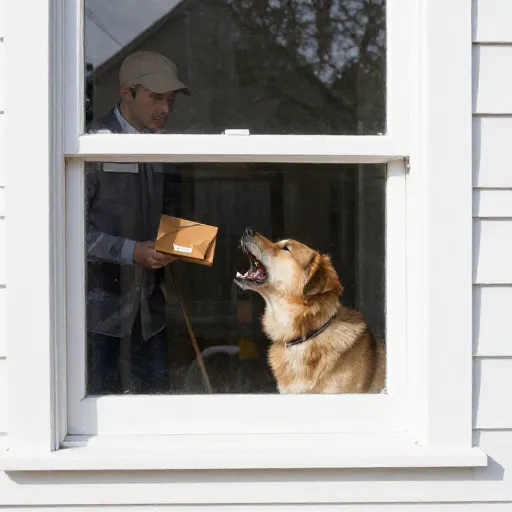
Before you can fix the barking, you need to know what’s causing it. Is your dog bored? Scared? Excited? Dogs bark for different reasons, and each one needs a different solution.
I started keeping a little mental note of when my dog barked most. Was it the mailman? Other dogs on walks? When I left the house? Once I figured out the pattern, I felt like I had a map.
Barking is a symptom, not the problem. Treat the root cause, and the barking will naturally fade.
2. Give Them More Physical Exercise
A tired dog is a quiet dog. I cannot tell you how many times I thought my dog was being “bad,” but she was really just bored and full of energy.
If your dog is barking at every little sound, try adding an extra walk or a longer play session. Even 15 minutes of fetch can make a huge difference. For high-energy breeds, consider jogging or hiking.
When their body is tired, their mind is calmer. And a calm dog has less to say.

3. Offer Mental Stimulation
Physical exercise is important, but mental games are just as powerful. A dog that’s thinking hard doesn’t have time to bark at the fence.
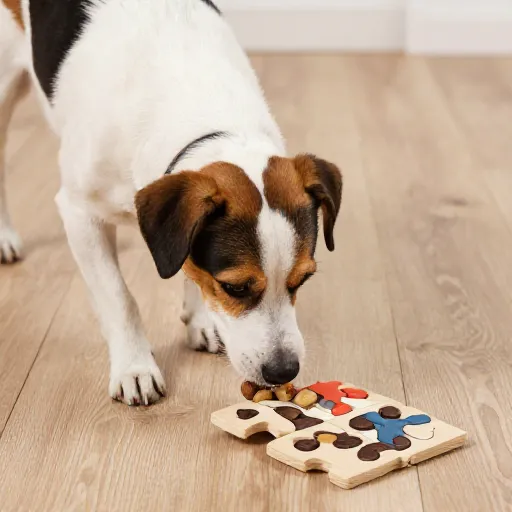
I love using puzzle toys, snuffle mats, and simple training games like “find the treat.” Even 10 minutes of nose work can leave my dog happily exhausted.
Try hiding a few treats around the house and letting your dog sniff them out. It’s simple, fun, and it works wonders for curbing attention-seeking barks.
4. Teach the “Quiet” Command
This one takes patience, but it’s a lifesaver. Start when your dog is already calm. Say “quiet” in a low, calm voice, and the second they stop barking (even for a breath), reward them with a treat.
I practiced this in short sessions, maybe three minutes at a time. At first, my dog would bark and I’d wait for that tiny pause. Over a week, that pause got longer.
Now when I say “quiet,” she usually stops, looks at me, and waits for her treat. It’s not perfect, but it’s so much better than shouting over her.

5. Manage Their Environment
Sometimes the easiest fix is to block the trigger. If your dog barks at people passing by the window, close the curtains or use a privacy film. If they bark at the doorbell, practice having a friend ring it while you reward calm behavior.
I put a comfy bed in a quieter room where my dog can’t see the street. She goes there when she needs a break from all the action. It’s not punishment, it’s a cozy retreat.
Managing their environment takes effort upfront, but it saves you from constant “shushing” later.

6. Stay Calm and Don’t Yell
I know how tempting it is to shout “quiet!” when you’re frustrated. But here’s the thing: your dog thinks you’re barking with them. Yelling often makes them bark more, because they think you’re joining in.
Instead, take a deep breath and use a calm, steady voice. I’ve noticed that when I stay relaxed, my dog picks up on that energy. She settles faster.
Think of yourself as the calm leader. If you’re panicked, they’ll be panicked too.
7. Use Positive Reinforcement for Silence
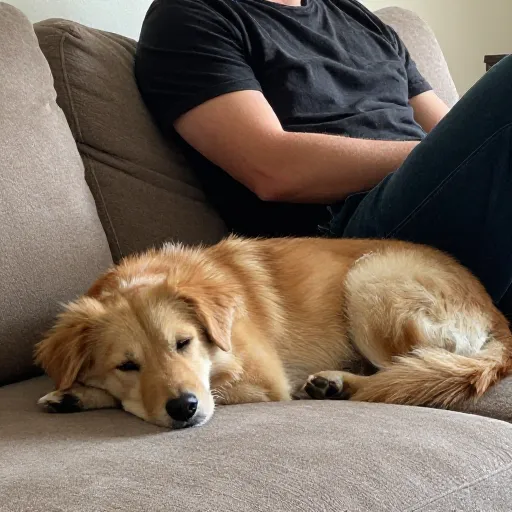
We often only pay attention to our dogs when they’re being noisy. But what about when they’re quiet? I started randomly dropping treats when my dog was just lying there peacefully.
This teaches them that silence pays off. It’s called “capturing calmness.” Over time, my dog started choosing to be quiet more often, because she knew good things happened when she was still.
It feels a little silly at first, but it really works. You’re basically rewarding the behavior you want to see more of.

8. Desensitize Them to Triggers
If your dog barks at a specific thing (like the vacuum cleaner or other dogs), you can slowly get them used to it. Start at a distance where they notice the trigger but don’t bark yet. Reward them for staying calm.
I did this with my dog and the doorbell. I played a doorbell sound on my phone very quietly, gave her a treat, and slowly turned up the volume over a few days. It took time, but now she barely reacts.
Go slow. If your dog starts barking, you moved too fast. Back up and try again later.
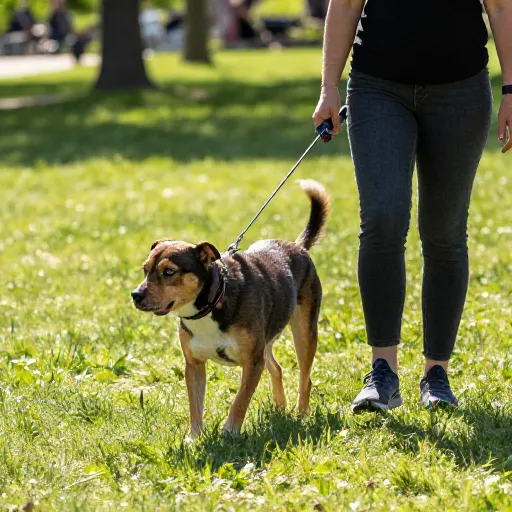
9. Avoid Punishment-Based Tools
I know some people recommend shock collars or spray collars, but I’ve never felt good about them. They can make a dog fearful or anxious, and that often makes the barking worse in the long run.
Instead, focus on building trust. Dogs bark because they’re trying to communicate. Punishing them for talking can damage your bond. There are so many kind, effective methods that don’t involve pain or fear.
You want your dog to be quiet because they feel safe, not because they’re scared of what will happen if they make a sound.

10. Be Consistent and Patient
This is the hardest part for me. There were days I felt like nothing was working. But dogs learn through repetition, not perfection. If you change your rules every week, your dog will be confused.
Pick one or two methods and stick with them for at least two weeks. Keep a routine. If you live with other people, make sure everyone uses the same commands and rewards.
Progress might be slow, but it will come. I promise. One day you’ll realize your house is quieter, and your dog is happier too.

Conclusion: You’ve Got This
Stopping your dog from barking isn’t about turning them into a robot. It’s about understanding their needs and teaching them a better way to cope. Every dog is different, so don’t be afraid to mix and match these ideas until you find what clicks.
Be kind to yourself and your pup. You’re both learning. And honestly, that little wagging tail is worth every bit of effort.
[[IMG:IMG12]]
FAQ: Your Barking Questions Answered
Q: Is it normal for dogs to bark a lot?
Some barking is normal, but excessive barking usually means something is off. It could be boredom, anxiety, or a need for more exercise. If it feels constant, it’s worth looking into.
Q: Can I stop barking in just one day?
Not really. Barking is a learned behavior, and changing it takes time. Be patient and consistent. Most dogs show improvement within a week or two of dedicated practice.
Q: Should I use a bark collar?
I don’t recommend them. They can cause fear and anxiety. Positive training methods are safer and build a stronger bond with your dog.
Q: What if my dog barks when I leave the house?
That might be separation anxiety. Try leaving for very short periods and building up slowly. Puzzle toys and a safe space can help them feel more secure when you’re gone.
Q: Does my dog bark just to annoy me?
No! Dogs don’t bark to be spiteful. They’re trying to tell you something—fear, excitement, boredom, or a need. Once you understand the message, you can help them feel better.