How Dogs Behave Before They Die: What I’ve Learned as a Dog Owner

Losing a dog is one of the hardest things we go through. When I first faced this with my old golden retriever, I had no idea what to expect. I spent hours reading, watching, and just sitting with her, trying to understand what she was telling me.
Dogs can’t say goodbye with words. But their bodies and actions speak loudly. Learning the signs helped me prepare, comfort her, and find peace in those final days. I want to share what I’ve seen and learned so you can be there for your dog too.
Remember, every dog is different. Some show clear signs, others hide them. Always trust your gut and your vet.
They Lose Interest in Food and Water
One of the first changes I noticed was that my dog stopped caring about meals. Even her favorite treats sat untouched. It’s not just pickiness—it’s their body slowing down.
They might drink less water too. This can happen days or even weeks before the end. Don’t force them to eat. Offer soft, smelly foods like warm chicken or broth, but don’t stress if they refuse.
If they’re completely stopping drinking, talk to your vet about hydration options.

They Become Very Tired and Sleepy
My dog started sleeping almost all day. She’d wake up briefly, then go right back to sleep. It wasn’t laziness—her body was conserving energy.
You might notice they’re harder to wake up or seem “out of it.” They may not want to play or go for walks. That’s okay. Let them rest. Your presence nearby is more comforting than any activity.
Some dogs even sleep in unusual positions or spots. I found mine curled up in a closet once.

They Withdraw or Seek Extra Closeness
This one surprised me. Some dogs want to be alone. Others, like mine, wanted to be touching me constantly.
Your dog might hide under furniture, go to a quiet corner, or stay outside alone. Or they might follow you everywhere, rest their head on your lap, and not leave your side.
Both reactions are normal. Let them choose. Don’t force cuddles if they want space.

Their Breathing Changes
In the final days, breathing can become shallow, irregular, or noisy. I remember counting her breaths—they were so light I thought she wasn’t breathing at all.
You might see long pauses between breaths, or rapid panting even when they’re resting. This can be unsettling, but it’s part of the process.
Keep the room calm. Soft music or a dim light can help both of you feel less anxious.

They Have Trouble Moving or Standing
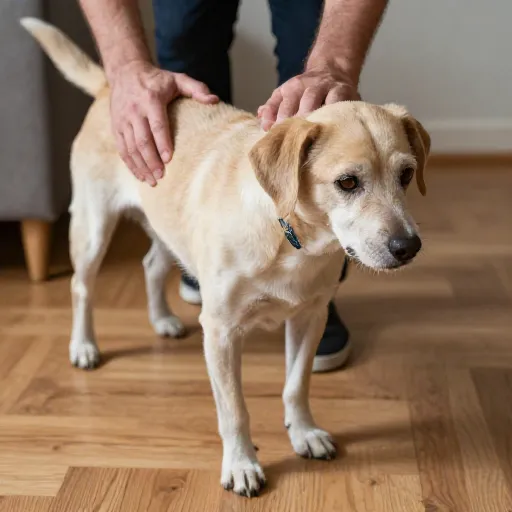
My dog’s back legs got weak. She’d stumble, slip on the floor, or just collapse when trying to stand. This happens because muscles weaken and coordination fades.
They may not be able to get up to go outside. Use pee pads or a blanket. If they seem in pain, talk to your vet about pain relief.
Helping them with a sling under their belly can give support. But sometimes they just need to lie down.
They Lose Bladder or Bowel Control
This is hard, but very common. As organs shut down, they can’t hold it anymore. My dog had accidents right on her bed.
Don’t scold them. They don’t even realize it’s happening. Lay down waterproof pads, washable blankets, and clean them gently.
It’s messy, but it’s also a sign that time is short. Just be kind.

They Become Restless or Agitated
Some dogs get restless before they pass. They might pace, circle, or seem unable to get comfortable. This can happen even if they’re very weak.
I saw my dog get up, lie down, get up again, over and over. It broke my heart. This can be from discomfort, confusion, or a natural instinct.
Try to keep them calm. Soft bedding, your gentle touch, and a quiet voice can help. If it’s severe, ask your vet about sedation.

Their Eyes Look Different
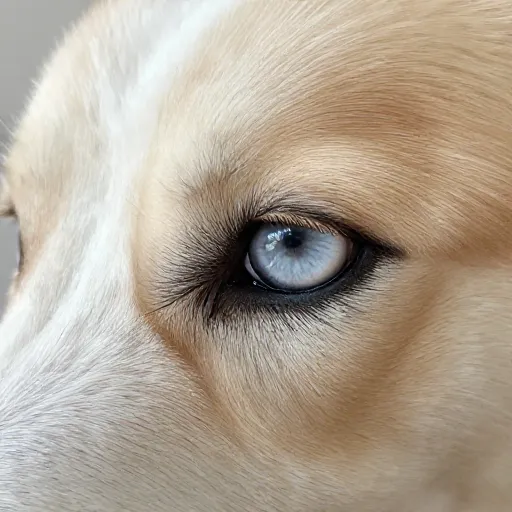
Their eyes can tell you a lot. They might look glassy, unfocused, or have dilated pupils that don’t change with light.
Some dogs develop a “stare” into the distance. Others seem to not see you clearly. Don’t take it personally—they’re just drifting.
Speak softly anyway. Your voice is familiar and soothing, even if they can’t see you.
They Refuse to Eat or Drink Completely
In the very last hours, most dogs stop eating and drinking entirely. Their body is shutting down and can’t process anything.
Don’t try to force food or water. It can cause choking or discomfort. Just wet their lips with a damp cloth if they seem dry.
This is the hardest part. Stay with them if you can. Your presence is the best medicine.

They May Have a Final “Goodbye” Moment
I don’t know how to explain this except as a gift. Some dogs seem to have a brief moment of clarity. They lift their head, look at you, wag their tail once, then go back to sleep.
It’s not a myth. I’ve heard this from many dog owners. My own dog did this. She opened her eyes, looked right at me, and gave a tiny tail wag. Then she was gone within the hour.
Cherish those moments. They are real.

Conclusion
Watching your dog decline is painful. But knowing what to expect can make you feel less helpless. You can offer comfort, dignity, and love right to the end.
Trust your vet. Trust yourself. You know your dog best. Every moment you spend with them matters more than you know.
Take photos. Talk to them. Cry if you need to. And when it’s time, let go with grace. They gave you their whole life—you can give them a peaceful goodbye.
Frequently Asked Questions
How long do these signs last before a dog dies?
It varies. Some dogs show signs for days, others only hours. The final stage (no eating, irregular breathing) usually lasts 1–3 days.
Can dogs sense they are dying?
Yes, many experts believe dogs sense their own decline. They often change behavior to cope, like hiding or seeking comfort.
Should I stay with my dog when they die?
If you can, yes. Most dogs want their person near. It comforts them. If you can’t, that’s okay—your dog knows you love them.
Is it painful for a dog to die naturally?
Not usually if it’s a peaceful passing. But some conditions cause pain. Talk to your vet about palliative care or euthanasia if your dog seems to suffer.
How do I know if it’s time to say goodbye?
When they stop eating, can’t stand, seem in pain, or have no quality of life. Your vet can guide you. Trust your heart too.