How to Groom Your Dog at Home (Without the Stress)
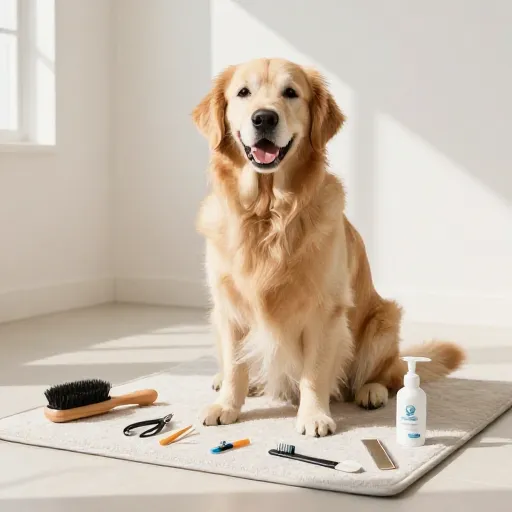
I remember the first time I tried to groom my dog at home. There was fur everywhere, my dog looked like a sheep after a bad haircut, and I found a clump of hair in my coffee three days later. But over time, I figured out what works. Grooming your dog at home isn’t just about saving money. It’s also about bonding, keeping an eye on their health, and avoiding that dreaded trip to the vet for a matted coat.
You don’t need to be a professional. You just need the right tools, a calm attitude, and a little patience. I’ve made every mistake you can imagine, so you don’t have to. Let me walk you through a simple, dog-friendly routine that actually works.
Whether you have a fluffy Golden Retriever or a short-haired Chihuahua, these steps will help you keep your pup looking and feeling great. Grab your brush, some treats, and let’s get started.
1. Gather Your Tools Before You Start
Nothing ruins a grooming session like realizing you forgot the comb halfway through. Trust me, I’ve been there. Your dog will get restless, and you’ll end up with a half-brushed, grumpy pup.
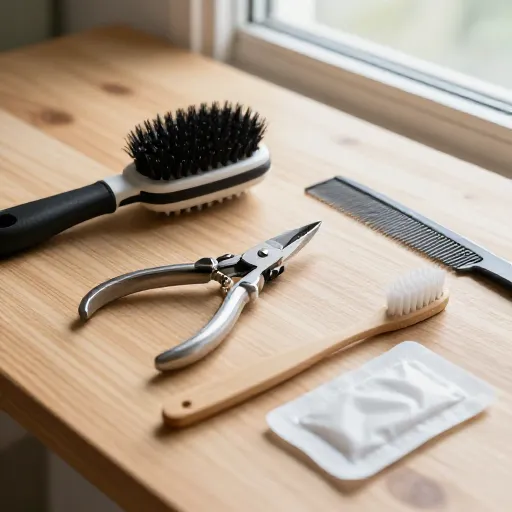
- A slicker brush for removing loose fur and tangles
- A metal comb for detailing and checking for mats
- Dog-safe shampoo and conditioner (never use human products)
- Nail clippers or a grinder made for dogs
- Cotton balls and ear cleaner
I also keep a towel and a non-slip mat handy. The mat helps my dog feel secure and stops him from sliding around. Lay everything out within reach before you call your dog over. This small prep step makes the whole experience smoother for both of you.
2. Brush First, Always
I used to skip brushing and go straight to the bath. Big mistake. Wet fur with tangles turns into impossible mats. Brushing first removes loose hair and dirt, so the shampoo can actually reach the skin.
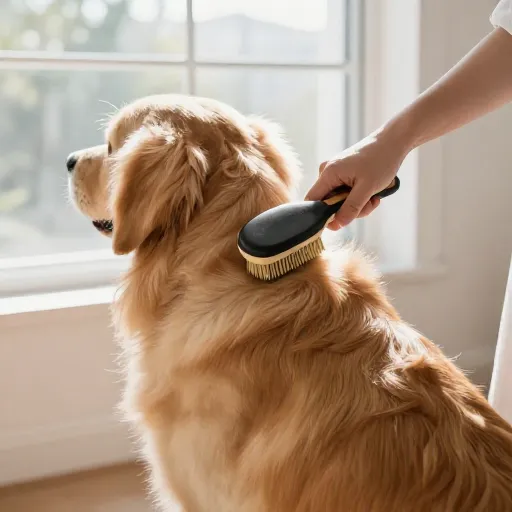
Start with a slicker brush for the main coat. Work in sections, and be gentle around sensitive areas like the belly and legs. If you hit a tangle, don’t yank. Hold the fur near the skin and work the knot out slowly with your fingers or a comb.
For double-coated dogs, like Huskies or Labs, use an undercoat rake. You’ll be amazed at how much fur comes off. My Lab looks like I could knit a second dog every time I brush him. Do this outside if you can, or at least over a towel to catch the mess.
3. Check for Skin Issues While You Brush
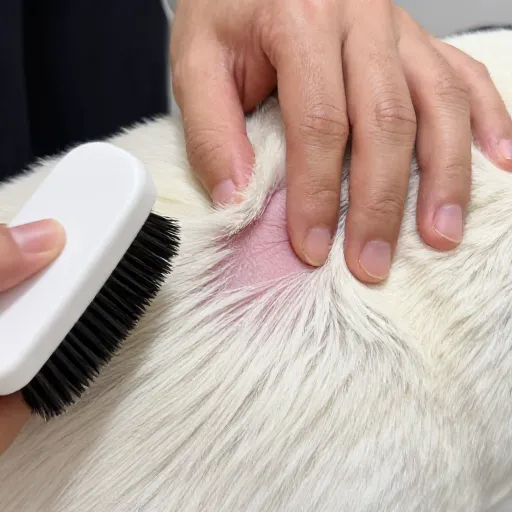
Brushing isn’t just about looking good. It’s your chance to check your dog’s skin. I always run my hands over my dog’s body while I brush. It helps me spot bumps, dry patches, or parasites early.
- Look for redness, flaking, or scabs
- Feel for lumps or swelling under the fur
- Check for fleas, ticks, or dirt buildup
If you find anything concerning, make a note and keep an eye on it. Small issues caught early are easier to handle. And if something looks serious, call your vet. It’s better to be safe than sorry. Your dog can’t tell you something hurts, so this is your moment to listen.
4. Trim Nails with Care
Nail trimming is the part most people dread, including me. But it doesn’t have to be a battle. The key is to go slow and stay calm. Your dog picks up on your energy, so if you’re nervous, they will be too.
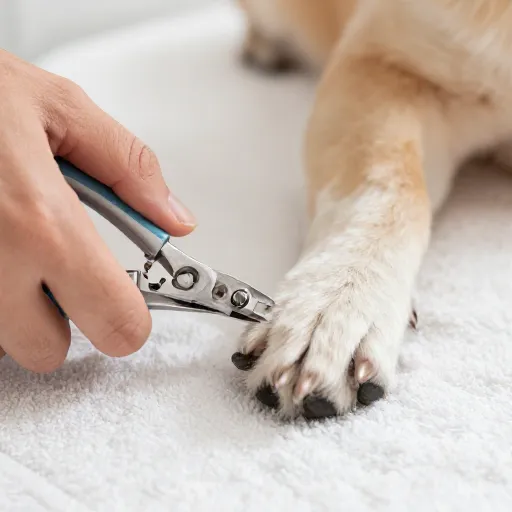
Use clippers designed for dogs. Cut only the tip, avoiding the quick (the pink part inside the nail). If your dog has dark nails, cut tiny bits at a time. Stop when you see a black dot in the center of the cut surface. That means you’re close to the quick.
I keep a styptic powder or cornstarch nearby in case I cut too short. It stops bleeding fast. And always reward your dog with a treat after each paw. Positive reinforcement makes future trims much easier. If your dog absolutely hates it, try a nail grinder instead. It’s quieter and less scary for some pups.
5. Clean Ears Gently
Dogs with floppy ears, like Cocker Spaniels or Basset Hounds, are prone to ear infections. But even prick-eared dogs need regular cleaning. I check my dog’s ears once a week, especially after swimming or baths.
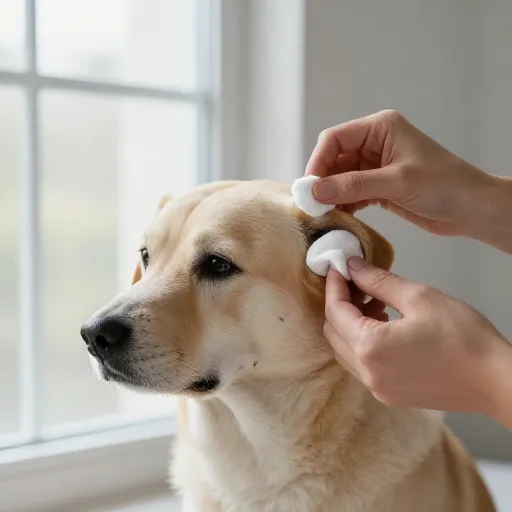
Use a vet-approved ear cleaner and a cotton ball. Never use Q-tips inside the ear canal. You can push debris deeper or hurt the eardrum. Instead, soak a cotton ball with cleaner, wipe the outer ear, and let your dog shake out the rest.
If you notice a bad smell, redness, or your dog is scratching a lot, skip the home cleaning and see your vet. Those are signs of an infection. A quick trip to the vet now saves a lot of pain and hassle later.
6. Brush Teeth Regularly
Dental care is often overlooked in home grooming. I used to skip it too, until my vet told me that dental disease is super common in dogs. Now I brush my dog’s teeth a few times a week. It’s easier than you think.
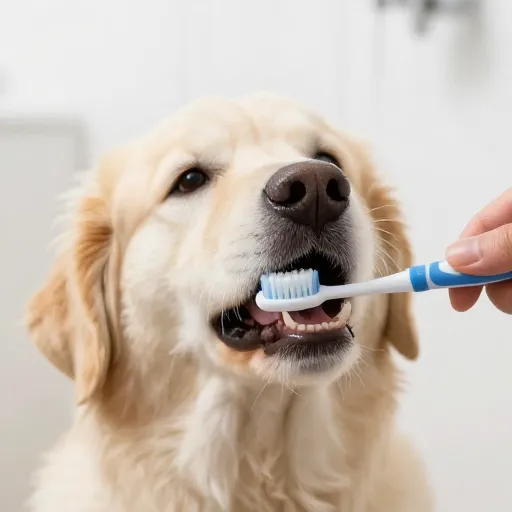
Use a dog-specific toothbrush and toothpaste. Human toothpaste is toxic to dogs. Start slow. Let your dog taste the toothpaste first, then gently lift their lip and brush in small circles. Focus on the back teeth where plaque builds up most.
If brushing is a struggle, try dental chews or water additives. They’re not as good as brushing, but they help. Even a little effort is better than nothing. And your dog will thank you with fresher breath and healthier gums.
7. Give a Proper Bath
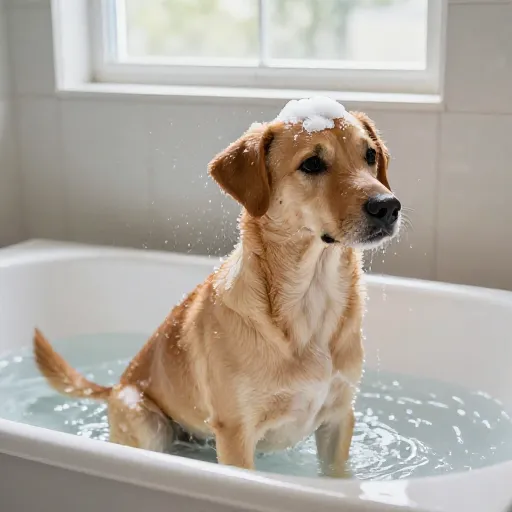
Bath time doesn’t have to be a disaster. I learned to prepare everything before I even call my dog over. Fill the tub with a few inches of lukewarm water. Too hot or too cold will make your dog miserable.
Wet your dog thoroughly, avoiding the eyes and ears. Apply dog shampoo and work it into a lather. Massage gently, especially around the back and chest. Rinse completely. Leftover shampoo can irritate the skin. I usually rinse twice to be safe.
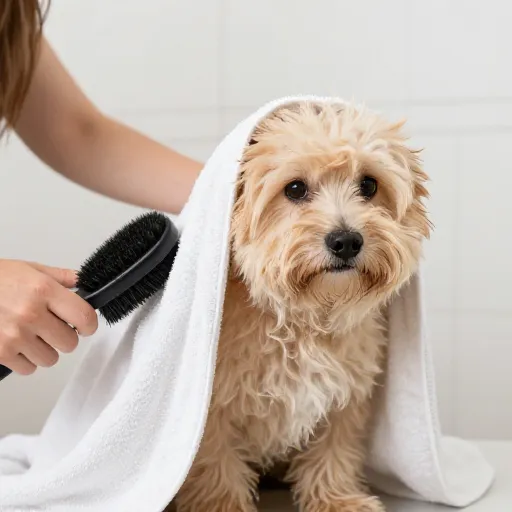
After the bath, wrap your dog in a towel and dry them off. For dogs with thick coats, you might need a blow dryer on the lowest heat setting. Keep it at a distance so it doesn’t scare them. My dog actually falls asleep during the drying process now. It’s our cozy bonding time.
8. Dry and Brush Again
Drying is just as important as bathing. Wet fur can lead to mats and skin problems. I use a microfiber towel first to soak up most of the water. Then I let my dog air dry or use a low-heat dryer.
Once the coat is mostly dry, I brush again. This second brushing helps prevent tangles from forming as the fur dries. It also distributes natural oils, making the coat shiny and healthy.
For long-haired breeds, like Shih Tzus or Yorkies, this step is crucial. Their fur tangles easily when wet. Take your time and work through small sections. Your dog will look polished and feel amazing.
9. Trim Fur Around Eyes and Paws
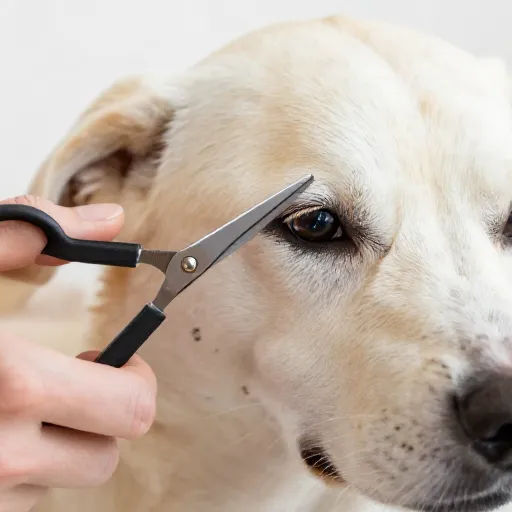
Trimming sensitive areas like the eyes and paws takes a steady hand. I use blunt-tipped scissors for safety. Only trim hair that hangs over the eyes, as it can block vision or cause irritation. Never cut too close to the eye itself.
For paws, trim the fur between the pads and around the edges. This prevents dirt and debris from getting trapped. It also helps with traction on slippery floors. My dog used to slide around until I started trimming his paw fur. Now he’s much more confident on tile.
If you’re nervous, go slowly. You can always trim more later. And keep treats handy. A calm, rewarded dog is much easier to work with. If you mess up a little, don’t worry. It grows back faster than you think.
10. End with Praise and a Treat
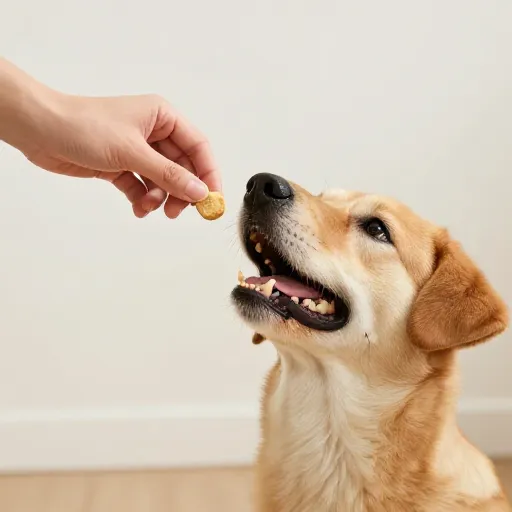
Grooming should end on a positive note. After all that work, your dog deserves a reward. I give my dog a special treat that he only gets after grooming. It makes him associate the whole process with something good.
Spend a few minutes playing or cuddling. This reinforces that grooming isn’t a punishment. It’s just another part of our routine together. Over time, your dog will become more cooperative and even look forward to grooming sessions.
And remember, you don’t have to do everything in one day. Spread out the steps if your dog gets tired or stressed. A little progress each time adds up to a well-groomed, happy pup.
Conclusion
Grooming your dog at home is totally doable. It takes practice, patience, and a sense of humor. You’ll have messy days, but you’ll also have moments of connection that make it all worth it. Your dog doesn’t care if the trim is perfect. They just care that you’re spending time with them.
Start small, be consistent, and celebrate the little wins. Before you know it, you’ll have a routine that works for both of you. And your wallet will thank you too.
Frequently Asked Questions
How often should I groom my dog at home?
It depends on the breed. Short-haired dogs need brushing once a week. Long-haired dogs may need brushing daily. Nails should be trimmed every 3-4 weeks. Baths can be done every 4-6 weeks unless your dog gets dirty.
What if my dog hates being brushed?
Start slow. Use a soft brush and only do a few strokes at a time. Reward with treats. Gradually increase the duration. Some dogs just need time to get used to it. Patience is key.
Can I use human shampoo on my dog?
No. Human shampoo is too harsh for a dog’s skin. It can cause dryness and irritation. Always use a shampoo made specifically for dogs. It’s worth the extra cost.
How do I cut my dog’s nails if they are black?
Cut tiny pieces at a time. Look for a black dot in the center of the cut surface. That signals you’re near the quick. If you’re unsure, use a nail grinder for more control. It’s safer and less stressful.
What should I do if I cut the quick?
Don’t panic. Apply styptic powder or cornstarch to stop the bleeding. Keep your dog calm and offer a treat. It happens to everyone. Just be more careful next time, and your dog will forgive you quickly.