10 Reasons Why Your Dog Ignores Your Commands (And What To Do About It)
You say “sit” and your dog just stares at you like you’re speaking a foreign language. You call their name and they sniff the ground with intense focus. It’s frustrating, right? I’ve been there, standing in the backyard holding a treat, feeling completely invisible.
The good news? Your dog isn’t being stubborn or trying to test your patience. Usually, there’s a very simple reason why your pup tunes you out. Let’s look at the most common causes and how to fix them.
Understanding the “why” is the first step to getting your best friend to listen again. These ten reasons will help you see the situation from your dog’s point of view.
1. Too Much Distraction
Imagine trying to focus on a math problem while a rock concert is happening next door. That’s your dog when there’s a squirrel, a new smell, or another dog nearby. Their world is full of exciting things.
You are competing with the most interesting smells on the planet. If the environment is too exciting, your dog literally cannot hear you. Their brain is busy processing the squirrel, not your voice.
Start training in a boring room with zero distractions. Once they nail it there, move to the backyard, then the sidewalk. Build up to a busy park slowly.

2. Your Commands Feel Like Nagging
If you say “sit, sit, sit, SIT!” you are teaching your dog that the word “sit” actually means “ignore me until mom gets loud.” Dogs learn by repetition, but they learn the pattern you repeat.
Repeating a command over and over teaches them that the first few words are just background noise. They learn to wait until you sound annoyed or raise your voice.
Say the command once. If they don’t respond, help them do it (gently guide them), then reward. This teaches them to listen the first time, not the fifth time.
3. Your Body Language Confuses Them
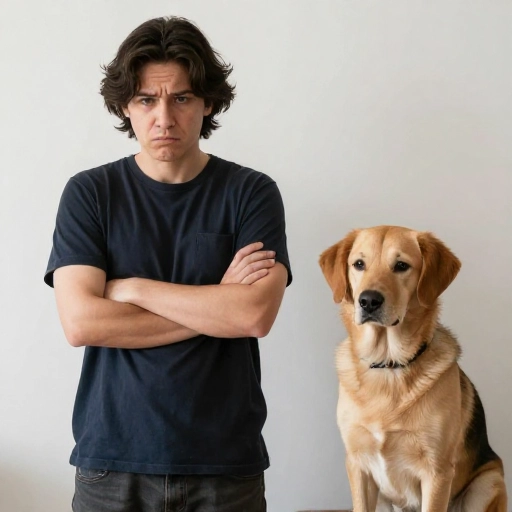
Dogs are masters of reading our bodies, not our words. If you are leaning over them, staring directly into their eyes, or standing stiffly, you might look intimidating or angry.
Your tone of voice matters too. If you say “come” in a tense, high-pitched voice while your body is tense, your dog might think something is wrong. They might run away instead of towards you.
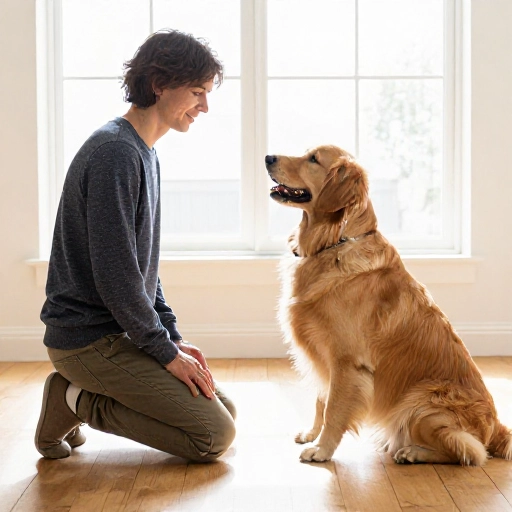
Relax your shoulders. Use a happy, excited voice for “come.” Crouch down and open your arms. Make yourself inviting, not scary.
4. The Reward Isn’t Worth It
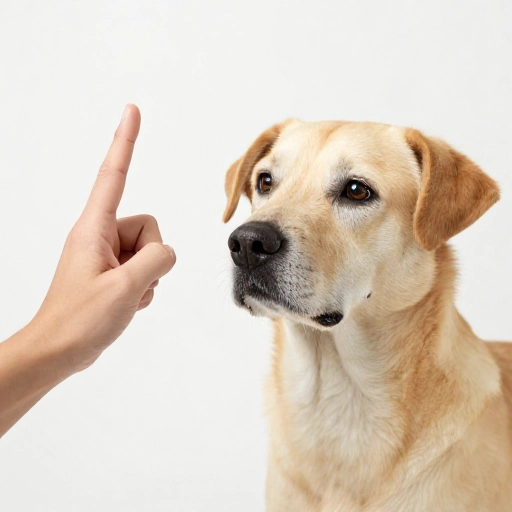
Would you work hard for a paycheck you didn’t like? Your dog feels the same way about treats. If the reward is a boring dry biscuit, but there is a juicy steak on the counter, the command isn’t worth following.
Think about what your dog truly values. For some, it’s a piece of cheese. For others, it’s a game of tug or a belly rub. You need to find their “jackpot” reward.
Save the high-value treats (chicken, hot dog pieces) for recall (“come”) or for training in distracting places. Use regular kibble for easy commands at home.
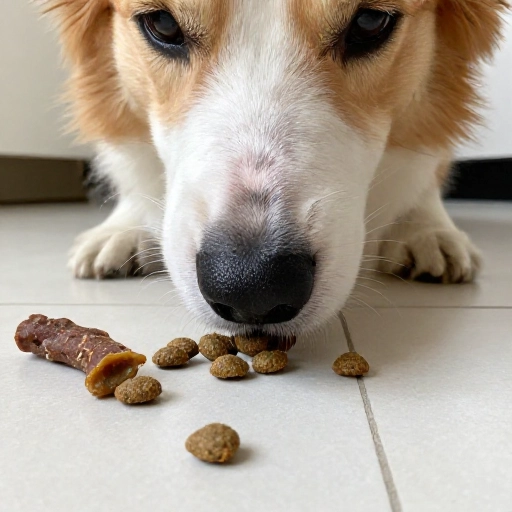
5. They’re Over-Tired or Over-Stimulated
Just like a cranky toddler, an exhausted dog cannot focus. A dog who has been playing all day or is stressed from a busy walk has a brain that is full. They shut down.
Over-stimulation makes the brain foggy. Your dog might pace, pant, or just stare blankly. They aren’t ignoring you on purpose; they are mentally checked out.
If your dog is too wild, give them a break. A quiet chew toy, a crate nap, or just ten minutes of peace can reset their brain. Train when they are calm.
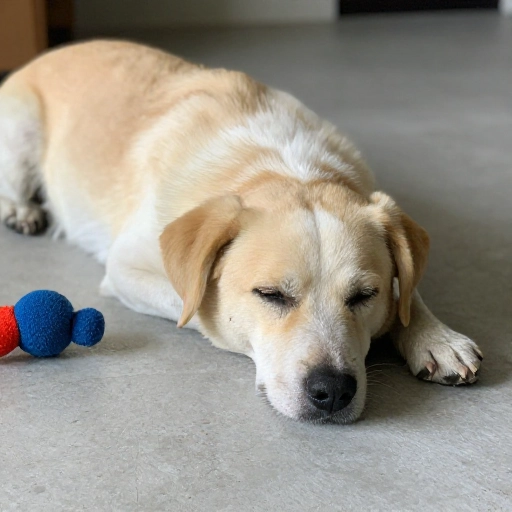
6. You Haven’t Proofed the Behavior
Your dog might be a perfect angel in your living room. But the living room is not the dog park. “Proofing” means practicing a command in many different places and positions.
If your dog only knows “down” on the rug, they don’t know it on grass, on concrete, or near a busy street. Dogs don’t generalize well. Every new location is a new skill.
Practice the same command in 10 different spots. Inside, outside, on a bench, on a walk. Reward heavily in new places until it clicks.
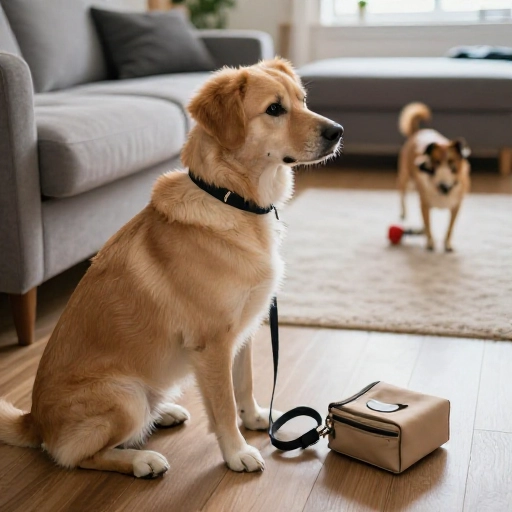
7. They Have a Hidden Pain
This is a big one. If your dog suddenly stops listening to a command they used to know, like “sit” or “down,” they could be in pain. Arthritis, a sore back, or an ear infection can make obeying uncomfortable.
Your dog isn’t being lazy. “Sit” might hurt their hips. “Down” might be impossible if their back is stiff. They are protecting themselves.
Watch for other signs: limping, whining when touched, or reluctance to jump. If the ignoring is new and paired with grumpiness, see your vet first.

8. You’re Too Predictable
If you only ask for a “sit” before dinner or before a walk, your dog learns that “sit” only matters at specific times. They wait for the cue of the food bowl, not your voice.
Dogs are smart. They learn patterns fast. If you never ask for a “stay” in the middle of the day for no reason, they don’t think it applies outside of meal time.
Practice random sits and downs during the day. Ask for a “sit” before you open the door, before you throw a toy, or just for fun. Keep them guessing.
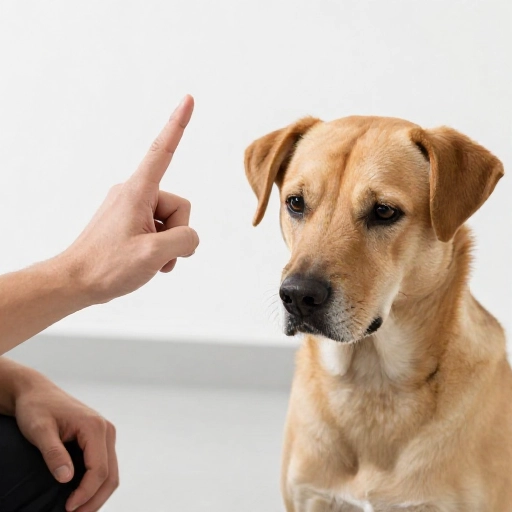
9. They Don’t Understand the Word
We think we are clear. But sometimes, we change the word. “Come here!” “C’mon!” “Let’s go!” “Get over here!” To your dog, these all sound like different commands, or just noise.
Use one simple word for each action. “Come” always means come all the way to you. “Sit” always means put your bottom on the floor. Consistency is how they learn.
Pick a word and stick to it. Say it the same way every time. If you say “down” for both “lie down” and “get off the couch,” you are confusing them.
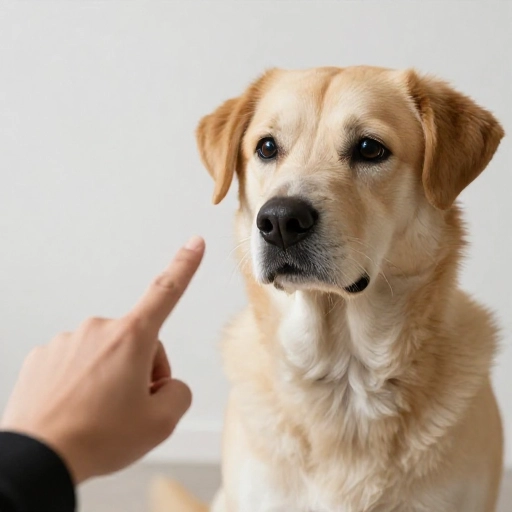
10. Your Relationship Needs Work
This is the hardest one to hear. If your dog doesn’t see you as a source of fun, safety, and good things, they have no reason to listen to you. A strong bond makes a dog want to work with you.
If most of your interactions are corrections or nagging, your dog will start to avoid you. They learn that listening to you isn’t fun. They start to tune out to protect their own peace.
Spend time just being together without asking for anything. Toss a ball, give a massage, or go on a sniffy walk. Fill their emotional tank with love and fun.

Conclusion
Your dog isn’t ignoring you to be mean. They are telling you something. Maybe they are confused, distracted, tired, or in pain. Every time your dog ignores you, it’s a clue. Your job is to be a detective, not a drill sergeant. Be patient, change your approach, and watch your dog start to choose to listen.
Frequently Asked Questions
Q1: My dog listens to my husband but not to me. Why?
A: Usually, it’s about history and consistency. One person might be more predictable with commands or use better rewards. It’s not personal! Practice alone with high-value treats and be very clear with your body language.
Q2: Should I use a louder voice?
A: No. Yelling usually makes dogs more anxious or more distracted. A calm, clear, or happy voice works much better. If they are ignoring you because of distance, a whistle or a hand signal is more effective than shouting.
Q3: My dog knows the command at home but not outside. What gives?
A: This is normal! Dogs don’t generalize well. You need to “proof” the behavior by practicing in low-distraction outdoor spots first, then slowly increasing the challenge. Think of it as teaching the skill from scratch in every new location.
Q4: How long should a training session be?
A: Short and sweet! 3 to 5 minutes is perfect for most dogs. Two or three short sessions a day are way more effective than one long, boring one. Always end on a successful note.
Q5: Is my dog being dominant if they ignore me?
A: Probably not. The “dominance” theory is outdated and not supported by modern science. Ignoring you is almost always about distraction, confusion, fear, lack of motivation, or a medical issue. Focus on building a cooperative partnership, not on being the “alpha.”