10 Professional Dog Daycare Layout Ideas That Work
Running a dog daycare is so much more than just having a big room and some toys. I’ve learned the hard way that the layout of your space can make or break the entire day. A good layout keeps the dogs calm, your staff organized, and the humans happy. It’s about flow, safety, and giving every pup a chance to feel comfortable.
Whether you are building from scratch or trying to make the most of an existing space, these practical ideas will help you create a facility that runs smoothly. I’m sharing the setups that have worked best in real-world daycares, from zoning for different energy levels to making cleaning less of a chore. Let’s dig into the details that truly make a difference.
1. Create Separate Energy Zones
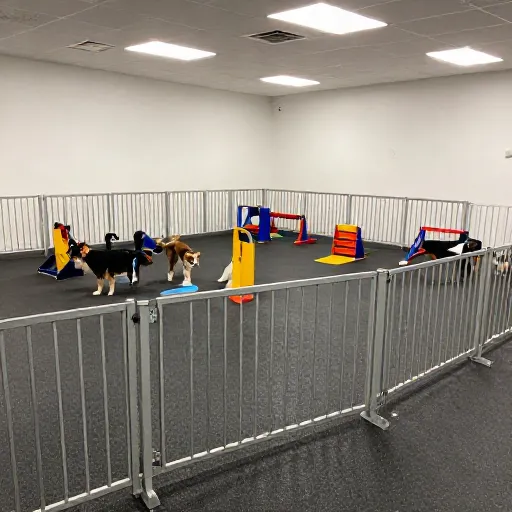
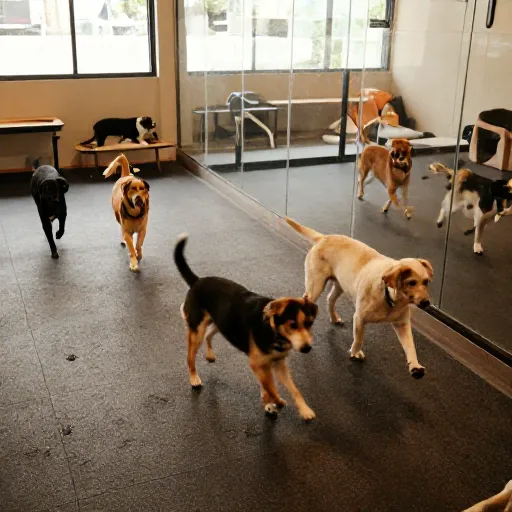
One of the biggest mistakes I see is trying to keep all dogs in one giant playroom. It looks great in photos, but it’s a recipe for chaos. Big, bouncy puppies don’t want to play with slow, grumpy seniors. You need to divide your space into at least two or three distinct zones based on size and energy level.
Think about it like a gym. You have a section for heavy lifting and a section for cardio. Your daycare should have a “nap zone” with comfy cots and a “wrestling zone” with open floor space. This keeps the fun going without anyone getting overwhelmed.
Use low, solid partitions or heavy-duty gates to separate these areas. This helps with sight lines too, so your staff can easily keep an eye on everyone without having to walk across the building.
2. Design a Smart Entry and Exit System
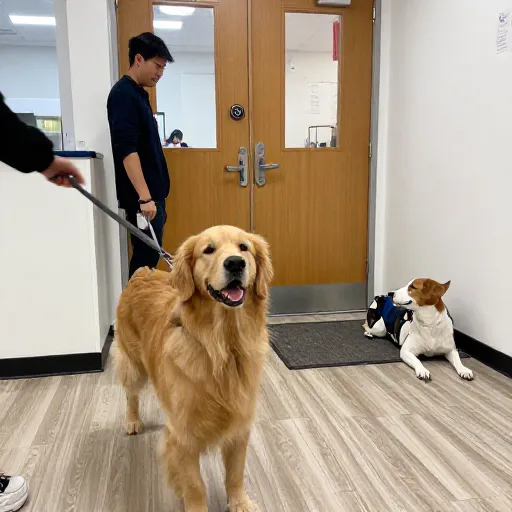
The front door is your busiest and most chaotic spot. You have owners coming and going, dogs arriving excited, and others leaving tired. A single door for both drop-off and pick-up is a disaster waiting to happen. You need a clear, controlled flow.
I highly recommend a double-door or “airlock” system. This is a small, secure vestibule between the outside and the main daycare floor. The owner comes in the first door, hands you the dog, and leaves before the second door opens. This prevents any escape attempts and stops barking fits from dogs seeing their friends leave.
Also, have a separate, clearly marked path for pick-up. If you can, stagger your pick-up times. This reduces the stress on the dogs and gives your front desk staff a chance to actually chat with the owners instead of just trying to manage the flow.
3. The “Decompression” Room
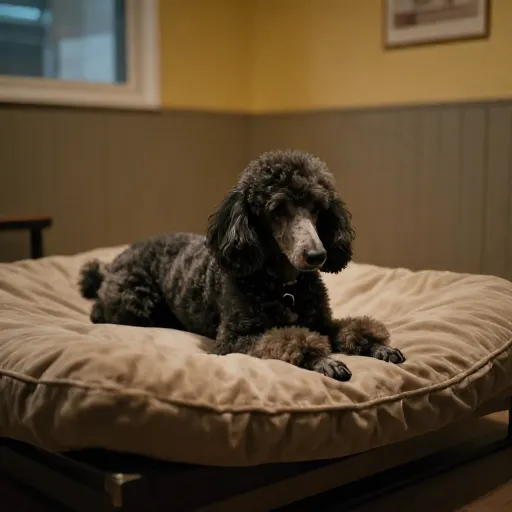
Not every dog is ready to jump into the fray the minute they walk in. Some dogs need a minute to settle down, especially if they had a crazy car ride. A quiet, separate room for new dogs or those who are just having an off day is a lifesaver.
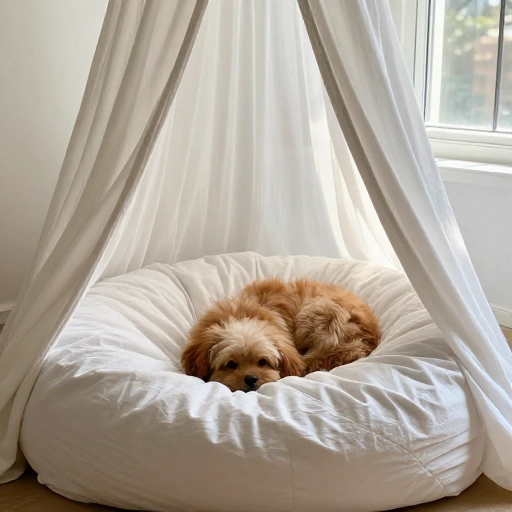
This room should be small, have soft lighting, and ideally no windows to the main play area. You want it to feel like a calm cave. Put in some comfortable beds and maybe some calming music. It’s not a punishment room; it’s a reset room.
I like to use this space for the first 10-15 minutes of a dog’s day. It lets them sniff around, go potty in a designated spot, and get their bearings. You’ll see a huge difference in their behavior once they finally hit the main floor. They are much more relaxed and ready to play nicely.
4. Prioritize Easy-to-Clean Floors
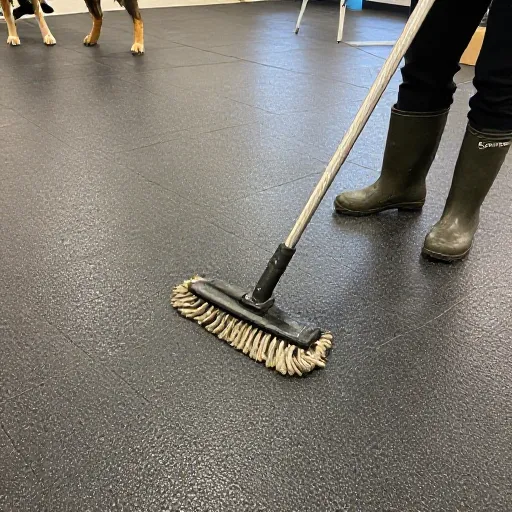
This might not sound as fun as picking out cute beds, but your flooring choice is your most critical decision. You will be cleaning up mud, pee, and slobber all day long. If your floors are porous or have grout lines, you are going to have a smelly nightmare on your hands.
Your best friend is a seamless, non-slip epoxy or polished concrete floor. It’s easy to hose down, doesn’t hold odors, and is tough enough to handle the claws. Make sure you choose a finish with some texture, or you’ll have dogs sliding around like they’re on ice.
Don’t forget about the drainage! You need floor drains in every playroom and the kennel area. This makes cleaning a 10-minute job instead of a 2-hour one. Just grab the hose, spray everything toward the drain, and you’re done.
5. Build a Dedicated Indoor Potty Area
Relying on a quick trip outside for potty breaks isn’t always possible. Sometimes the weather is terrible, or you’re just too busy with a full house. Having a designated indoor potty zone is a game-changer for any professional daycare.
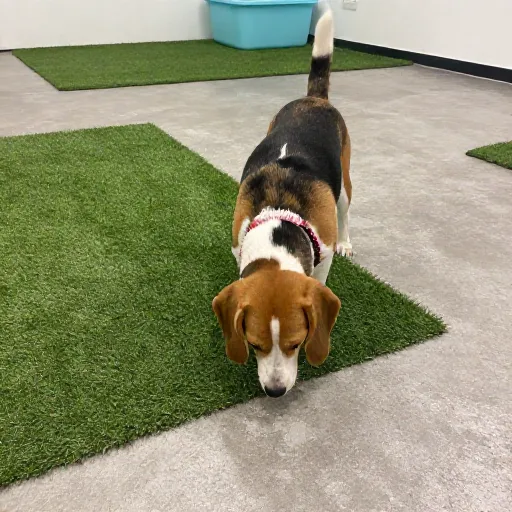
This area should be placed near the entry door but away from the main food and water stations. You can use artificial turf over a drain, or a large, shallow tray filled with a special dog-safe litter. It needs to be easy to spot-clean throughout the day.
Train all the dogs to use this spot when they first arrive. It saves your outdoor space from getting torn up and keeps the rest of the indoor area much cleaner. It’s also a lifesaver for senior dogs who can’t hold it as long.
6. Make the Kennel Area Stress-Free
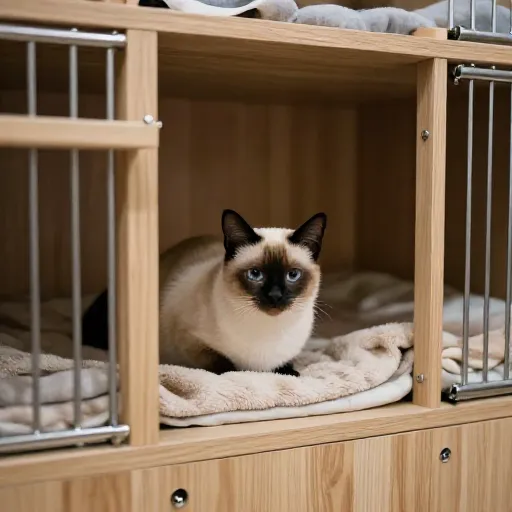
The kennel area is where dogs go for nap time or to sleep overnight. This space should feel completely different from the playroom. Think calm, dark, and cozy. Avoid putting kennels too close together so the dogs can’t see each other and get riled up.
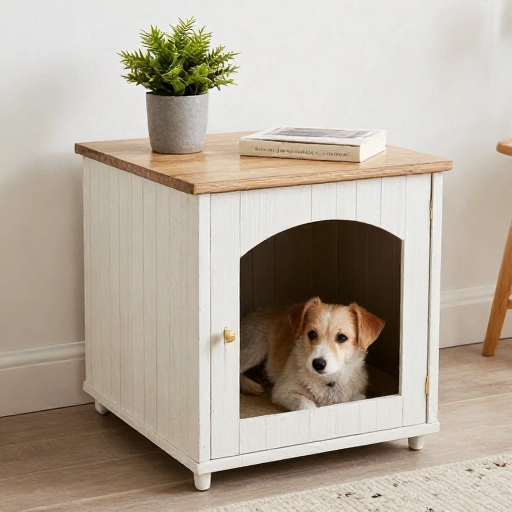
Invest in solid-sided kennels instead of wire ones. This creates a den-like feeling that helps dogs relax. They can’t see everything going on, which reduces anxiety. Make sure each kennel has a comfy bed that is washable and maybe a safe chew toy.
Keep the temperature slightly cooler in the kennel area and use white noise machines. This helps to muffle the sounds of other dogs barking, which is often the biggest trigger for a sleepless night. A tired dog is a happy dog, and a happy dog makes a happy owner.
7. Install a Secure Grooming Station
Even if you don’t offer full grooming services, you absolutely need a dedicated grooming station. You will constantly be dealing with dirty paws, muddy bellies, or tangled fur. A proper station keeps this mess contained and saves your main facility from getting filthy.
Your grooming station should have a raised tub with a non-slip surface and a handheld sprayer. You need hot and cold water mixing to a safe temperature. Also, ensure you have a spot for the dog to stand while you dry them off with a forced-air dryer.
I like to place this station near the back entrance, away from the main play groups. This way, a dog can come in from a muddy walk, get a quick rinse, and head to the playroom without tracking dirt through the whole building. It keeps your facility looking top-notch.

8. Plan for Proper Ventilation and Airflow
When you get 30 dogs in one room, the smell can get intense fast. A great layout isn’t just about what you see; it’s about what you feel and smell. You need a serious HVAC system that can handle the dander, hair, and odors.
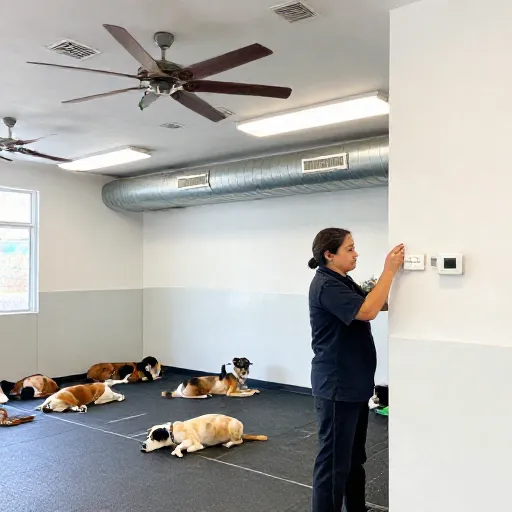
Think about your air changes per hour. You’ll want to aim for at least 10-15 air changes per hour in the main play areas. This is a commercial-grade system, not a residential one. Add in some ceiling fans to keep the air moving and prevent hot spots.
Consider adding an air purification system with UV lights. This helps to kill airborne bacteria and viruses, which is crucial for the health of the dogs. Good airflow also helps to dry out wet fur faster, which means less of that “wet dog” smell that lingers everywhere.
9. Utilize Vertical Space for Storage
Storage is always a problem in a busy daycare. You have leashes, towels, toys, treats, and cleaning supplies everywhere. If you don’t plan for storage, it will end up in piles on the floor, which is a safety hazard and an eyesore.
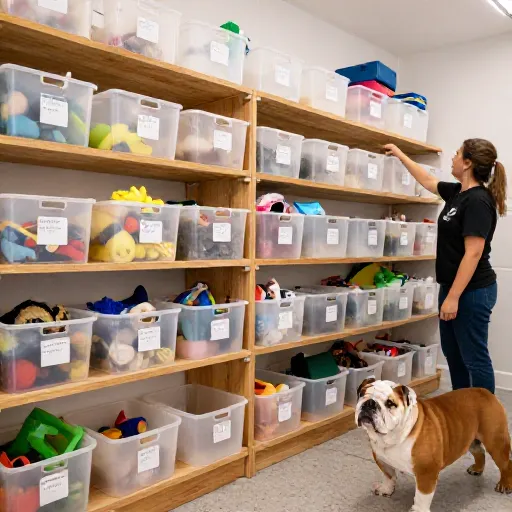
Use tall shelving units that go all the way to the ceiling. Store everyday items like towels and leashes in clear bins on these shelves. Use a pegboard on the wall for hanging leashes and other gear. Every square foot of wall space is valuable real estate.
Have a specific, locked cabinet for all your cleaning chemicals. This is non-negotiable for safety. Keep it in a utility room or high up, well out of reach of curious noses. A place for everything and everything in its place is the golden rule here.
10. Create a Visual Line of Sight for Staff
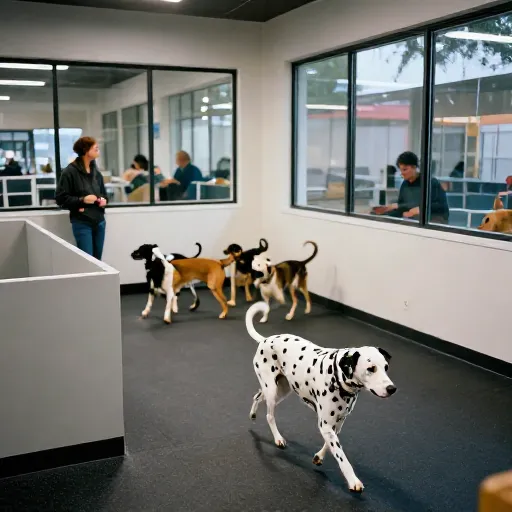
Your staff should be able to see into every zone without having to move around constantly. The best layouts have a central hub, like a reception desk or a staff station, with clear sight lines to all the playrooms. This is your command center.
Use low-profile gates and windows in your internal walls. If you have to choose between privacy and visibility, always choose visibility. You need to be able to spot a scuffle or a dog in distress from across the room instantly.
Place your staff station on a raised platform if possible. Even a foot of elevation can make a huge difference in what you can see over the partitions. This allows your team to supervise the main play areas while also handling check-ins and paperwork without missing a beat.
Final Thoughts
Designing the perfect dog daycare layout is all about thinking ahead. Every decision, from the flooring to the air vents, affects how safe and happy the dogs are. It also determines how much you and your staff will enjoy going to work every day. It’s a big puzzle, but when all the pieces fit, it’s pure magic.
Start by focusing on the flow of the day. Walk through the space as if you were a dog and as if you were an owner. You’ll quickly see where the bottlenecks are. Don’t be afraid to make changes; a flexible layout that you can tweak is often the best layout of all.
Your clients will notice the difference. A clean, calm, and well-organized facility builds trust. It shows you are professional and truly care about the well-being of their furry family members. That trust is the best marketing you can ever have.
Frequently Asked Questions
How many square feet do I need per dog in a daycare?
I always recommend at least 100 square feet of play space per dog. That gives them enough room to run, play, and get away from each other if they need a break. It’s a great baseline for safety and comfort.
What is the best flooring for a dog daycare?
Sealed, non-slip epoxy or polished concrete is the gold standard. It’s durable, easy to clean, and doesn’t harbor bacteria or odors. Just make sure it has a textured finish so the dogs don’t slip.
How do I separate big and small dogs safely?
Use solid, floor-to-ceiling partitions or heavy-duty gates. You need to create a physical barrier that is too tall for any dog to jump over. This ensures the safety of your smaller guests.
Is it better to have one big room or several smaller ones?
Several smaller zones are almost always better. It allows you to group dogs by size and play style, which reduces stress and conflict. It also makes it much easier to manage the noise level.
What is the most important safety feature in a daycare layout?
I believe it’s the double-door entry system. It is your first line of defense against escape and dog fights at the front door. A secure, controlled entry point is absolutely non-negotiable.