Dog Shampoo Labels: 10 Ingredients and Claims You Should Read Carefully (Before You Buy!)
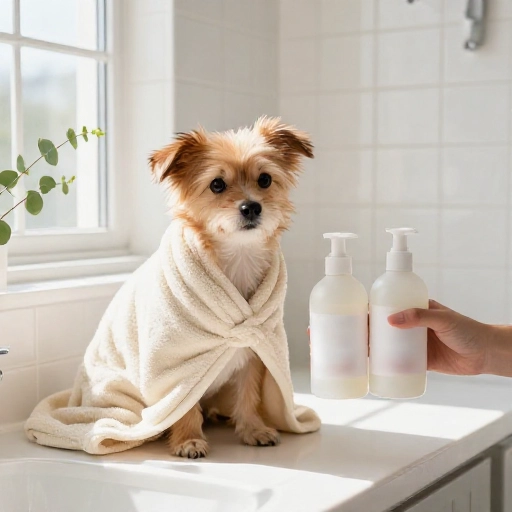
I used to grab whatever dog shampoo was on sale, until my pup started scratching like crazy after every bath. That’s when I realized the label is not just marketing fluff—it’s a puzzle of ingredients and claims that can make or break your dog’s skin. If you’ve ever stood in the pet aisle feeling overwhelmed, you’re not alone.
Reading dog shampoo labels carefully is one of the smartest things you can do for your furry friend. Some ingredients soothe and protect, while others strip natural oils or trigger allergies. And those big words like “natural” or “hypoallergenic”? They don’t always mean what you think.
In this post, I’m sharing the 10 most important things I’ve learned about dog shampoo labels—so you can pick a product that’s gentle, effective, and truly safe. Let’s decode those bottles together.
1. Why Dog Shampoo Labels Are Trickier Than They Look
Dog shampoo labels are not regulated the same way human skincare labels are. In many places, terms like “natural” or “premium” have no legal definition. That means a bottle can say “natural” while still containing synthetic preservatives or dyes.
I learned this the hard way when I bought a “gentle, plant-based” shampoo that made my dog’s coat dull. The first five ingredients were water, harsh sulfates, and artificial fragrance. Not so plant-based after all.
So when you read a label, treat it like a detective case. Look beyond the front of the bottle and flip it over. The real story is in the ingredient list and the fine print.
2. Ingredient List Order: What Comes First Matters Most
Ingredients on a dog shampoo label are listed by weight, from highest to lowest. That means the first five ingredients make up the bulk of the product. If water is first, that’s normal. But if the next few are sulfates, salts, or synthetic fragrances, you’re mostly paying for filler.
I always scan for gentle surfactants like coco glucoside or cocamidopropyl betaine. They clean without stripping. If I see sodium lauryl sulfate (SLS) or sodium laureth sulfate (SLES) near the top, I usually put the bottle back.
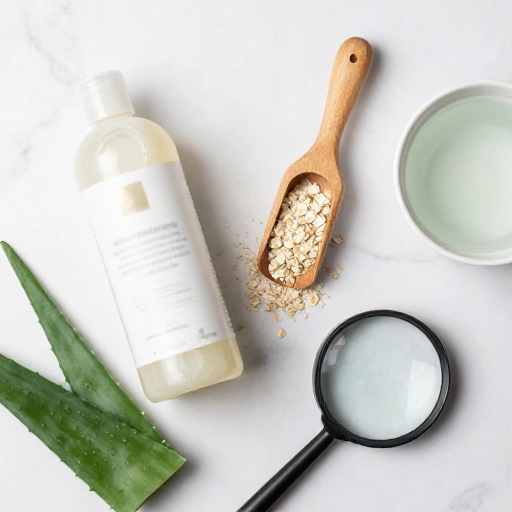
Also, check where the “good stuff” sits. If aloe vera or oatmeal is listed after preservatives and fragrance, there’s barely any in there. It’s just label decoration.
3. “Natural” and “Organic” Are Not the Same (and Often Mean Nothing)
I used to think “natural” meant safe and “organic” meant premium. Then I realized these words are marketing magic. A shampoo can be 99% water and still call itself “natural” because water is natural.
“Organic” is slightly better—but only if it’s certified. Without a certification seal, it’s just a buzzword. And even organic ingredients can cause allergies in dogs (like certain essential oils).
My rule: ignore the front claims and look for specific ingredient names. “Organic oatmeal” is great. “Natural formula” tells me nothing.
4. The Truth About “Hypoallergenic” and “For Sensitive Skin”
“Hypoallergenic” sounds like a promise, but it’s not. There’s no standard for what makes a dog shampoo hypoallergenic. It simply means the manufacturer believes it’s less likely to cause reactions—but your dog could still be allergic to something in it.
Same goes for “for sensitive skin.” That phrase often just means the shampoo is fragrance-free or dye-free. Sometimes it’s true, sometimes it’s not.
If your dog has sensitive skin, I recommend checking for common allergens like artificial fragrance, essential oils, and preservatives such as methylisothiazolinone. A truly gentle shampoo will have a short, simple ingredient list.
5. Sulfates, Parabens, and Other Scary-Sounding Words: Which Ones Actually Matter?
Not every long chemical name is bad. Some are necessary for safety and shelf life. But a few are worth avoiding.
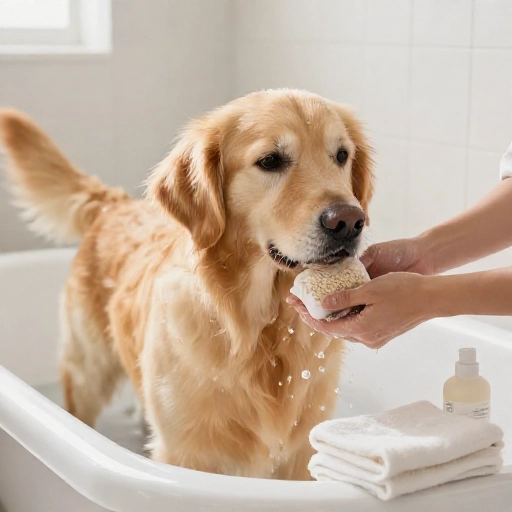
- Sulfates (SLS, SLES): They create lots of foam but can strip natural oils and irritate skin. I prefer sulfate-free shampoos for my dog.
- Parabens (methylparaben, propylparaben): Preservatives that may disrupt hormones. The evidence in dogs is limited, but I avoid them when I can.
- Phthalates: Often hidden in “fragrance.” They can be allergens. Look for “phthalate-free” on the label.
On the other hand, ingredients like glycerin, panthenol, and aloe are safe and hydrating. Don’t fear chemistry—just learn which chemicals to question.
6. Fragrance and Essential Oils: Pretty Smells, Hidden Risks
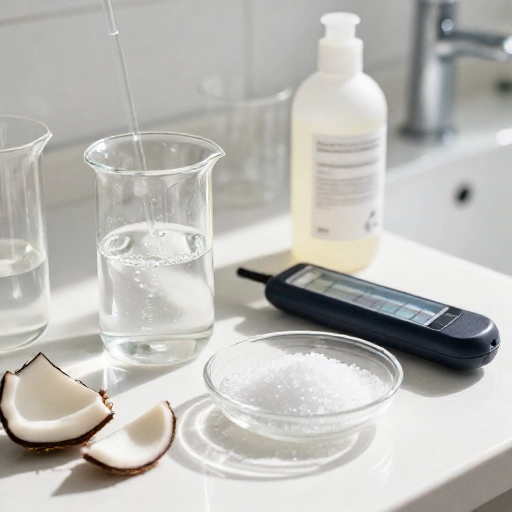
I love a fresh-smelling dog, but fragrance is one of the top causes of allergic reactions in dogs. “Fragrance” on a label can hide dozens of chemicals, including known irritants.
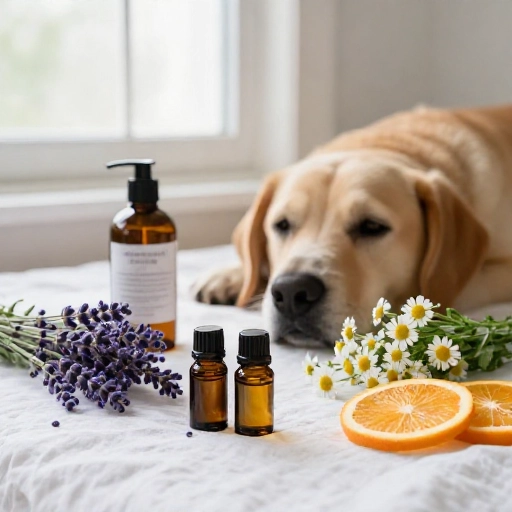
Essential oils are natural, but that doesn’t mean safe. Tea tree oil, peppermint, citrus, and eucalyptus can be toxic to dogs if ingested or applied in high concentrations. Even lavender can cause issues for some pups.
If your dog has itchy skin, go fragrance-free. If you want a scent, look for dog-safe extracts like chamomile or calendula—and always patch test first.
7. pH Balance: Why Your Dog’s Skin Needs a Different Formula
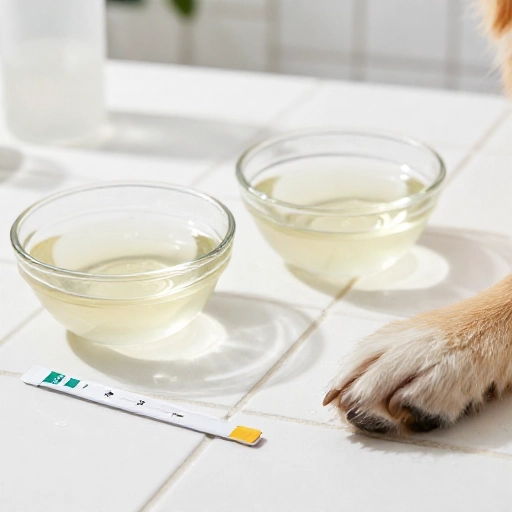
Human skin is acidic (pH around 5.5), but dog skin is more neutral (pH around 6.5 to 7.5). Using human shampoo on your dog can disrupt their skin barrier, leading to dryness and infections.
A good dog shampoo will be labeled “pH balanced for dogs” or specify a pH range. I always check this because it’s one of the few claims that actually has science behind it.
If the bottle doesn’t mention pH, it’s a red flag. Your dog’s skin is not a testing ground for human products.
8. “Tear-Free” and “No More Tear Stains”: What the Label Really Promises
“Tear-free” usually means the shampoo has a pH close to that of tears, so it won’t sting if it gets in the eyes. That’s a nice feature, but it doesn’t mean the product is safe to ingest or that it’s gentle on the skin.
“No more tear stains” is a bold claim. Tear stains are often caused by genetics, diet, or infections—not just shampoo. Some products use mild bleaching agents or antibiotics, which I avoid.
If you’re dealing with tear stains, talk to your vet first. A shampoo alone rarely fixes the root cause.
9. Preservatives: The Necessary Evil You Should Learn to Recognize
Without preservatives, dog shampoo would grow bacteria and mold. So they’re not all bad. But some are gentler than others.
- Good options: phenoxyethanol, potassium sorbate, sodium benzoate. These are generally considered safe for dogs.
- Questionable: methylisothiazolinone, methylchloroisothiazolinone. These can cause skin irritation, especially in leave-on products.
- Avoid: formaldehyde releasers like DMDM hydantoin. They can trigger allergies.
I check the preservative system because it tells me how much the brand cares about safety versus shelf life.
10. How to Read a Dog Shampoo Label in 30 Seconds (My Quick Checklist)
After years of label reading, I’ve got a fast routine. Here’s what I do in the pet aisle:
- Flip the bottle and scan the first five ingredients. Water is fine, but sulfates and synthetic fragrance? Skip.
- Look for specific beneficial ingredients: oatmeal, aloe, glycerin, coconut-based cleansers.
- Check for “pH balanced for dogs” or a pH range.
- Avoid artificial dyes (like Blue 1, Yellow 5) and vague “fragrance.”
- If the label says “natural” but has no certification, treat it as marketing.
This quick checklist has saved me from many bad buys. It takes half a minute and can save your dog weeks of itching.
Conclusion: Trust Ingredients Over Marketing Hype
Dog shampoo labels are designed to sell, not to educate. But once you know what to look for, you can cut through the noise. Focus on the ingredient list, not the front-of-bottle promises.
Your dog can’t tell you which shampoo makes their skin crawl, but their scratching, licking, and dull coat can. Reading labels carefully is a simple act of love that keeps them comfortable and healthy.
Next time you shop, take an extra 30 seconds. Your dog’s skin will thank you.
Frequently Asked Questions About Dog Shampoo Labels
Q: Is “natural” dog shampoo always safe?
A: No. “Natural” is not regulated, and some natural ingredients like essential oils can be toxic to dogs. Always check the specific ingredients.
Q: What ingredients should I avoid in dog shampoo?
A: I avoid sulfates (SLS/SLES), parabens, phthalates, artificial dyes, and vague “fragrance.” Also steer clear of essential oils like tea tree and citrus unless your vet approves.
Q: How often can I bathe my dog with shampoo?
A: It depends on the dog and the shampoo. Most dogs do well with a bath every 4–8 weeks. Over-bathing can strip natural oils, so use a gentle, pH-balanced formula.
Q: Does “hypoallergenic” mean my dog won’t react?
A: Not necessarily. There’s no standard definition, so your dog could still be allergic to something in the bottle. Patch test first.
Q: Should I use human shampoo on my dog in a pinch?
A: I wouldn’t. Human shampoo is too acidic for dog skin and can cause irritation. If you’re in a bind, rinse with plain water and get dog shampoo as soon as you can.