Dog Grooming Schedule by Coat Type and Lifestyle: How Often to Bathe, Brush, and Trim Your Dog
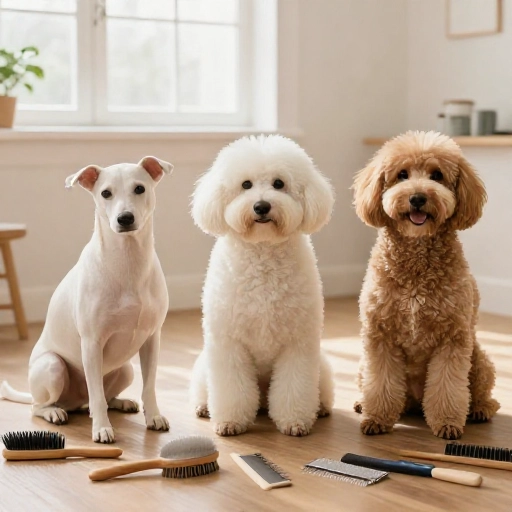
I used to think grooming was just a bath and a brush. Then I got a doodle and realized I had no idea what I was doing. Every dog is different, and their grooming needs change based on their coat, their daily life, and even the season.
If you’ve ever wondered how often you should really bathe your dog or brush them, you’re in the right place. I’ve put together a simple, practical guide that breaks down grooming schedules by coat type and lifestyle. No guessing, no guilt, just a plan that works for you and your pup.
Let’s dive into the schedules. I’ll share what I’ve learned from my own dogs and from grooming pros, so you can keep your dog comfortable, healthy, and looking their best.
Why Your Dog’s Grooming Schedule Isn’t One-Size-Fits-All
Every dog has a unique coat, and that coat comes with its own set of rules. A short-haired Beagle and a thick-coated Husky need completely different care. Even within the same breed, lifestyle plays a huge role. An active dog who loves muddy trails will need more baths than a couch companion.
I learned this the hard way when I tried to use the same brush on all three of my dogs. My short-haired terrier mix barely tolerated it, while my double-coated shepherd needed a full undercoat rake. The tools and timing matter.
So before you set a schedule, think about your dog’s coat type, how much time they spend outdoors, and how much they shed. That’s your starting point. From there, you can fine-tune a routine that keeps mats, dirt, and doggy odor away without overdoing it.
Short & Smooth Coats: The Low-Maintenance Charmers
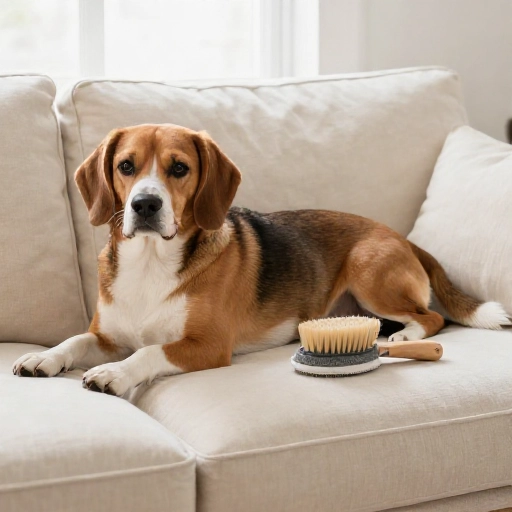
Dogs like Beagles, Boxers, Dobermans, and Weimaraners have short, smooth coats that are pretty forgiving. They don’t mat easily, and dirt tends to sit on the surface rather than sink in. But that doesn’t mean zero grooming.
I recommend a quick brush once a week with a rubber curry brush or a soft bristle brush. This removes loose hair and spreads natural oils for a shiny coat. Baths every 4 to 6 weeks are usually enough, unless your dog rolls in something stinky.
Nails need trimming every 3 to 4 weeks, and ears should be checked weekly. If your dog has floppy ears, like a Beagle, keep them dry and clean to prevent infections. Short coats are easy, but consistency keeps them looking great.
Double Coats: The Shedding Superstars
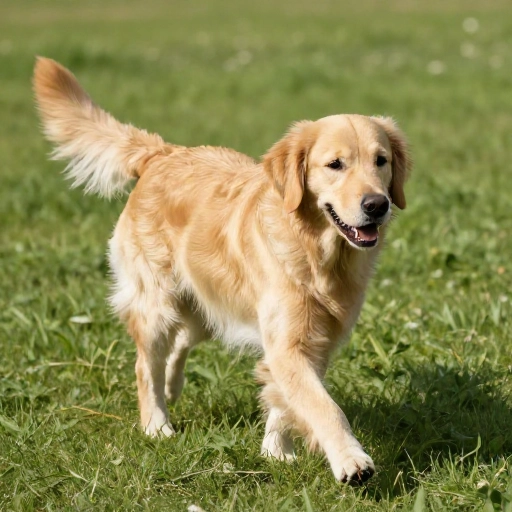
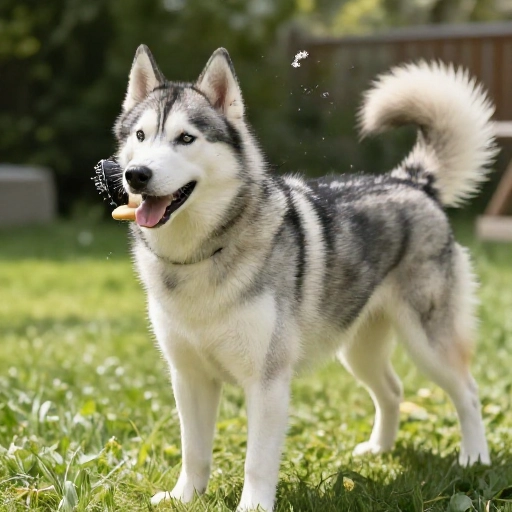
Huskies, Golden Retrievers, German Shepherds, and Akitas have a soft undercoat and a longer topcoat. This double layer insulates them in winter and keeps them cool in summer. The catch? They shed like it’s their job.
I brush my double-coated dog two to three times a week with an undercoat rake and a slicker brush. During shedding season, which happens twice a year, I bump that up to daily. It’s a lot, but it saves my furniture and keeps her skin healthy.
Bathe every 6 to 8 weeks, and never shave a double-coated dog. Shaving can ruin their coat’s ability to regulate temperature. Instead, focus on removing dead undercoat. A good deshedding shampoo and a high-velocity dryer can be game changers.
Curly & Wooly Coats: The Matt-Prone Cuties
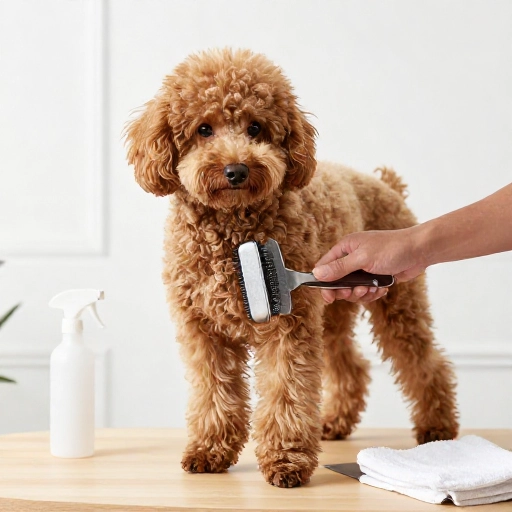
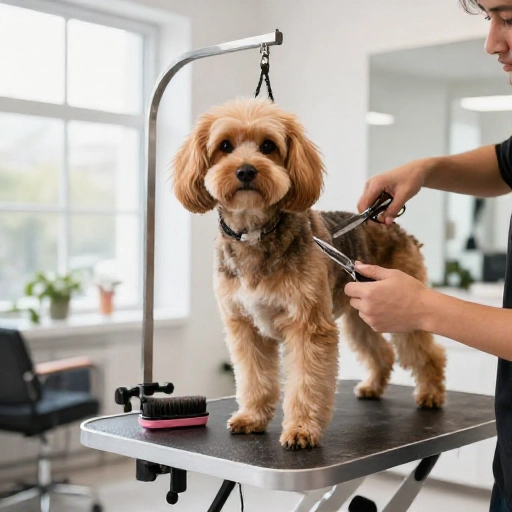
Poodles, Bichons, Doodles, and Portuguese Water Dogs have hair that grows continuously, like ours. That means it needs regular trims and daily attention. If you skip brushing, mats form fast, and they can be painful.
I brush my doodle every other day with a slicker brush and a metal comb. I always comb down to the skin to make sure I’m not just fluffing the top layer. Baths every 3 to 4 weeks keep the coat clean and easier to manage.
Professional grooming every 4 to 6 weeks is ideal for these coats. If you want to go longer between appointments, you’ll need to do more at home. Trust me, a matted doodle is a miserable doodle. Prevention is everything.
Wirehaired Coats: The Rugged Textured Type
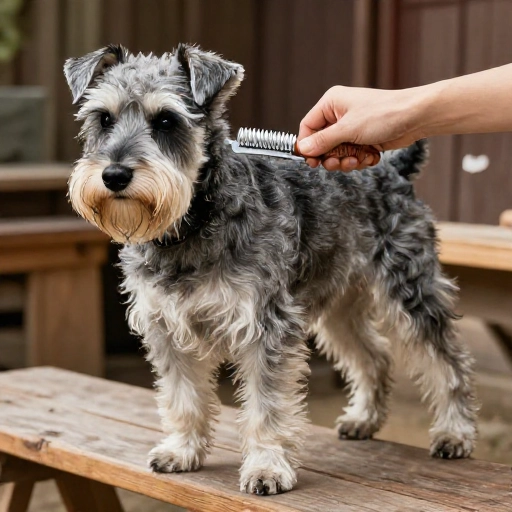
Schnauzers, Terriers, and Wirehaired Pointing Griffons have a coarse, wiry topcoat. This coat type is a bit different because it doesn’t shed much, but it does need regular maintenance to stay healthy and tidy.
I brush my wirehaired mix once or twice a week with a slicker brush and a comb. Baths every 6 to 8 weeks are plenty, unless they’ve been digging in the dirt. The key is hand-stripping or trimming to remove dead hair and keep the texture intact.
Hand-stripping is a technique where you pull out loose, dead hairs by hand. It’s time-consuming, so many people opt for clipping instead. A professional groomer can help you decide what’s best. Either way, plan on a grooming appointment every 8 to 12 weeks.
Long & Silky Coats: The Elegant Tresses
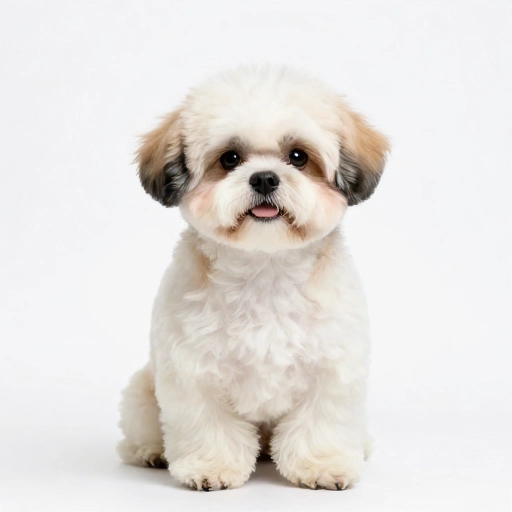
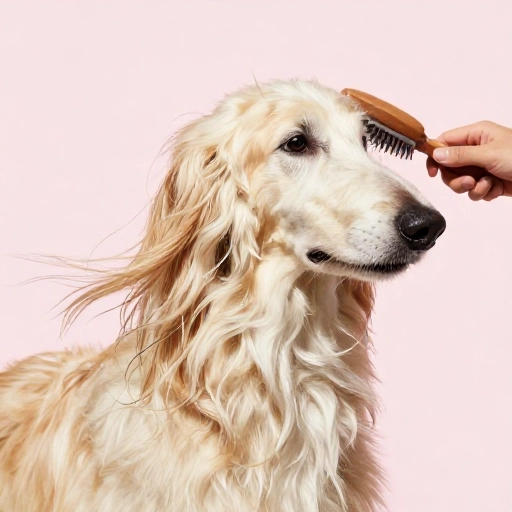
Yorkies, Shih Tzus, Maltese, and Afghan Hounds have long, flowing coats that turn heads. They also tangle if you look at them wrong. These coats need daily brushing to stay knot-free and beautiful.
I use a pin brush and a metal comb every day on my long-haired foster dog. I pay extra attention to the ears, armpits, and behind the legs, where tangles love to hide. Baths every 2 to 4 weeks with a good conditioner keep the hair soft and manageable.
Trims every 4 to 6 weeks keep the length practical. If you prefer a shorter cut, you can stretch that out. But even with a short cut, daily brushing is non-negotiable. These coats are high-maintenance, but the payoff is stunning.
The Lifestyle Factor: Couch Potato vs. Adventure Dog
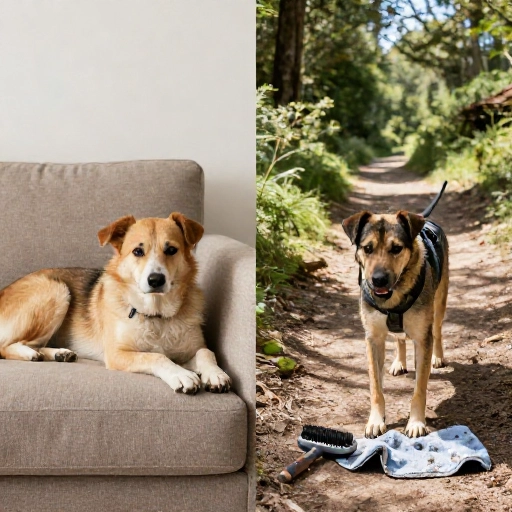
Your dog’s daily life changes everything. A dog who naps on the sofa all day stays cleaner than one who hikes, swims, and rolls in the grass. I have one of each, and their schedules look completely different.
My adventure dog gets a paw rinse after every muddy walk and a full bath every 3 to 4 weeks. I also check for ticks, burrs, and cuts more often. My couch potato, on the other hand, can go 6 to 8 weeks between baths and just needs a weekly brush.
If your dog swims, always rinse them after to remove chlorine or lake bacteria. If they spend a lot of time indoors, they may shed more because of climate control. Adjust your schedule based on what your dog actually does, not just their breed.
Seasonal Grooming: How Weather Changes Your Routine
Spring and fall are shedding seasons for many dogs. That’s when I pull out the deshedding tools and prepare for tumbleweeds of fur. Daily brushing during these weeks makes a huge difference.
Summer means more time outside, more dirt, and more baths. But don’t shave your double-coated dog to keep them cool. Their coat actually insulates them from the heat. Instead, keep them brushed and provide shade and water.
Winter brings dry skin and salt on the sidewalks. I use a paw balm and a moisturizing shampoo. I also bathe less often because indoor heating dries out the coat. A humidifier can help everyone, including your dog.
DIY Grooming vs. Professional Groomer: Finding the Balance
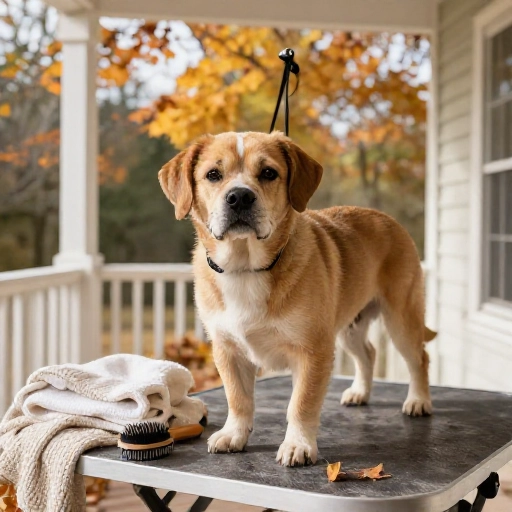
I love a good at-home grooming session, but I also know my limits. Brushing, bathing, nail trimming, and ear cleaning are all things you can learn to do yourself. It saves money and builds trust with your dog.
But some tasks are better left to the pros. Hand-stripping, de-matting, and precise breed cuts require skill and the right tools. If your dog is anxious or matted, a professional groomer can handle it safely and kindly.
My rule of thumb: I do weekly maintenance at home, and I book a professional every 6 to 8 weeks for a full groom. That balance keeps my dogs comfortable and my sanity intact. Find what works for your budget and your dog’s temperament.
Creating a Custom Grooming Calendar That Actually Works
Now that you know the basics, let’s put it all together. Grab a calendar or set reminders on your phone. I like to break grooming into weekly, monthly, and quarterly tasks.
Weekly: brush your dog based on coat type, check ears, and trim nails if needed. Monthly: bath, deep brush, and check for skin issues. Quarterly: professional groom or a full trim at home.
Adjust as life happens. If your dog gets skunked, that’s an emergency bath. If they’re sick or injured, skip the bath and focus on comfort. A good schedule is flexible, not rigid. Write it down, try it for a month, and tweak it until it feels easy.
Conclusion: Your Dog’s Best Coat Starts with a Plan
Grooming doesn’t have to be overwhelming. By matching your schedule to your dog’s coat type and lifestyle, you can keep them clean, comfortable, and healthy without burning out. Start with the basics, stay consistent, and don’t be afraid to ask for help.
Every dog is an individual, so pay attention to what works for yours. A little effort each week goes a long way. Your dog will thank you with a shiny coat, fewer mats, and maybe even fewer baths.
Frequently Asked Questions
How often should I bathe my dog?
It depends on the coat. Short coats can go 4 to 6 weeks, double coats 6 to 8 weeks, curly coats 3 to 4 weeks, and long coats 2 to 4 weeks. Active or dirty dogs may need more frequent baths.
Can I shave my double-coated dog in summer?
No. Shaving a double coat can damage the hair follicles and interfere with their natural temperature regulation. Instead, deshed and brush regularly.
What if my dog hates being brushed?
Start slow with short sessions and high-value treats. Use a soft brush first, then gradually introduce the tools you need. If it’s still stressful, a professional groomer can help.
How do I know if my dog has mats?
Run your fingers through their coat. If you feel tight knots or clumps that don’t come apart easily, those are mats. Never cut them out with scissors—you could cut the skin. See a groomer for safe removal.
Do I really need to brush my short-haired dog?
Yes, even short coats benefit from a weekly brush. It removes loose hair, distributes oils, and gives you a chance to check for lumps, bumps, or skin issues.