At-Home Dog Grooming 101: Everything You Need to Begin (Even If You’re a Total Newbie)
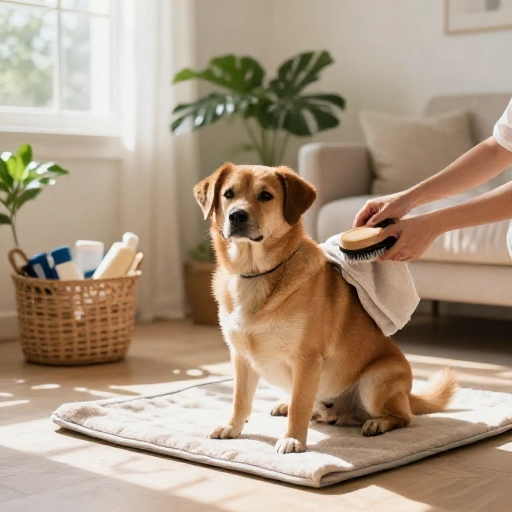
I still remember the first time I tried to clip my dog’s nails. Let’s just say… it involved a lot of peanut butter and a very confused pup. But after a few messy attempts, I realized that at-home grooming isn’t just possible—it’s actually kind of fun.
If you’re tired of expensive groomer visits, worried about your dog’s stress, or just want to learn a new skill, you’re in the right place. I’m sharing everything I wish I knew when I started.
No fancy equipment. No crazy techniques. Just simple, practical steps that work for real dogs and real humans.
Why I Took the Leap to At-Home Grooming
My dog, Max, used to tremble the moment we pulled into the groomer’s parking lot. It broke my heart. So I decided to try grooming him at home—starting with just brushing.
What I found was surprising. Not only did I save money, but Max actually started to relax. He began to trust me with the clippers and the bath. Our bond grew stronger.
That said, at-home grooming isn’t for every dog or every situation. But if you’re curious, it’s worth a try. Start small. You might be surprised at how well it goes.
The Only Grooming Tools You Actually Need to Start
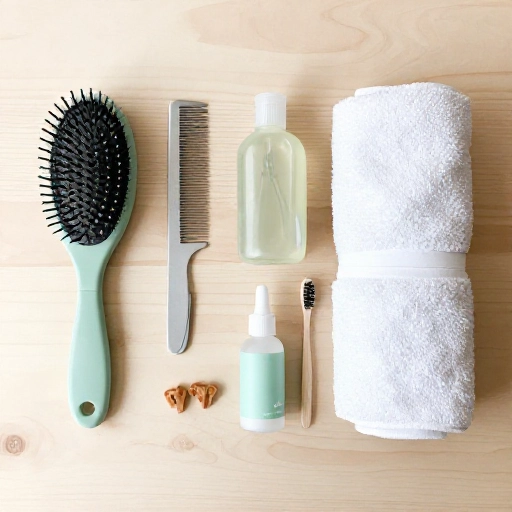
When I first started, I bought way too much stuff. Most of it collected dust. Here’s what I actually use every week:
- A slicker brush and a metal comb (for regular coat care)
- Nail clippers or a nail grinder (I prefer a grinder for dark nails)
- A gentle, dog-safe shampoo
- Microfiber towels (they soak up water fast)
- Ear cleaner and cotton balls
- A dog toothbrush and toothpaste
Don’t feel like you need to buy everything at once. Start with a brush and nail clippers. Add more as you get comfortable.
How to Set Up a Calm Grooming Space at Home
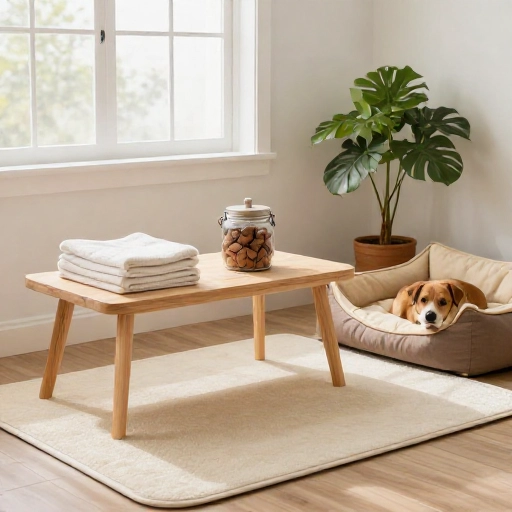
Your dog can sense your energy. If you’re stressed, they’re stressed. So I always set up a quiet, comfortable spot before we begin.
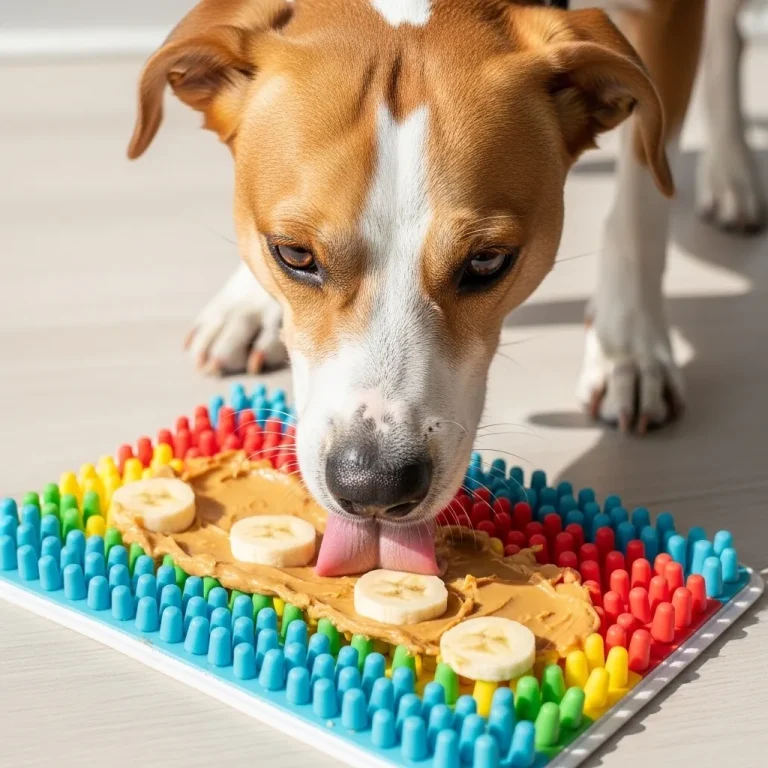
I use a non-slip mat on the floor or a sturdy table. Good lighting is key—I once missed a tick because the room was too dim. Keep treats within reach, and have a favorite toy nearby.
Short sessions are better than long ones. Ten minutes of calm brushing beats thirty minutes of squirming. And always end on a positive note.
Brushing Basics: The Daily Habit That Changes Everything
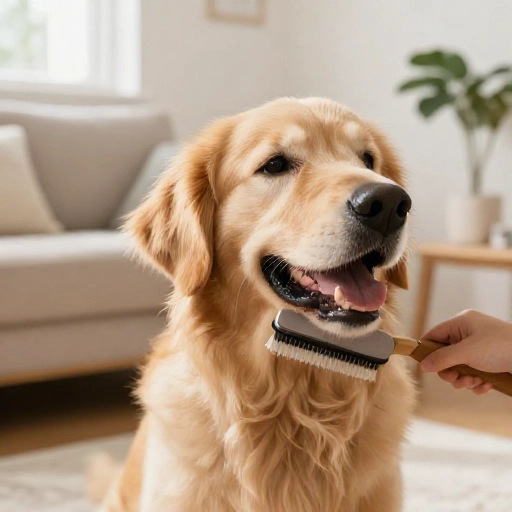
Brushing is the foundation of at-home grooming. It removes loose fur, prevents mats, and spreads natural oils for a shiny coat. Plus, it’s a great way to check for lumps, bumps, or ticks.
Different coats need different tools. A slicker brush works for most dogs, but double-coated breeds also need an undercoat rake. Short-haired dogs do fine with a rubber curry brush.
Brush in the direction the hair grows. Be gentle around sensitive areas like the belly and tail. If you hit a mat, don’t yank—work it out with your fingers or a detangler spray.
Bath Time Without the Chaos: My Step-by-Step
Bath time used to be a splash zone. Now it’s almost peaceful. Here’s what works for me:
- Brush your dog first to remove loose hair.
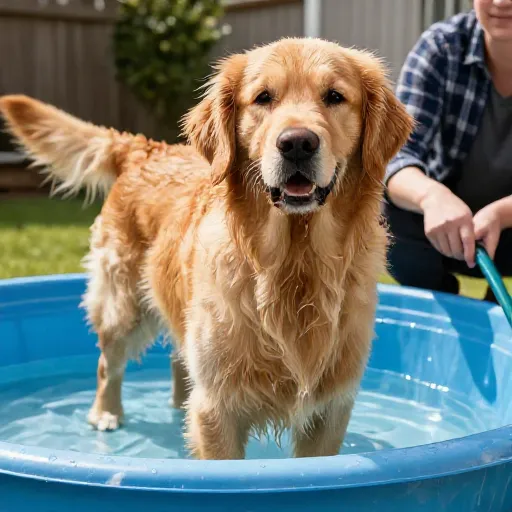
- Use lukewarm water—never hot.
- Apply dog shampoo, avoiding eyes and ears.
- Rinse, rinse, rinse. Leftover shampoo causes itching.
- Towel dry and reward with a treat.
Don’t bathe too often. Every 4-6 weeks is plenty for most dogs. Over-bathing strips natural oils and can dry out their skin.

Drying Your Dog Properly (And Why It Matters)
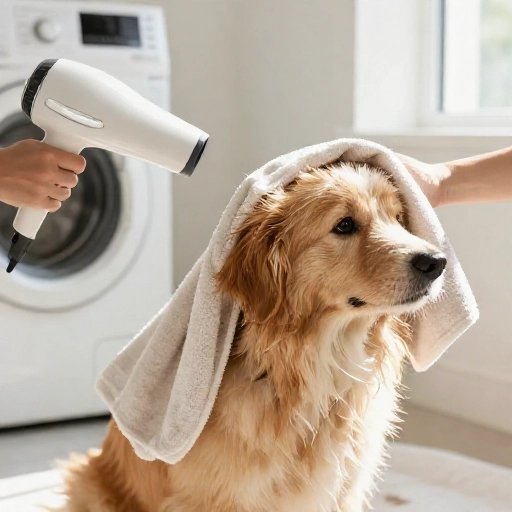
A wet dog can get cold, and damp fur can lead to skin infections. So drying is just as important as washing.
I start with a microfiber towel to soak up the worst of it. Then I use a blow dryer on the lowest heat and coolest setting. Keep it moving—never hold it in one spot. If your dog hates the noise, try a quiet dryer or just towel dry and let them air dry in a warm room.
Praise calm behavior. Give breaks. And never leave a wet dog in a crate to dry—they need air circulation.
Nail Trimming for Nervous Humans (Yes, You Can Do This)
Nail trimming is the part most of us dread. I get it. But with a little practice, it gets easier.
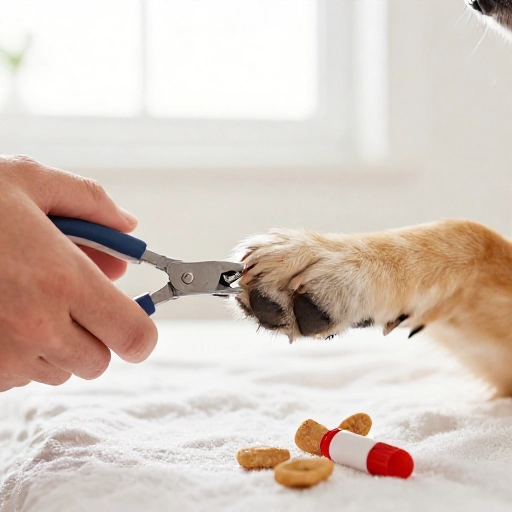
Use sharp clippers made for dogs. Take tiny tips off at a time. Look for the quick—the pink part inside the nail. If you can’t see it (dark nails), just take a sliver at a time.
If you’re really nervous, try a nail grinder. It files the nail down slowly. Or ask your vet to show you once. And always have styptic powder on hand in case you nick the quick.
Ear Cleaning and Eye Care Made Simple
Ears and eyes are often overlooked, but they’re easy to maintain. I check my dog’s ears once a week. If they smell bad or look red, I know it’s time to clean.
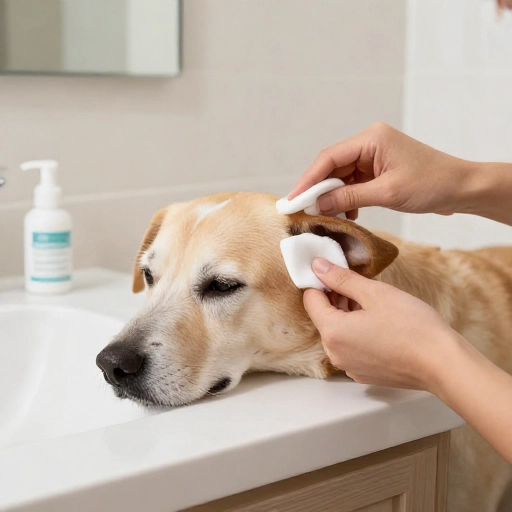
Use a vet-approved ear cleaner. Squeeze a little into the ear canal, massage the base, then wipe with a cotton ball. Never use Q-tips inside the ear—they can push debris deeper.
For eyes, I wipe away any discharge with a damp, warm cloth. If I see redness, swelling, or excessive tearing, I call the vet. Better safe than sorry.
Dental Care: The Step Most of Us Forget
I’ll be honest—I ignored my dog’s teeth for way too long. But dental disease is one of the most common health issues in dogs. And it’s preventable.
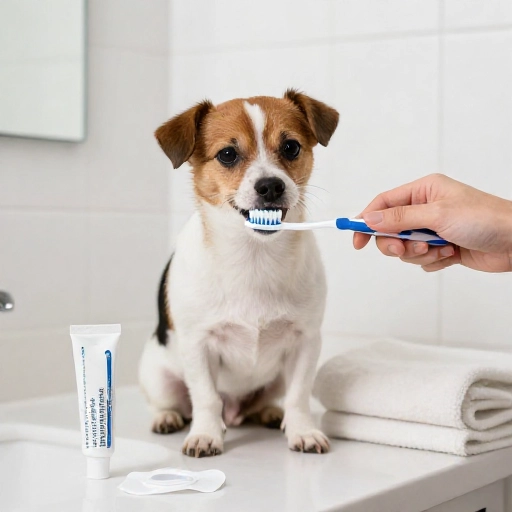
I started by letting my dog lick dog-safe toothpaste off my finger. Then I moved to a finger brush. Now I use a real toothbrush a few times a week.
Dental chews and toys can help, but they’re not a substitute for brushing. If your dog’s breath is really bad, see your vet. It might be more than just plaque.
Building a Grooming Routine That Sticks (And When to Call a Pro)
Consistency is everything. I brush my dog every other day, trim nails every two weeks, and bathe every six weeks. It’s a rhythm that works for us.
But there are times when you should call a professional. If your dog is extremely anxious, has painful mats, or shows signs of skin infection, don’t force it. A groomer or vet can help.
Know your limits. At-home grooming is about care, not perfection. Some days will be messy. That’s okay.
Conclusion: You’ve Got This (And Your Dog Will Thank You)
Starting at-home dog grooming can feel overwhelming, but it doesn’t have to be. Grab a brush. Sit on the floor. Take it one step at a time. Your dog doesn’t care if you’re perfect—they just want to be with you.
Before you know it, you’ll have a routine that saves money, reduces stress, and deepens your bond. And that’s worth every bit of effort.
[[IMG:IMG11]]
Frequently Asked Questions About At-Home Dog Grooming
Q: How often should I groom my dog at home?
A: It depends on the breed. Short-haired dogs need brushing once a week, while long-haired dogs may need daily brushing. Baths every 4-6 weeks, nails every 2-4 weeks.
Q: What if my dog hates being groomed?
A: Start slow. Use treats and praise. Keep sessions short. If your dog is fearful or aggressive, talk to a professional trainer or vet.
Q: Can I use human shampoo on my dog?
A: No. Human shampoo is too harsh for a dog’s skin. Always use a dog-specific shampoo.
Q: How do I know if I’m cutting the nail too short?
A: If you see a pink dot or a drop of blood, you’ve hit the quick. It happens. Use styptic powder to stop the bleeding and try again in a few days.
Q: When should I see a professional groomer instead?
A: If your dog has severe mats, skin issues, or extreme anxiety, or if you’re not comfortable with a task like nail trimming, a pro is your best bet.
[[IMG:IMG12]]