10 Interesting Facts About Orange Cats
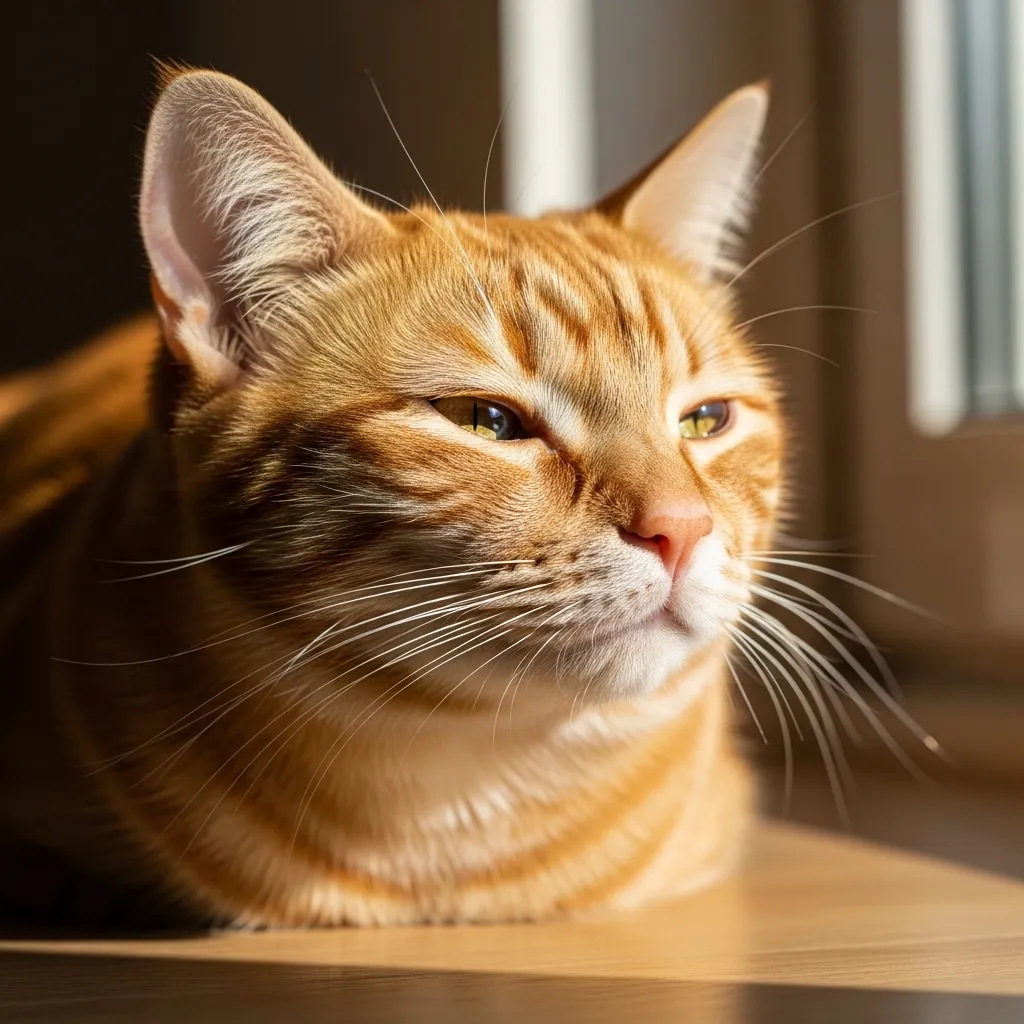
If you’ve ever met an orange cat, you know they have a certain spark. Whether it’s their warm golden fur or their bold, friendly personality, these felines always seem to leave a paw print on your heart. I’ve shared my home with two orange tabbies over the years, and I’m still learning new things about them.
Let’s dive into ten fascinating facts that make orange cats so special. From their genetics to their quirks, there’s a lot more to that orange coat than meets the eye.
1. Their Color Comes From a Specific Pigment
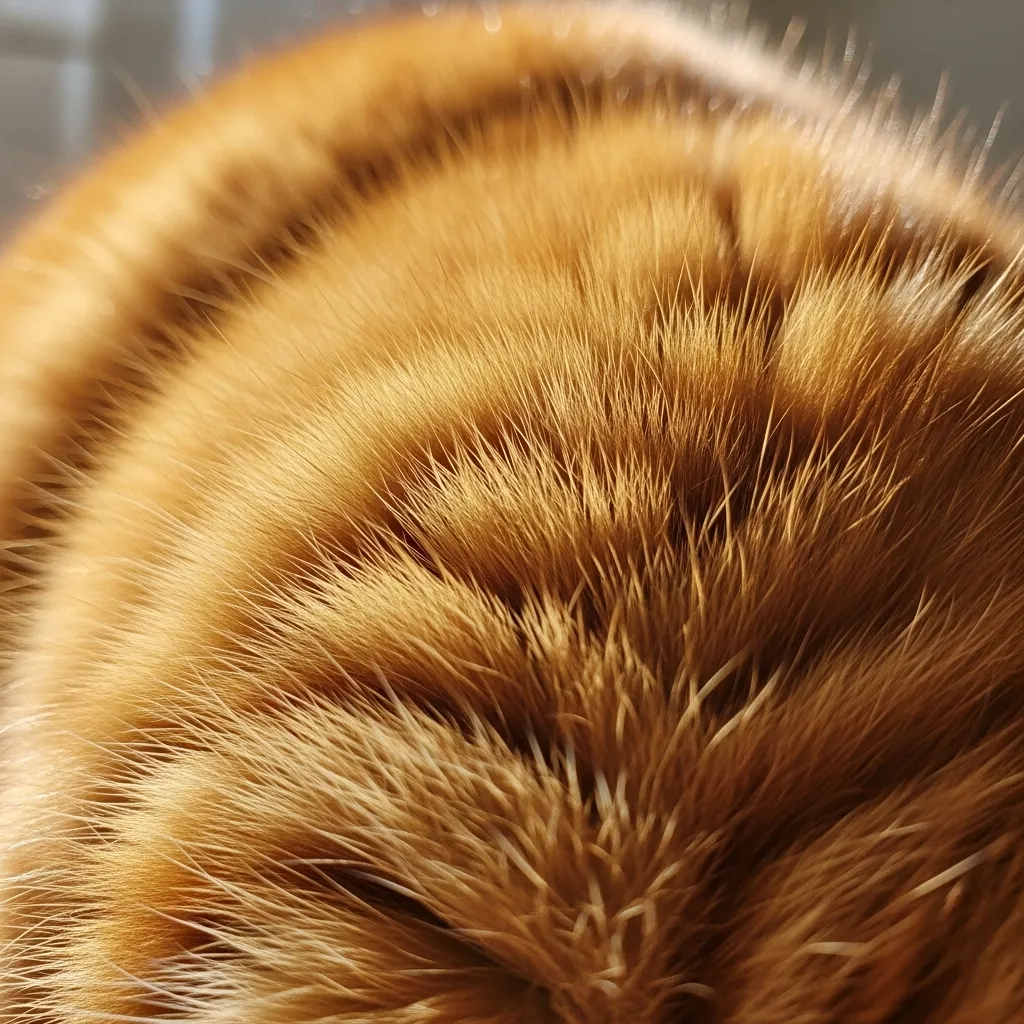
Orange cats get their stunning coat from a pigment called pheomelanin. It’s the same pigment that gives red hair to humans. The more pheomelanin, the deeper the orange shade.
This is why you’ll see everything from pale cream to rich marmalade. It’s not just one orange—it’s a whole spectrum.
2. Most Orange Cats Are Male
This one always surprises people. About 80% of orange cats are male. Why? The gene for orange fur is on the X chromosome.
Males only need one orange gene to be orange, while females need two. That’s why you rarely see a female orange tabby. If you do meet one, consider her extra special.
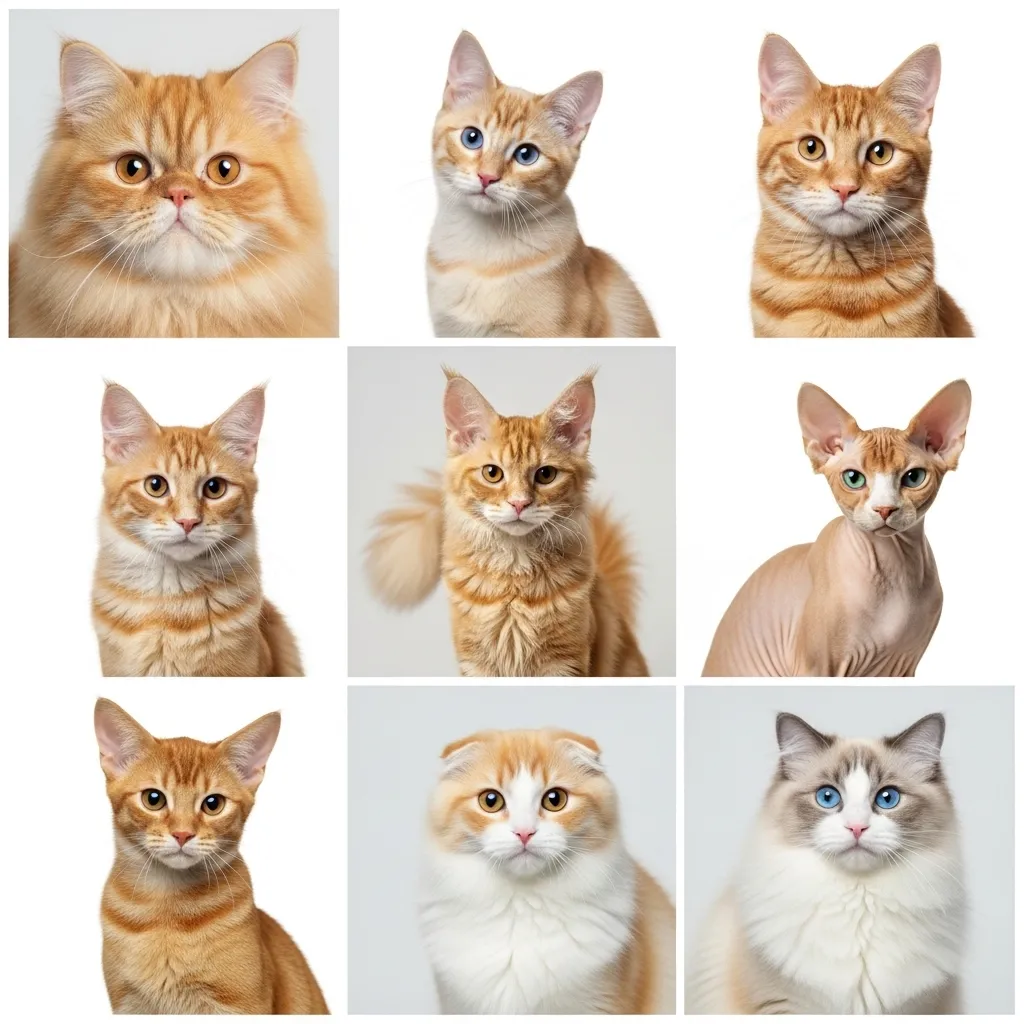
3. They Aren’t a Specific Breed
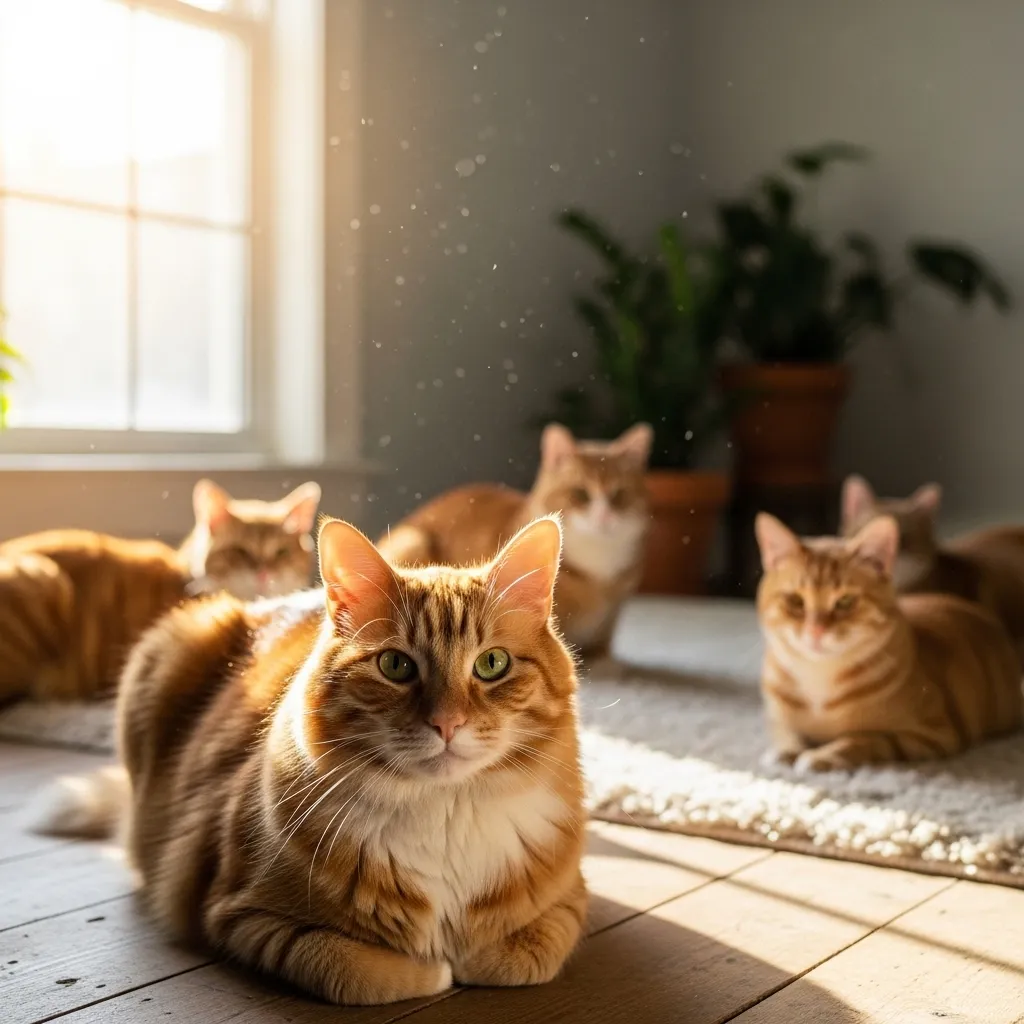
Orange is not a breed—it’s just a coat color. You’ll find orange cats in many breeds, from Maine Coons to Persians to simple mixed-breed rescues.
So if you adopt an orange cat from a shelter, you could be getting a little bit of everything. That’s part of their charm.
4. Almost All Orange Cats Have Tabby Markings
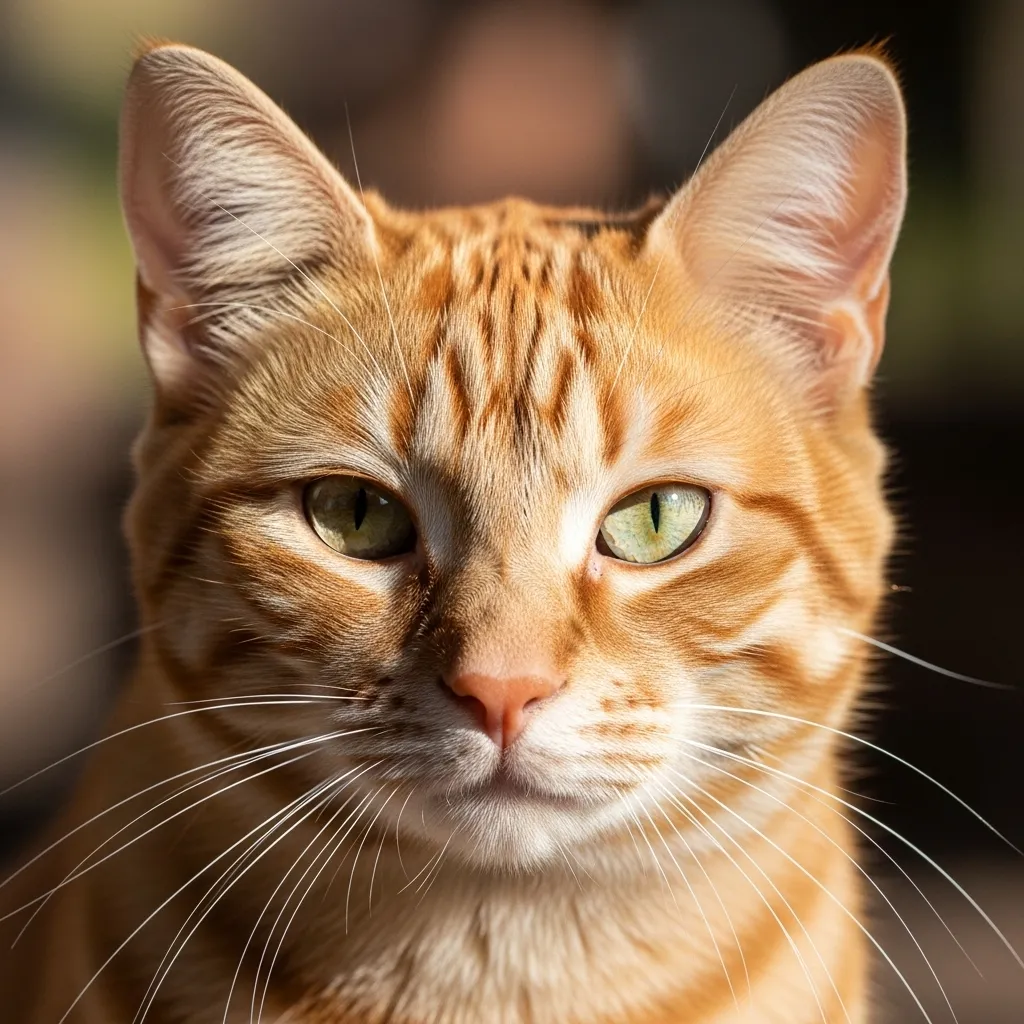
You won’t find a solid orange cat. Every orange cat has some kind of tabby pattern, whether it’s classic swirls, stripes, or spots.
That’s because the orange gene is linked to the agouti gene, which creates those markings. So even when they look solid, look closely—you’ll see faint stripes.
5. They’re Known for Big Personalities
Orange cats have a reputation for being extra friendly and outgoing. Some owners call them the “golden retrievers” of the cat world.
In my experience, they love attention, follow you around the house, and aren’t shy about asking for treats. They tend to be more social with people and other pets.
6. They Have a Famous History in Pop Culture
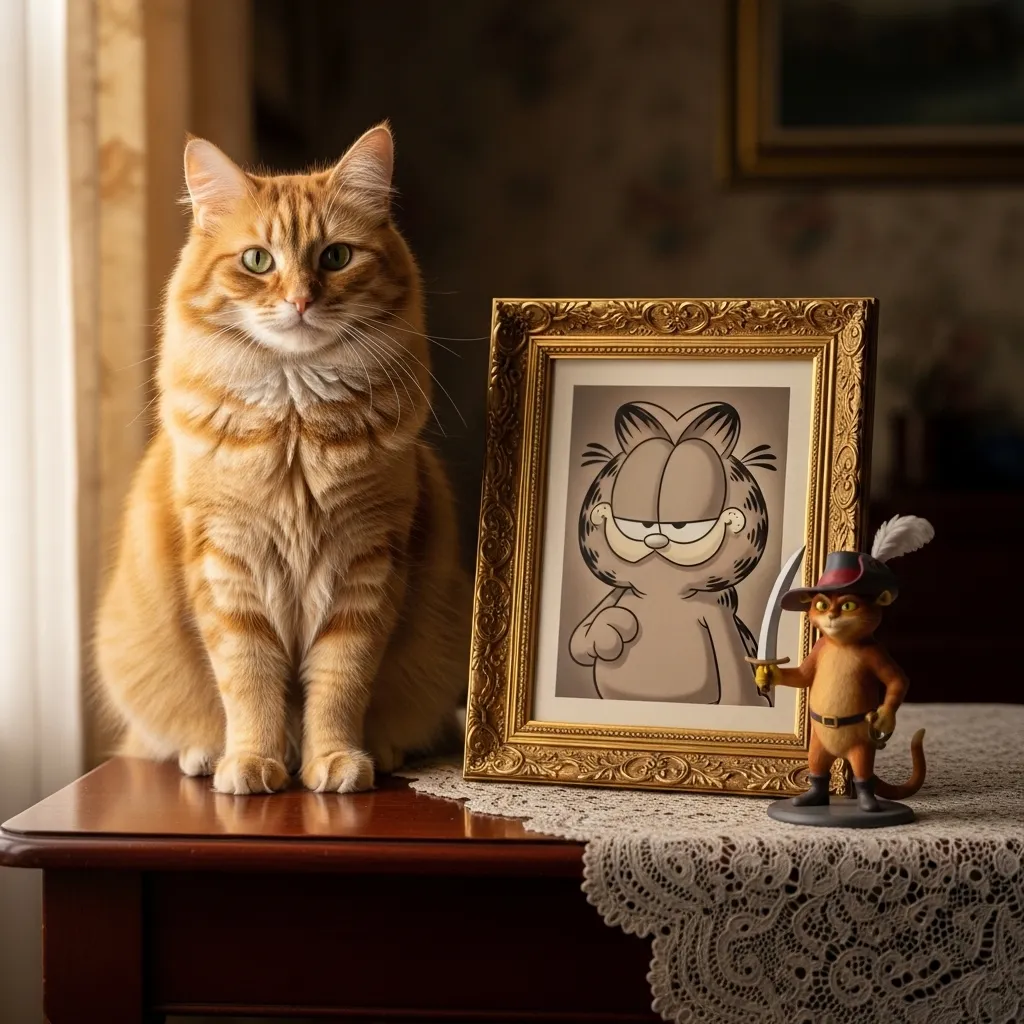
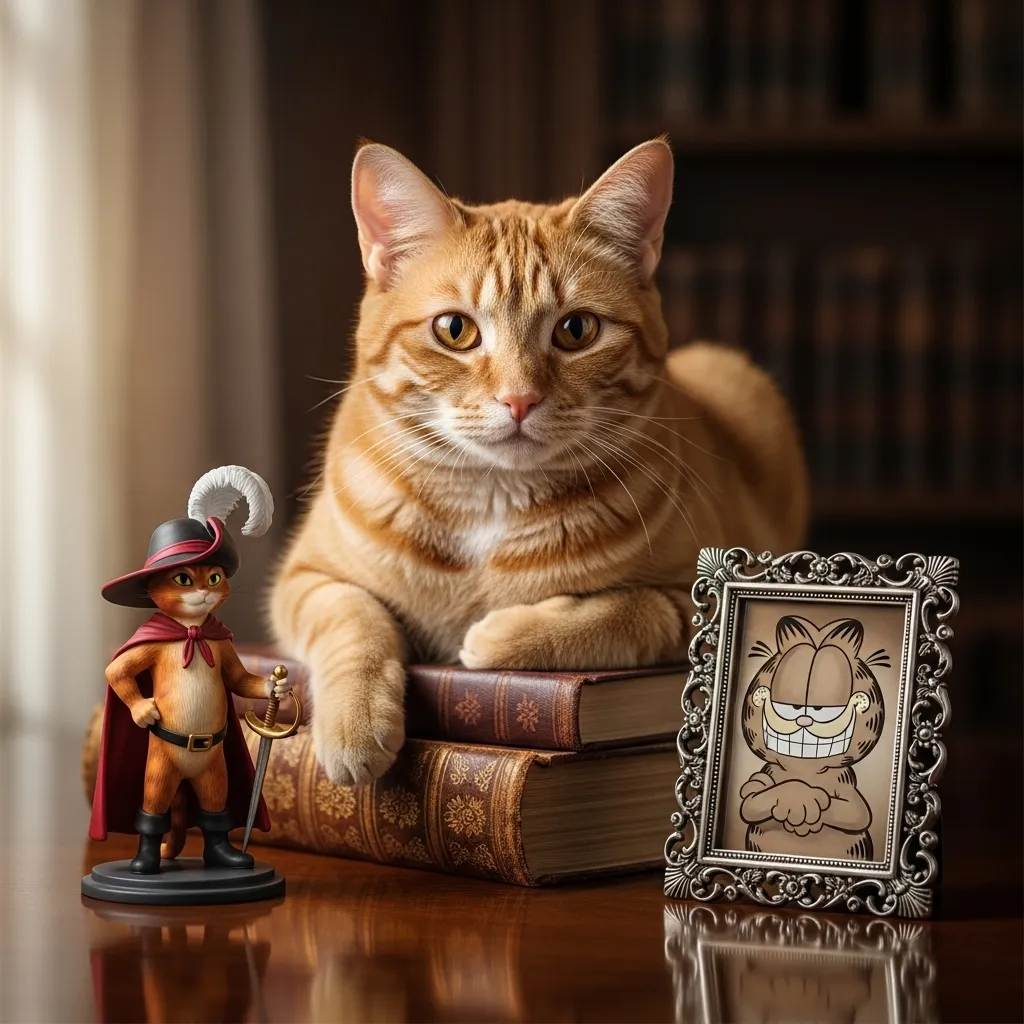
Some of the most beloved fictional cats are orange. Remember Garfield? He’s the lasagna-loving, lazy orange tabby we all know. Then there’s Heathcliff, Puss in Boots from Shrek, and even the Cheshire Cat from Alice in Wonderland.
These characters cemented the orange cat as a playful, clever, and sometimes mischievous icon.
7. Their Fur Can Change Color Over Time
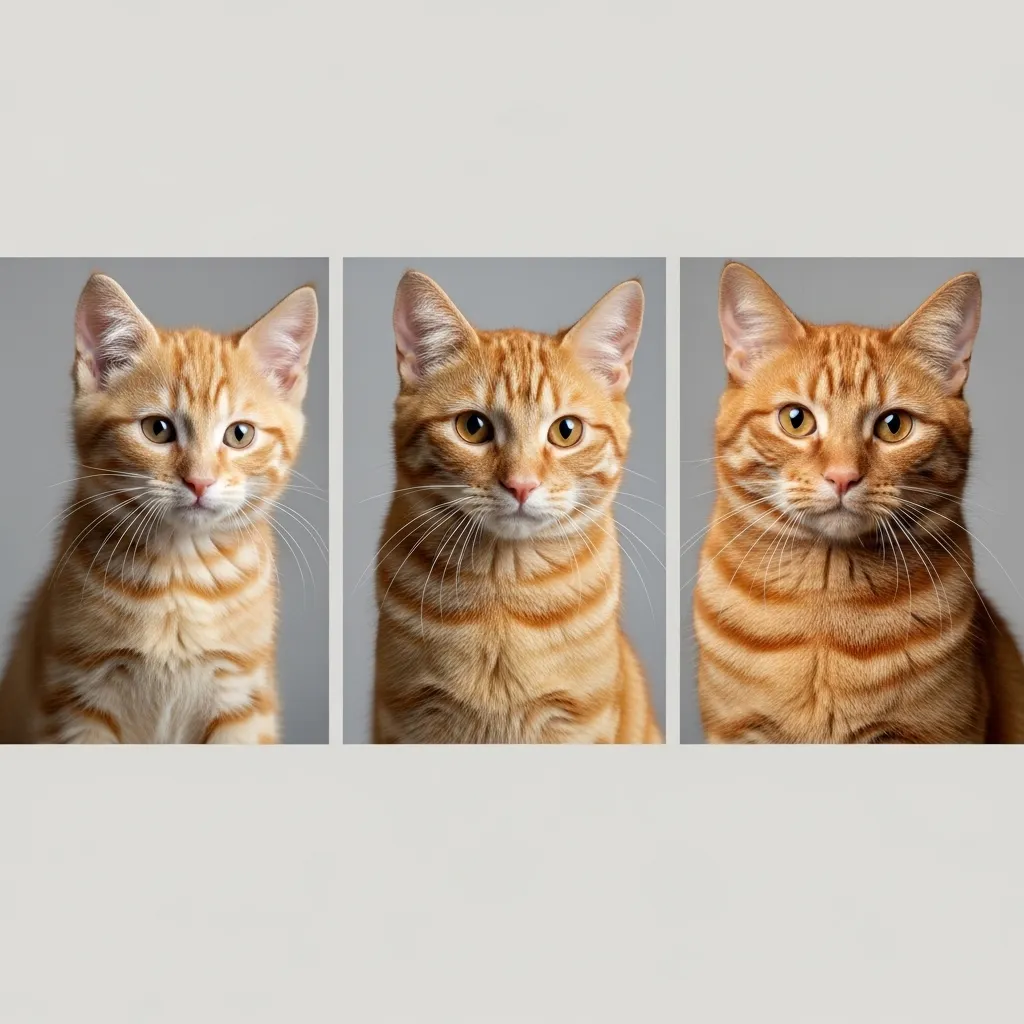
You might notice your orange cat’s coat getting lighter or darker as they age. That’s normal. Sun exposure, diet, and even the season can shift their shade.
Some orange cats develop darker patches in winter or a lighter coat in summer. It’s like they’re wearing a seasonal wardrobe.
8. They Often Have Freckles
Check your orange cat’s nose, lips, and gums. You might spot tiny black freckles. These are lentigo, and they’re very common in orange cats.
They’re harmless and just add to your cat’s unique look. Over time, more freckles can appear, so don’t be alarmed.
9. They’re More Likely to Be Lap Cats
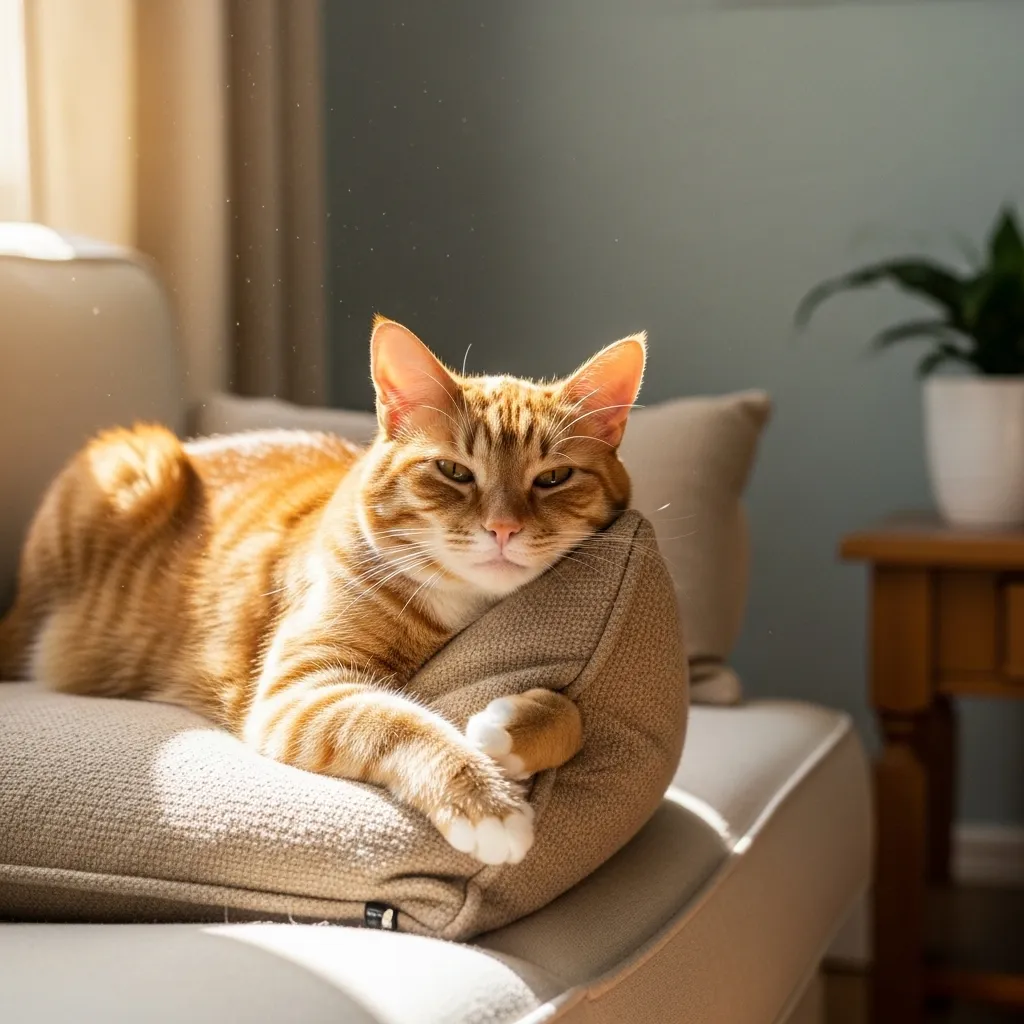
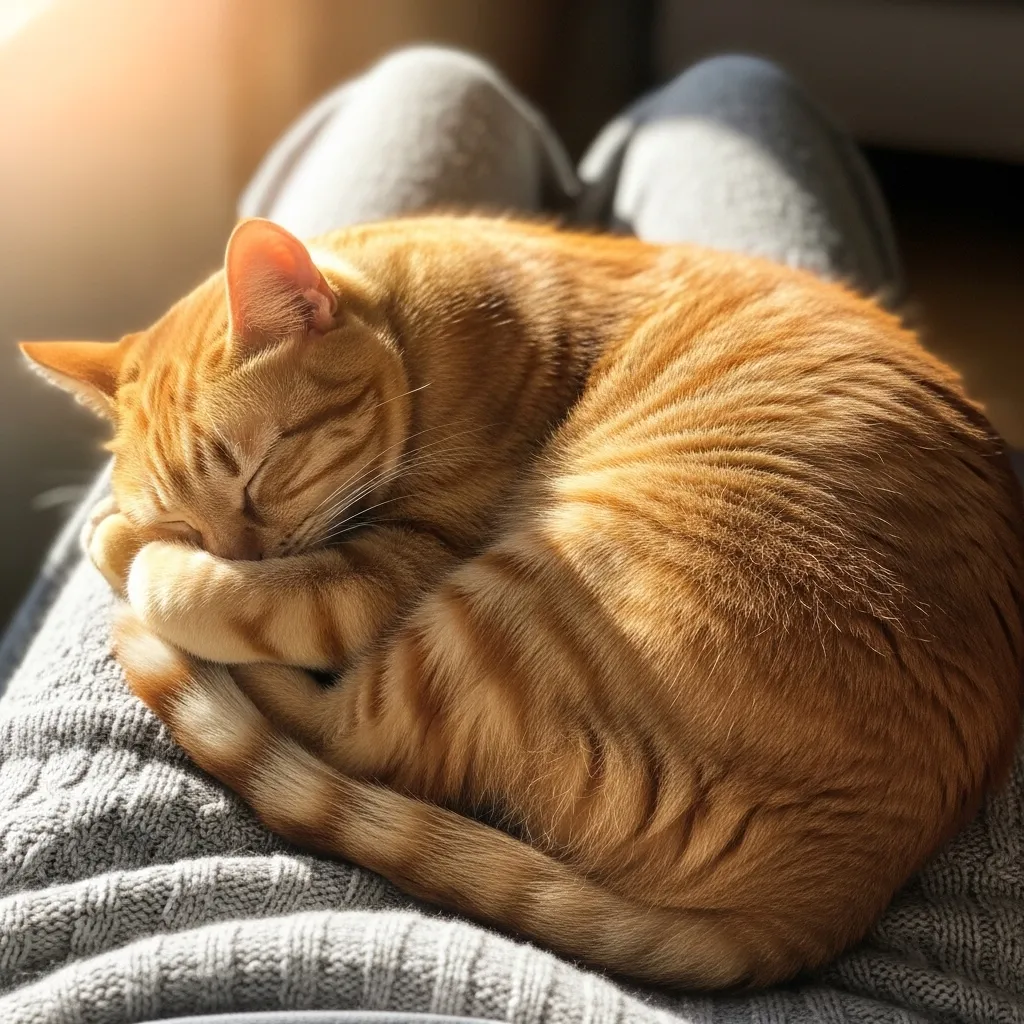
While every cat has their own personality, orange cats are often described as cuddly. Many owners say their orange cat is the most affectionate one they’ve ever had.
They love to curl up on your lap, sleep on your pillow, and purr loudly while you pet them. It’s hard to get anything done when one is nearby.
10. They Might Have a Stronger Appetite
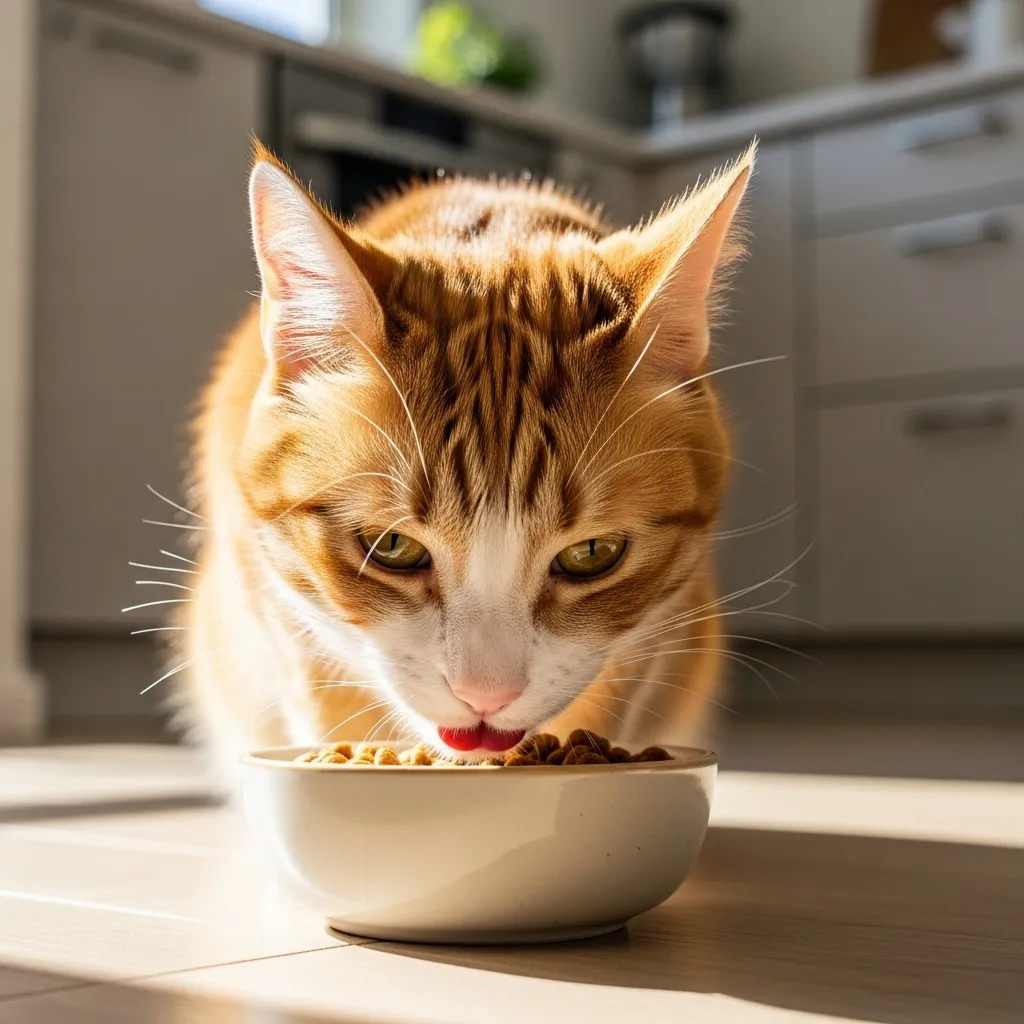
Orange cats are sometimes associated with a bigger appetite. Garfield wasn’t a total exaggeration. Some owners joke that their orange cat is always thinking about food.
While there’s no scientific proof, it’s a common observation among orange cat fans. Just keep an eye on their weight and don’t overdo the treats.
Conclusion
Orange cats are more than just pretty faces. They bring warmth, personality, and a little bit of mystery into our lives. Whether you’re a new owner or a lifelong fan, these facts help you appreciate them even more.
If you have an orange cat at home, give them an extra scratch behind the ears today. They’ve earned it.
Frequently Asked Questions
Are all orange cats male?
No, but about 80% are male. Female orange cats exist but are less common because they need two orange genes.
What breed is an orange cat?
Orange is a color, not a breed. You can find orange cats in many breeds and mixed-breed cats.
Do orange cats have more health problems?
Not specifically because of their color. All cats should have regular vet visits, but orange cats aren’t prone to extra issues just because of their coat.
Why do orange cats have stripes?
The orange gene is linked to the tabby pattern. That’s why you rarely see an orange cat without some kind of stripe or swirl.
Are orange cats really friendlier?
Many owners say yes. While it’s not true for every cat, orange cats are often described as more social and affectionate than other colors.