What to Do in the First Hour After Your Puppy Arrives (A Realistic Step-by-Step Guide)
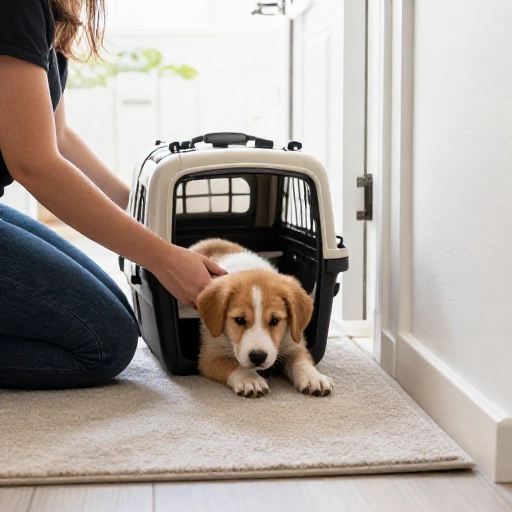
That little carrier door opens, and suddenly your whole house feels different. I still remember the mix of pure joy and mild panic the first time I brought a puppy home — I had a bed, a bowl, and a bag of treats, but zero clue what to actually do in those first sixty minutes.
Here’s the good news: the first hour doesn’t need to be perfect. It needs to be calm, boring, and predictable. That’s it. A puppy who arrives into a quiet, low-pressure space settles in faster than one who gets passed around like a party favor.
This is the exact sequence I follow now, and it works whether you’re bringing home an 8-week-old ball of fluff or a slightly older pup. Grab a water bowl and let’s go.
1. Keep the Homecoming Low-Key (No Screaming, I Promise)
I know you want to squeal. Do it in the car before you pull into the driveway. When your puppy walks in, aim for “boring aunt at a family reunion” energy — friendly, quiet, unbothered.
Loud voices, clapping, and a crowd of faces hovering over a puppy’s head can send a tiny nervous system into overdrive. Instead, sit on the floor, let them come to you, and speak in a soft, steady voice.
If you have kids, this is the moment to remind them that the puppy isn’t a toy. One gentle stroke on the chest, then back off. There will be a thousand more chances to cuddle.
2. Go Straight to the Potty Spot
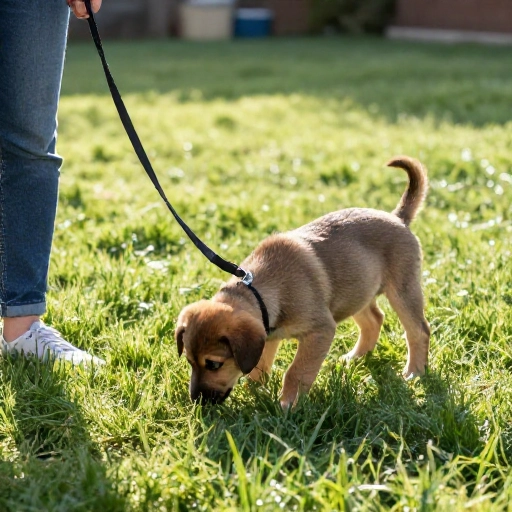
Before the tour, before the photos, before anything — take your puppy outside to the spot where you want them to go. Arriving home is stressful, and stress makes bladders empty fast.
Pick one small patch of grass and stay there. Stand still, stay quiet, and give it five to ten minutes. If they go, throw a tiny party with your voice and hand over a treat right there in the grass.
If they don’t go, no big deal. Bring them inside, but keep them on a leash or in your arms for the next twenty minutes and try again. A puppy who has never peed on your carpet doesn’t know it’s off-limits yet — you’re teaching that starting right now.
3. Give Them One Small Room, Not the Whole House
A whole house is a lot for a puppy whose entire world was just a whelping box and a few siblings. I learned this the hard way with my first pup — I let her roam the living room and she spent twenty minutes trembling behind the couch.
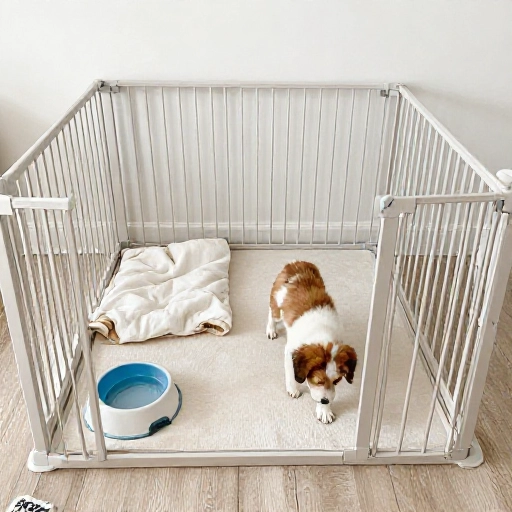
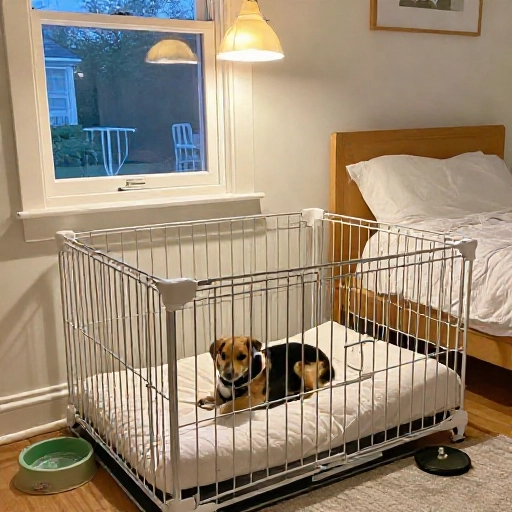
Instead, block off one small, quiet space. A kitchen corner, a bathroom, or a puppy pen works great. Put the crate with the door open, a water bowl, and one or two toys in there. Nothing else.
This does two things: it keeps them safe, and it gives them a “home base” they can retreat to when everything feels like too much.
4. Offer Water, Then a Small Snack (Not a Feast)
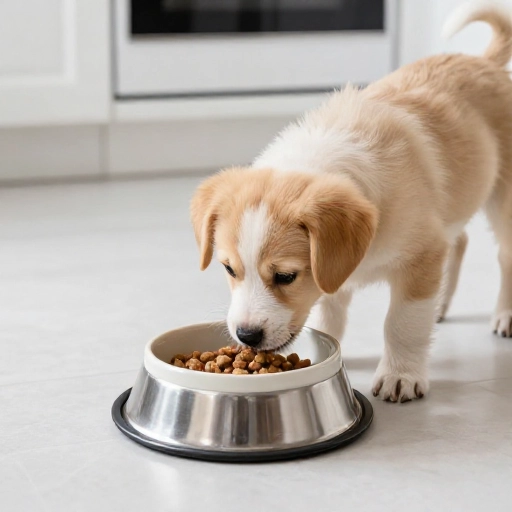
Travel is dehydrating, so fresh water should be available immediately. Expect them to either gulp or ignore it completely — both are normal.
For food, keep it tiny. A small handful of the food their breeder or shelter was already feeding works best, because switching foods on day one is a recipe for an upset stomach.
- Skip the fancy new treats for now
- Don’t free-feed a giant bowl yet
- If they won’t eat, that’s fine — try again in an hour
Some puppies are too wired to eat in the first hour. That’s not a red flag. It’s a puppy who needs a nap more than a meal.
5. Show Them the Crate and Their Bed
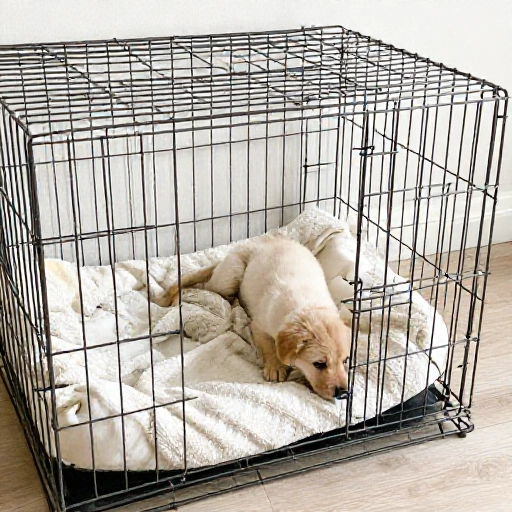
Don’t shut the door. Just make the crate look like the best place on earth. Toss a treat inside, let them wander in and out, and act like you barely care.
I like to sit next to the crate and quietly drop a few kibble pieces inside while my puppy watches. Curiosity beats force every single time.
If your puppy flops into the bed on their own in that first hour, congratulations — you’ve just won the puppy lottery. Let them sleep. Wake a sleeping puppy and you’ll regret it.
6. Let Them Sniff You Instead of Petting Them
This one feels counterintuitive, but it’s probably the single most useful thing I’ve learned. Puppies bond through scent, not through being held.
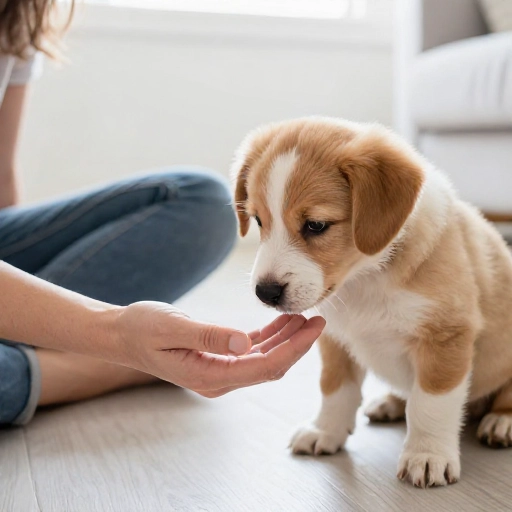
Sit on the floor, keep your hands mostly to yourself, and let them explore your shoes, your knees, your sleeves. Every time they choose to come near you, that’s a tiny deposit in the trust bank.
When you do touch them, keep it slow and under the chin or on the chest. Avoid grabbing the top of the head or scooping them up from above — that’s how a puppy learns hands are scary.
7. Start the Name Game Right Away
You can absolutely begin teaching your puppy their name in the first hour, and it’s a lovely, low-stress way to interact without overwhelming them.
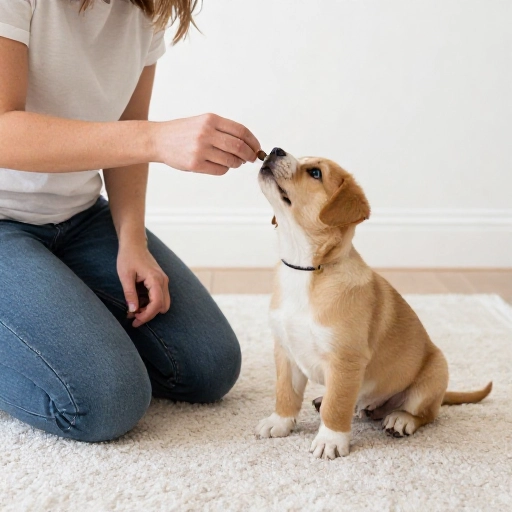
Say the name once in a happy voice. The second they glance at you, mark it with a cheerful “yes!” and drop a treat on the floor near your feet. Repeat five or six times, then stop.
Short sessions are everything. You’re not training a trick — you’re teaching them that your voice predicts good things, which pays off for years.
8. Skip the Parade of Visitors
I know your neighbor wants to meet the puppy and your mom is already texting. Hold them off. Day one is not the day.
Too many new faces in the first hour can teach a puppy that people are overwhelming, and that’s a hard lesson to undo. One or two calm adults is plenty for now.
Better plan: invite people over in small numbers over the next week, and ask them to sit quietly and let the puppy approach them. Boring guests make confident dogs.
9. Watch for Stress Signals and Respond
Puppies talk constantly with their bodies — most people just miss it. In that first hour, watch for these:
- Excessive yawning or lip licking when nothing’s going on
- Shaking, tucked tail, or ears pinned back
- Freezing, hiding behind furniture, or refusing to move
- Panting when it’s not hot
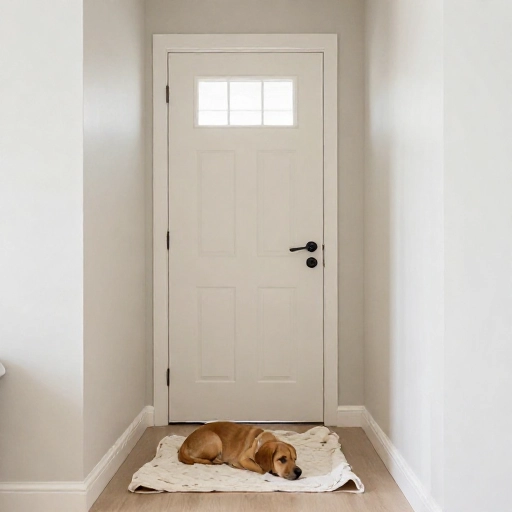
If you see these, don’t pick them up and cuddle harder. That usually makes it worse. Dim the lights, lower your voice, reduce the space, and give them quiet time alone in their pen.
Retreat is not rejection. It’s recovery, and it’s exactly what a nervous puppy needs.
10. Set the Tone for Tonight Before It Sneaks Up on You
The first hour shapes the first night, so use it wisely. Around an hour before you plan to sleep, start winding things down: dim lights, quiet voices, no wild play.
Take one more trip to the potty spot right before bed, and keep the crate close to you for the first few nights. A puppy who can smell you nearby cries far less than one left in a distant laundry room.
And yes — set an alarm for a middle-of-the-night potty break. It’s not forever. It’s a few weeks of tired mornings in exchange for a dog who sleeps through the night for the next decade.
The Bottom Line
The first hour isn’t about doing everything right. It’s about doing very little, very calmly. Potty, water, small space, quiet voices, and a chance to rest.
Your puppy doesn’t need a perfect owner. They need one who’s patient, predictable, and willing to sit on the floor and wait for them to come over. That’s the whole job on day one.
Everything else — the training, the tricks, the leash walks — comes later. You’ve got time.
Frequently Asked Questions
Should I let my puppy sleep in the first hour?
Absolutely. If your puppy curls up and drifts off, let them be. Sleep is how they process stress, and a rested puppy is a much easier puppy to handle later.
How soon will my puppy poop after arriving home?
Often within thirty minutes to a couple of hours, especially after eating or a stressful car ride. Take them out every twenty to thirty minutes during that first stretch and praise heavily when they go.
Can I bathe my puppy on the first day?
I’d skip it unless they’re genuinely filthy or smelly. Bathing adds stress on an already overwhelming day. A warm damp cloth for spot cleaning is plenty until they’ve settled in.
Should I introduce my puppy to my other dog right away?
Not face-to-face in the first hour. Let them sniff through a baby gate or a closed door first, then do a calm, leashed introduction in a neutral space once your puppy has had a chance to rest.
What if my puppy won’t eat in the first hour?
That’s very common and usually nothing to worry about. Offer food again an hour later, and contact your vet if they’re still refusing to eat after twenty-four hours or seem lethargic.